


Laser head damage is a critical concern when operating high-precision máquinas de corte por láser, as it directly affects performance, accuracy, and production efficiency. Damage can result from contamination, misalignment, improper handling, or thermal stress, all of which can reduce cutting quality and lead to costly repairs. Understanding the causes of laser head damage allows operators to implement effective preventive measures. In this guide, I’ll share practical steps to protect the laser head, including proper cleaning, alignment checks, thermal management, and safe handling practices. By following these strategies, you can extend the life of the laser head, maintain consistent cutting accuracy, reduce downtime, and ensure safe, efficient operation in your workshop or production facility.
Causas comunes de Láser Head Damage
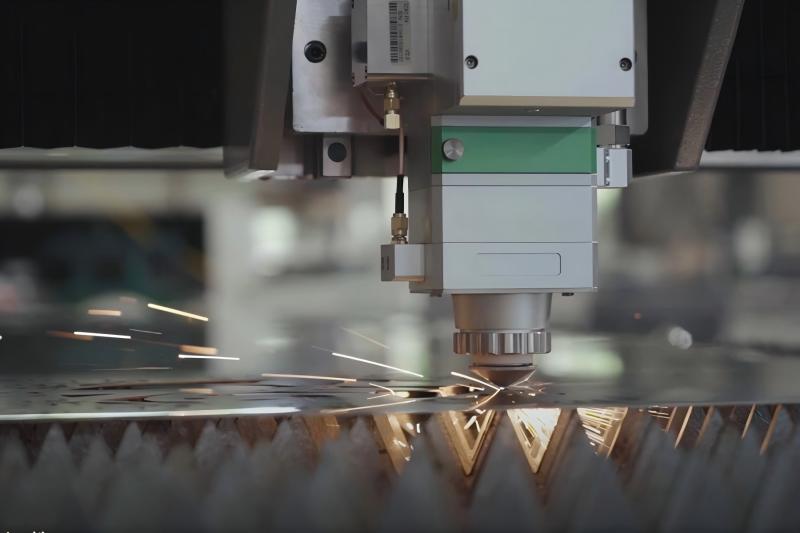
Contamination and Debris
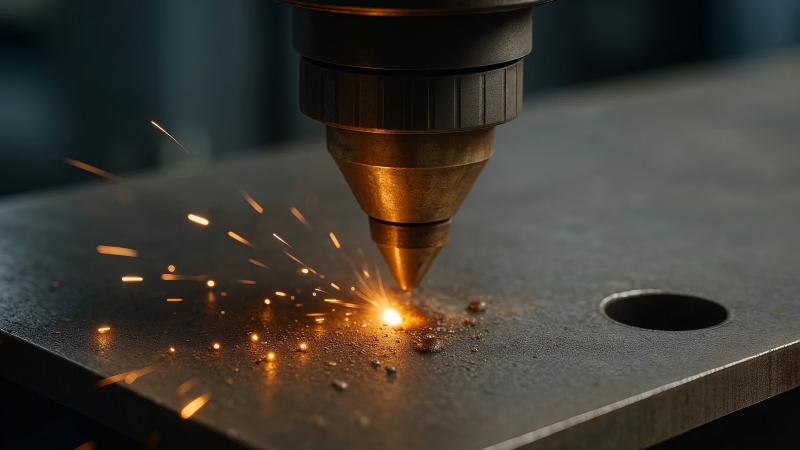
Dust, metal particles, or residues from cutting can accumulate on the lens or nozzle. This contamination can absorb or scatter the laser beam, leading to overheating, reduced beam quality, and permanent damage to the optics.
Improper Alignment or Handling
Incorrect installation or rough handling of the laser head can misalign the optical path. Even minor misalignment can cause the beam to hit unintended surfaces, damaging internal components or affecting cutting precision.
Thermal Stress and Overheating
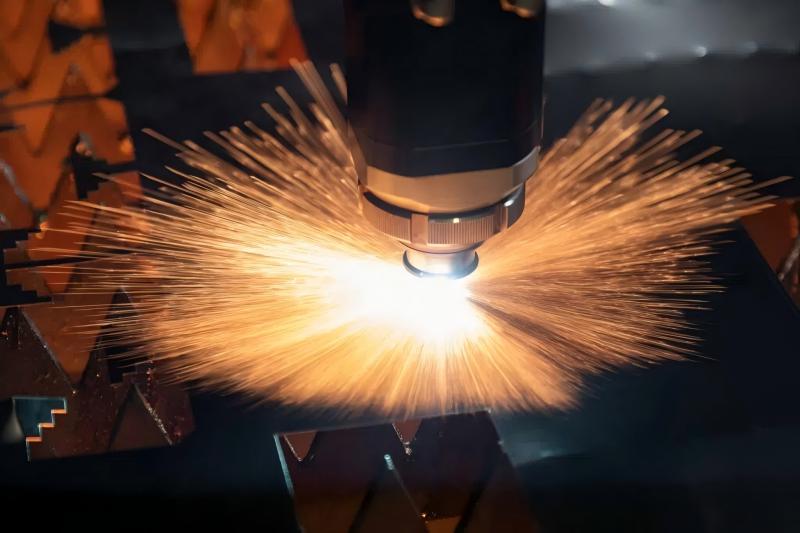
Excessive heat, often from prolonged operation without adequate cooling, can warp the lens housing or damage sensitive optical coatings. Maintaining proper cooling and monitoring the machine’s thermal conditions is crucial.
Step-by-Step Prevention Measures
Step 1: Keep the Work Area Clean
Always maintain a clean environment around the laser machine. Remove metal shavings, dust, and other debris immediately. Using protective covers or enclosures can help minimize contamination risks.
Step 2: Regular Lens and Nozzle Cleaning
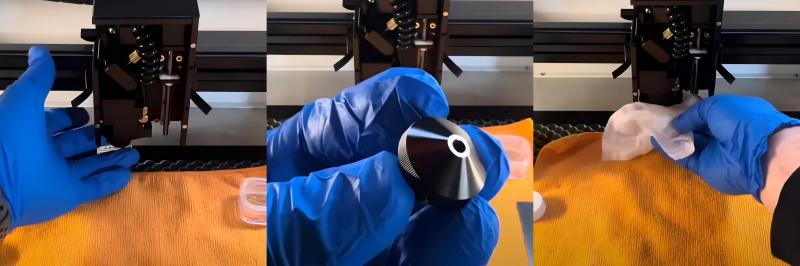
Inspect the laser head lenses and nozzles on a daily basis to prevent contamination. Use only approved cleaning kits and materials to carefully remove dust, debris, or residue. Avoid harsh chemicals, abrasive tools, or rough handling, as these can scratch or damage the delicate optics, reducing beam quality and potentially causing permanent laser head damage.
Step 3: Ensure Proper Alignment
Check the optical path and alignment regularly. Follow manufacturer guidelines when replacing lenses or nozzles, and ensure components are seated correctly to prevent misalignment and unintended laser reflections.
Step 4: Monitor Cooling and Thermal Conditions
Ensure the cooling system is functioning correctly and the coolant is at the recommended temperature. Avoid continuous operation at maximum power without monitoring heat levels, and allow the laser head to cool if overheating is detected.
Step 5: Train Operators in Proper Handling
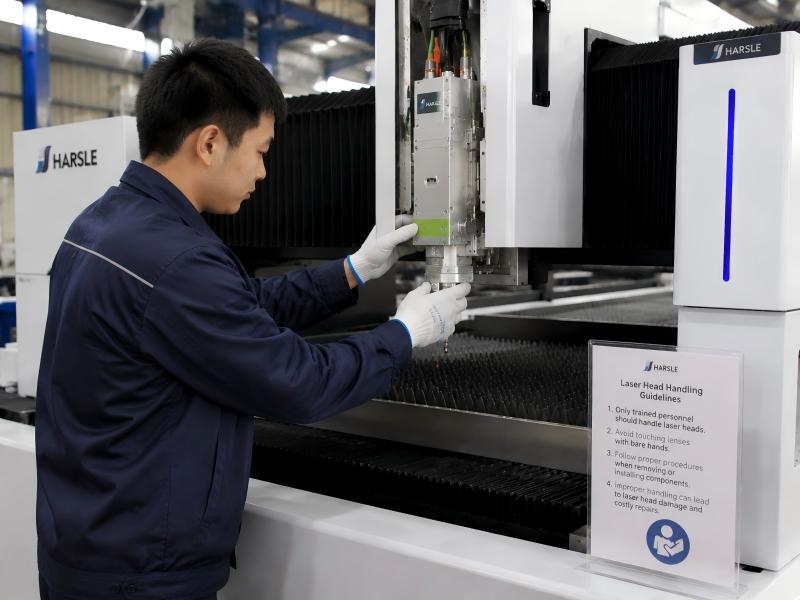
Only trained personnel should handle laser heads. Avoid touching the lenses with bare hands, and follow strict procedures when removing or installing components. Educate operators about the consequences of improper handling.
Step 6: Perform Routine Maintenance
Schedule preventive maintenance according to manufacturer recommendations. This includes checking seals, inspecting for wear, verifying alignment, and replacing worn components before they cause damage.
Preguntas frecuentes
How can I tell if my laser head is damaged?
Signs of damage include inconsistent cutting, burning or charring of material, visible scratches on the lens, or abnormal noises during operation.
How often should I clean the laser head?
Cleaning should be performed daily or after heavy use. Inspect the optics before each production cycle to prevent contamination buildup.
Can improper cooling cause permanent laser head damage?
Yes, excessive heat can warp components or damage optical coatings. Maintaining proper thermal management is essential for laser head longevity.
Conclusión
Preventing laser head damage is critical for maintaining cutting accuracy, machine performance, and reducing repair costs. By keeping the work area clean, performing regular lens and nozzle maintenance, ensuring proper alignment, monitoring thermal conditions, training operators, and following a strict maintenance schedule, you can significantly extend the life of your laser head. For more guidance or support, contact our team to ensure your laser system operates safely and efficiently.


