


Industry Solutions · Office & Metal Furniture
Sheet Metal Machines for Office & Metal Furniture Manufacturing
Lockers, filing cabinets, desks and shelving — fast, repeatable equipment for high-volume furniture.
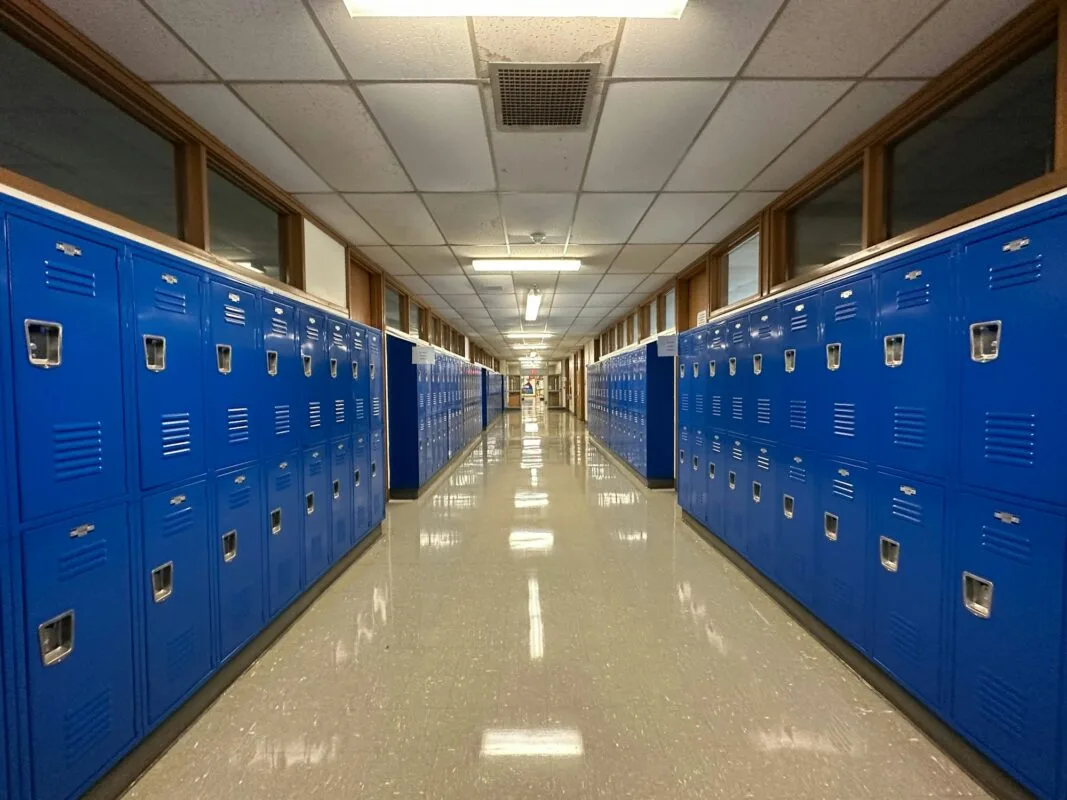
Metal Furniture Basics
How Office & Metal Furniture Are Made
Metal furniture is made mainly from 0.6–1.5 mm cold-rolled steel. Blanks are punched or laser cut with slots and perforations, corner-notched, bent into doors, drawers and shelves on panel benders and press brakes, while chair and desk frames are formed on tube benders; parts are then welded, cleaned and powder-coated.
Furniture is a volume business with thin sheet and many identical parts, so throughput per operator is the key metric — automatic panel bending, punching with forming tools and CNC tube bending deliver it.
Typowe części i materiały
- Locker & cabinet doorsHemmed edges, vents, lock cut-outsCold-rolled steel 0.6–1.0 mm
- Drawers & filing cabinetsBox parts with four-sided flangesCold-rolled steel 0.6–1.0 mm
- Desk & table framesBent profiles and tube framesSteel tube / sheet 1.2–2.0 mm
- Shelving & racksSlotted uprights and shelvesCold-rolled / galvanized steel 0.8–2.0 mm
- Chairs & seatingBent tubes and stamped bracketsSteel tube 1.0–2.0 mm
Proces produkcyjny
Od płaskiego arkusza do gotowej części
Wybierz etap, aby zobaczyć, co się dzieje i które maszyny HARSLE wykonają pracę.
Krok 1Meble biurowe i metalowe
Cięcie i wycinanie
Wykrawanie CNC tworzy szczeliny, perforacje i otwory wentylacyjne; lasery tną skomplikowane części; nożyce i wycinaki przygotowują półfabrykaty i narożniki.
Maszyna do dziurkowania
94 models in the HARSLE range.
Maszyna do cięcia laserowego
60 modeli w ofercie HARSLE.
Maszyna do strzyżenia
43 modele w ofercie HARSLE.
Maszyna do nacinania
15 modeli w ofercie HARSLE.
Krok 2Meble biurowe i metalowe
Gięcie i formowanie
Giętarki do paneli automatycznie zaginają drzwi, szuflady i półki; prasy krawędziowe formują profile; giętarki do rur kształtują ramy krzeseł i biurek.
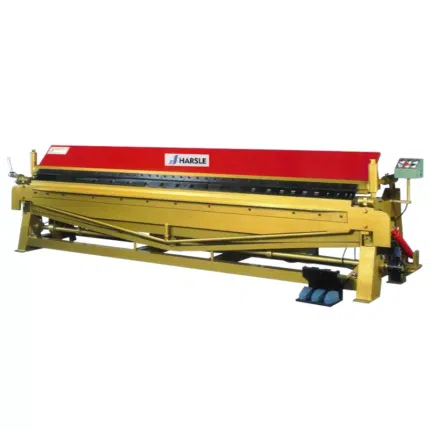
Giętarka panelowa
26 modeli w ofercie HARSLE.
Prasa krawędziowa
200 modeli w ofercie HARSLE.
Giętarka do rur
28 models in the HARSLE range.
Maszyna do walcowania
51 modeli w ofercie HARSLE.
Krok 3Meble biurowe i metalowe
Spawanie i wykańczanie
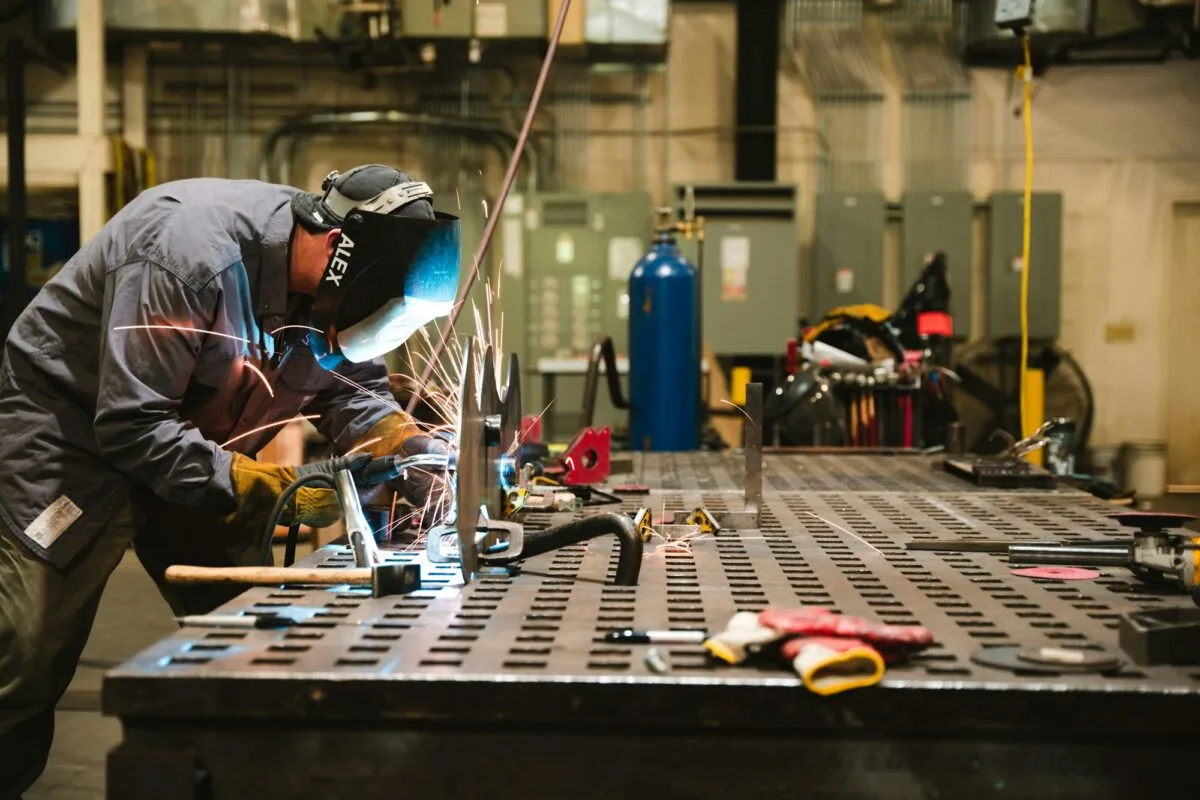
Spawanie laserowe łączy ramy i narożniki czysto; fazowanie przygotowuje części do malowania proszkowego.
Maszyna do spawania laserowego
21 modeli w ofercie HARSLE.
Maszyna do gratowania
30 modeli w ofercie HARSLE.
Krok 4Meble biurowe i metalowe
Automatyzacja i narzędzia
Panelowe odwracacze, linie produkcyjne i narzędzia utrzymują linie o dużej wydajności w ruchu przy mniejszej liczbie operatorów.
Panel Flipper
9 modeli w ofercie HARSLE.
Linia produkcyjna
2 modele w ofercie HARSLE.
Obróbka
22 modele w ofercie HARSLE.
Polecane maszyny
Machines for Office & Metal Furniture
Live from the HARSLE product range — models suited to metal furniture are listed first.
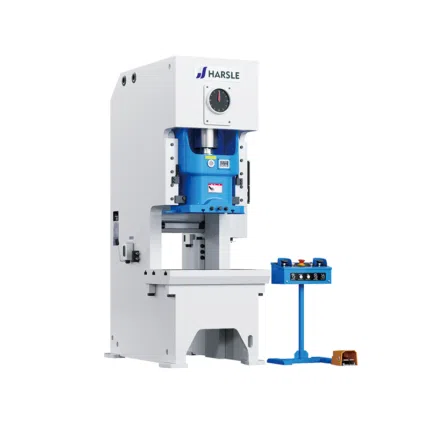
 Maszyna dziurkująca do produkcji szaf elektrycznychMaszyna dziurkująca do produkcji szaf elektrycznych została zaprojektowana z myślą o szybkiej, dokładnej i wydajnej obróbce blachy.…Zobacz szczegóły
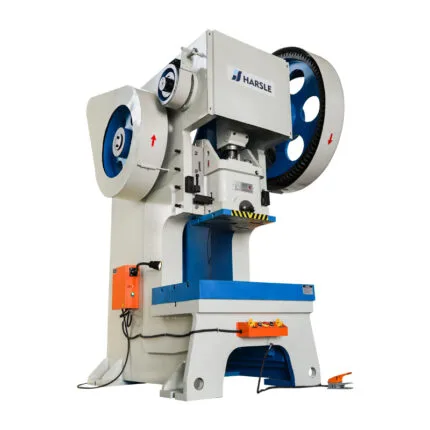
- Maszyna dziurkująca o dużej wydajności do ciężkich pracWykrawarka HARSLE o dużej wydajności została zaprojektowana do obróbki metali na dużą skalę i ciężkich zastosowań przemysłowych. Dzięki mocnemu wykrawaniu…Zobacz szczegóły
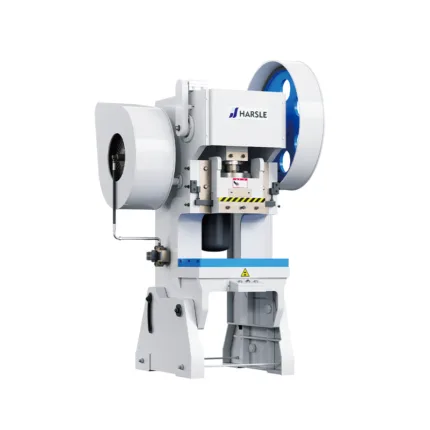
- Dostawca profesjonalnych maszyn do dziurkowania z ChinHARSLE to niezawodny dostawca maszyn do wykrawania z Chin, oferujący wysokowydajne prasy dziurkujące CNC i rozwiązania do wykrawania metalu…Zobacz szczegóły
- Maszyna dziurkująca z automatycznym systemem podawaniaWykrawarka z automatycznym systemem podawania została zaprojektowana z myślą o wydajnej i precyzyjnej obróbce blach. Integruje…Zobacz szczegóły
- Maszyna dziurkująca do rozwiązań w zakresie produkcji artykułów kuchennychMaszyna dziurkująca do produkcji artykułów kuchennych przeznaczona jest do wydajnego i precyzyjnego formowania metalu w zlewozmywakach, naczyniach kuchennych, szafkach,…Zobacz szczegóły
- Wysokoprecyzyjna maszyna do dziurkowania obudów metalowychMaszyna do dziurkowania obudów metalowych HARSLE została zaprojektowana do wydajnej i dokładnej obróbki blachy w szafach elektrycznych,…Zobacz szczegóły
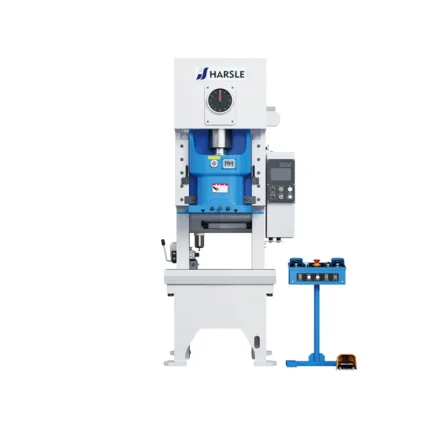
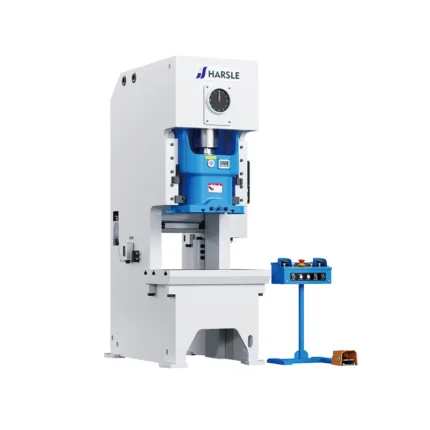
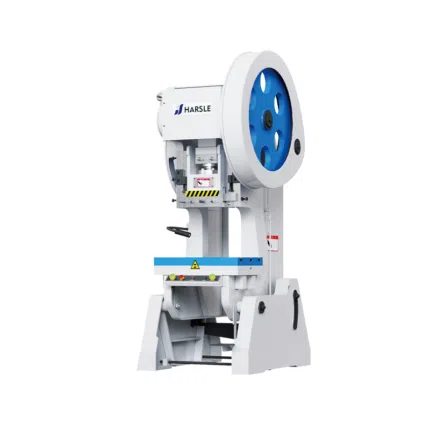
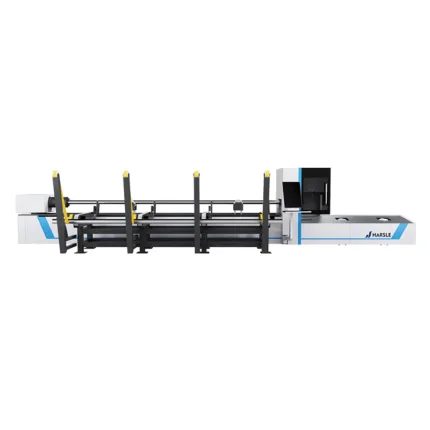
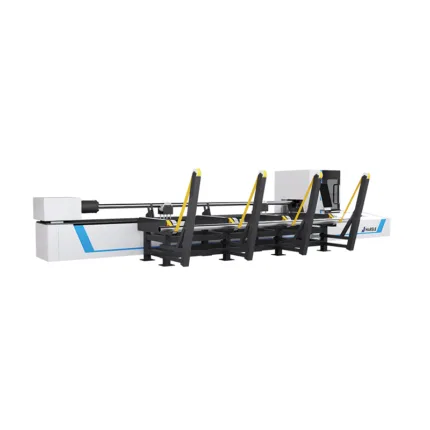
- Maszyna do cięcia rur laserem o mocy 3 kW do rur metalowychMaszyna do cięcia rur laserem o mocy 3 kW przeznaczona jest do szybkiego i precyzyjnego cięcia rur i przewodów metalowych.Zobacz szczegóły
- Fiber Laser Tube Cutting Machine for Steel TubesThe HARSLE fiber laser tube cutting machine delivers high-speed, high-precision cutting for round, square, and special-shaped metal tubes.…Zobacz szczegóły
- Laser Pipe Cutting Machine for Precision PipesOur laser pipe cutting machine provides high precision, fast processing, and flexible cutting capabilities for various pipe and…Zobacz szczegóły
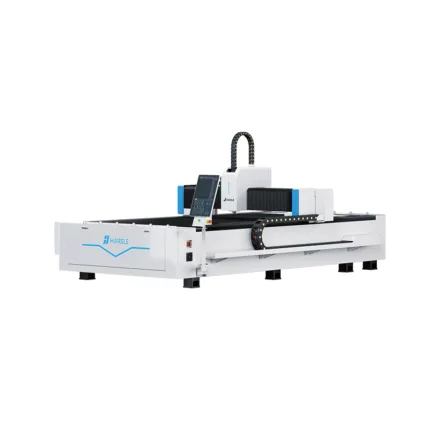
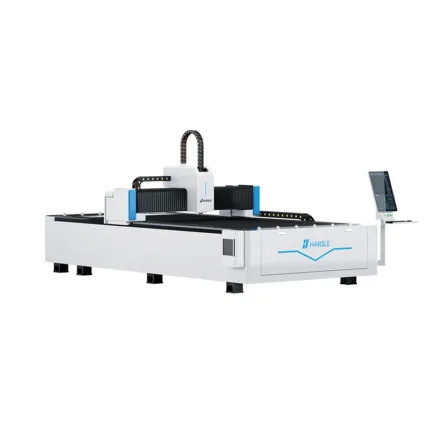
- Wysokoprecyzyjna maszyna do cięcia laserowego o mocy 20 kW dla przemysłuMaszyna do cięcia laserowego o mocy 20 kW umożliwia precyzyjne cięcie różnych metali, w tym stali, aluminium i stali nierdzewnej.…Zobacz szczegóły
- Maszyna do cięcia laserowego 4 kW do obróbki metaluWycinarka laserowa o mocy 4 kW została zaprojektowana do szybkiej i precyzyjnej obróbki metali. Wyposażona w zaawansowaną technologię lasera światłowodowego…Zobacz szczegóły
- Wysokoprecyzyjna maszyna do cięcia laserowego cienkich arkuszyTa maszyna do cięcia laserowego cienkich blach umożliwia precyzyjne, szybkie i czyste cięcie szerokiej gamy metali…Zobacz szczegóły
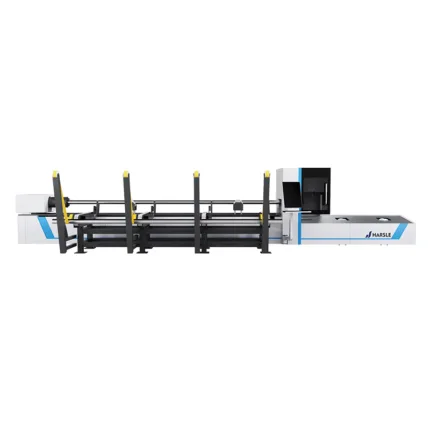
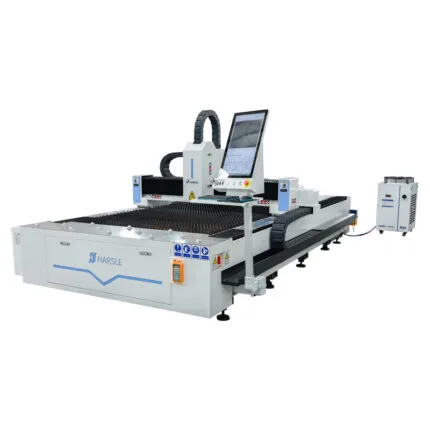
- Gilotyna do nożyc PrimeShear 1232 DAC360TPrimeShear 1232 DAC360T to wydajna gilotynowa maszyna tnąca CNC przeznaczona do precyzyjnego i wydajnego cięcia blach.…Zobacz szczegóły
- Nożyce gilotynowe PrimeShear 1260 o wysokiej precyzjiNożyce gilotynowe PrimeShear 1260 zostały zaprojektowane z myślą o precyzyjnym i wydajnym cięciu blach. Stworzone do zastosowań przemysłowych…Zobacz szczegóły
- HARSLE PrimeShear 1240 ze sterowaniem DAC360PrimeShear 1240 z systemem DAC360 firmy HARSLE to wydajna gilotyna przeznaczona do precyzyjnego cięcia metalu…Zobacz szczegóły
- Hydrauliczna maszyna do cięcia PrimeShear 0632 z systemem zapobiegającym skręcaniuPrimeShear 0632 to wysokowydajna hydrauliczna gilotyna przeznaczona do precyzyjnego i stabilnego cięcia blach. Wyposażona…Zobacz szczegóły
- Wysokoprecyzyjna maszyna do cięcia dla przemysłu motoryzacyjnegoNożyce tnące dla przemysłu samochodowego przeznaczone są do precyzyjnego cięcia blach stalowych, aluminiowych i stopowych…Zobacz szczegóły
- Nożyce do grubych blach do ciężkiego cięcia metaluGilotyna do grubych blach jest przeznaczona do cięcia blach o dużej wytrzymałości i dużej grubości w zastosowaniach przemysłowych.Zobacz szczegóły
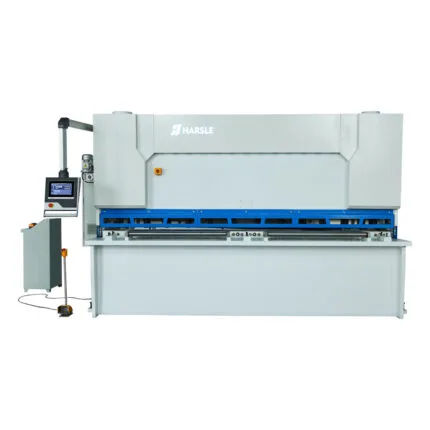
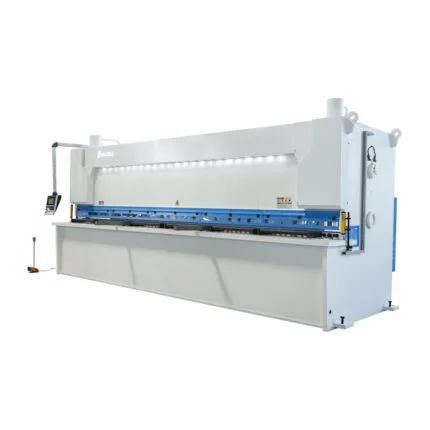
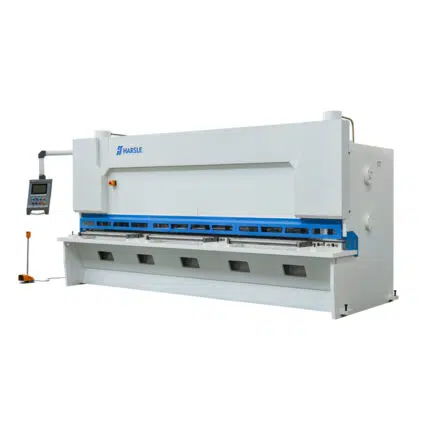
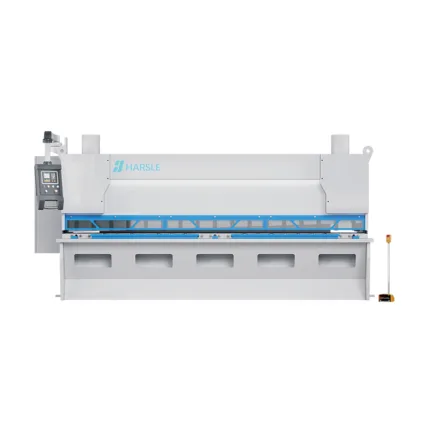
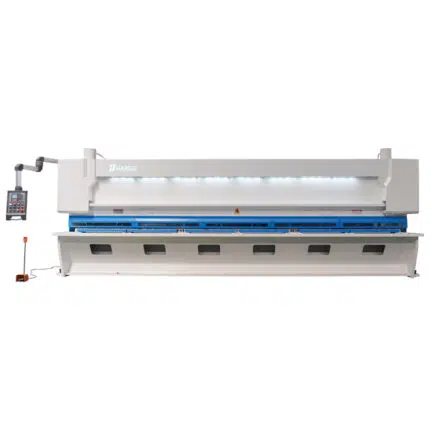
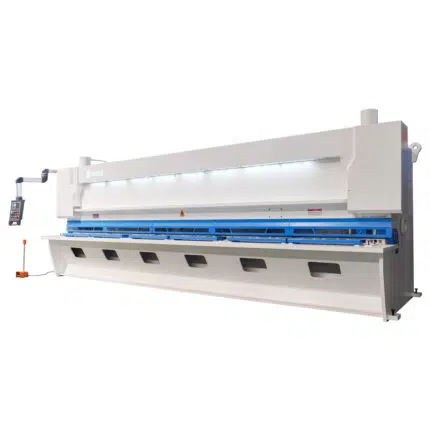
- Maszyna do cięcia blach dekoracyjnych w kształcie litery VMaszyna do cięcia rowków w kształcie litery V jest przeznaczona do precyzyjnego rowkowania i przycinania stali nierdzewnej, aluminium i innych…Zobacz szczegóły
- Wysokowydajna maszyna do wycinania otworów do cięcia rurMaszyna HARSLE do wycinania kształtów rur umożliwia precyzyjne, wydajne i jednolite wycinanie kształtów rur okrągłych, kwadratowych i prostokątnych.…Zobacz szczegóły
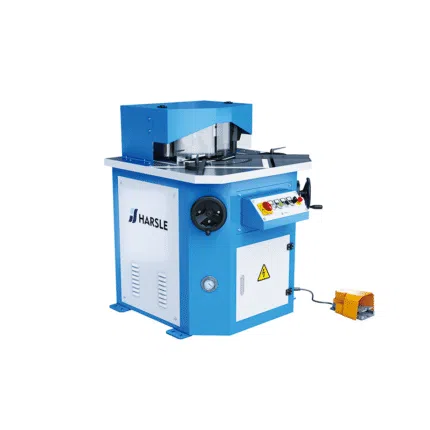
- Stały przecinak kątowy do precyzyjnego cięcia metaluStała przecinarka kątowa do metalu przeznaczona jest do precyzyjnego i wydajnego cięcia różnych metali przy stałych…Zobacz szczegóły
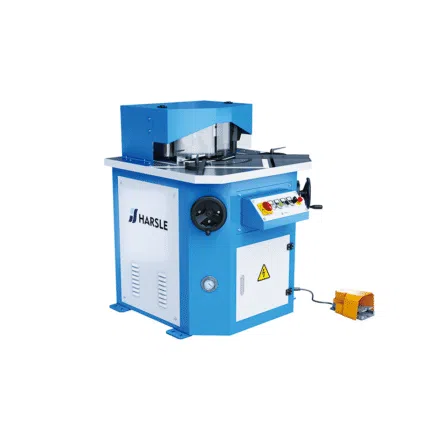
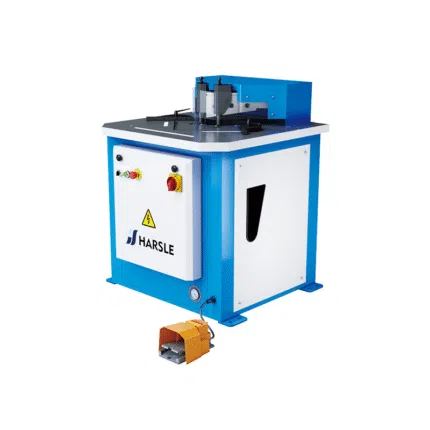
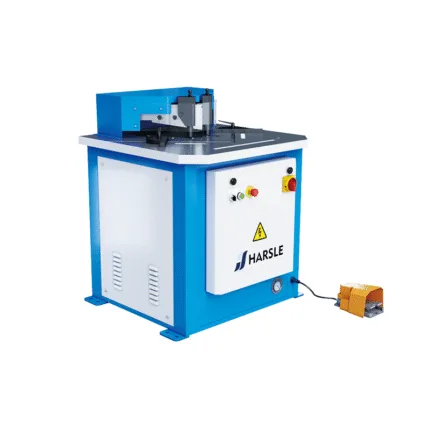
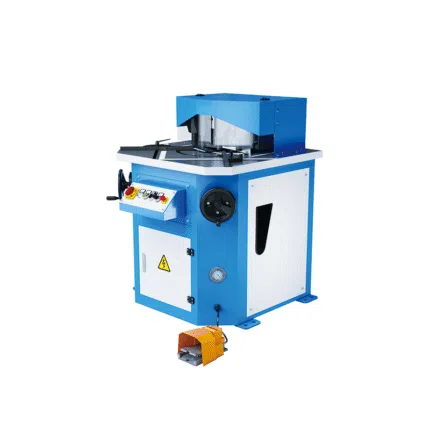
- Maszyna do wycinania kątów stałych do precyzyjnego cięciaMaszyna do wycinania kątów stałych przeznaczona jest do precyzyjnego cięcia i wycinania nacięć w blachach pod stałymi kątami.Zobacz szczegóły
- Maszyna do wycinania nacięć aluminiowych o regulowanym kącieMaszyna do wycinania narożników HARSLE Aluminium Notching Machine została zaprojektowana do precyzyjnego i wydajnego wycinania narożników blach i profili aluminiowych. Dzięki…Zobacz szczegóły
- Najwyższej klasy maszyny do obróbki blachySprzęt do obróbki metalu firmy HARSLE Top Notching Machine Works zapewnia wysoką precyzję, niezawodność i wydajność w przypadku wszystkich zadań związanych z obróbką metalu…Zobacz szczegóły
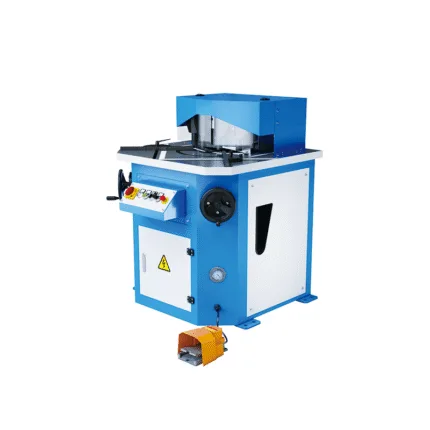
- Robotyczna inteligentna komórka gnąca do produkcji szafekTa inteligentna robotyczna komórka gnąca do produkcji szafek to zaawansowane, zautomatyzowane rozwiązanie do gięcia zaprojektowane z myślą o wysokiej precyzji i wydajności…Zobacz szczegóły
- Giętarka panelowa do produkcji regałów logistycznychThe Panel Bender for Logistics Racks is engineered for high-precision bending of large sheet panels used in warehouse…Zobacz szczegóły
- Giętarka panelowa do rozwiązań dla przemysłu meblarskiegoGiętarka do paneli dla przemysłu meblarskiego firmy HARSLE umożliwia precyzyjne i wydajne gięcie paneli metalowych stosowanych w…Zobacz szczegóły
- AutoBend 2000 Pro Heavy Duty Panel BenderHARSLE AutoBend 2000 Pro to wytrzymała automatyczna giętarka do blach przeznaczona do wysokowydajnej obróbki blach. Wyposażona w…Zobacz szczegóły
- Giętarka panelowa do produkcji obudów elektrycznychGiętarka panelowa HARSLE do obudów elektrycznych zapewnia precyzję i wydajność w produkcji szaf. Zaprojektowana do blachy…Zobacz szczegóły
- Giętarka panelowa do produkcji wyposażenia kuchennegoGiętarka do paneli kuchennych firmy HARSLE zapewnia precyzję, automatyzację i powtarzalność w produkcji paneli ze stali nierdzewnej…Zobacz szczegóły
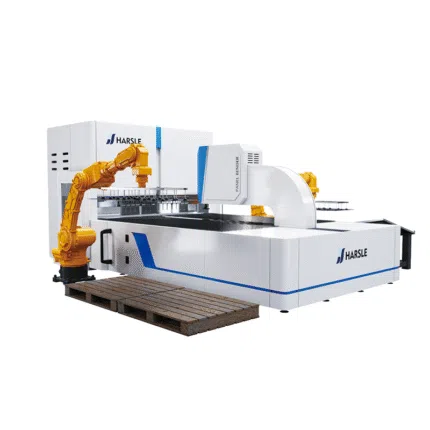
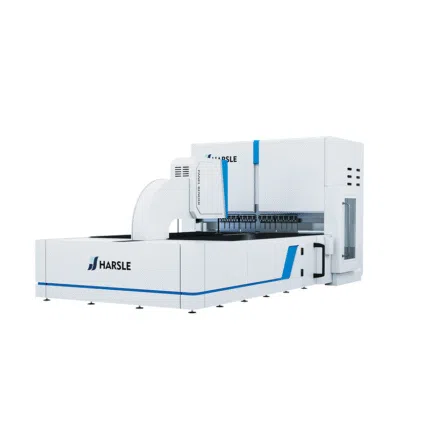
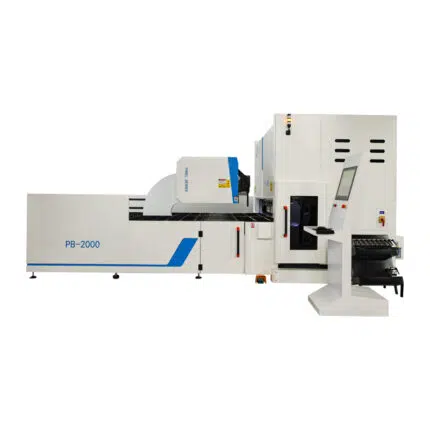
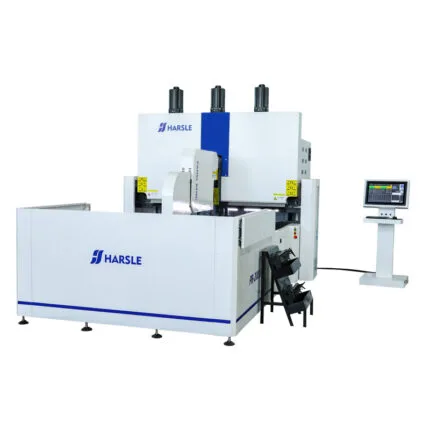
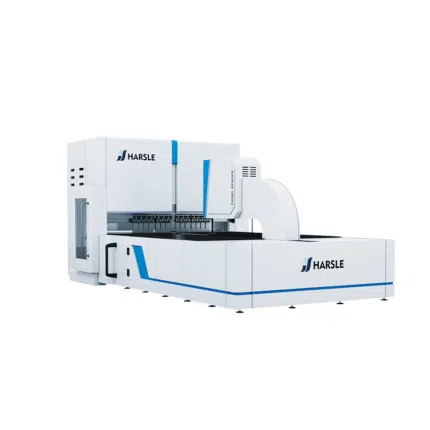
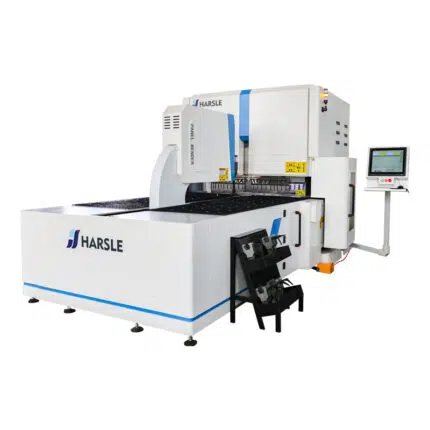
- Wysoka dokładność MasterBend 20032 z inteligentnym ramieniem robotaMasterBend 20032 z inteligentnym ramieniem robota to zaawansowana, zautomatyzowana prasa krawędziowa CNC przeznaczona do precyzyjnego cięcia blach…Zobacz szczegóły
- Prasa krawędziowa w rozwiązaniach obróbki blachA Press Brake in Sheet Metal fabrication is essential for achieving high precision bends and consistent product quality…Zobacz szczegóły
- Wysokoprecyzyjna giętarka CNC do metalu dla warsztatówTa giętarka CNC do metalu zapewnia wysoką precyzję, stabilność i wydajność w nowoczesnej obróbce metali. Zaprojektowana…Zobacz szczegóły
- Wysokoprecyzyjna giętarka do metalu do produkcji blachThis metal bending machine is engineered for high-precision sheet metal fabrication across diverse industries, including automotive, HVAC, furniture,…Zobacz szczegóły
- Wysoka precyzja MasterBend 17040 Nowa prasa krawędziowa CNCNowa prasa krawędziowa CNC HARSLE MasterBend 17040 została zaprojektowana z myślą o precyzyjnym gięciu blach i wydajnej obróbce przemysłowej…Zobacz szczegóły
- Prasa krawędziowa CNC MasterBend 40032 DA69S 8+1 osiPrasa krawędziowa CNC MasterBend 40032 DA69S 8+1 osi to wydajna hydrauliczna maszyna do gięcia zaprojektowana z myślą o precyzji,…Zobacz szczegóły
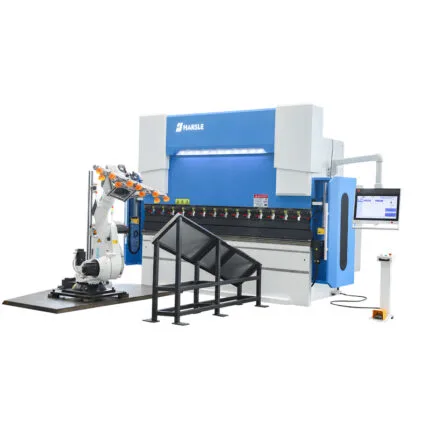
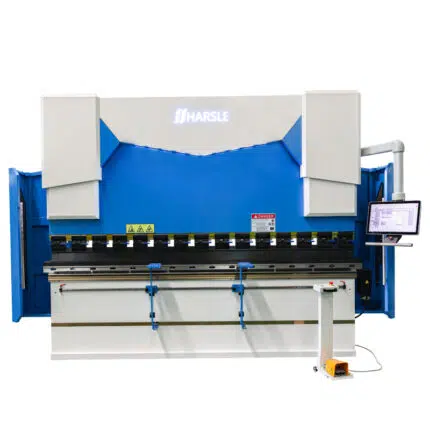
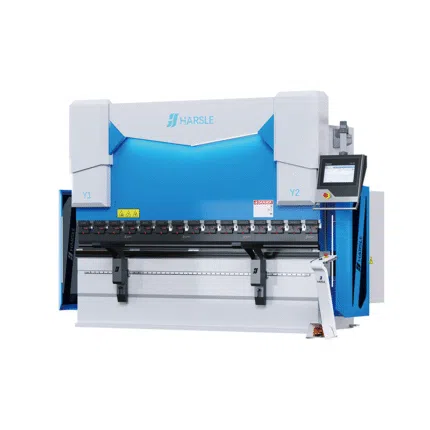
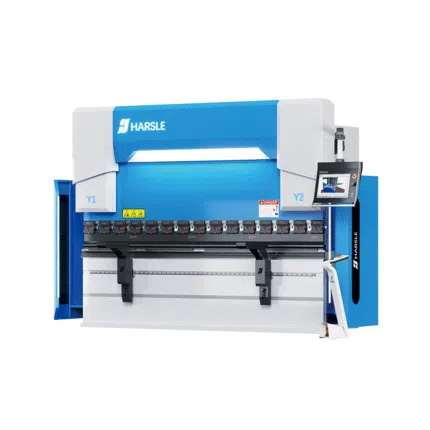
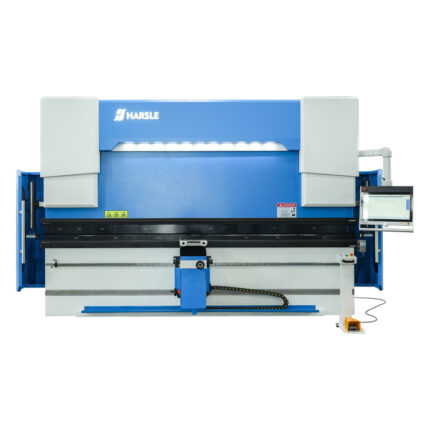
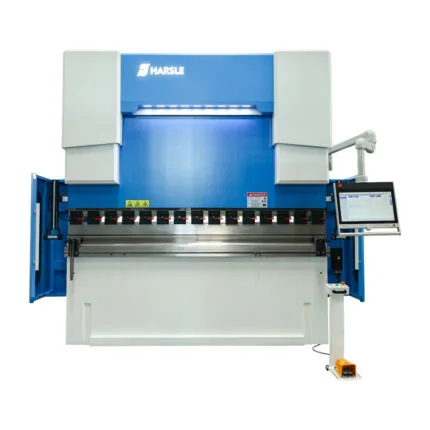
- Giętarka do rur do produkcji mebliThe Tube Bending Machine for Furniture is designed for precision bending of metal tubes used in chairs, tables,…Zobacz szczegóły
- ProCurve 50 Professional CNC Tube BenderThe HARSLE ProCurve 50 Tube Bending Machine is designed for accurate, efficient, and reliable metal tube processing. Featuring…Zobacz szczegóły
- Zaawansowane rozwiązanie do gięcia rur CNC w 3 osiachThe 3 Axis CNC Tube Bending Machine is designed for precise and efficient tube forming in various industries.…Zobacz szczegóły
- Sprzedam precyzyjną giętarkę do rurThe high precision tube bending machine is designed for accurate and efficient tube forming in various industries. It…Zobacz szczegóły
- Giętarka do rur okrągłych do precyzyjnego formowaniaThe round tube bending machine is designed for accurate and efficient tube forming in various industries. It provides…Zobacz szczegóły
- Rectangular Tube Bending Machine with NC ControlThe rectangular tube bending machine is an NC-controlled solution designed for accurate and efficient bending of rectangular and…Zobacz szczegóły
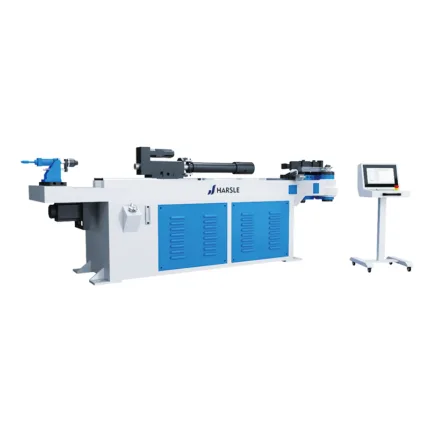
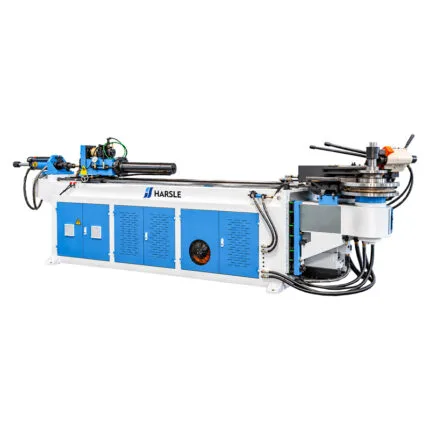
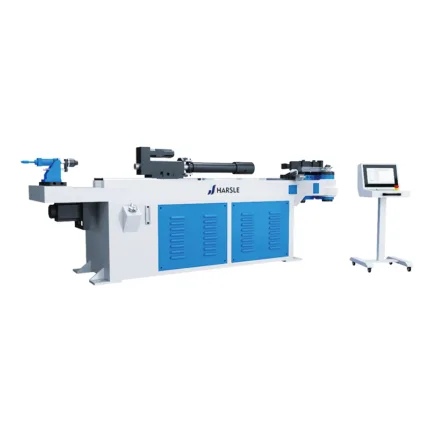
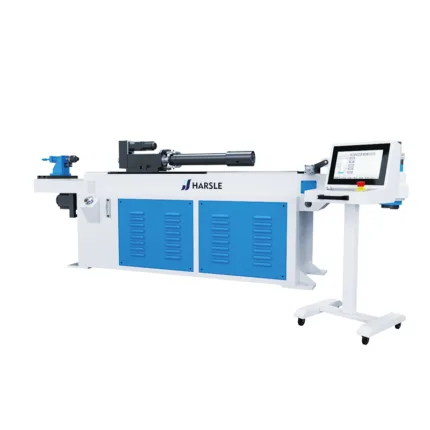
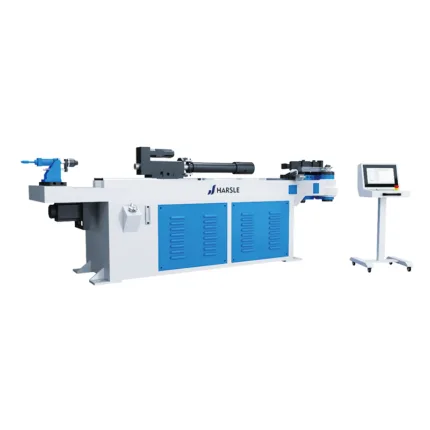
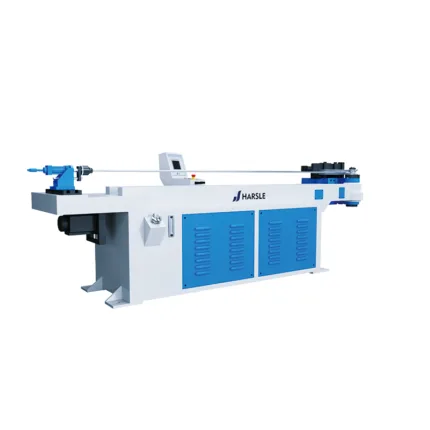
- Maszyna CNC do gięcia profili aluminiowych o wysokiej dokładnościThe CNC aluminum profile bending machine is designed for precise and repeatable bending of aluminum profiles with complex…Zobacz szczegóły
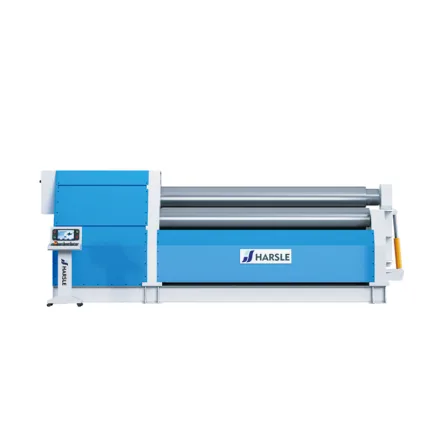
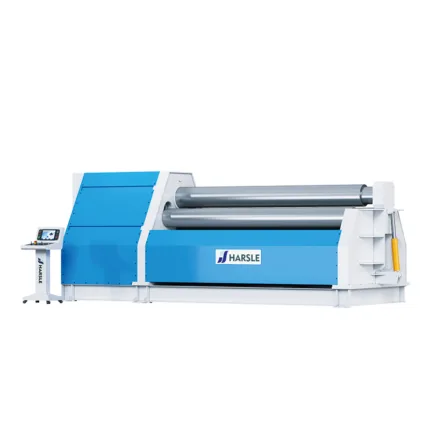
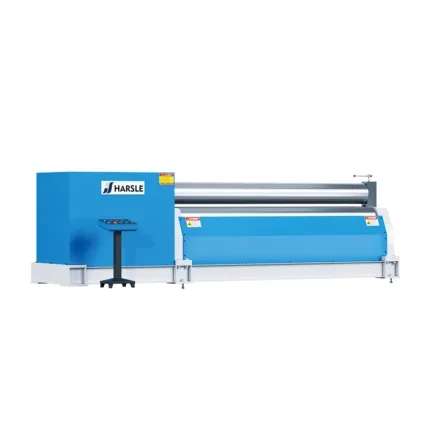
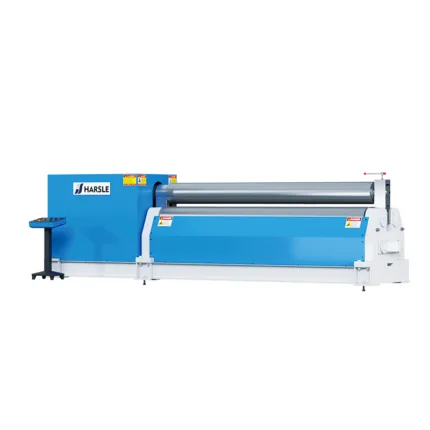
- Sprzedam walcarkę CNC do blachy do obróbki metaluSzukasz niezawodnej walcarki CNC na sprzedaż? HARSLE oferuje przemysłowe rozwiązania w zakresie walcowania blach, zaprojektowane dla…Zobacz szczegóły
- Przystępna cena 4-rolkowej maszyny do walcowania blachZapoznaj się z konkurencyjnymi cenami 4-walcowych zwijarek do blach firmy HARSLE, zaufanego producenta przemysłowych urządzeń do obróbki metalu…Zobacz szczegóły
- Wytrzymała walcownia blach do zastosowań przemysłowychWytrzymała walcarka do blach firmy HARSLE została zaprojektowana do wydajnego i precyzyjnego gięcia grubych blach…Zobacz szczegóły
- Walcarka do blach aluminiowych do precyzyjnego gięciaWalcarka do blach aluminiowych firmy HARSLE przeznaczona jest do precyzyjnego i wydajnego gięcia blach aluminiowych i…Zobacz szczegóły
- Walcarka do blachy do precyzyjnego formowaniaWalcarka do blach HARSLE zapewnia precyzyjne, wydajne i niezawodne formowanie metali w różnych zastosowaniach przemysłowych. Zaprojektowana…Zobacz szczegóły
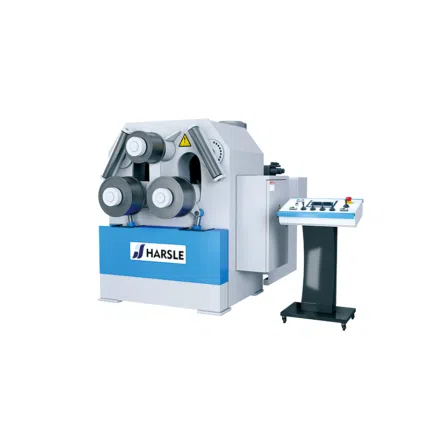
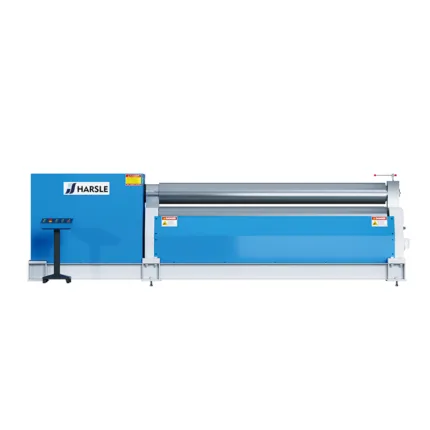
- Najwięksi chińscy producenci urządzeń do spawania laserowego dla przemysłuHARSLE to jeden z wiodących chińskich producentów urządzeń do spawania laserowego, oferujący wysokiej jakości i ekonomiczne rozwiązania dla przemysłu…Zobacz szczegóły
- 3 w 1 spawarka laserowa światłowodowa do prac precyzyjnychSpawarka laserowa światłowodowa 3 w 1 łączy funkcje spawania, cięcia i czyszczenia w jednym urządzeniu.…Zobacz szczegóły
- Wysokowydajna spawarka laserowa o mocy 2 kW na sprzedażOdkryj spawarkę laserową HARSLE o mocy 2 kW, idealną do precyzyjnego i szybkiego łączenia metali. To wydajne rozwiązanie oferuje głębokie wtopienie,…Zobacz szczegóły
- Najlepsi producenci spawarek laserowych o mocy 1500 WOdkryj czołowych producentów spawarek laserowych o mocy 1500 W, oferujących precyzję, wydajność i trwałość. Idealne do obróbki metali, motoryzacji i…Zobacz szczegóły
- Niezawodni dostawcy spawarek laserowych o mocy 3000 WHARSLE to jeden z wiodących dostawców urządzeń do spawania laserowego o mocy 3000 W, oferujący wysokowydajny sprzęt do precyzyjnej i wydajnej…Zobacz szczegóły
- Wielofunkcyjna ręczna spawarka laserowa 5 w 1Ręczna spawarka laserowa 5 w 1 oferuje funkcje spawania, cięcia, czyszczenia, polerowania i spawania liniowego…Zobacz szczegóły
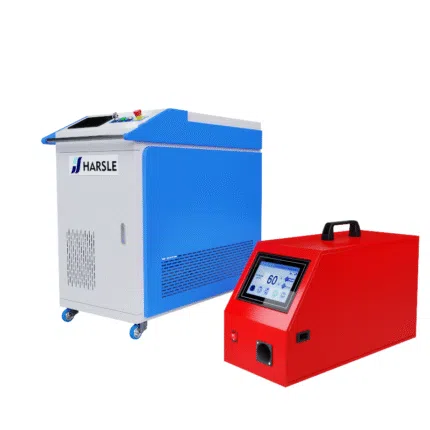
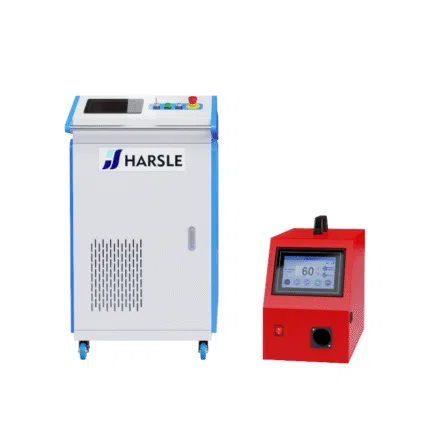
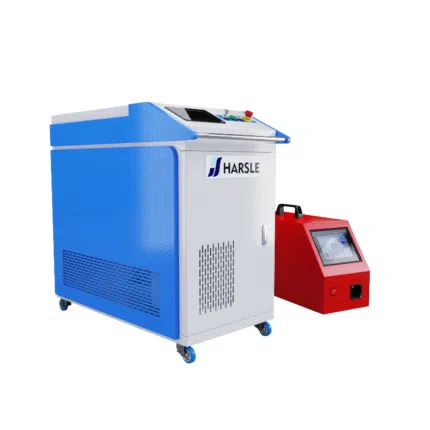
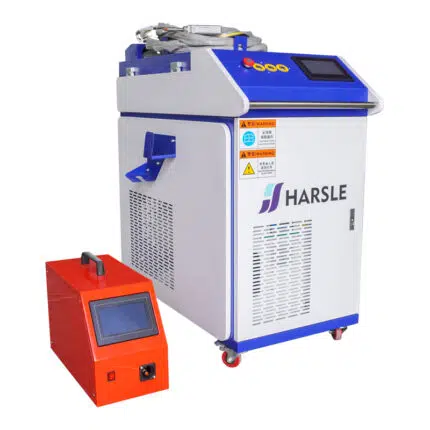
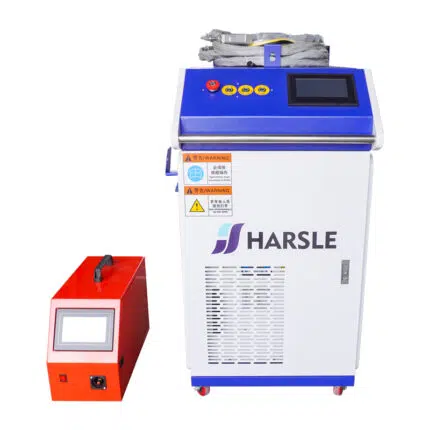
- Maszyna do gratowania aluminium do części ciętych laserowoMaszyna do gratowania aluminium firmy HARSLE została zaprojektowana do wydajnego wykańczania krawędzi, usuwania zadziorów i wygładzania powierzchni…Zobacz szczegóły
- DualPolish 800 do wykańczania krawędzi elementów ciętych laserowoDualPolish 800 to wszechstronna maszyna do gratowania i fazowania, zaprojektowana specjalnie do części ciętych laserowo. Dzięki swojej precyzji…Zobacz szczegóły
- Magnetyczna maszyna do gratowania i polerowania części ciętych laserowoMagnetyczna maszyna do gratowania i polerowania została zaprojektowana specjalnie do wykańczania elementów z blachy po cięciu laserowym. Wydajnie…Zobacz szczegóły
- Płaskie maszyny do gratowania metalu do obróbki blachPłaskie maszyny do gratowania metalu są przeznaczone do usuwania ostrych krawędzi, zadziorów i żużlu z części blaszanych po…Zobacz szczegóły
- Maszyna do gratowania kółek do wykańczania krawędzi metaluMaszyna do gratowania kółkiem została zaprojektowana w celu skutecznego usuwania zadziorów, ostrych krawędzi i niedoskonałości powierzchni z części metalowych…Zobacz szczegóły
- Maszyna do gratowania i wykańczania części metalowychMaszyna do gratowania i wykańczania przeznaczona jest do usuwania ostrych krawędzi, zadziorów i żużla z części metalowych po…Zobacz szczegóły
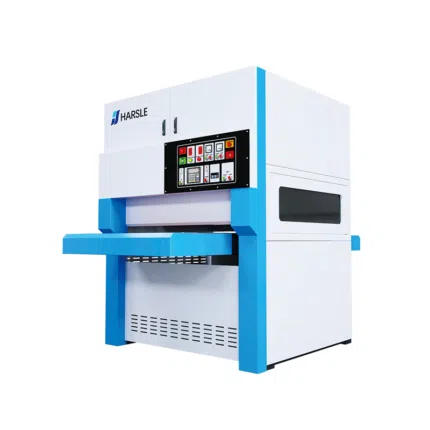
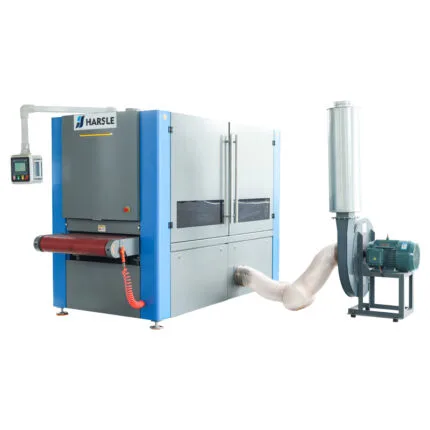
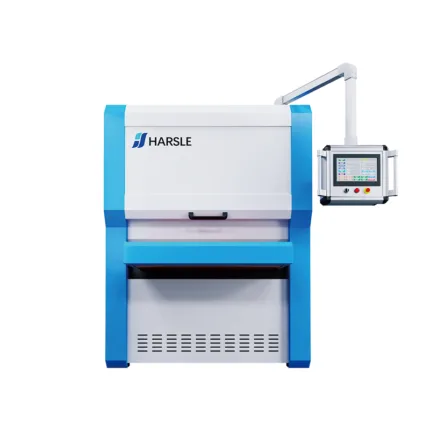
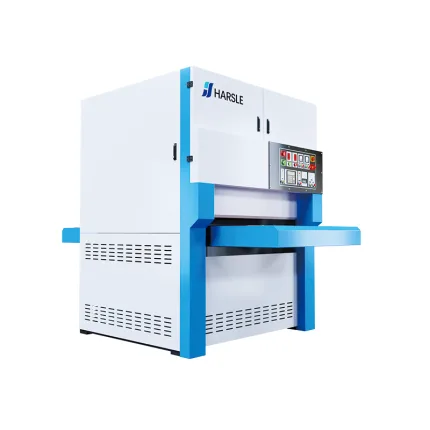
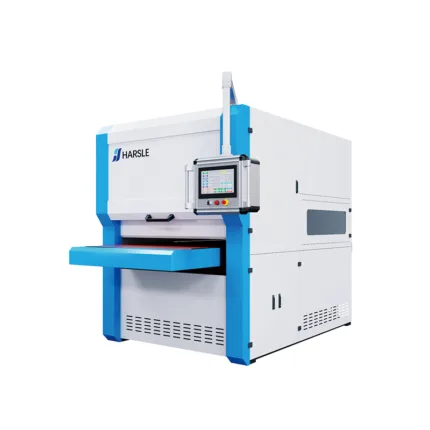
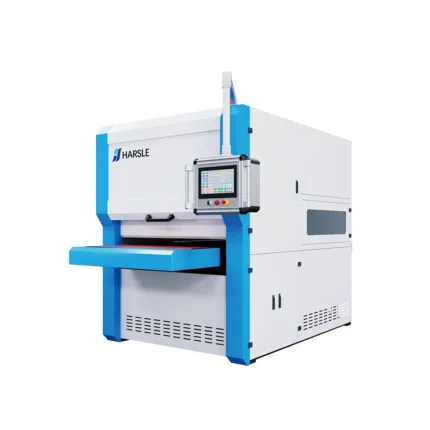
- Panel Flipper linii produkcyjnej do obsługi arkuszyPanel Flipper linii produkcyjnej został zaprojektowany w celu zwiększenia wydajności i bezpieczeństwa w procesach obsługi blach.…Zobacz szczegóły
- Precyzyjny panel Flipper do obsługi blachyPrecision Panel Flipper został zaprojektowany w celu zwiększenia wydajności i bezpieczeństwa operacji związanych z obsługą blach. Umożliwia…Zobacz szczegóły
- Operator paneli produkcyjnych do automatyzacji obróbki metaliSystem obsługi paneli produkcyjnych został zaprojektowany w celu zwiększenia wydajności i bezpieczeństwa procesów obróbki blach. Automatyzuje…Zobacz szczegóły
- Inteligentne rozwiązanie do obsługi paneli w automatyzacji obróbki blachRozwiązanie Smart Panel Handling Solution zostało opracowane w celu zwiększenia wydajności i bezpieczeństwa nowoczesnych linii produkcyjnych blach.Zobacz szczegóły
- Przemysłowy system odwracania paneli do obróbki metaluSystem do odwracania paneli przemysłowych został zaprojektowany z myślą o wydajnym i bezpiecznym przemieszczaniu dużych paneli blaszanych w…Zobacz szczegóły
- CNC Panel Flipper do obróbki blachyCNC Panel Flipper to zaawansowane rozwiązanie do obsługi blach, zaprojektowane z myślą o bezpiecznym, precyzyjnym i wydajnym obracaniu paneli…Zobacz szczegóły
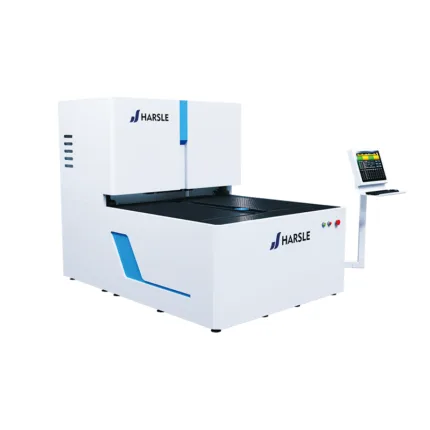
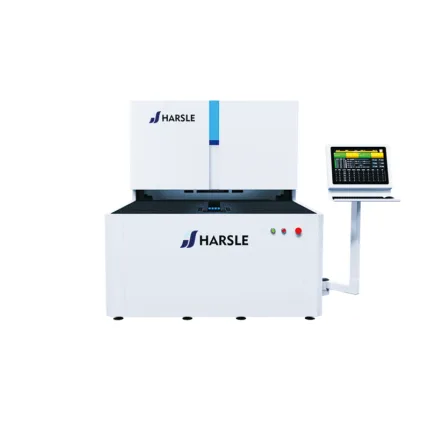
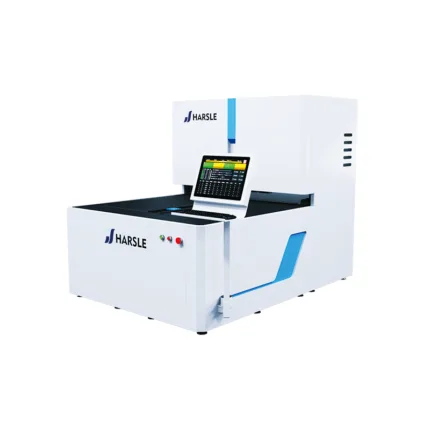
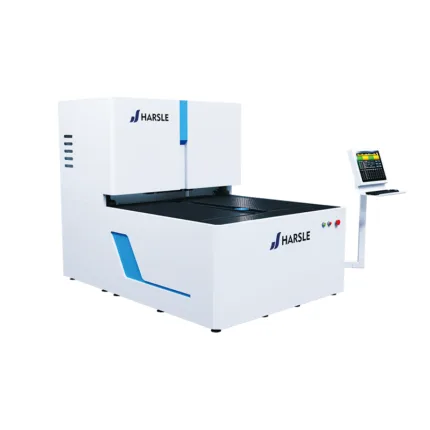
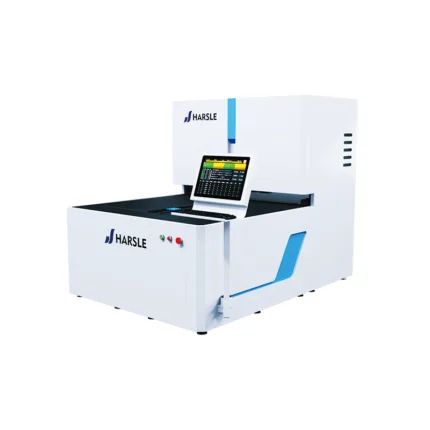
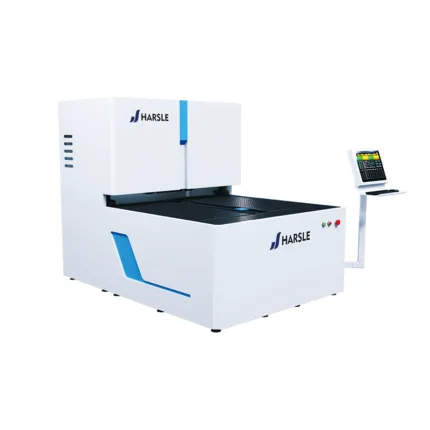
- Wielowarstwowa maszyna do prasowania na gorąco do zastosowań przemysłowychMaszyna HARSLE do prasowania na gorąco wielowarstwowego jest przeznaczona do wydajnego i stabilnego prasowania na gorąco drewna…Zobacz szczegóły
- Stanowisko spawalniczo-tnące 2 w 1 do produkcji słupów ulicznychStanowisko spawalniczo-tnące 2 w 1 to kompaktowe i wydajne rozwiązanie przeznaczone do nowoczesnych warsztatów obróbki metali.Zobacz szczegóły
- Automatyczna spawarka słupów do produkcji słupów ulicznychAutomatyczna spawarka do słupów przeznaczona jest do wydajnego i precyzyjnego spawania wzdłużnego stalowych słupów oświetleniowych i…Zobacz szczegóły
- Tandemowy system prasy krawędziowej do arkuszy słupów ulicznych o bardzo długich krawędziachTandemowy system prasy krawędziowej przeznaczony jest do precyzyjnego gięcia bardzo długich i ponadgabarytowych arkuszy blachy poprzez synchronizację…Zobacz szczegóły
- Y32-2500 tonowa maszyna do tłoczenia drzwi stalowych o pojedynczym działaniuMaszyna do tłoczenia drzwi stalowych Y32-2500 ton z pojedynczym mechanizmem tłoczenia zapewnia wysoką wydajność tłoczenia drzwi stalowych. Dzięki solidnej…Zobacz szczegóły
- Hydrauliczna maszyna do składania arkuszy do patelni i pudełHydrauliczna maszyna do gięcia blach przeznaczona jest do precyzyjnego i wydajnego gięcia różnego rodzaju blach, idealna do…Zobacz szczegóły
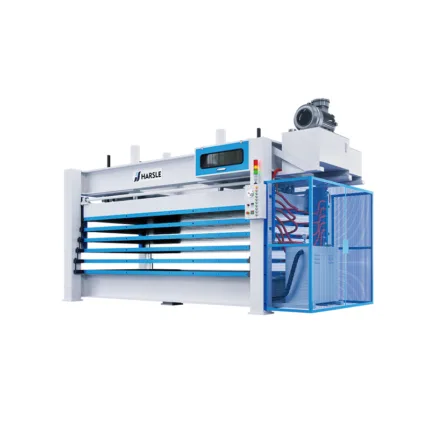
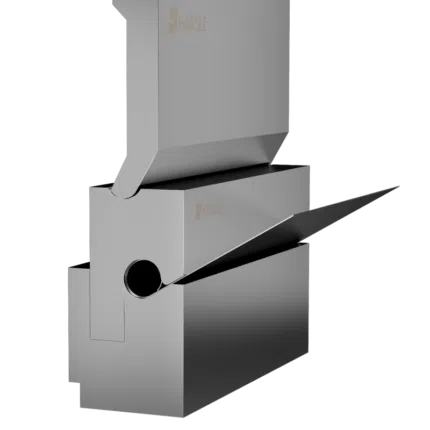
- Zestaw stempli i matryc do zawiasów do pras krawędziowychEnhance your projects with our Hinge Punch and Die set, designed for precision and durability. Ideal for carpenters,…Zobacz szczegóły
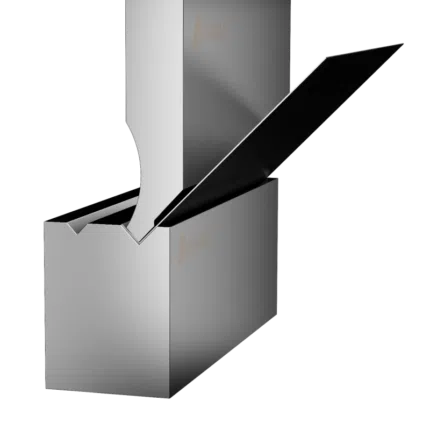
- Manualna regulowana matryca do prasy krawędziowejManualna regulowana matryca to precyzyjne narzędzie do pras krawędziowych, zaprojektowane w celu zwiększenia dokładności gięcia i konfiguracji…Zobacz szczegóły
- System szybkiej wymiany stempli o stałej belce do pras krawędziowychSystem szybkiej wymiany stempli Fixed-Beam Punch został zaprojektowany tak, aby znacząco skrócić czas ustawiania narzędzi i zwiększyć wydajność gięcia…Zobacz szczegóły
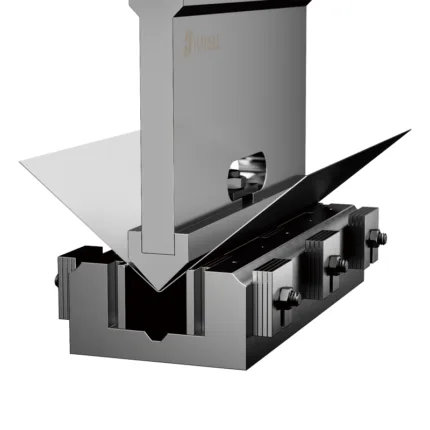
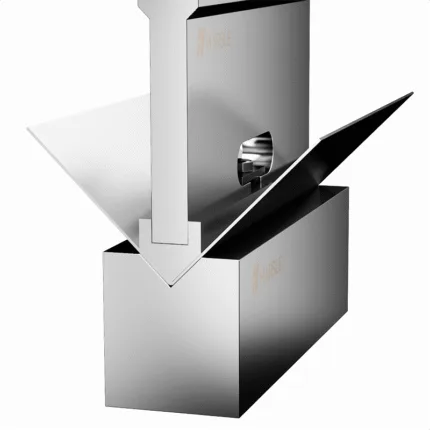
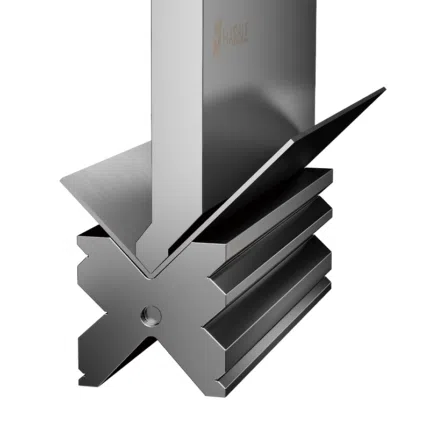
- Uniwersalna matryca do prasy krawędziowej 4V do gięcia blachyMatryca prasy krawędziowej HARSLE 4V przeznaczona jest do wydajnego i precyzyjnego gięcia arkuszy blach przy użyciu prasy CNC…Zobacz szczegóły
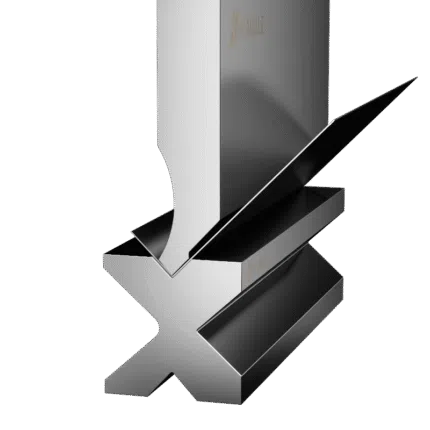
- Matryca Multi-V i stempel standardowy do prasy krawędziowejMatryca Multi-V i stempel standardowy firmy HARSLE zapewniają doskonałą wszechstronność i precyzję w zastosowaniach gięcia metali. Zaprojektowane do pras…Zobacz szczegóły
- Wysokiej jakości standardowe narzędzie do dziurkowania do prac precyzyjnychOdkryj standardowe narzędzie do dziurkowania, zaprojektowane z myślą o precyzji i trwałości w obróbce metali. Zaprojektowane z myślą o precyzyjnych operacjach dziurkowania…Zobacz szczegóły
Wyzwania i rozwiązania
What Matters in Metal Furniture
Thin sheet, high volume
Automatic bending and punching hold tolerances on 0.6–1.0 mm sheet at high stroke rates.
Safe, hemmed edges
Panel benders form hems and closed edges that remove sharp edges from doors and drawers.
Labor cost per part
Automation from punching to bending reduces handling between operations.
Consistent tube frames
CNC tube benders repeat angles so welded frames fit without rework.
Automatyzacja gięcia
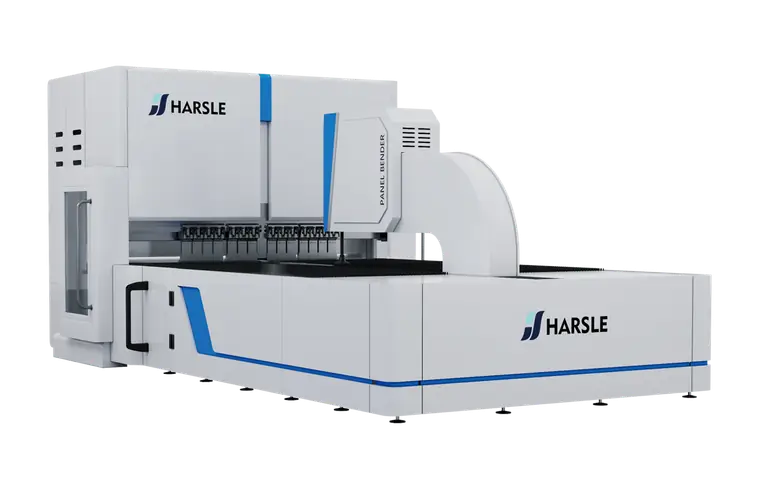
Panel Bender for Metal Furniture
A HARSLE panel bender clamps the sheet flat and forms all four sides in one cycle with universal tooling — ideal for the repeat panels, doors and boxes found in office & metal furniture.
- Długość gięcia 1400–3000 mm (AutoBend)
- Kąt gięcia 0–180°, 0,2 s na każde zgięcie
- Minimalne umiejętności operatora, szybkie zmiany
Globalny zasięg
Wysyłki i historie klientów
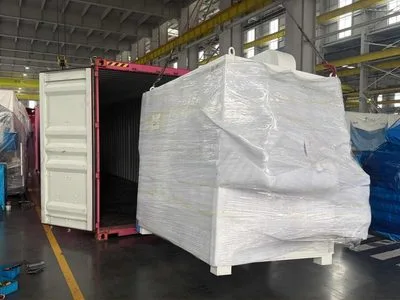
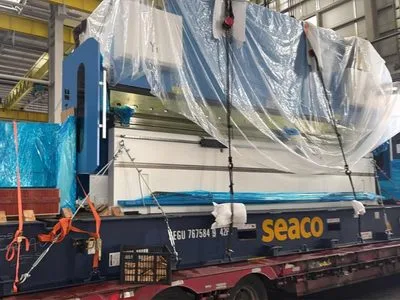
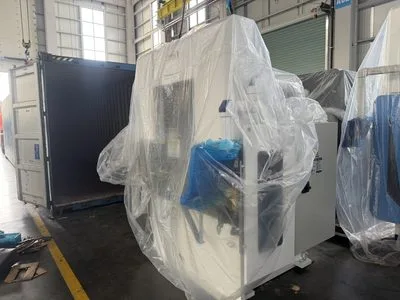
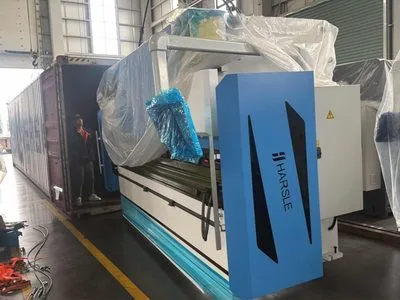
Każda przesyłka i historia klienta publikowana przez HARSLE pojawia się tutaj automatycznie. Filtruj według maszyny lub kraju.
- 1,247Opublikowane przesyłki
- 120Kraje docelowe
- 125Historie klientów
- Na żywoAktualizowane w miarę wysyłki
![Australia-ProCurve 89-4A-2S Tube Bending Machine]() WysłanyAustralia-ProCurve 89-4A-2S Tube Bending Machine
![Israel-MasterBend 25040 CNC Press Brake]() WysłanyIsrael-MasterBend 25040 CNC Press Brake
![Ireland-QuadRoll 2525 Rolling Machine]() WysłanyIreland-QuadRoll 2525 Rolling Machine
![Syria-EasyBend 20032 Press Brake]() WysłanySyria-EasyBend 20032 Press Brake
![Israel-PrimeShear 1025 Gilotyna]() WysłanyIsrael-PrimeShear 1025 Gilotyna
![Syria-Flexbend 13032 Prasa krawędziowa CNC]() WysłanySyria-Flexbend 13032 Prasa krawędziowa CNC
![Egypt-EasyBend 17542 Prasa krawędziowa]() WysłanyEgypt-EasyBend 17542 Prasa krawędziowa
![Francja-FlexBend 12532 Prasa krawędziowa]() WysłanyFrancja-FlexBend 12532 Prasa krawędziowa
![USA-FlexBend 17032 Prasa krawędziowa]() WysłanyUSA-FlexBend 17032 Prasa krawędziowa
![Czechy-Masterbend 50060 CNC Press Brake]() WysłanyCzechy-Masterbend 50060 CNC Press Brake
![USA-EasyBend 6316 Prasa krawędziowa]() WysłanyUSA-EasyBend 6316 Prasa krawędziowa
![Maroko-FlexBend 17040 Prasa krawędziowa]() WysłanyMaroko-FlexBend 17040 Prasa krawędziowa
![Brazylia-MasterBend 60060 Prasa krawędziowa CNC]() WysłanyBrazylia-MasterBend 60060 Prasa krawędziowa CNC
![USA-MasterBend 13032 Prasa krawędziowa CNC]() WysłanyUSA-MasterBend 13032 Prasa krawędziowa CNC
![Bangladesz-PrimeShear 1225 Gilotyna]() WysłanyBangladesz-PrimeShear 1225 Gilotyna
![Irlandia-MasterBend 20032 Prasa krawędziowa]() WysłanyIrlandia-MasterBend 20032 Prasa krawędziowa
![Łotwa-FlexBend 17032 Prasa krawędziowa]() WysłanyŁotwa-FlexBend 17032 Prasa krawędziowa
![Litwa-MasterBend 60060 Prasa krawędziowa CNC]() WysłanyLitwa-MasterBend 60060 Prasa krawędziowa CNC
![USA-MasterBend 17032 Prasa krawędziowa]() WysłanyUSA-MasterBend 17032 Prasa krawędziowa
![Brazylia-Prasa krawędziowa FlexBend 6320]() WysłanyBrazylia-Prasa krawędziowa FlexBend 6320
![Maroko-FlexBend 40060 Prasa krawędziowa]() WysłanyMaroko-FlexBend 40060 Prasa krawędziowa
![Wenezuela-TriRoll3025 Maszyna do wałkowania]() WysłanyWenezuela-TriRoll3025 Maszyna do wałkowania
![Maszyna do gięcia profili Brazil-Angleroll 45]() WysłanyMaszyna do gięcia profili Brazil-Angleroll 45
![Prasa krawędziowa CNC Chile-MasterBend 30040]() WysłanyPrasa krawędziowa CNC Chile-MasterBend 30040
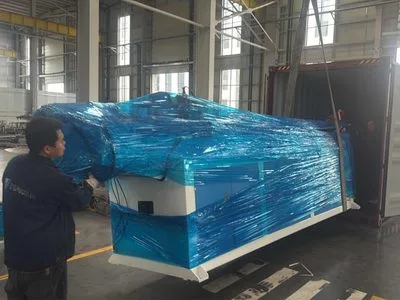
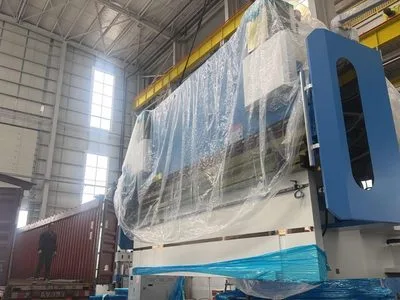
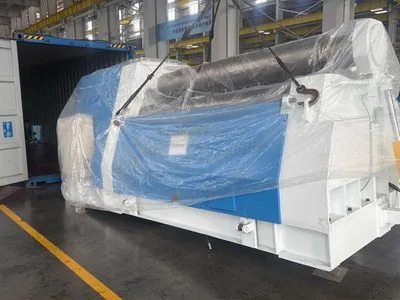
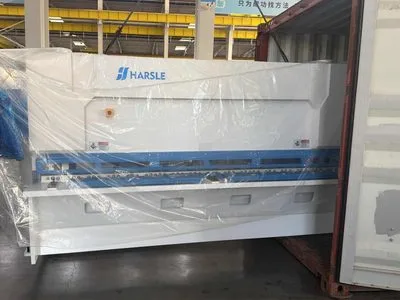
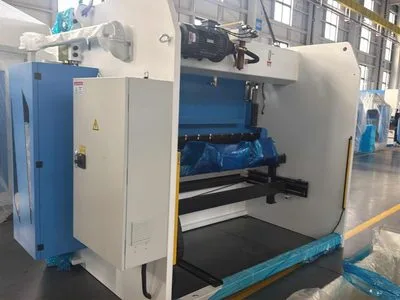
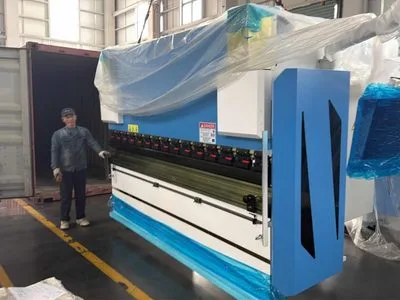
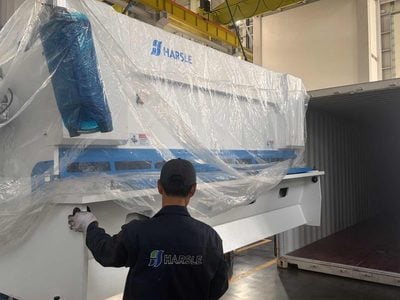
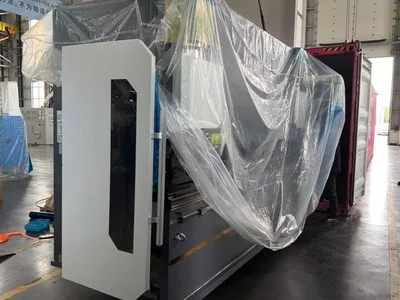
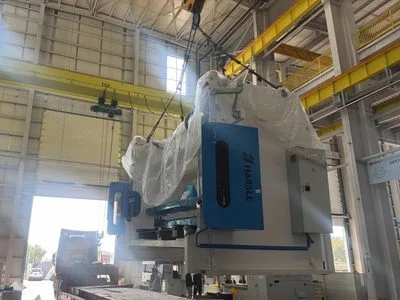
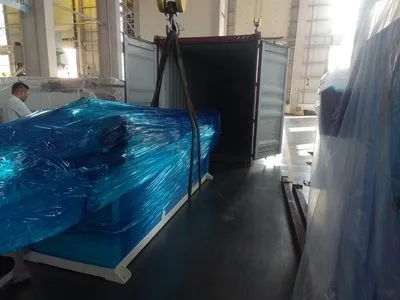
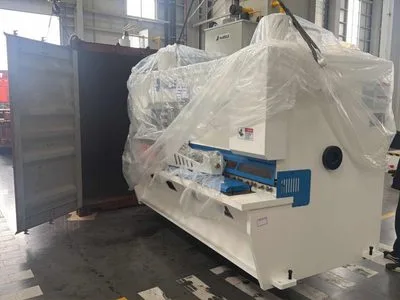
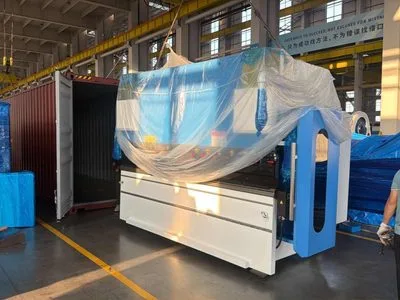
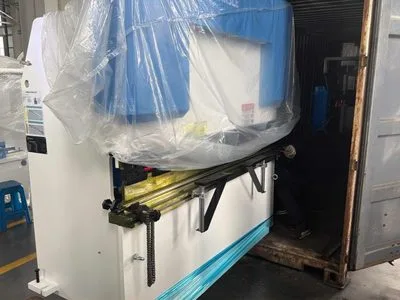
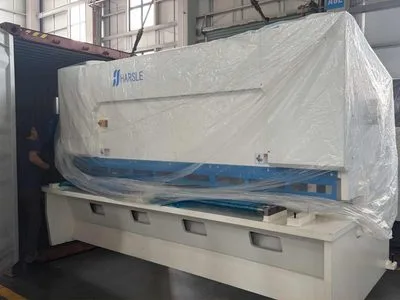
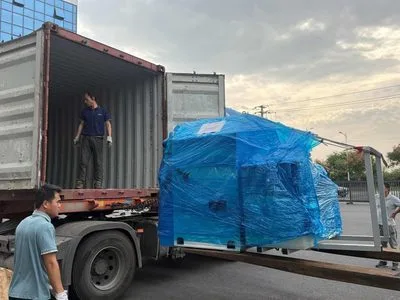
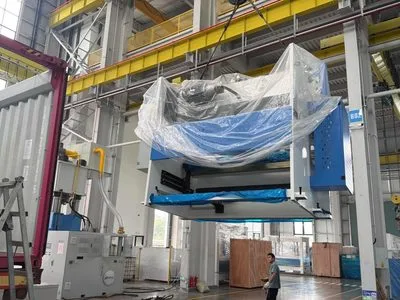
Nie znaleziono jeszcze przesyłek spełniających kryteria tego filtra.
![Wysokowydajna giętarka do rur zdobywa uznanie w Kamerunie]() HistoriaWysokowydajna giętarka do rur zdobywa uznanie w Kamerunie
![Klient ze Stanów Zjednoczonych zgłasza bezbłędną instalację HARSLE na miejscu]() HistoriaKlient ze Stanów Zjednoczonych zgłasza bezbłędną instalację HARSLE na miejscu
![Klient z Kanady chwali naprawę przepięć w prasach krawędziowych HARSLE]() HistoriaKlient z Kanady chwali naprawę przepięć w prasach krawędziowych HARSLE
![Profesjonalny montaż prasy krawędziowej zdobywa zaufanie klientów w USA]() HistoriaProfesjonalny montaż prasy krawędziowej zdobywa zaufanie klientów w USA
![Wsparcie inżynierów HARSLE zyskuje wdzięczność klienta z Azerbejdżanu]() HistoriaWsparcie inżynierów HARSLE zyskuje wdzięczność klienta z Azerbejdżanu
![Niezawodne wsparcie instalacji pras krawędziowych zdobywa zaufanie Stanów Zjednoczonych]() HistoriaNiezawodne wsparcie instalacji pras krawędziowych zdobywa zaufanie Stanów Zjednoczonych
![Klient z Rumunii zgłasza wysoki poziom zadowolenia klientów HARSLE]() HistoriaKlient z Rumunii zgłasza wysoki poziom zadowolenia klientów HARSLE
![Aktualizacja oprogramowania prasy krawędziowej HARSLE uwalnia potencjał klientów z USA]() HistoriaAktualizacja oprogramowania prasy krawędziowej HARSLE uwalnia potencjał klientów z USA
![Giętarka panelowa HARSLE z szybkim montażem zdobywa uznanie w Stanach Zjednoczonych]() HistoriaGiętarka panelowa HARSLE z szybkim montażem zdobywa uznanie w Stanach Zjednoczonych
![Szkolenia z obsługi giętarki do rur HARSLE zwiększają wydajność w Tajlandii]() HistoriaSzkolenia z obsługi giętarki do rur HARSLE zwiększają wydajność w Tajlandii
![Wsparcie inżynierów HARSLE zdobywa uznanie klientów ze Stanów Zjednoczonych]() HistoriaWsparcie inżynierów HARSLE zdobywa uznanie klientów ze Stanów Zjednoczonych
![Wsparcie inżynierów na miejscu zapewnia długoterminową umowę z Libanem]() HistoriaWsparcie inżynierów na miejscu zapewnia długoterminową umowę z Libanem
![Libański klient chwali jakość prasy krawędziowej HARSLE]() HistoriaLibański klient chwali jakość prasy krawędziowej HARSLE
![Maszyna do strzyżenia zgodna z normami CSA zachwyca kanadyjskiego klienta]() HistoriaMaszyna do strzyżenia zgodna z normami CSA zachwyca kanadyjskiego klienta
![Udany test odbioru fabrycznego dla klienta z Chile]() HistoriaUdany test odbioru fabrycznego dla klienta z Chile
![Rozwiązanie o wysokiej wydajności gięcia zwiększa wydajność w Grecji]() HistoriaRozwiązanie o wysokiej wydajności gięcia zwiększa wydajność w Grecji


Nie znaleziono jeszcze żadnych historii spełniających kryteria tego filtra.
Centrum wiedzy
Metal Furniture Guides
- Jakie są korzyści ze stosowania giętarek do rur w branży meblarskiej?
- Jak wybrać giętarkę do rur do produkcji mebli
- W jaki sposób giętarka panelowa w meblach biurowych zwiększa produktywność?
- Jakie są zalety giętarki panelowej w sprzęcie logistycznym?
- Jak przydatne jest stosowanie maszyn dziurkujących w przemyśle meblarskim?
- Cięcie laserowe w produkcji mebli: główne zastosowania?
- Jakie są zalety maszyn tnących w produkcji mebli?
- Jak prasy krawędziowe w produkcji mebli metalowych zwiększają wydajność
Często zadawane pytania
Często zadawane pytania
Common questions about machines and processes for office & metal furniture.
Jakie maszyny są potrzebne do produkcji mebli metalowych?
Maszyny do tłoczenia lub lasery światłowodowe do półfabrykatów, maszyny do nacinania, giętarki panelowe i prasy krawędziowe do gięcia, giętarki do rur do ram, a także spawanie i gratowanie przed malowaniem proszkowym.
Jakiej grubości stal jest używana do szafek i szafek na dokumenty?
Szafki, szafy i szuflady są zwykle wykonane ze stali walcowanej na zimno o grubości 0,6–1,0 mm; ramy, półki i części regałów mają grubość od 0,8 do 2,0 mm.
Czy giętarka do paneli jest opłacalna do produkcji mebli?
For repeat doors, drawers and shelves with flanges on several sides, a panel bender typically replaces several press brake operators and produces more consistent parts.
How are chair and desk frames made?
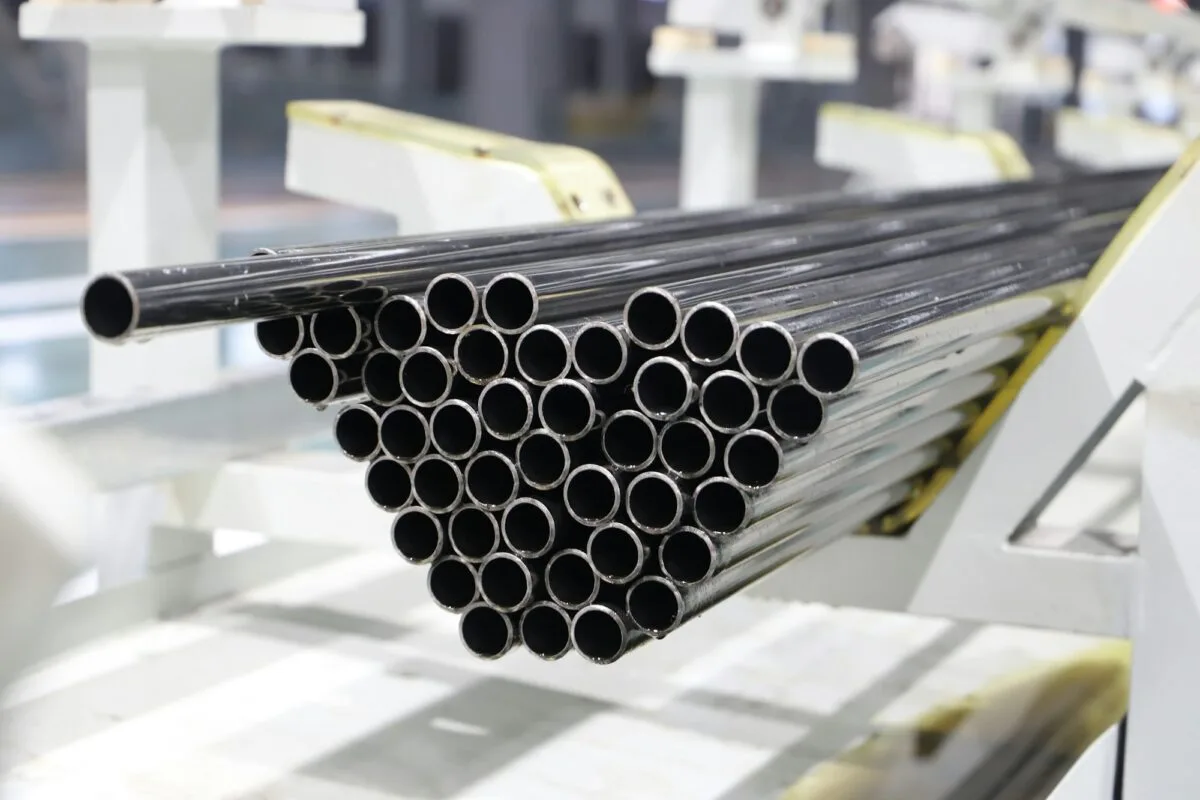
Steel tubes are cut to length, bent on a CNC tube bending machine, end-formed or notched, and welded into frames.
Punching or laser cutting for furniture parts?
Punching is faster and cheaper per part for repeated holes, slots and louvers; laser cutting is more flexible for changing designs and complex contours.
Więcej aplikacji
Inne branże, które wyposażamy
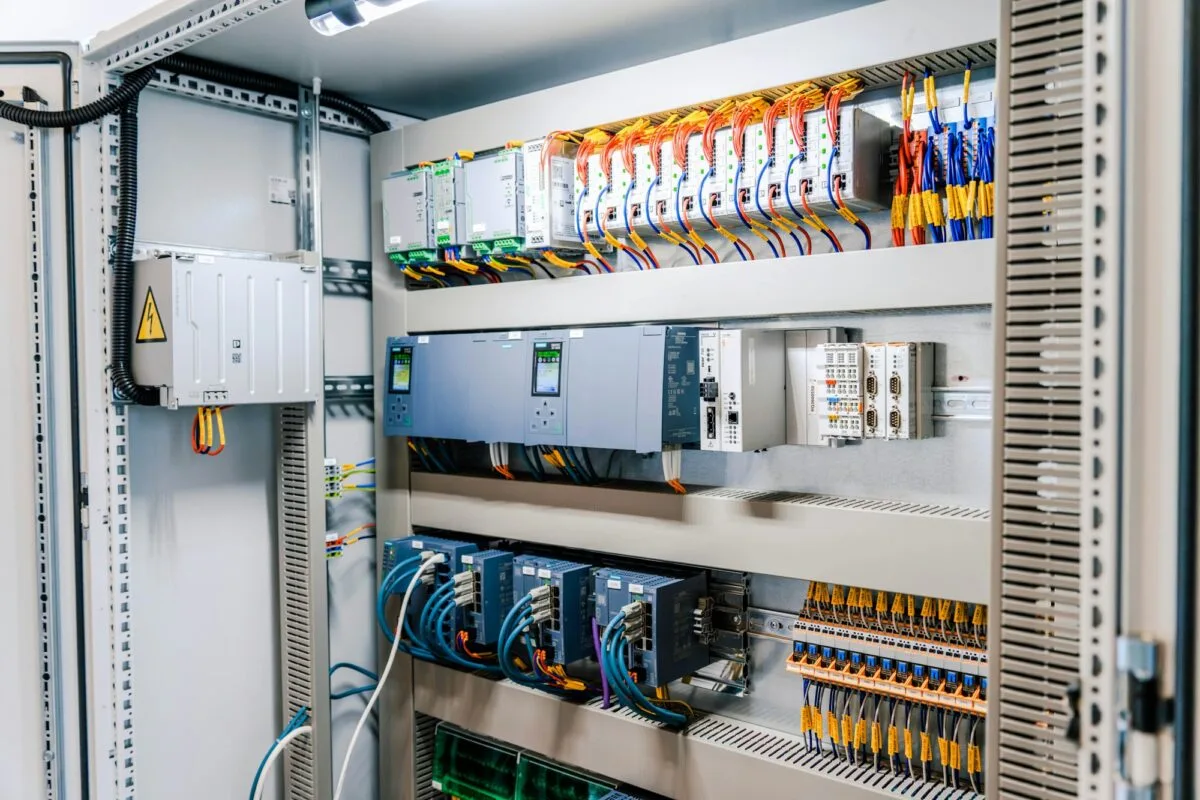
 Obudowy i szafy elektryczne
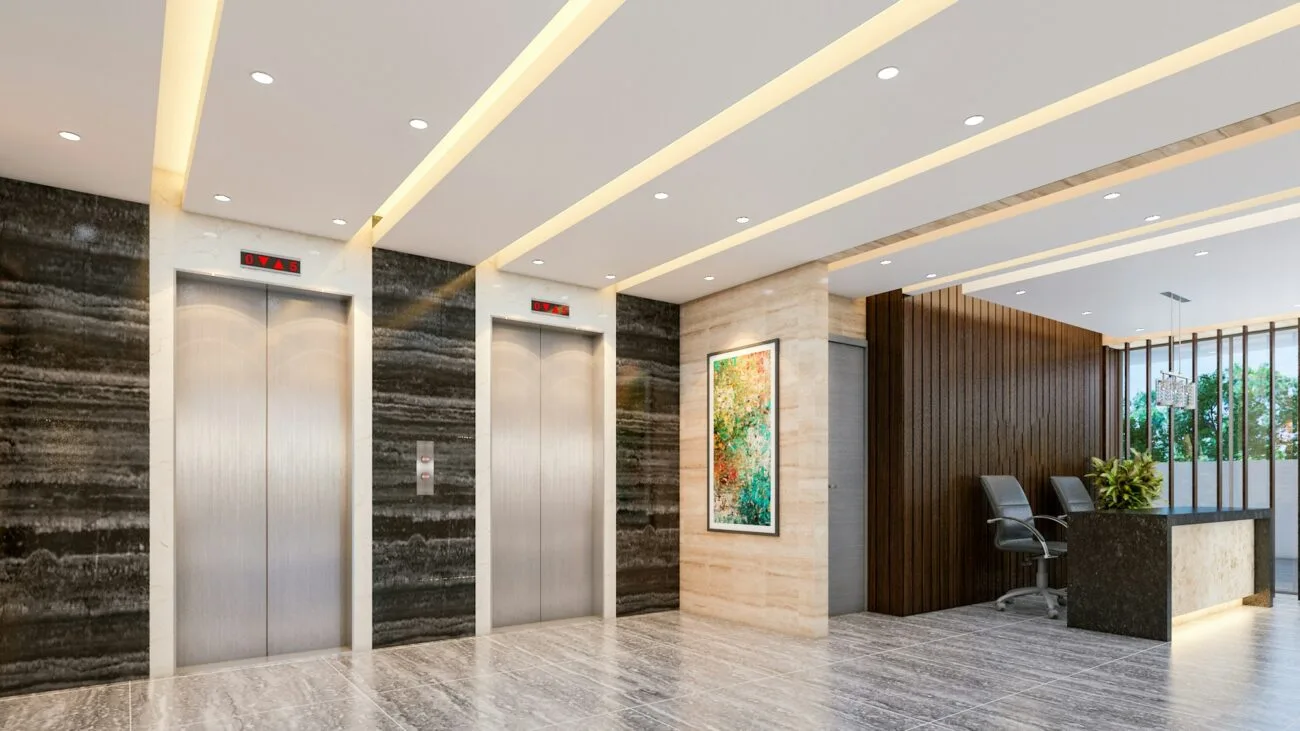
 Drzwi i kabiny windowe
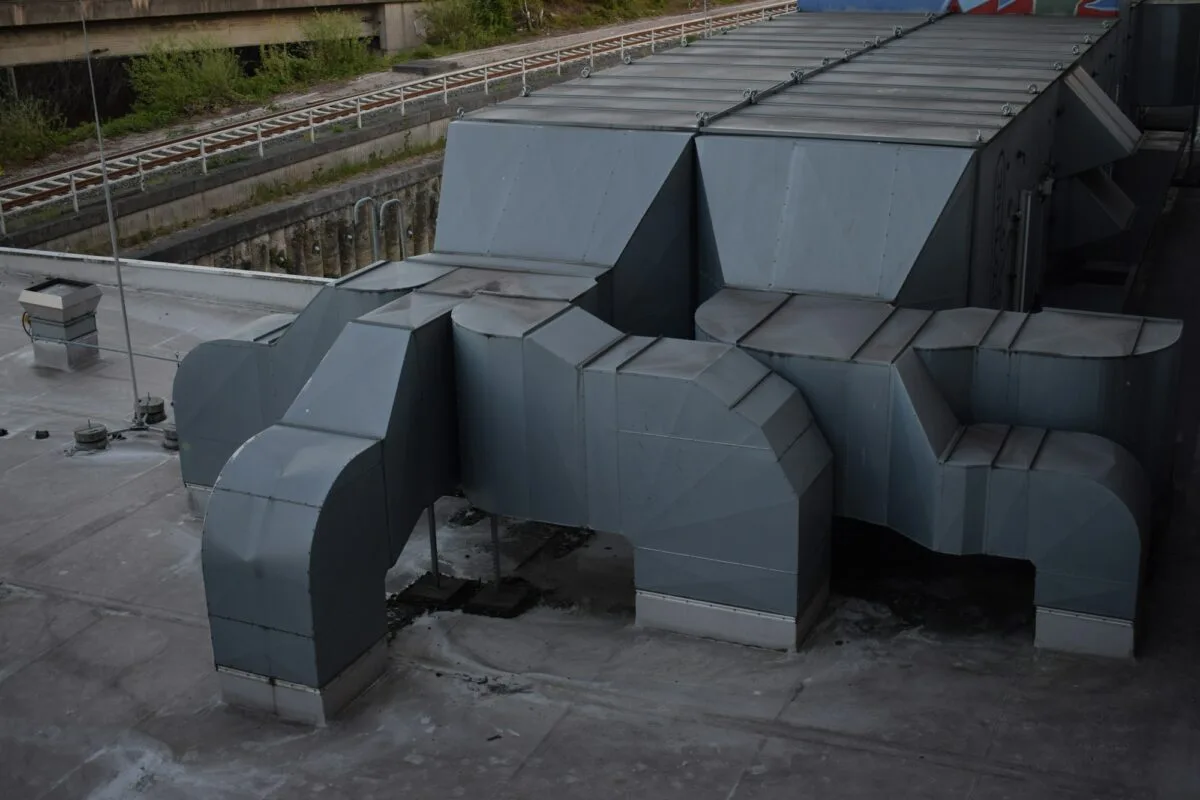
- Sprzęt HVAC i kanały wentylacyjne
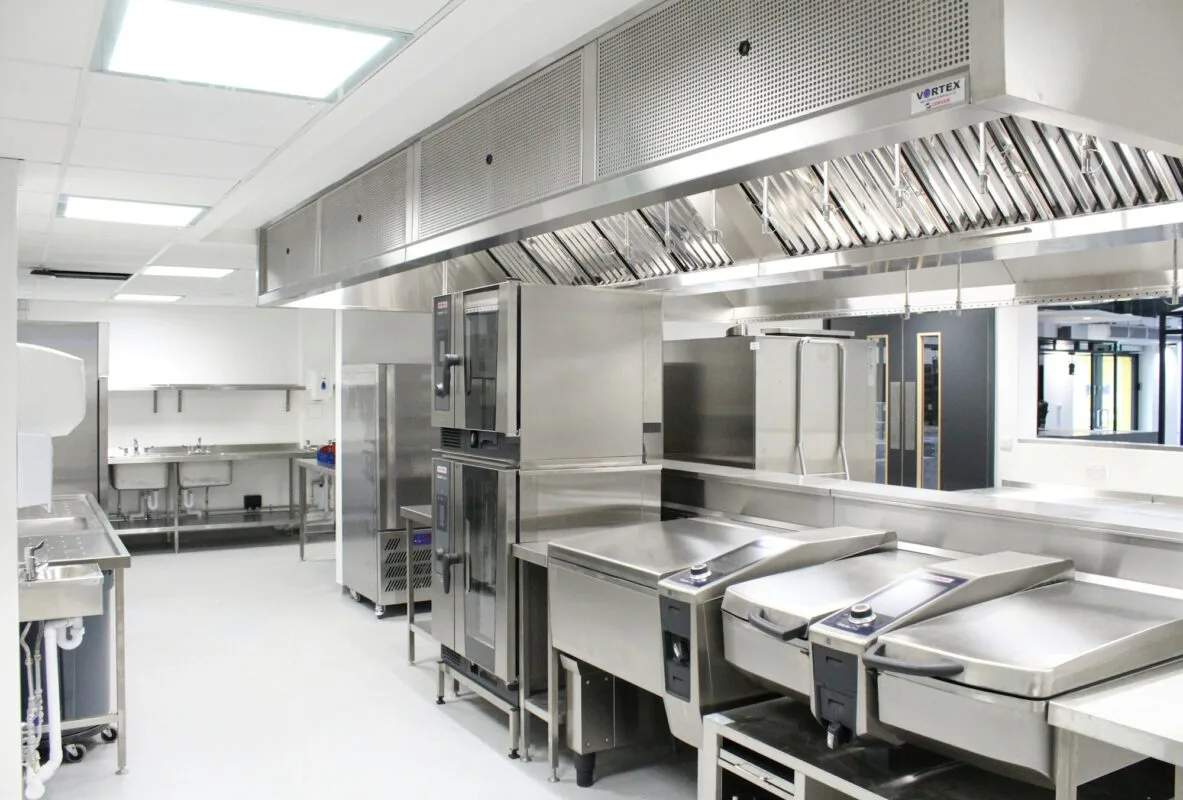
 Sprzęt do kuchni komercyjnych i gastronomii
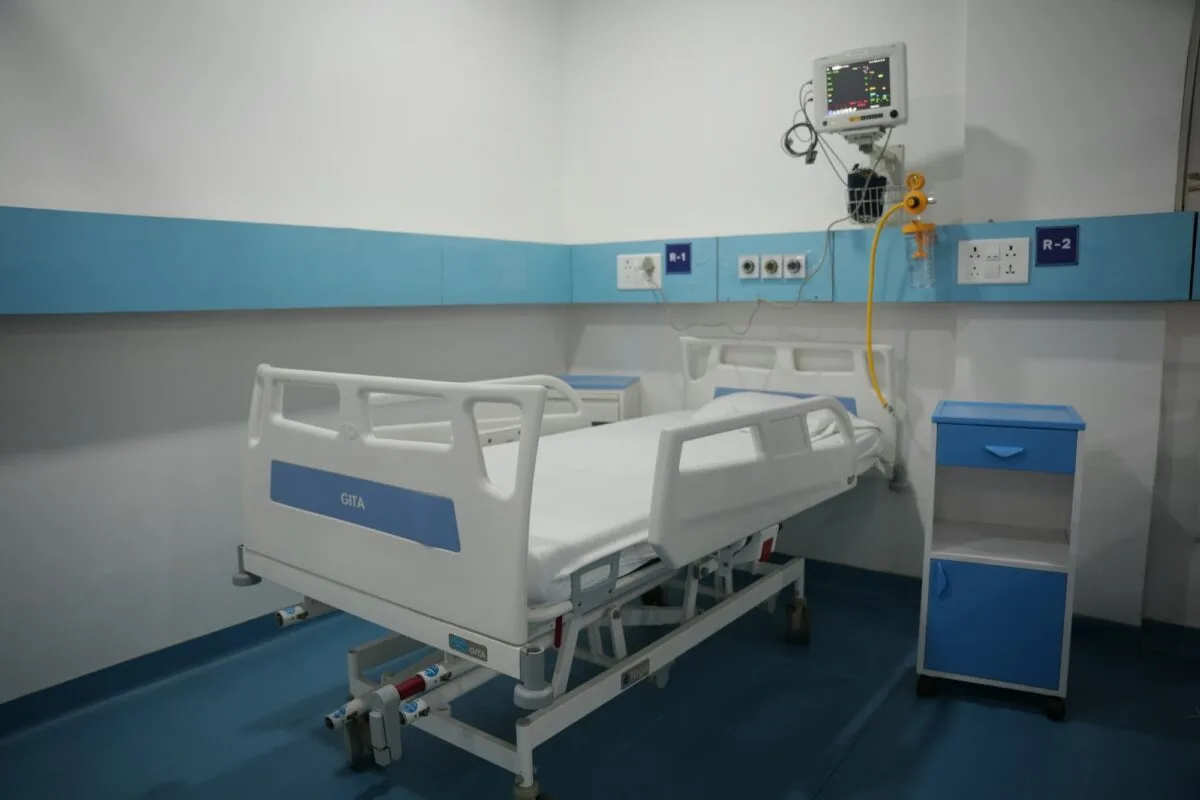
- Sprzęt medyczny i laboratoryjny
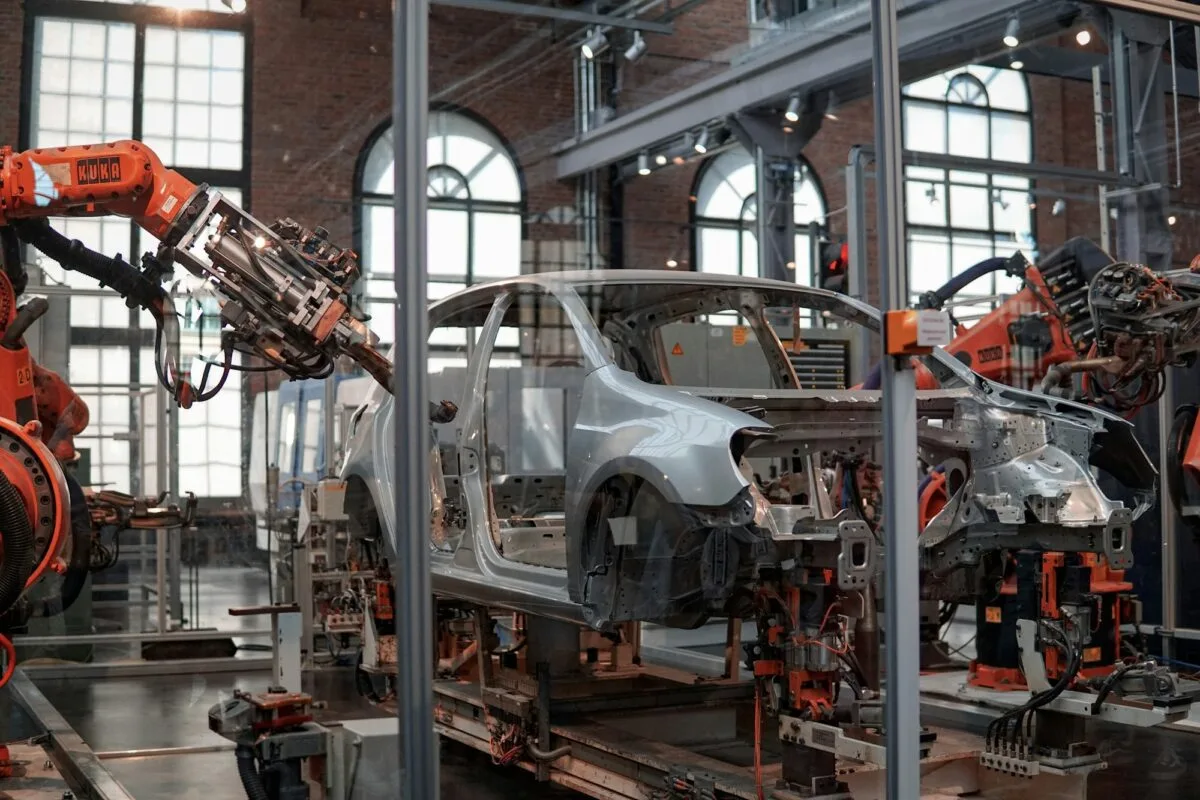
- Części samochodowe i pojazdy
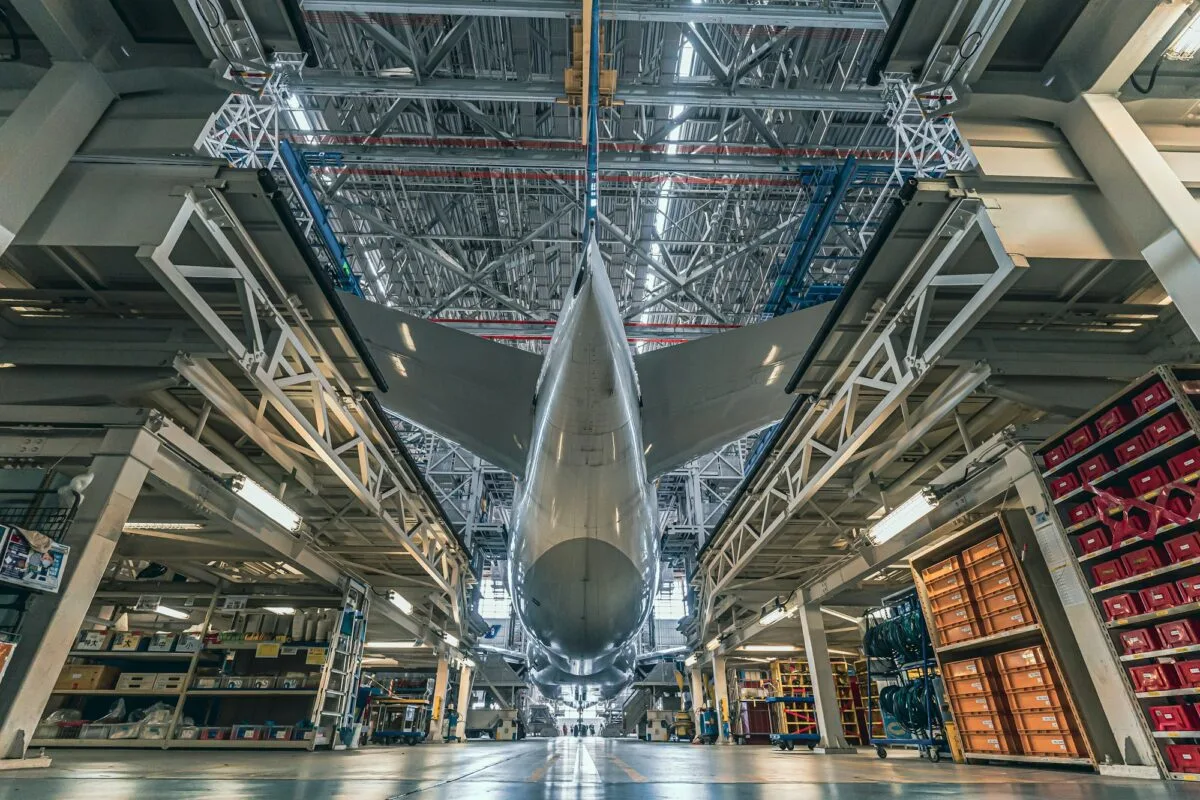
- Komponenty lotnicze
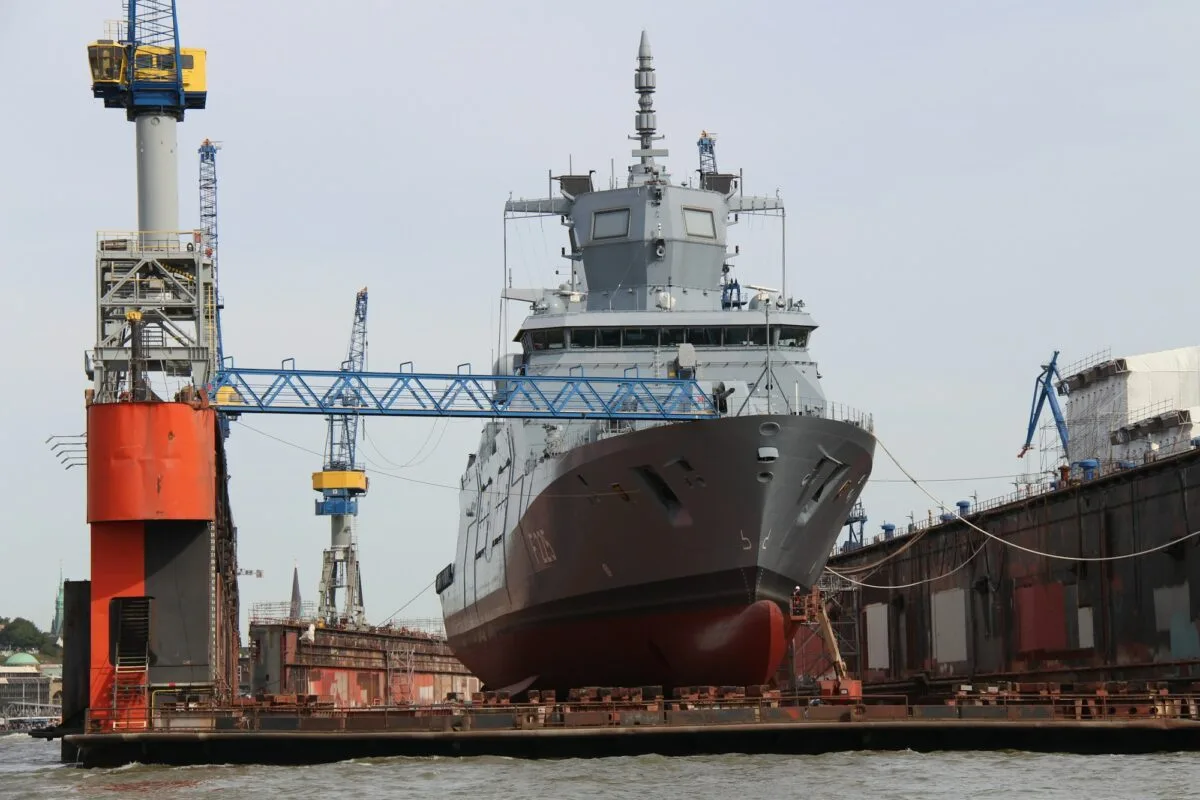
- Budownictwo okrętowe i morskie
 Budownictwo, fasady i wnętrza
- Sprzęt AGD
- Produkcja blach i warsztaty blacharskie
- Oznakowanie, reklama i wyświetlacze
- Obróbka rur i przewodów
 Zbiorniki ciśnieniowe, zbiorniki i ropa i gaz
 Sprzęt wiatrowy, słoneczny i energetyczny
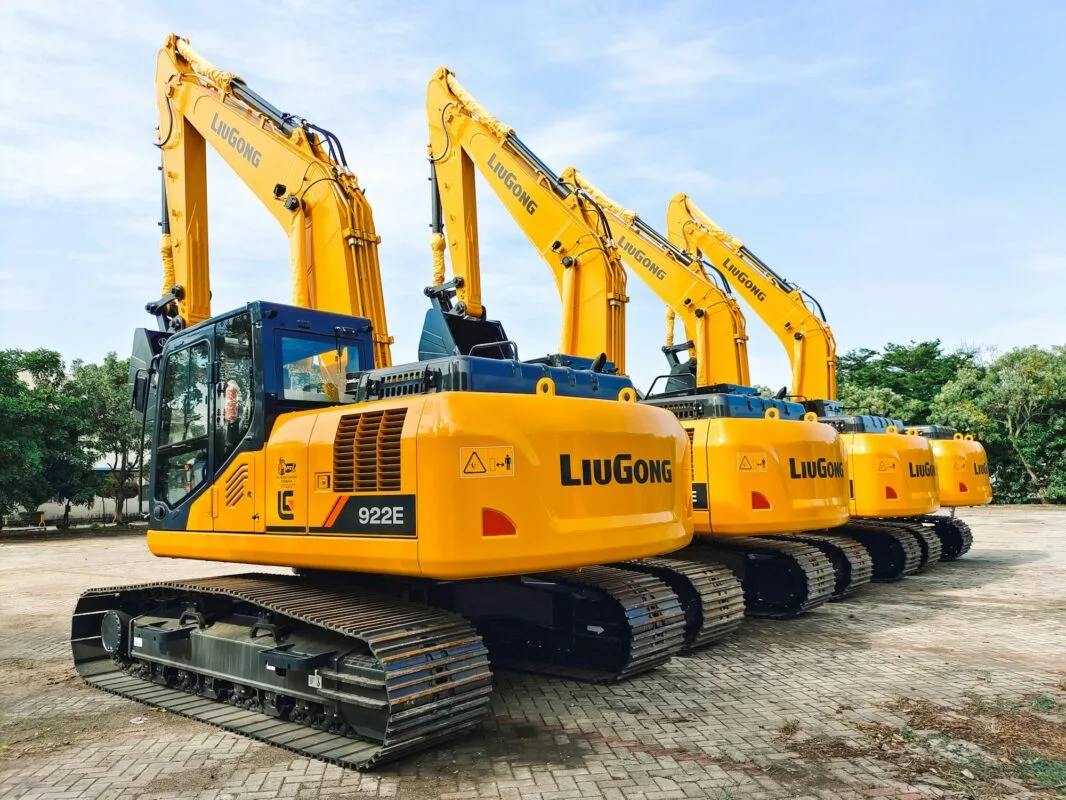
 Ciężki sprzęt i sprzęt rolniczy
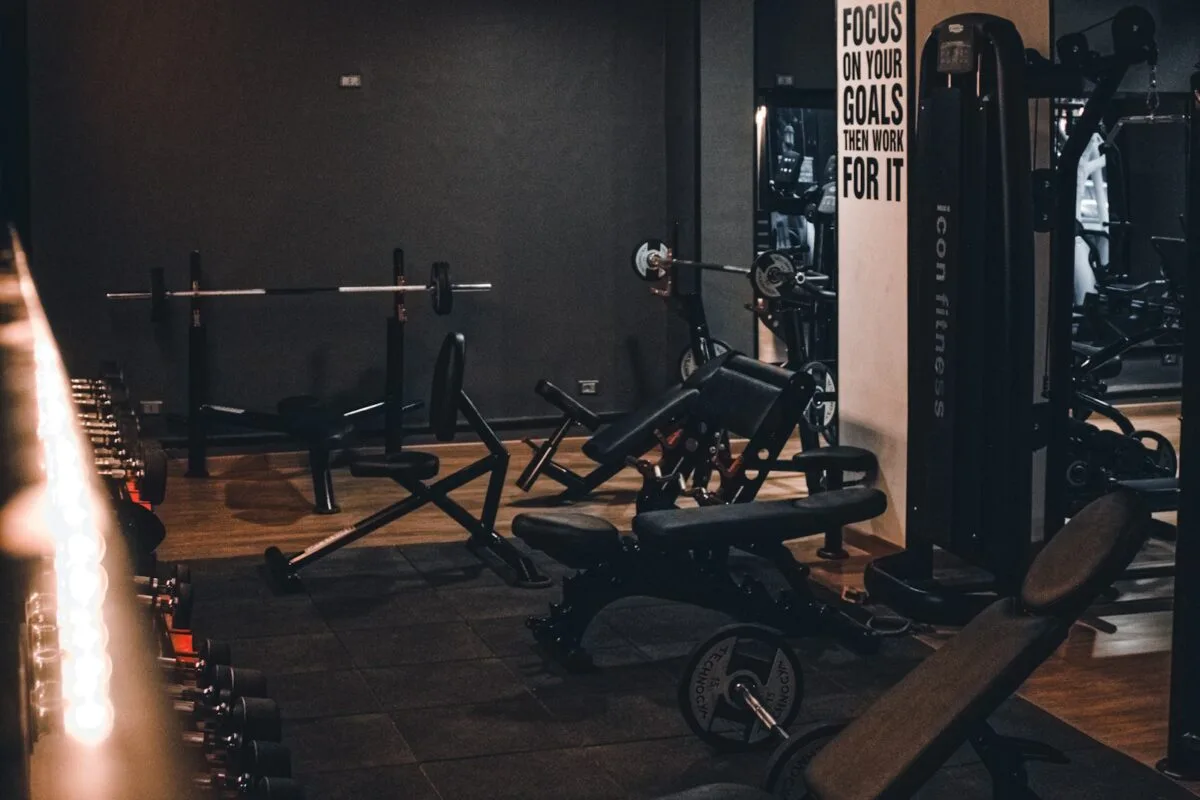
- Sprzęt fitness i siłownia
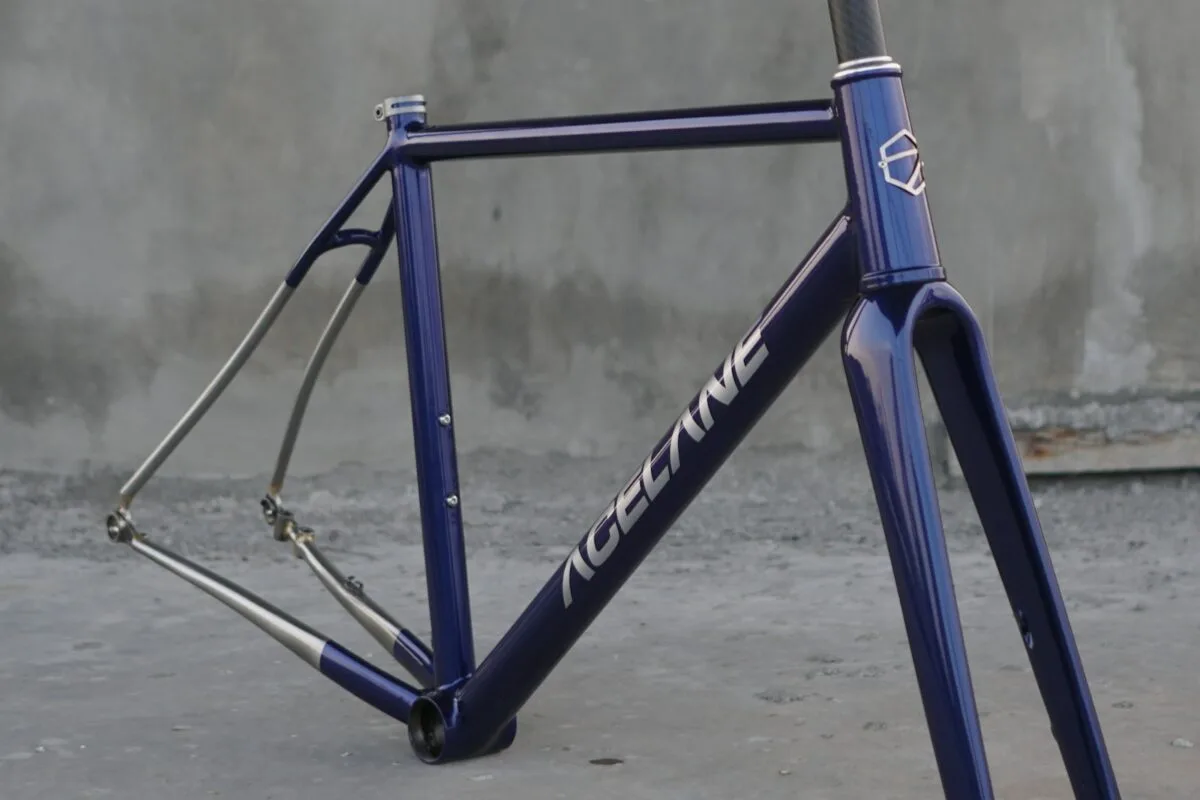
- Ramy rowerowe i motocyklowe
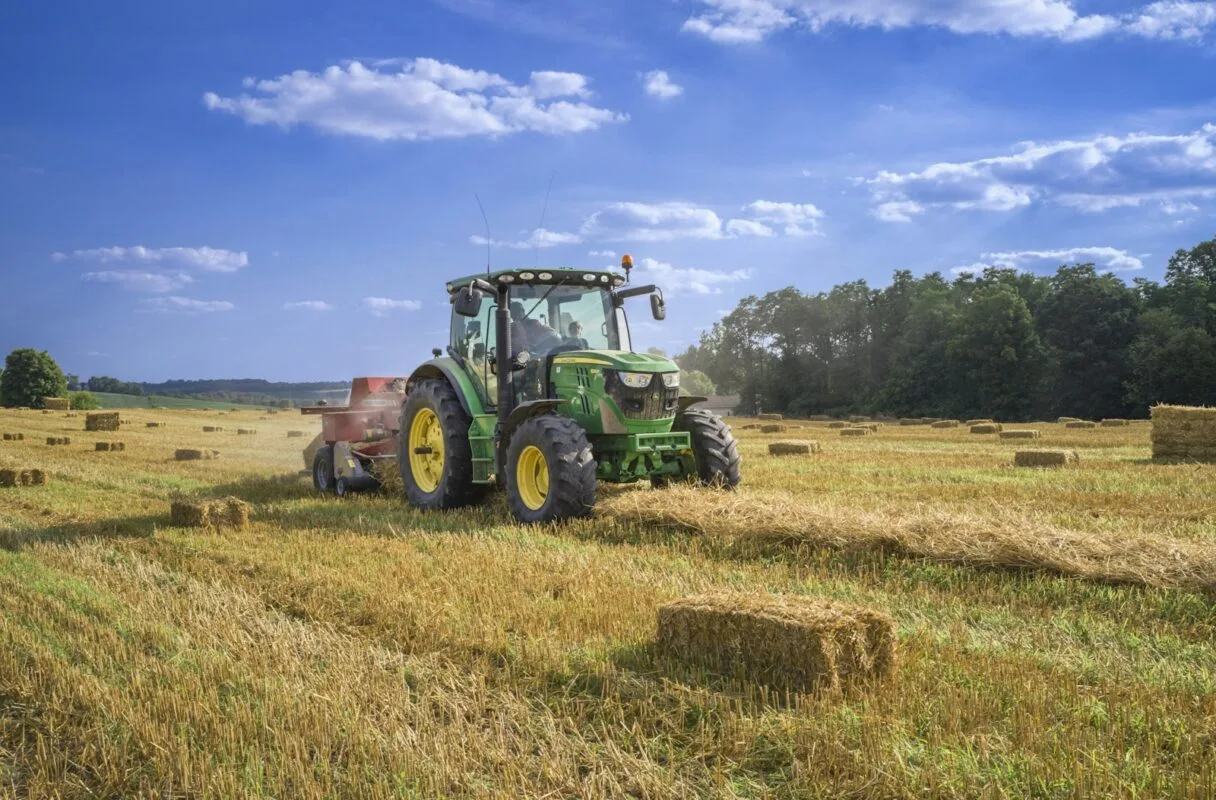
 Maszyny rolnicze
- Poręcze i balustrady
- Rozwiązania linii produkcyjnych



Rozpocznij
Poproś o wycenę
Tell us about your office & metal furniture — our engineers will recommend the machines and layout.
- Wybór maszynyModel, seria i opcje dopasowane do Twoich części
- Wsparcie techniczneSprawdzono wykonalność gięcia na podstawie rysunków
- Szczegółowa wycenaCena, czas realizacji, wysyłka i instalacja
- Reakcja 24-godzinnaPrawdziwy inżynier odpowiada w ciągu jednego dnia roboczego
Wskazówka: aby uzyskać najdokładniejszą wycenę, podaj rodzaj materiału, grubość, największy rozmiar części i roczną objętość.


