


When I work with prensas hidráulicas, I often find that many users overlook how Hydraulic Press Energy Efficiency is directly influenced by regular maintenance, while focusing mainly on machine power and production speed. Proper maintenance is one of the most effective ways to reduce unnecessary power loss, prevent system failures, and keep the machine operating at its designed performance level. In this article, I’ll explain how routine maintenance practices can improve hydraulic press efficiency, lower operating costs, and extend equipment service life.
Por qué Prensa hidráulica Energy Efficiency Depends on Regular Maintenance
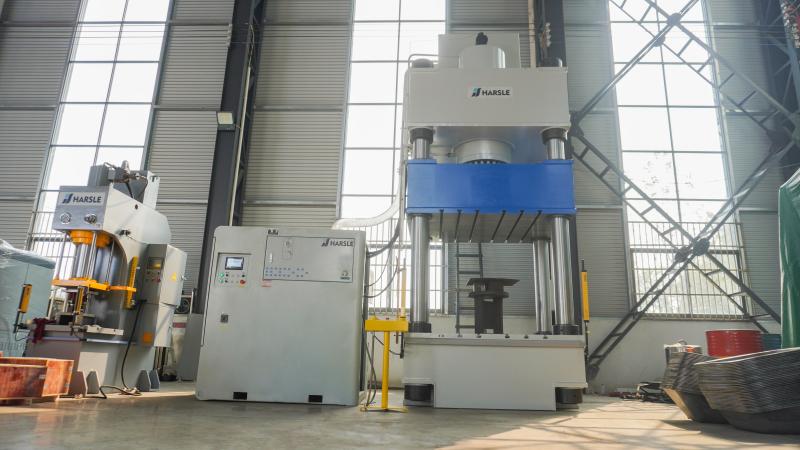
A hydraulic press relies on multiple components working together, including the hydraulic pump, valves, cylinders, oil system, and control system. When these parts wear out or become contaminated, the machine needs more energy to complete the same operation. This increased energy demand directly affects Hydraulic Press Energy Efficiency and production costs.
Regular maintenance helps identify problems before they become serious. By checking hydraulic oil quality, inspecting seals, cleaning filters, and adjusting system parameters, operators can keep the hydraulic press running smoothly. A well-maintained machine can maintain stable pressure output while reducing energy waste caused by leaks, friction, and inefficient hydraulic flow.
How Hydraulic System Maintenance Reduces Energy Loss
Checking Hydraulic Oil Quality for Better Energy Performance
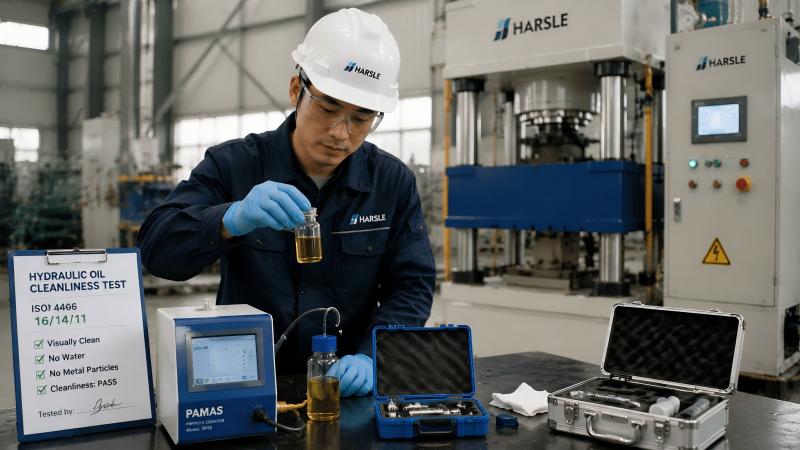
Hydraulic oil plays a critical role in power transmission and system lubrication. Over time, oil can become contaminated with metal particles, dust, moisture, or other impurities. Dirty or degraded hydraulic oil increases internal friction and reduces the efficiency of hydraulic components.
To maintain better Hydraulic Press Energy Efficiency, I recommend regularly checking oil condition and replacing it according to the manufacturer’s maintenance schedule. Clean hydraulic oil allows pumps and valves to operate with less resistance, improving energy transfer and reducing unnecessary load on the motor.
Maintaining Hydraulic Filters to Prevent Pressure Loss
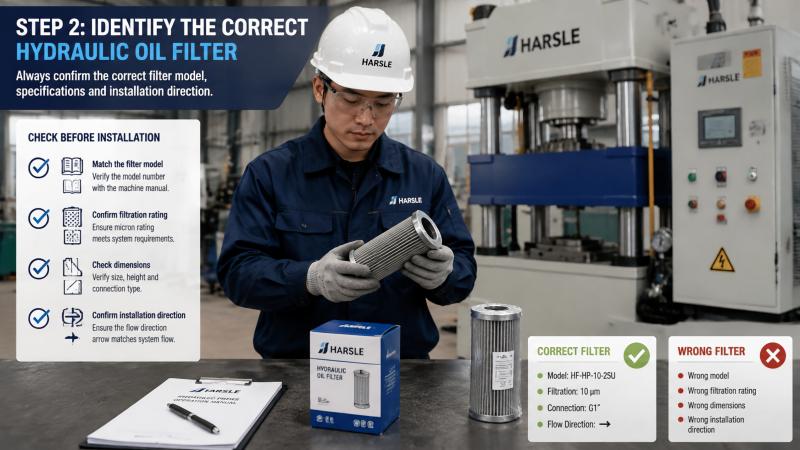
Hydraulic filters protect the system by removing contaminants from the oil. However, clogged filters restrict oil flow and force the hydraulic pump to work harder. This increases energy consumption and may reduce machine response speed.
Routine filter inspection and replacement are simple but effective steps for improving hydraulic press energy efficiency. Keeping filters clean ensures stable oil circulation, reduces pressure fluctuations, and helps the hydraulic system operate with lower power demand.
Inspecting Hydraulic Seals to Prevent Energy-Wasting Leaks
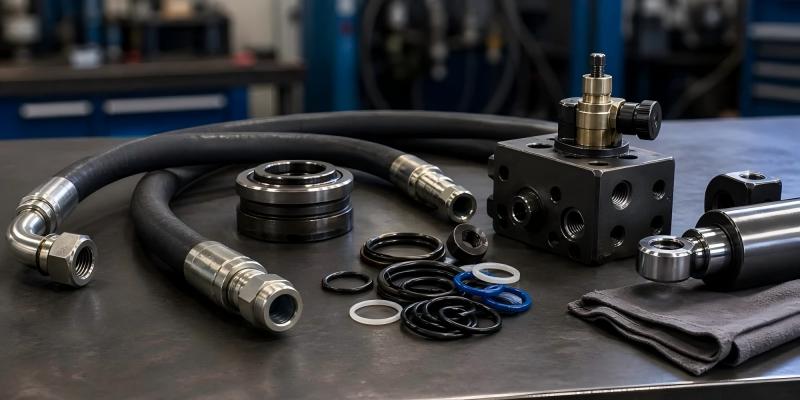
Hydraulic leaks are common causes of reduced machine efficiency. Damaged seals allow hydraulic oil to escape, causing pressure drops and requiring the pump to run longer to maintain the required force.
During maintenance, operators should inspect cylinder seals, valve connections, and hydraulic lines for leakage. Replacing worn sealing components can restore system pressure stability and prevent energy losses caused by continuous compensation from the hydraulic pump.
Preventive Maintenance Practices for Improving Hydraulic Press Efficiency
Regular Inspection of Hydraulic Pump Performance
The hydraulic pump is one of the most important energy-consuming components in a hydraulic press. Wear inside the pump can reduce volumetric efficiency, meaning the pump must consume more power to produce the same hydraulic output.
When performing maintenance, I suggest checking pump noise, pressure stability, and operating temperature. Early detection of abnormal conditions helps prevent major failures and maintains efficient hydraulic press operation.
Optimizing Hydraulic System Settings
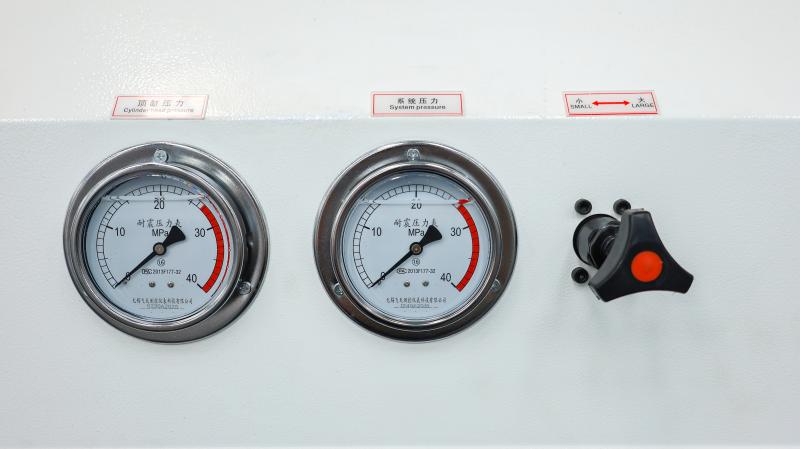
Incorrect pressure settings or inefficient control parameters can increase energy consumption. If system pressure is set higher than necessary, the machine uses additional power without improving production results.
Operators should review hydraulic pressure settings based on actual production requirements. Proper adjustment of pressure, flow rate, and control parameters helps the hydraulic press deliver the required force while maintaining better energy efficiency.
Cleaning and Lubricating Moving Components
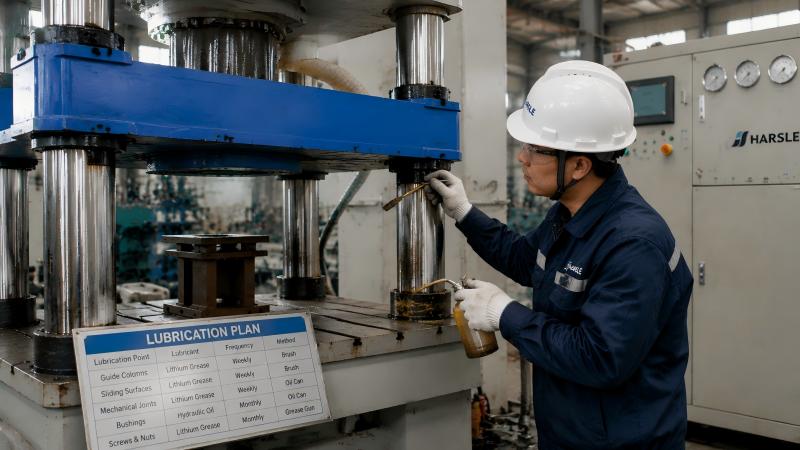
Mechanical friction between moving parts can increase energy consumption and accelerate component wear. Regular cleaning and lubrication of guide rails, sliding parts, and mechanical connections help reduce resistance during operation.
Although hydraulic presses mainly rely on hydraulic power, mechanical maintenance also contributes to overall energy savings. Smooth mechanical movement allows the hydraulic system to work more efficiently and reduces unnecessary power demand.
How Maintenance Improves Hydraulic Press Energy Efficiency in Daily Operation
Step 1: Create a Regular Maintenance Schedule
A structured maintenance plan helps operators check important components at the correct intervals. Daily inspections may include checking oil levels, abnormal noises, leaks, and temperature changes. Weekly or monthly maintenance can include filter checks, lubrication, and electrical system inspections.
Following a preventive maintenance schedule reduces unexpected downtime and keeps the machine operating close to its optimal energy performance.
Step 2: Monitor Machine Performance Data
Modern hydraulic presses often include digital control systems that provide operating information. Monitoring pressure values, cycle times, and temperature changes helps identify efficiency problems early.
If cycle time increases or energy consumption rises unexpectedly, it may indicate issues such as hydraulic contamination, valve problems, or pump wear. Quick diagnosis allows operators to correct problems before they affect production efficiency.
Step 3: Replace Worn Components Before Failure
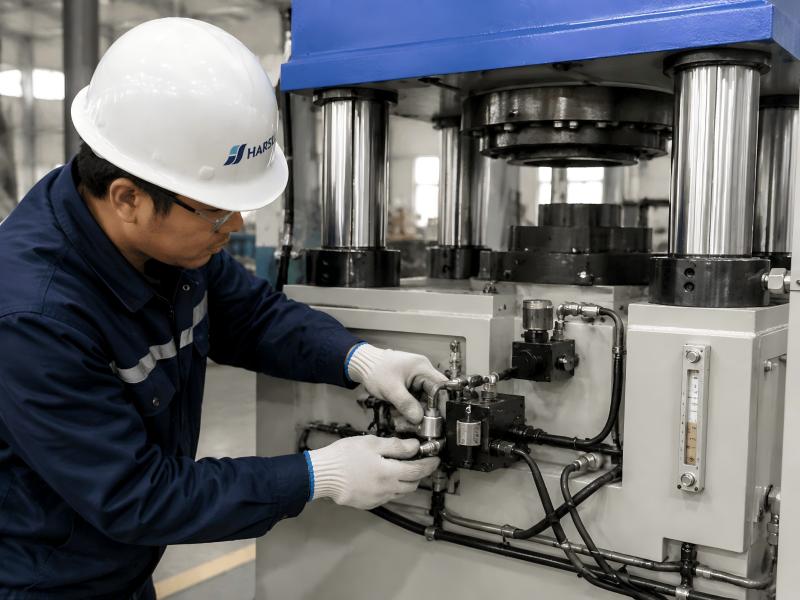
Waiting until components fail completely can lead to higher repair costs and greater energy waste. Worn pumps, valves, seals, and filters can reduce hydraulic system performance long before a complete breakdown occurs.
Replacing aging components during scheduled maintenance ensures stable machine operation and supports long-term Hydraulic Press Energy Efficiency.
Common Maintenance Mistakes That Reduce Hydraulic Press Energy Efficiency
Some operators focus only on repairing failures instead of preventing them. This approach often leads to higher energy consumption and shorter machine lifespan. Ignoring hydraulic oil replacement, delaying filter maintenance, or operating with incorrect pressure settings can gradually reduce machine efficiency.
Another common mistake is using unsuitable hydraulic oil or replacement parts. Components that do not meet machine specifications may increase friction, reduce system stability, and negatively affect energy performance.
By following manufacturer recommendations and maintaining proper operating conditions, users can avoid these problems and achieve more efficient hydraulic press operation.
Preguntas frecuentes
How does maintenance improve Hydraulic Press Energy Efficiency?
Regular maintenance improves Hydraulic Press Energy Efficiency by reducing hydraulic losses, preventing leaks, maintaining clean oil circulation, and ensuring that pumps, valves, and other components operate efficiently.
How often should I maintain a hydraulic press for better energy performance?
Maintenance frequency depends on machine usage and working conditions. Daily inspections, regular oil checks, and scheduled component inspections are recommended to maintain stable performance and energy efficiency.
Can dirty hydraulic oil increase energy consumption?
Yes. Contaminated hydraulic oil increases friction and reduces system efficiency. Clean oil helps hydraulic components operate smoothly and reduces unnecessary power consumption.
Conclusión
Proper maintenance is essential for improving Hydraulic Press Energy Efficiency and achieving reliable long-term performance. By maintaining hydraulic oil quality, checking filters, preventing leaks, optimizing system settings, and replacing worn components, operators can reduce energy consumption and improve production stability.
A well-maintained hydraulic press not only saves operating costs but also extends machine lifespan and reduces unexpected downtime. If you want to learn more about hydraulic press maintenance solutions or improve your machine performance, contact the HARSLE team for professional support and technical guidance.


