


Prensa hidráulica Wiring Systems are essential for controlling electrical power, sensors, motors, valves, and automation functions in modern hydraulic presses. When wiring problems occur, they can lead to machine alarms, unstable operation, unexpected shutdowns, or even safety risks. If you want to understand how to inspect hydraulic press wiring systems and prevent electrical failures, you are in the right place. In this article, I’ll explain practical inspection steps, common wiring problems, and maintenance methods to help keep your hydraulic press electrical system reliable and efficient.
Por qué Prensa hidráulica Wiring System Inspection Is Important
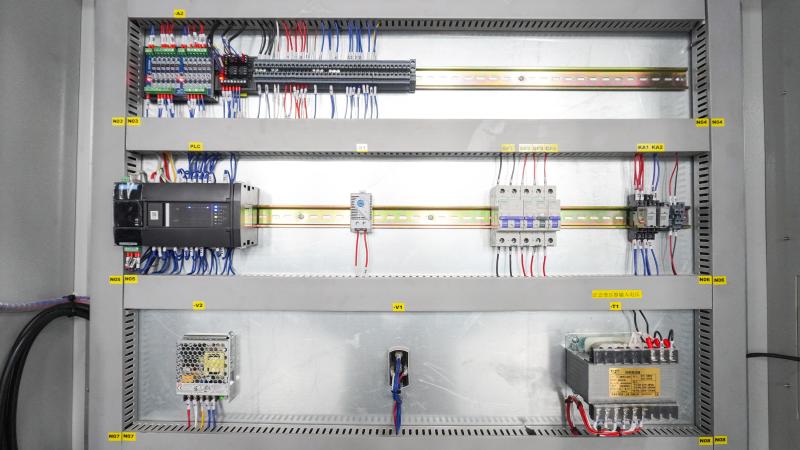
The Role of Hydraulic Press Wiring Systems
The electrical wiring system connects all major control components of a hydraulic press, including the control panel, PLC, sensors, motors, solenoid valves, limit switches, and safety devices. These connections allow the machine to receive signals, control hydraulic movements, and maintain stable production performance.
A damaged or poorly maintained wiring system can affect the entire machine operation. Loose connections, insulation damage, or electrical contamination may cause incorrect signals, component failures, or unexpected machine stops.
Regular inspection of Hydraulic Press Wiring Systems helps operators identify potential problems early and reduce unnecessary downtime.
Common Wiring Problems in Hydraulic Presses
During operation, hydraulic press wiring systems may experience several common issues:
- Loose electrical connections caused by vibration
- Damaged cable insulation
- Oil or dust contamination inside electrical cabinets
- Corroded terminals and connectors
- Overheated wires due to excessive current
- Incorrect sensor or actuator wiring
Understanding these problems helps maintenance teams perform targeted inspections and avoid repeated failures.
How to Inspect Hydraulic Press Wiring Systems Step by Step
Step 1: Shut Down Power Before Inspection
Before checking any electrical wiring, I always make sure the hydraulic press is completely powered off and isolated from the electrical supply.
Follow proper lockout and tagout procedures before opening electrical cabinets or touching wiring components. Hydraulic presses contain high-voltage electrical parts, and safety should always be the first priority.
After power isolation, verify that no residual electrical energy remains before beginning inspection.
Step 2: Inspect Electrical Cabinet Wiring Condition
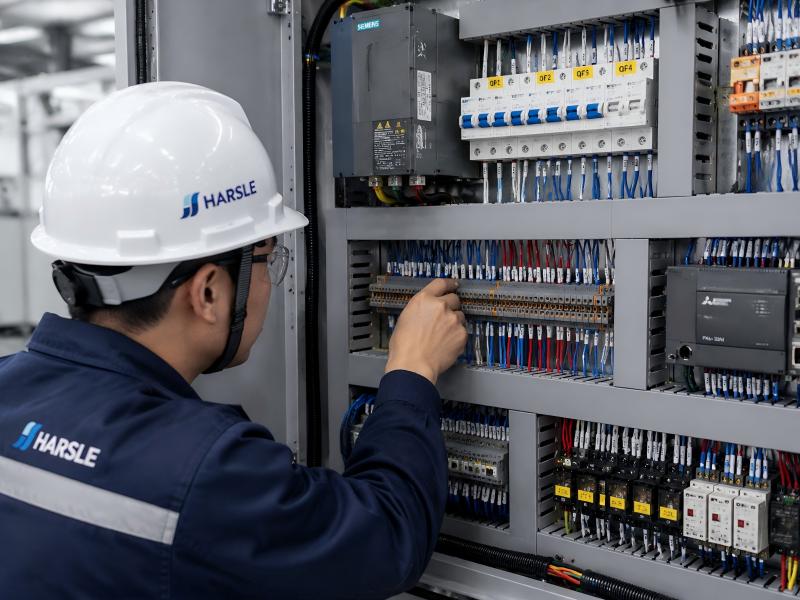
The electrical cabinet is the central area where many wiring connections are located. I recommend checking the internal condition of the cabinet regularly.
During inspection, look for:
- Terminales sueltos
- Burn marks or overheating signs
- acumulación de polvo
- Moisture or oil contamination
- Damaged cable insulation
- Incorrect wire routing
A clean and organized electrical cabinet improves heat dissipation and reduces the risk of electrical failures.
Step 3: Check Cable Connections and Terminals
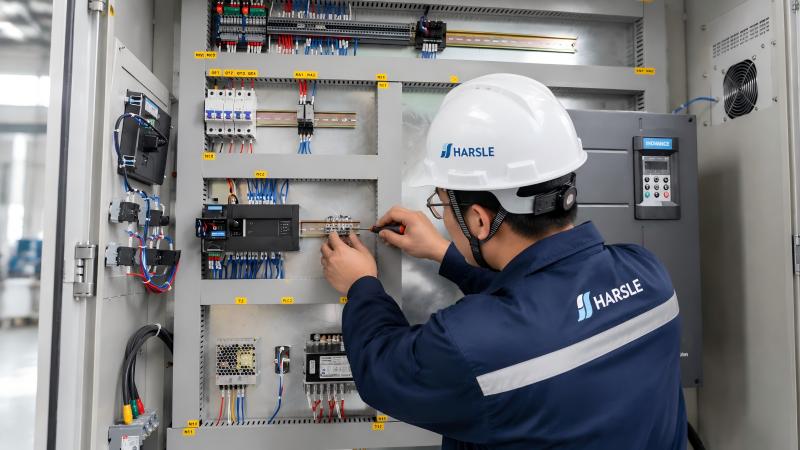
Loose connections are one of the most common causes of hydraulic press electrical problems. Vibration from long-term machine operation can gradually loosen terminal screws and connectors.
I carefully inspect terminal blocks, cable connectors, and wiring points to ensure they are firmly secured.
Pay special attention to:
- Motor wiring connections
- Solenoid valve cables
- Sensor connectors
- PLC input and output terminals
- Power supply terminals
Reliable connections help maintain stable electrical signals and prevent intermittent faults.
Step 4: Inspect Wiring Insulation and Cable Protection
Damaged insulation can create short circuits, electrical leakage, or signal interference. During inspection, check whether cables show signs of cracking, abrasion, melting, or aging.
Hydraulic presses often operate near oil lines and moving mechanical components. Cables should be properly protected with cable carriers, conduits, or protective sleeves.
If damaged wiring is found, I recommend replacing the affected section instead of applying temporary repairs.
Step 5: Check Sensor and Control Wiring
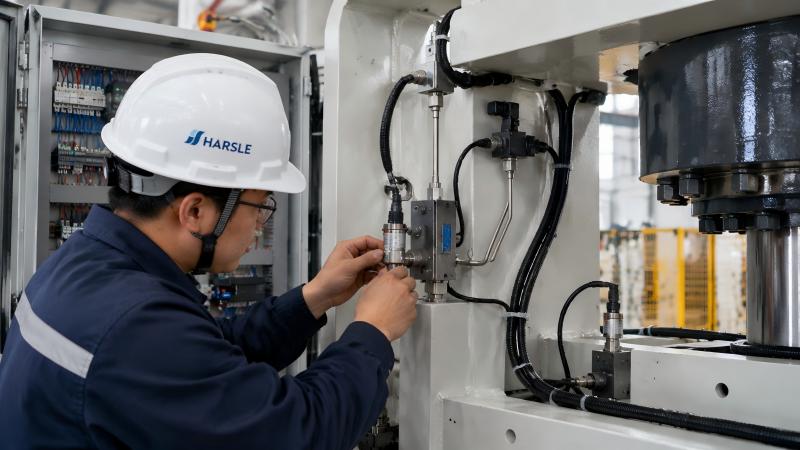
Sensors provide important feedback signals for hydraulic press operation, including pressure, position, temperature, and safety monitoring.
Incorrect sensor wiring can cause inaccurate readings or machine alarms.
Yo compruebo:
- Sensor cable connections
- Signal stability
- Connector condition
- Cable routing
- Communication errors
Proper sensor wiring maintenance helps maintain accurate machine control and improves production consistency.
Step 6: Inspect Safety Circuit Wiring
Safety devices are an important part of hydraulic press operation. These may include emergency stop buttons, safety relays, light curtains, and limit switches.
I recommend testing safety circuit wiring regularly to ensure that protective functions work correctly.
Any damaged safety wiring should be repaired immediately because it directly affects operator protection.
Step 7: Test Electrical Signals After Inspection
After completing the physical inspection, I restart the machine and test electrical functions carefully.
Check whether:
- Motors start normally
- Solenoid valves respond correctly
- Sensors provide accurate signals
- Control panel displays normal information
- Safety devices operate correctly
Testing confirms whether the wiring system is functioning properly after maintenance.
Best Practices for Maintaining Hydraulic Press Wiring Systems
Keep Electrical Cabinets Clean and Dry
Dust, oil, and moisture can damage electrical components and wiring connections. Regular cleaning helps prevent contamination-related failures.
I recommend using suitable cleaning methods and avoiding excessive moisture around electrical components.
Create a Regular Wiring Inspection Schedule
A preventive inspection plan helps identify wiring problems before they cause production interruptions.
Inspection frequency should depend on machine usage, operating environment, and working conditions. Machines operating continuously or in harsh environments require more frequent checks.
Label and Organize Wiring Connections
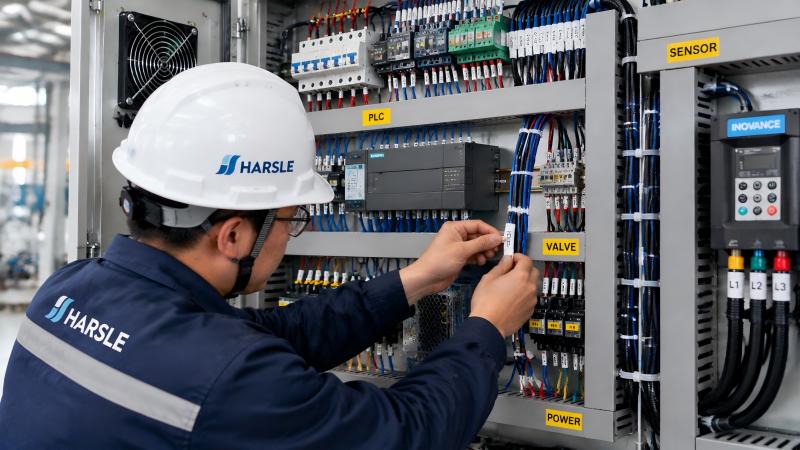
Clear wire labels make troubleshooting faster and reduce maintenance errors. Proper cable organization also helps technicians identify connections quickly during repairs.
Record Maintenance Activities
Keeping detailed maintenance records helps track wiring conditions, repairs, and recurring problems.
Records should include:
- Inspection dates
- Replaced cables or connectors
- fallas eléctricas
- Testing results
- Corrective actions
These records help improve future maintenance planning.
Preguntas frecuentes
How often should I inspect Hydraulic Press Wiring Systems?
Inspection frequency depends on operating conditions and machine usage. Regular visual checks and scheduled electrical inspections are recommended to prevent unexpected failures.
What causes hydraulic press wiring failures?
Common causes include vibration, loose connections, overheating, moisture, oil contamination, damaged insulation, and aging electrical components.
Can wiring problems affect hydraulic press accuracy?
Yes. Incorrect electrical signals from sensors, valves, or controllers can affect machine movement, pressure control, and positioning accuracy.
Conclusión
Regular inspection of Hydraulic Press Wiring Systems is essential for maintaining reliable machine operation, preventing electrical failures, and improving production efficiency. By checking electrical cabinets, inspecting cable connections, protecting wiring from contamination, and maintaining proper records, operators can reduce downtime and extend equipment service life.
A well-maintained wiring system ensures stable communication between electrical and hydraulic components, allowing the hydraulic press to operate safely and efficiently. For more technical support about hydraulic press maintenance and troubleshooting, contact our team for professional assistance.


