


Prensa hidráulica Valve Problems can directly affect machine performance, pressing accuracy, and production efficiency. When a hydraulic valve fails, operators may experience unstable pressure, slow movement, abnormal noise, or unexpected machine stops. In this guide, I will explain the common causes of hydraulic valve failures, how to troubleshoot valve-related issues step by step, and the maintenance methods that can help keep your hydraulic press operating reliably.
¿Qué causa? Prensa hidráulica Valve Problems?
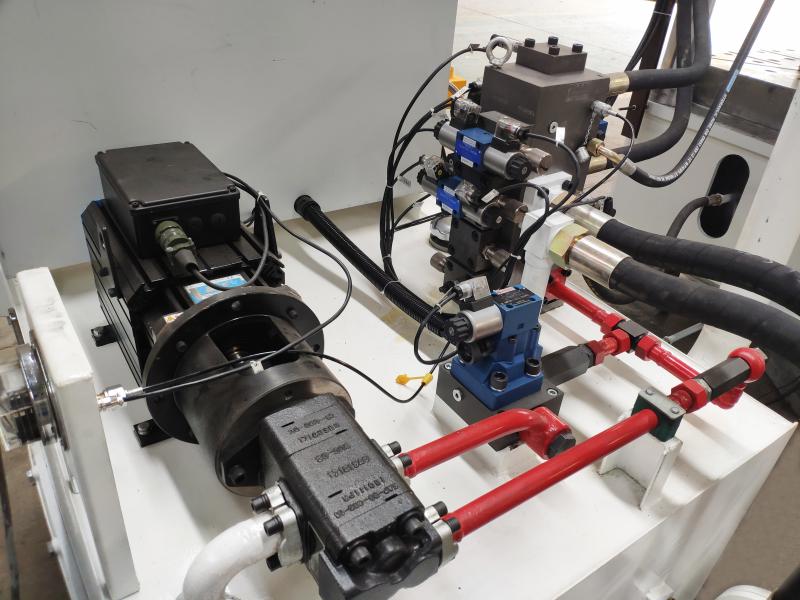
Hydraulic valves control the direction, pressure, and flow of hydraulic oil inside the system. Since they work under high pressure and continuous operation, valves can experience wear, contamination, or mechanical failures over time.
Understanding the causes of valve problems helps operators quickly identify faults and reduce unnecessary downtime.
Hydraulic Oil Contamination Affecting Valve Performance
Contaminated hydraulic oil is one of the most common reasons for hydraulic valve failure. Dust, metal particles, and other impurities can enter the hydraulic system and block valve passages or damage internal components.
When hydraulic oil becomes dirty, valves may become stuck, respond slowly, or fail to maintain stable pressure. I recommend checking oil quality regularly, replacing filters when necessary, and keeping the hydraulic system clean.
Valve Wear and Internal Component Damage
Hydraulic valves contain precision components that must work smoothly to control oil flow accurately. Long-term operation, high pressure, and insufficient lubrication can cause internal wear.
Common signs include unstable machine movement, pressure fluctuations, and inconsistent pressing results. If valve components are severely worn, replacing damaged parts may be necessary to restore normal operation.
Incorrect Hydraulic Pressure Settings
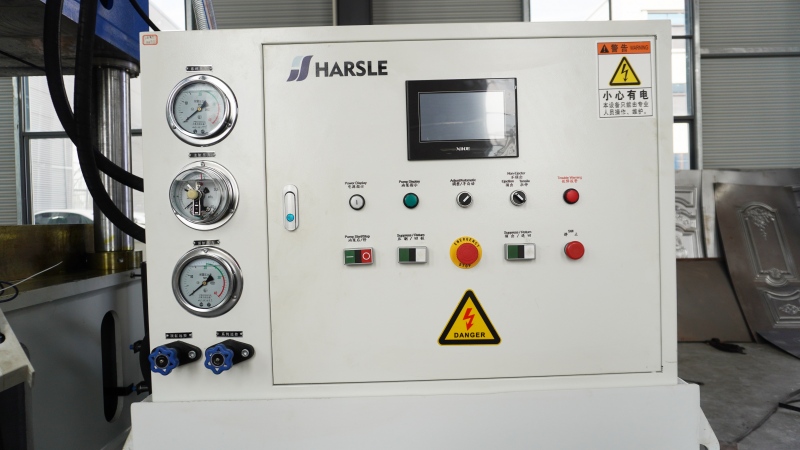
Improper pressure adjustment can also lead to hydraulic press valve problems. Excessive pressure places additional stress on valves and other hydraulic components, while insufficient pressure may reduce machine performance.
Checking pressure settings according to the manufacturer’s specifications helps prevent unnecessary valve damage and ensures stable hydraulic system operation.
How to Troubleshoot Hydraulic Press Valve Problems Step by Step?
Step 1: Check Hydraulic Valve Operation and Symptoms
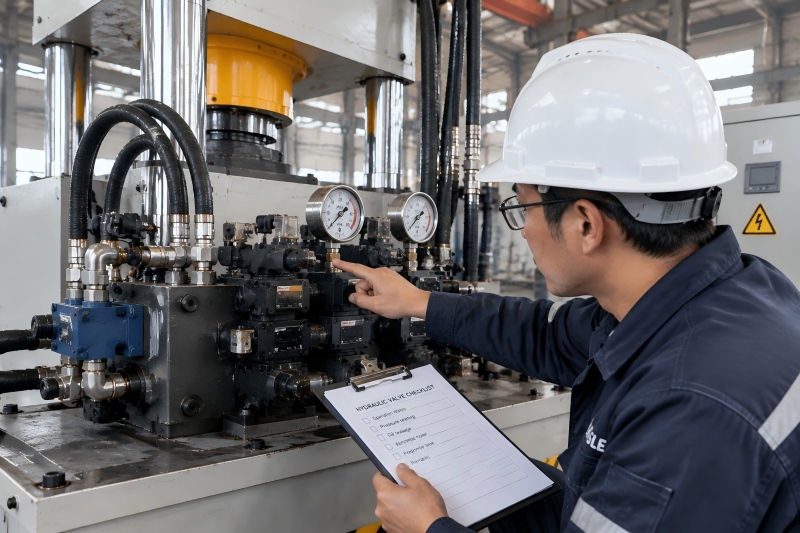
Before repairing a hydraulic valve, I recommend identifying the specific symptoms first. Observe whether the hydraulic press has slow movement, pressure loss, abnormal sounds, or inconsistent operation.
Different symptoms can indicate different valve issues. For example, a stuck valve may cause delayed movement, while a damaged pressure valve may result in unstable working pressure.
Carefully recording machine behavior helps narrow down the possible causes and improves troubleshooting efficiency.
Step 2: Inspect Hydraulic Oil Quality and Clean the Valve System
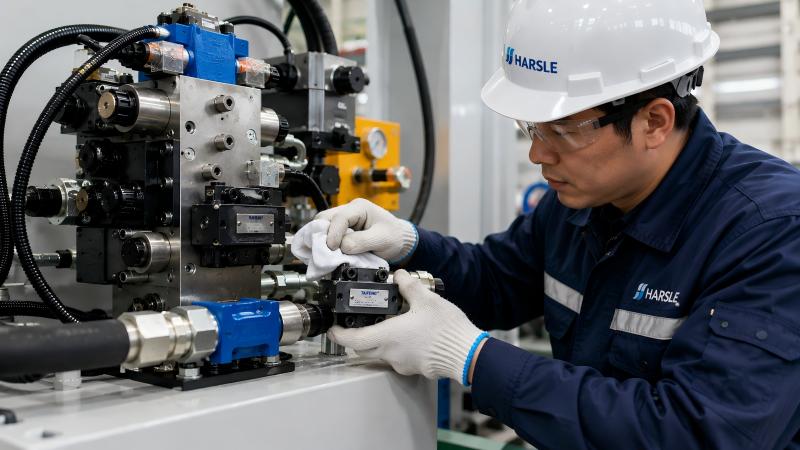
The next step is checking the hydraulic oil condition. Dirty or degraded oil can affect valve response and cause internal blockage.
Inspect the oil color, viscosity, and contamination level. If the oil contains impurities, replace the hydraulic filter and clean the hydraulic system according to maintenance requirements.
For severe contamination problems, the hydraulic valve may need to be removed and cleaned by trained technicians to restore proper performance.
Step 3: Check Valve Connections and Installation Conditions
Loose connections, damaged fittings, or incorrect valve installation can cause hydraulic system problems.
Inspect valve mounting surfaces, hydraulic pipes, and connection points carefully. Make sure all fittings are properly tightened and there are no signs of oil leakage.
Correct installation ensures stable oil flow and prevents unnecessary stress on valve components.
Step 4: Test and Adjust Hydraulic Valve Pressure Settings
After checking the physical condition of the valve, test the hydraulic pressure and compare the results with recommended operating values.
If the pressure valve setting is incorrect, adjust it carefully according to the machine specifications. Avoid excessive adjustments because improper settings may damage the hydraulic system.
After adjustment, run the hydraulic press and confirm that pressure remains stable during operation.
How to Prevent Hydraulic Press Valve Problems?
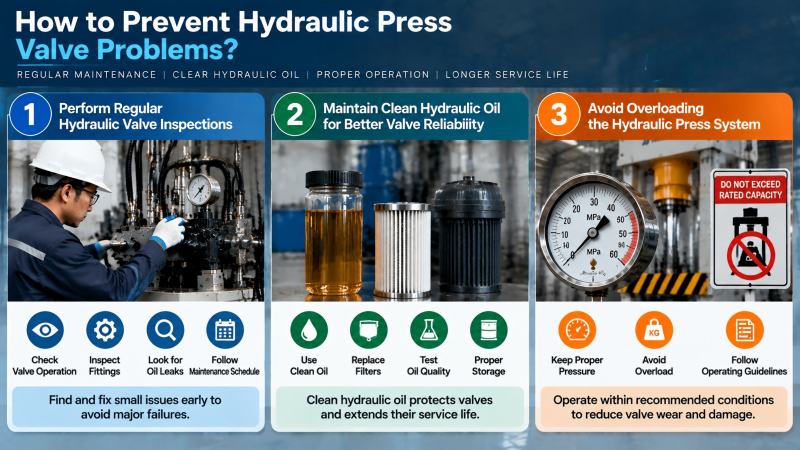
Perform Regular Hydraulic Valve Inspections
Preventive inspections can significantly reduce unexpected hydraulic valve failures. I suggest checking valves, fittings, hydraulic oil, and filters according to a regular maintenance schedule.
Early detection of minor problems allows operators to repair components before they cause major production interruptions.
Maintain Clean Hydraulic Oil for Better Valve Reliability
Clean hydraulic oil is essential for protecting hydraulic valves and other internal components. Regular oil testing and filter replacement help prevent contamination-related failures.
Using suitable hydraulic oil and maintaining proper storage conditions can also extend valve service life.
Avoid Overloading the Hydraulic Press System
Operating a hydraulic press beyond its designed capacity can increase pressure on valves and accelerate component wear.
Following recommended operating conditions helps maintain stable hydraulic performance and reduces the risk of valve damage.
Common Hydraulic Press Valve Problems and Solutions
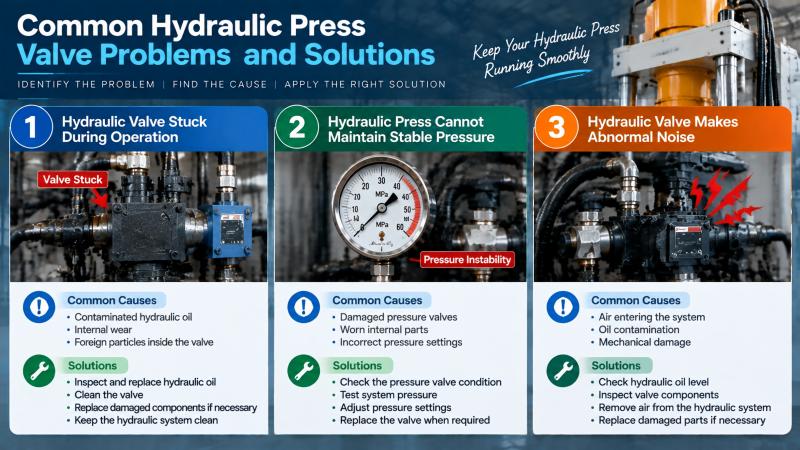
Hydraulic Valve Stuck During Operation
A stuck valve is often caused by contaminated oil, internal wear, or foreign particles inside the valve body.
The solution is to inspect the hydraulic oil, clean the valve, and replace damaged components if necessary. Keeping the hydraulic system clean is the best way to prevent this problem.
Hydraulic Press Cannot Maintain Stable Pressure
Pressure instability may result from damaged pressure valves, worn internal parts, or incorrect pressure settings.
I recommend checking the pressure valve condition, testing system pressure, and adjusting or replacing the valve when required.
Hydraulic Valve Makes Abnormal Noise
Unusual hydraulic valve noise may indicate air entering the system, oil contamination, or mechanical damage.
Check the hydraulic oil level, inspect the valve components, and remove air from the hydraulic system if needed.
Preguntas frecuentes
What are the most common causes of hydraulic press valve problems?
The most common causes include contaminated hydraulic oil, valve wear, incorrect pressure settings, loose connections, and improper maintenance. Regular inspection can help identify these problems early.
How can I check if my hydraulic press valve is damaged?
You can check for symptoms such as unstable pressure, slow machine movement, abnormal noise, and inconsistent operation. A detailed inspection of the valve and hydraulic system can confirm the problem.
Can dirty hydraulic oil cause valve failure?
Yes. Contaminated hydraulic oil can block valve passages, damage internal components, and reduce valve response accuracy. Maintaining clean oil is essential for reliable hydraulic operation.
Conclusión
Proper troubleshooting and preventive maintenance are essential for solving Hydraulic Press Valve Problems and maintaining stable machine operation. By checking hydraulic oil quality, inspecting valve conditions, adjusting pressure settings, and following regular maintenance procedures, operators can reduce downtime and improve equipment reliability.
At HARSLE, we provide professional hydraulic press solutions and technical support to help customers maintain efficient production. For more troubleshooting guidance or hydraulic press maintenance information, contact our engineering team or explore additional documentation resources.


