


Presse hydraulique Servo System Maintenance is essential for keeping a hydraulic press operating with stable performance, high energy efficiency, and accurate control. I often find that many users focus mainly on hydraulic oil or mechanical components while overlooking the importance of maintaining the servo system. In this guide, I’ll explain the key steps for maintaining a hydraulic press servo system, including daily inspections, cleaning methods, troubleshooting tips, and preventive maintenance practices. By following these guidelines, you can reduce unexpected downtime, extend component service life, and ensure your hydraulic press continues to deliver reliable performance.
Why Is Presse hydraulique Servo System Maintenance Important?
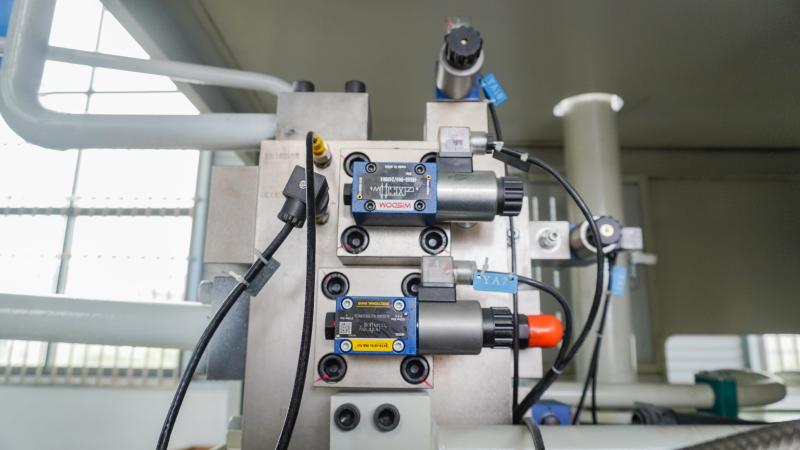
A servo system plays a critical role in controlling hydraulic press speed, pressure, and positioning accuracy. Unlike traditional hydraulic systems, a servo-driven hydraulic press requires precise coordination between the servo motor, pump, controller, and hydraulic components. Regular maintenance helps prevent performance issues such as unstable pressure, slow response, excessive noise, and inaccurate pressing results.
Approprié Hydraulic Press Servo System Maintenance can also improve energy efficiency because the servo system adjusts power output according to actual working conditions. This reduces unnecessary energy consumption while maintaining consistent production quality.
How to Perform Hydraulic Press Servo System Maintenance Step by Step
Step 1: Inspect the Servo Motor and Electrical Connections
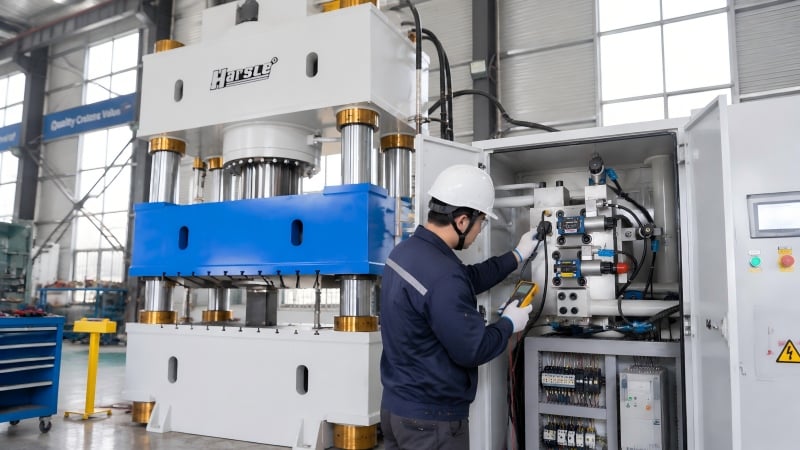
The servo motor is one of the most important components in a hydraulic press servo system. I recommend checking the motor condition regularly to identify potential problems before they affect production.
During inspection, check whether the servo motor has abnormal noise, vibration, overheating, or unusual odors. Loose electrical connections can cause unstable operation, so all cables, terminals, and connectors should be inspected carefully.
When performing hydraulic press servo motor maintenance, make sure the power supply is disconnected before checking electrical components. Cleaning dust and oil contamination around the motor can also help improve heat dissipation and prevent electrical failures.
Step 2: Check Hydraulic Oil Quality and System Cleanliness
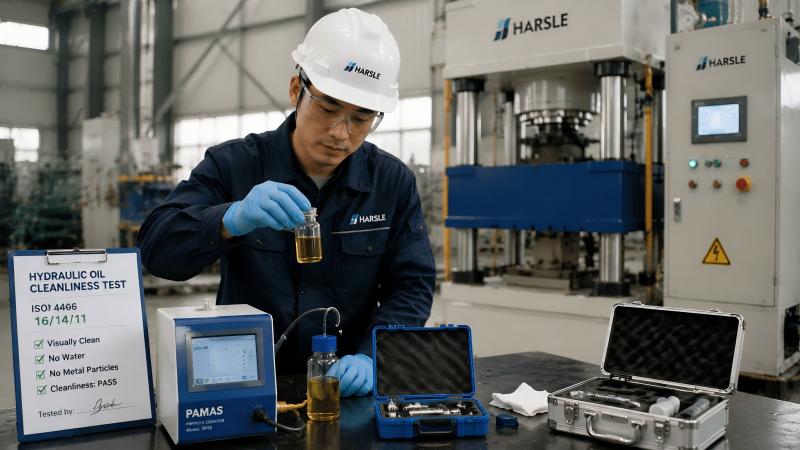
Although the servo system controls hydraulic operation, the hydraulic oil condition directly affects the performance of the entire system. Contaminated or deteriorated oil can damage the servo pump, valves, and other precision components.
I recommend checking hydraulic oil regularly for contamination, discoloration, or unusual particles. If the oil contains metal debris or excessive moisture, it should be replaced immediately.
For effective Hydraulic Press Servo System Maintenance, users should also inspect oil filters and replace clogged filters according to the manufacturer’s recommended maintenance schedule. Clean hydraulic oil ensures smooth pressure control and reduces wear on servo components.
Step 3: Inspect the Servo Pump and Hydraulic Pressure Performance
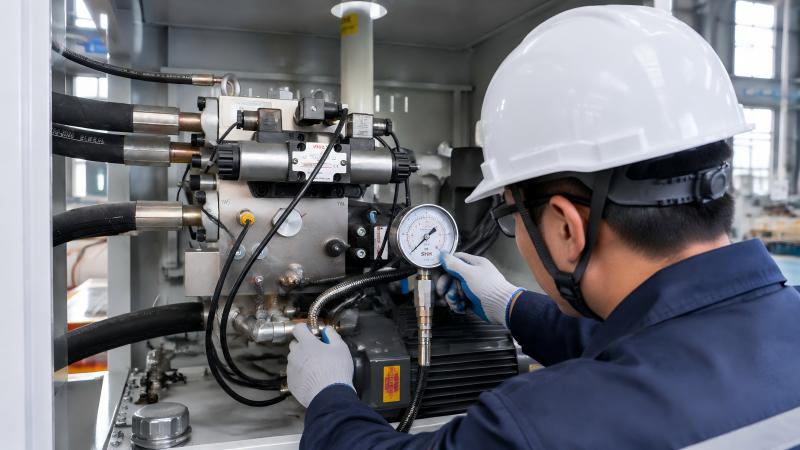
The servo pump is responsible for converting motor power into hydraulic pressure. Any issue with the pump can affect pressing force, speed, and accuracy.
During inspection, monitor pressure stability and check whether the machine reaches the required pressure smoothly. If you notice pressure fluctuations, slow movement, or unusual hydraulic sounds, the servo pump may require further inspection.
Pour servo hydraulic press troubleshooting, common causes include worn pump components, insufficient oil supply, air entering the hydraulic circuit, or incorrect system settings. Identifying these problems early can prevent expensive repairs.
Step 4: Check Servo Controller Parameters and System Settings
The servo controller manages communication between the control system and servo motor. Incorrect parameters may lead to unstable operation, inaccurate positioning, or reduced efficiency.
I suggest regularly checking important settings such as speed control parameters, pressure control values, and alarm records. If parameters have been changed accidentally, restore them according to the machine manufacturer’s specifications.
When completing hydraulic press servo system calibration, always verify that the servo controller, motor, and hydraulic system work together correctly. Proper calibration ensures accurate control and consistent pressing performance.
Step 5: Clean and Inspect Cooling Components
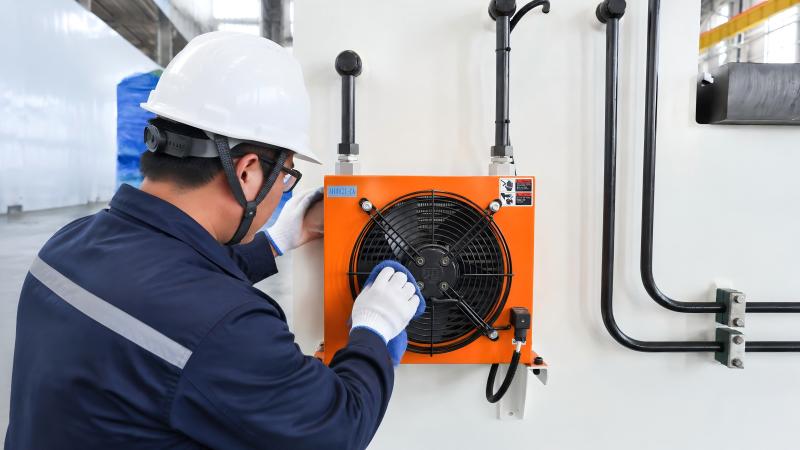
Heat management is important for maintaining servo system reliability. Excessive temperature can shorten the service life of servo motors, controllers, and hydraulic components.
Keep cooling fans, ventilation areas, and electrical cabinets clean and free from dust. Check whether cooling devices are working properly, especially in high-temperature working environments.
Regular cleaning is a simple but effective part of Hydraulic Press Servo System Maintenance that helps prevent overheating problems and improves system stability.
Common Hydraulic Press Servo System Problems and Solutions
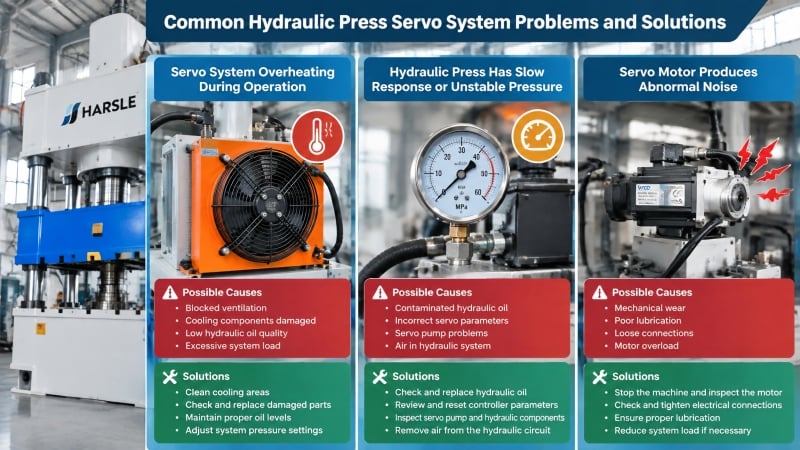
Servo System Overheating During Operation
If the servo system becomes overheated, first check whether ventilation is blocked or cooling components are damaged. Low hydraulic oil quality or excessive system load may also increase operating temperature.
Maintaining proper oil levels, cleaning cooling areas, and checking system pressure settings can help solve overheating issues.
Hydraulic Press Has Slow Response or Unstable Pressure
Slow response may result from contaminated hydraulic oil, incorrect servo parameters, or servo pump problems. Check the oil condition first, then review controller settings and inspect hydraulic components.
Régulier Hydraulic Press Servo System Maintenance helps identify these issues before they reduce production efficiency.
Servo Motor Produces Abnormal Noise
Unusual servo motor noise may indicate mechanical wear, poor lubrication, loose connections, or motor overload. Stop the machine and inspect the motor condition to avoid further damage.
FAQ
How often should I perform Hydraulic Press Servo System Maintenance?
The maintenance frequency depends on machine usage and working conditions. Daily inspections, regular cleaning, and scheduled inspections of oil quality, servo motors, and controllers are recommended. For heavy-duty applications, more frequent maintenance may be required.
What are the common signs that a hydraulic press servo system needs maintenance?
Common signs include unstable pressure, slower operation speed, increased noise, overheating, frequent alarms, and reduced pressing accuracy. These symptoms indicate that the servo system should be inspected as soon as possible.
How can I improve the service life of my hydraulic press servo system?
To extend system life, keep hydraulic oil clean, inspect electrical connections regularly, maintain correct servo parameters, and follow a preventive maintenance schedule. Proper operation and timely troubleshooting are also important.
Conclusion
Approprié Hydraulic Press Servo System Maintenance is essential for achieving stable performance, accurate operation, and long service life. Regular inspection of the servo motor, hydraulic oil, servo pump, controller settings, and cooling system can help prevent unexpected failures and reduce downtime.
By following these maintenance steps, you can improve the reliability and efficiency of your hydraulic press servo system. If you need professional guidance, technical support, or more information about hydraulic press maintenance solutions, feel free to contact the HARSLE team for assistance.


