


Hydraulic Cylinder Internal Leakage can cause a hydraulic press to lose pressure, move slowly, drift from its holding position, or produce inconsistent pressing force. Unlike an external leak, internal leakage may not leave visible oil around the cylinder, which makes the problem more difficult to identify. In this guide, I will explain the common causes and symptoms of internal cylinder leakage, show you how to diagnose it step by step, and provide practical solutions to help restore stable presse hydraulique performance.
What Causes Hydraulic Cylinder Internal Leakage?
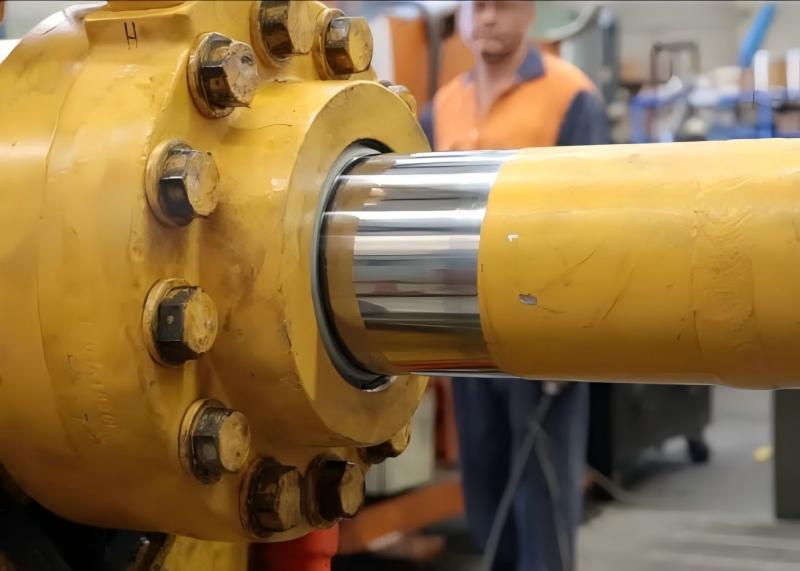
Internal leakage occurs when hydraulic oil passes between areas inside the cylinder that should remain separated. A small amount of internal leakage may exist depending on the cylinder design, but excessive leakage can significantly reduce pressure and efficiency.
Worn or Damaged Piston Seals
Piston seals separate the pressure chambers inside the hydraulic cylinder. When these seals become worn, hardened, cut, or damaged, pressurized oil can bypass the piston instead of generating the required force.
Seal deterioration may result from long operating hours, excessive temperature, incorrect installation, contaminated oil, or unsuitable seal materials.
Cylinder Bore or Piston Damage
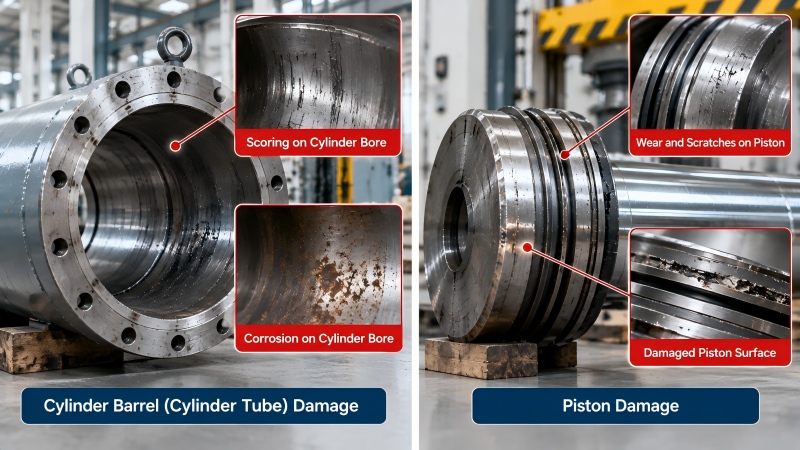
Damage to the cylinder bore or piston can prevent the sealing system from working correctly. Scratches, scoring, corrosion, or excessive wear can create paths for hydraulic oil to bypass the piston.
If new seals fail again shortly after replacement, I recommend inspecting the internal cylinder surfaces instead of simply installing another seal kit.
Huile hydraulique contaminée
Contaminated hydraulic oil can accelerate wear inside the cylinder. Metal particles and other hard contaminants may scratch sealing surfaces, while degraded oil can affect seal life and lubrication.
Maintaining clean hydraulic oil is therefore important for both preventing hydraulic cylinder internal leakage and extending component life.
What Are the Symptoms of Hydraulic Cylinder Internal Leakage?
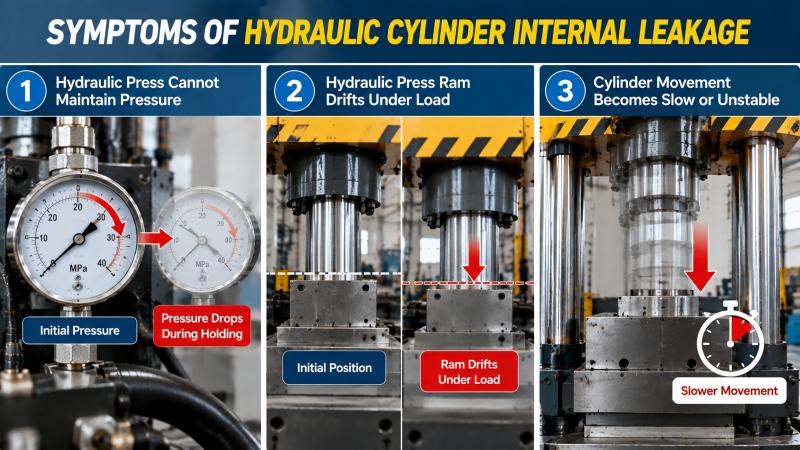
Hydraulic Press Cannot Maintain Pressure
One common symptom is pressure loss while the hydraulic press is holding a load. If pressure gradually decreases without visible external leakage, oil may be bypassing the piston seal internally.
However, pressure loss can also result from valves or other hydraulic components, so I do not assume that the cylinder is faulty until additional tests confirm it.
Hydraulic Press Ram Drifts Under Load
A ram that gradually moves from its commanded position can indicate internal leakage. Oil passing across the piston may prevent the cylinder from maintaining a stable position.
Ram drift should be investigated promptly because it can affect processing accuracy and machine safety.
Cylinder Movement Becomes Slow or Unstable
Internal bypass reduces the effective flow available to move the cylinder. The press may therefore move more slowly than normal or require additional time to reach the desired pressure.
If pump output and valve operation are normal, checking the hydraulic cylinder becomes an important next step.
How to Diagnose Hydraulic Cylinder Internal Leakage Step by Step?
Step 1: Check for External Hydraulic Oil Leakage
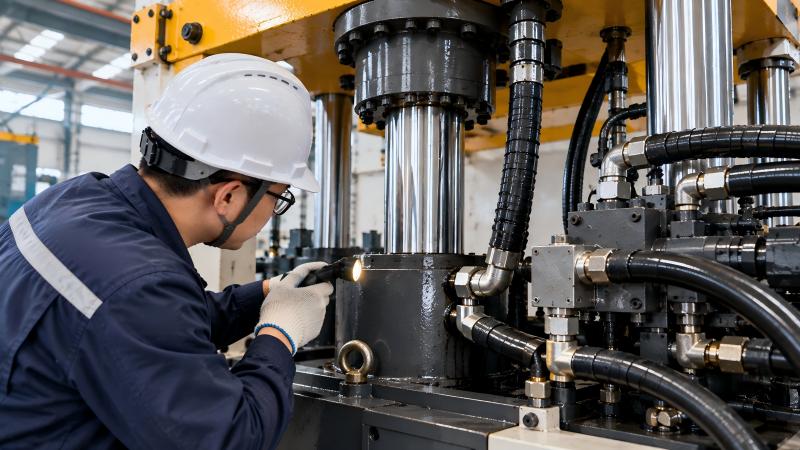
Before diagnosing internal leakage, inspect the cylinder body, rod seal, hydraulic fittings, hoses, and connections for visible oil.
External leakage can produce symptoms similar to internal pressure loss. Identifying and repairing visible leaks first helps avoid an incorrect diagnosis.
Step 2: Monitor Hydraulic Pressure During Operation
Connect an appropriate pressure gauge or use the machine’s pressure monitoring system to observe hydraulic pressure during a controlled operating cycle.
Bring the press to the specified test condition and monitor whether pressure remains stable. If pressure falls while the control command remains unchanged, leakage may exist somewhere in the hydraulic circuit.
Always follow the manufacturer’s test procedure and safely support or isolate loads before performing diagnostic work.
Step 3: Check for Hydraulic Ram Drift
Move the ram to a controlled position and observe whether it remains stable under the specified test conditions.
Unexpected movement may indicate internal cylinder bypass, but directional valves, check valves, and other circuit components can also cause drift. I recommend evaluating these components before concluding that the cylinder seals have failed.
Step 4: Perform a Cylinder Leakage Test
A controlled leakage test can help distinguish cylinder leakage from other hydraulic faults. Depending on the machine design, technicians may isolate the cylinder circuit and monitor pressure decay or oil bypass.
Because high-pressure hydraulic systems store significant energy, this procedure should only be performed by qualified personnel using the manufacturer’s service instructions. Never disconnect a pressurized hydraulic line simply to check for leakage.
Step 5: Inspect Seals and Internal Cylinder Surfaces
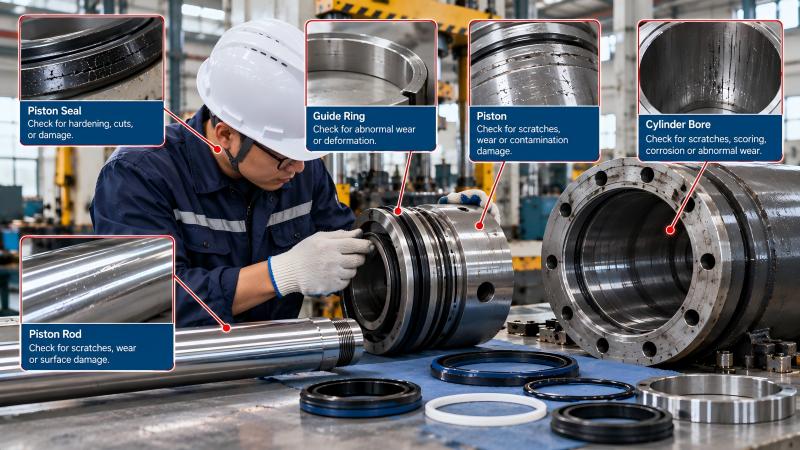
If testing confirms excessive internal leakage, depressurize and isolate the hydraulic system before disassembling the cylinder.
Inspect piston seals, wear rings, the piston, cylinder bore, and rod surfaces. Look for hardened seals, cuts, scoring, abnormal wear, or contamination damage.
Replacing seals alone may not solve the problem if the bore or piston surface is damaged.
How to Prevent Hydraulic Cylinder Internal Leakage?
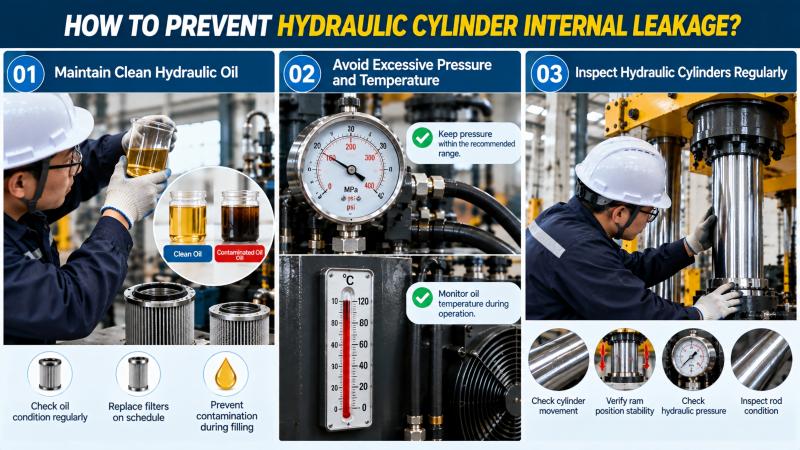
Maintenir l'huile hydraulique propre
I recommend checking hydraulic oil condition regularly and replacing filters according to machine operating conditions. Clean oil reduces abrasive wear on seals and precision surfaces.
Preventing contamination when filling or servicing the hydraulic system is equally important.
Avoid Excessive Pressure and Temperature
Operating beyond recommended pressure or temperature limits can shorten seal life and increase internal wear.
Monitor hydraulic pressure and oil temperature during production, and investigate repeated overheating or pressure spikes instead of allowing the machine to continue operating abnormally.
Inspect Hydraulic Cylinders Regularly
Regular inspection helps identify developing problems before they cause significant pressure loss. Check cylinder movement, ram position stability, hydraulic pressure, rod condition, and oil cleanliness as part of preventive maintenance.
Maintenance records can also help reveal gradual changes in cylinder performance.
Common Hydraulic Cylinder Leakage Problems and Solutions
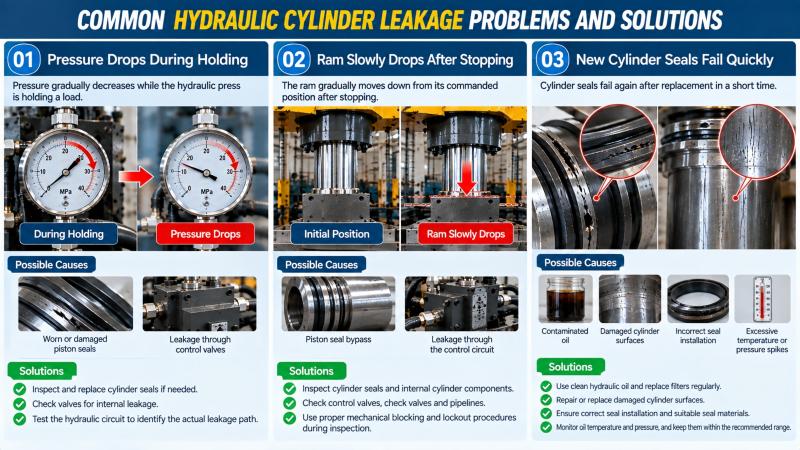
Pressure Drops During Holding
If pressure decreases during the holding stage, inspect the cylinder seals and also check valves that may allow pressure to escape from the circuit.
Testing both areas helps identify the actual leakage path.
Ram Slowly Drops After Stopping
A slowly dropping ram may be associated with piston seal bypass or leakage through the control circuit.
Do not rely on the hydraulic system alone to support a load during inspection. Follow the machine’s specified mechanical blocking and lockout procedures.
New Cylinder Seals Fail Quickly
Repeated seal failure may indicate contaminated oil, damaged cylinder surfaces, incorrect seal installation, excessive temperature, or pressure spikes.
Finding the underlying cause before installing another seal set can prevent repeated repairs.
FAQ
What are the main signs of hydraulic cylinder internal leakage?
Common signs include pressure loss, ram drift, reduced pressing force, slow cylinder movement, and difficulty maintaining a stable position without obvious external oil leakage.
Can hydraulic cylinder internal leakage occur without visible oil?
Yes. Internal leakage occurs inside the cylinder, so hydraulic oil can bypass the piston without appearing outside the machine.
How can I confirm hydraulic cylinder internal leakage?
Pressure monitoring, ram drift checks, circuit isolation, and controlled leakage testing can help confirm the problem. Other components such as control valves should also be checked because they can create similar symptoms.
Conclusion
Hydraulic Cylinder Internal Leakage can lead to pressure loss, ram drift, slow movement, and inconsistent presse hydraulique performance. By checking for external leaks, monitoring pressure, observing ram drift, testing the hydraulic circuit, and inspecting internal cylinder components, you can locate the problem more accurately and avoid unnecessary repairs.
Regular oil maintenance, proper pressure control, and preventive cylinder inspections can also reduce future leakage problems. If you need additional help diagnosing your HARSLE hydraulic press, contact our technical team for machine-specific troubleshooting and maintenance support.


