


Laser cutting sheet warping is one of the most common challenges in sheet metal fabrication, especially when processing thin materials. If you’ve noticed parts lifting, twisting, or deforming during cutting, you’re not alone. Warping can reduce dimensional accuracy, affect assembly quality, and increase material waste. In this article, I’ll explain the main causes of laser cutting sheet warping and share practical methods to prevent it. By following these guidelines, you can improve cut quality, reduce scrap rates, and achieve more stable production results.
Comprendre les causes de Découpe laser Sheet Warping
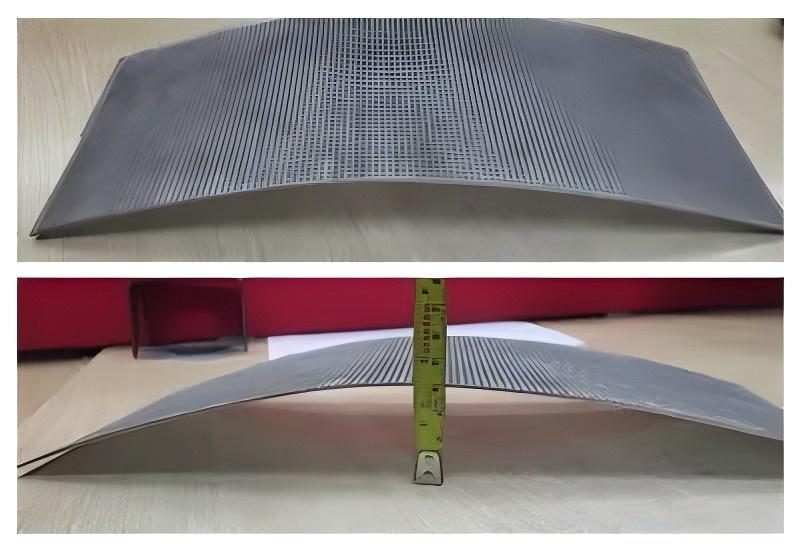
Before solving the problem, I always start by identifying the root causes. Warping occurs when thermal stress exceeds the material’s ability to remain flat.
Uneven Heat Distribution During Coupe
Laser cutting generates intense localized heat. When one area of the sheet heats up faster than another, thermal expansion occurs unevenly. As the material cools, residual stress causes the sheet to bend or distort.
Thin Material Sensitivity
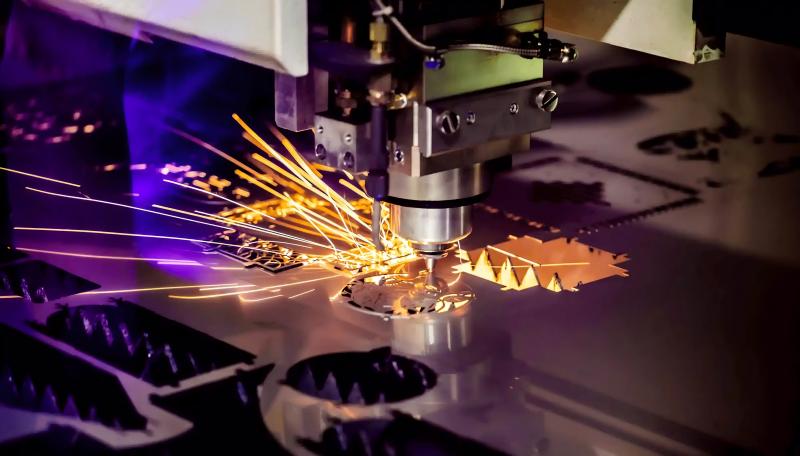
Thin sheets have lower structural rigidity than thicker materials. As a result, they are more susceptible to thermal deformation during the cutting process.
Improper Cutting Parameters
Excessive laser power, slow cutting speeds, or incorrect focus positions can introduce excessive heat into the material, increasing the likelihood of laser cutting sheet warping.
Poor Sheet Support
If the sheet is not properly supported on the cutting table, heated sections may sag or lift during processing, leading to permanent deformation.
How to Reduce Laser Cutting Sheet Warping
Step 1: Optimize Laser Power Settings
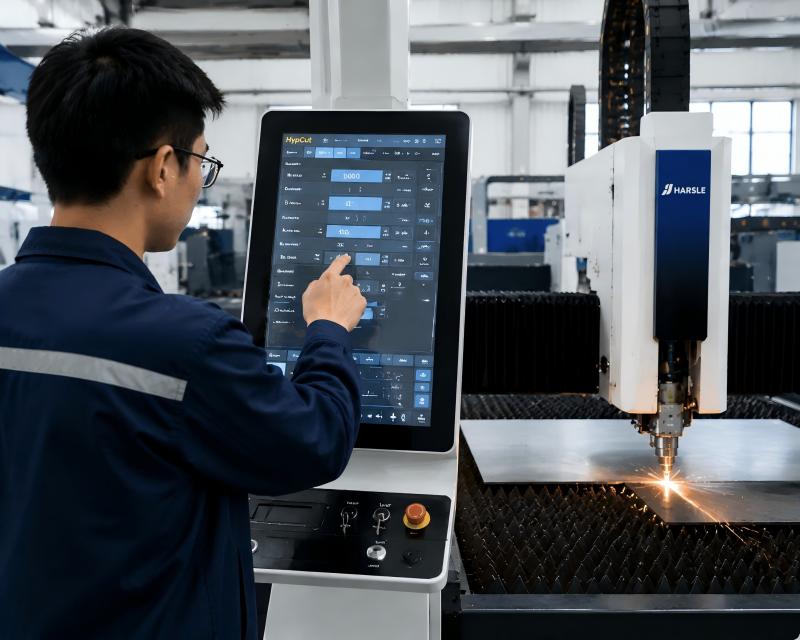
I always begin by reviewing laser power. Excessive power introduces unnecessary heat into the workpiece.
Use only the power required to achieve a clean cut. Lower heat input reduces thermal stress and helps maintain sheet flatness.
Step 2: Adjust Cutting Speed Correctly
Cutting too slowly increases heat accumulation. Increasing cutting speed within the recommended range helps reduce thermal exposure.
Perform test cuts to identify the optimal balance between cut quality and heat control.
Step 3: Use Proper Focus Position
Incorrect focus settings can widen the heat-affected zone and increase material distortion.
Verify focus position regularly and adjust according to material thickness and cutting requirements.
Step 4: Improve Sheet Support and Clamping
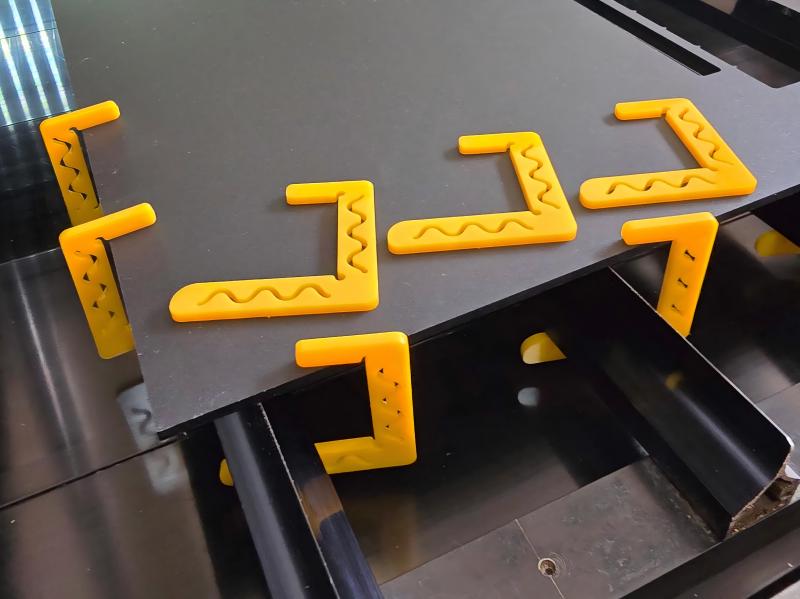
Proper support is essential when processing thin materials.
Ensure the sheet lies flat on the cutting bed and use appropriate support structures to minimize movement during cutting.
Step 5: Optimize Cutting Path Planning
Smart nesting and cutting sequences can significantly reduce thermal stress.
Avoid concentrating cuts in one area. Instead, distribute heat evenly across the sheet by alternating cutting locations.
Best Practices for Preventing Warping on Thin Sheet Metal
Use Micro-Joints or Tabs
Micro-joints help keep cut parts connected to the parent sheet during processing. This prevents parts from shifting or lifting due to thermal stress.
Select the Correct Assist Gas
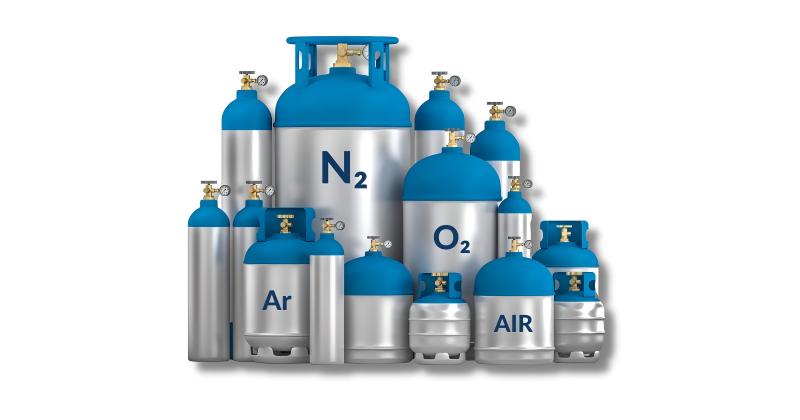
The choice of assist gas affects heat transfer and cutting efficiency.
For stainless steel and aluminum, nitrogen often produces cleaner cuts with lower thermal impact than oxygen.
Maintain Consistent Material Quality
Material quality variations can influence warping behavior.
I recommend sourcing sheets from reliable suppliers and verifying flatness before processing.
Keep the Cutting Table Clean
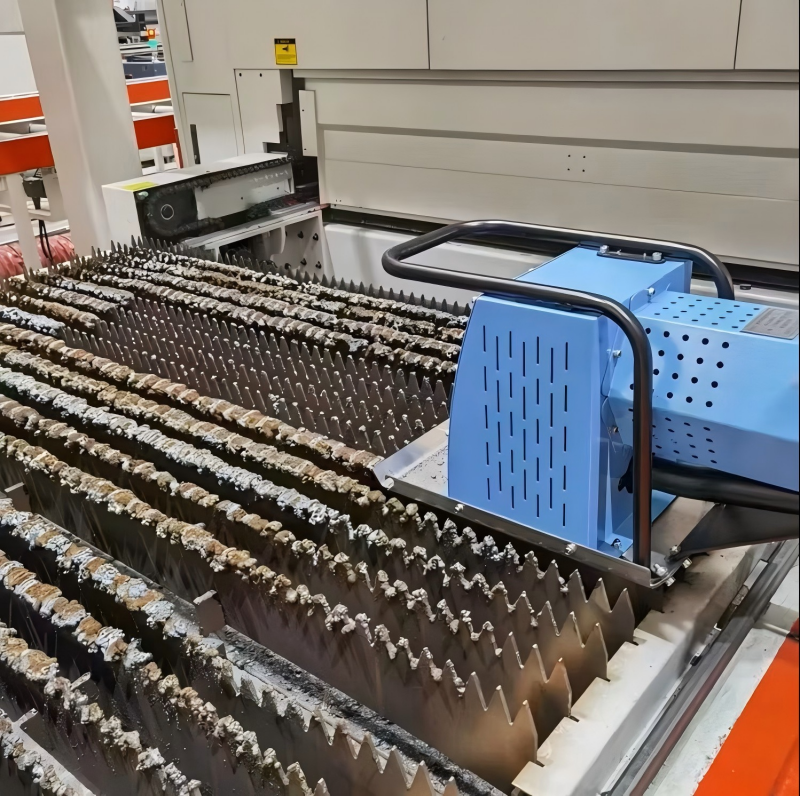
Slag buildup and debris can create uneven support points.
Regular cleaning ensures the material remains level throughout the cutting process.
How Machine Maintenance Helps Reduce Laser Cutting Sheet Warping
Inspect Guide Rails and Bearings
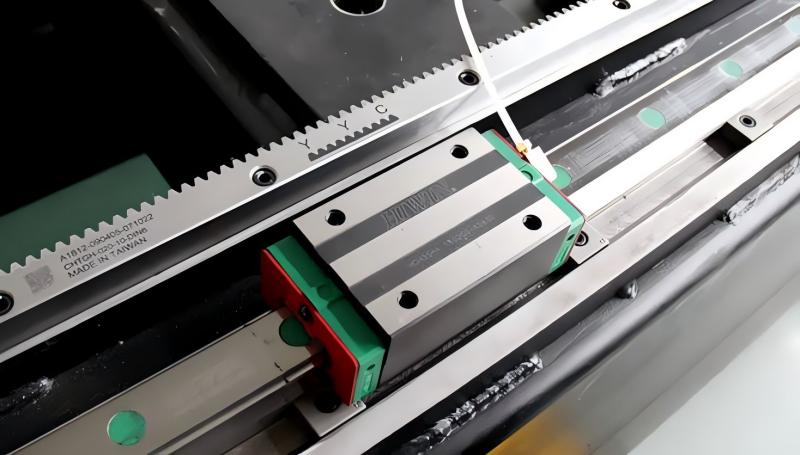
Worn guide rails or bearings can create positioning inaccuracies and vibration, which may contribute to cutting inconsistencies.
Check Nozzle Condition
Damaged or contaminated nozzles affect gas flow and cutting stability.
Inspect nozzles regularly and replace them when necessary.
Verify Calibration
Machine calibration directly affects cut quality.
Periodically check focus height sensors, servo systems, and positioning accuracy to ensure stable performance.
Common Mistakes That Increase Sheet Warping
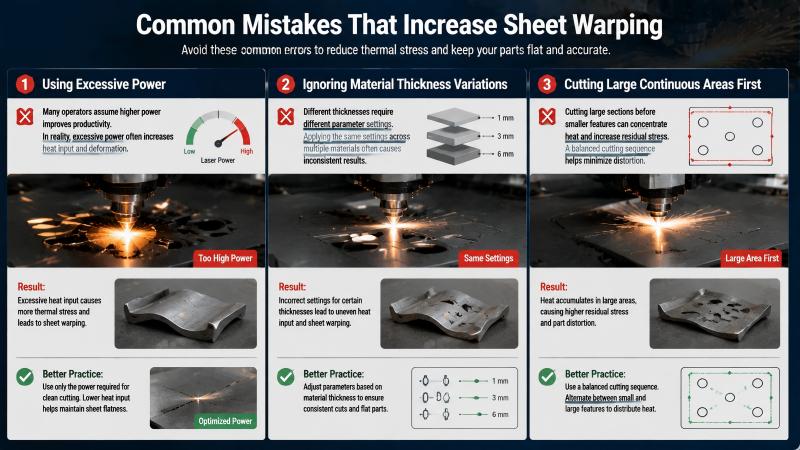
Using Excessive Power
Many operators assume higher power improves productivity. In reality, excessive power often increases heat input and deformation.
Ignoring Material Thickness Variations
Different thicknesses require different parameter settings. Applying the same settings across multiple materials often causes inconsistent results.
Cutting Large Continuous Areas First
Cutting large sections before smaller features can concentrate heat and increase residual stress.
A balanced cutting sequence helps minimize distortion.
FAQ
What causes laser cutting sheet warping most often?
The most common causes are excessive heat input, uneven thermal distribution, improper cutting parameters, and inadequate material support.
Does higher laser power increase laser cutting sheet warping?
Yes. Excessive laser power introduces more heat into the material, increasing thermal expansion and residual stress that lead to warping.
How can I prevent laser cutting sheet warping on stainless steel?
Use optimized cutting parameters, nitrogen assist gas, proper focus settings, and balanced cutting paths to reduce heat concentration and distortion.
Conclusion
Prévenir laser cutting sheet warping requires a combination of proper parameter selection, effective heat management, quality materials, and regular machine maintenance. By optimizing laser power, adjusting cutting speed, improving sheet support, and using intelligent cutting paths, you can significantly reduce thermal distortion and improve part quality.
Consistent monitoring and preventive maintenance will help ensure stable cutting performance and lower production costs. If you’re experiencing persistent warping issues or need assistance optimizing your laser cutting process, feel free to contact our technical team for professional support and guidance.


