


Máquina de cisalhamento Cutting Angles are critical factors in achieving accurate and consistent cutting results, directly affecting product quality and material efficiency. When cutting angles become inconsistent, the problem may come from blade alignment, machine calibration, hydraulic performance, or improper operating conditions. If you are experiencing uneven cutting results and want to understand the possible causes and solutions, you’re in the right place. In this article, I’ll explain the main factors affecting cutting angle accuracy and provide practical methods to improve shearing performance, helping you achieve more stable, precise, and reliable cutting results.
Understanding Shearing Machine Ângulo de corte Precisão
What Are Shearing Machine Cutting Angles?
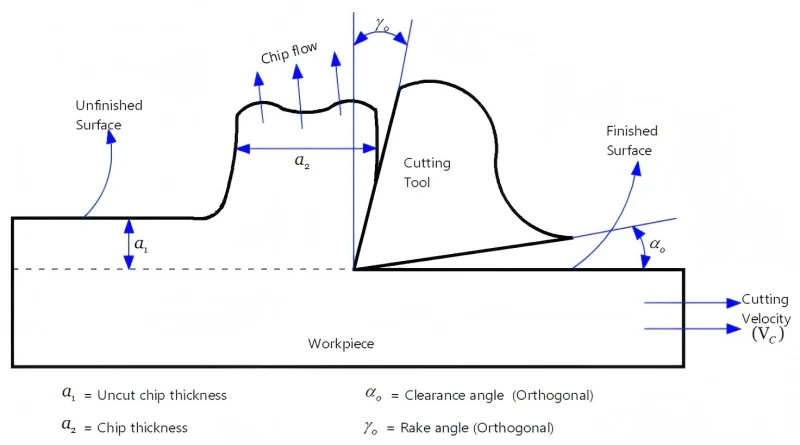
The cutting angle of a shearing machine refers to the angle formed during the cutting process between the upper blade and lower blade. This angle directly affects cutting force, material deformation, and edge quality.
For industrial sheet metal processing, stable Shearing Machine Cutting Angles are important because even small variations can cause uneven edges, dimensional errors, and inconsistent finished products.
Why Cutting Angle Consistency Matters
A stable cutting angle ensures that the material is cut smoothly with minimal distortion. When the angle changes during operation, the machine may produce different results even when processing the same material thickness.
Maintaining accurate cutting angles helps improve production efficiency, reduce scrap rates, and extend the service life of blades and other machine components.
Common Causes of Inconsistent Shearing Machine Cutting Angles
Blade Alignment Problems
Incorrect Upper and Lower Blade Clearance
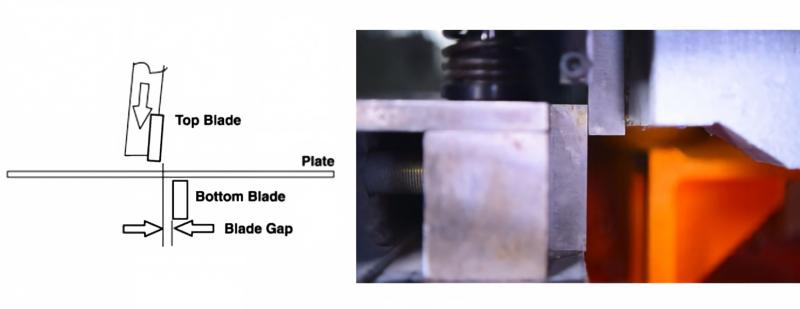
One of the most common causes of inconsistent cutting angles is incorrect blade clearance. The gap between the upper and lower blades must match the material thickness and type.
If the clearance is too large, the material may experience excessive deformation and produce rough edges. If the clearance is too small, it increases cutting force and accelerates blade wear.
I recommend checking blade clearance regularly and adjusting it according to the material specifications and manufacturer guidelines.
Worn or Damaged Cutting Blades
Over time, repeated cutting operations cause blade edges to become dull or uneven. A worn blade cannot maintain consistent contact with the material, leading to unstable cutting angles.
Regular blade inspection and timely replacement help maintain accurate cutting performance.
Machine Calibration Issues
Incorrect Back Gauge Positioning
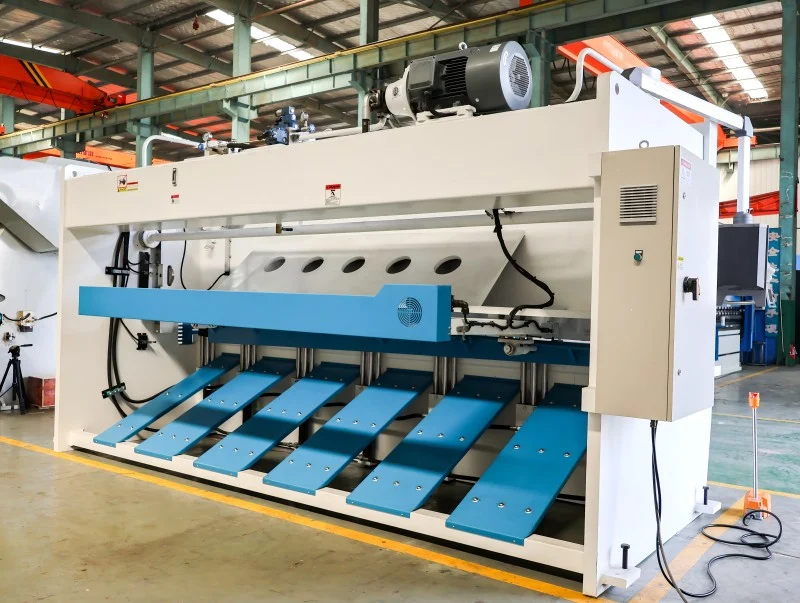
The back gauge controls the positioning accuracy of the workpiece before cutting. If the back gauge is not correctly calibrated, the material position may vary, causing inconsistent cutting results.
Checking back gauge accuracy and recalibrating the positioning system can significantly improve cutting consistency.
Incorrect Machine Leveling
A shearing machine installed on an uneven foundation may experience frame deformation or uneven loading. This affects blade movement and creates variations in cutting angles.
Proper machine leveling is an important step for maintaining long-term accuracy.
Hydraulic System Performance Problems
Uneven Hydraulic Pressure
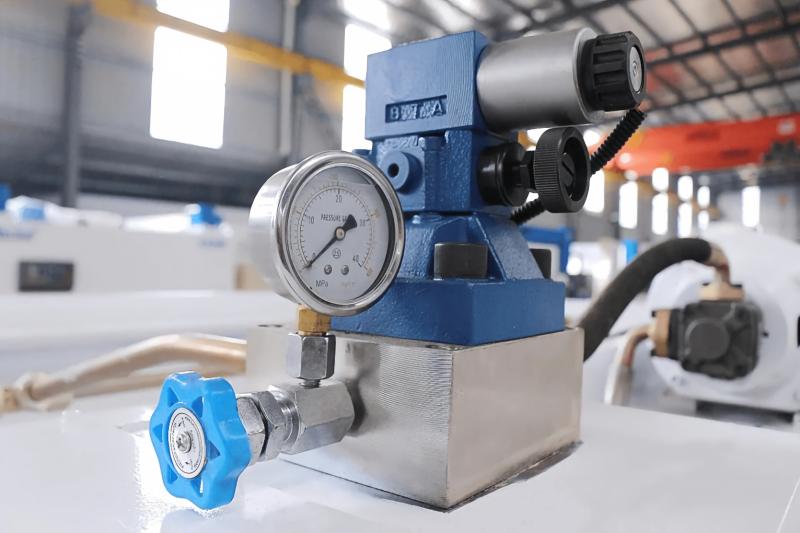
Hydraulic shearing machines rely on stable pressure to control blade movement. If hydraulic pressure fluctuates, the upper blade may move unevenly during cutting.
Problems such as oil contamination, pump wear, or valve failure can affect hydraulic stability and lead to inconsistent cutting angles.
Manutenção do óleo hidráulico
Dirty or degraded hydraulic oil can reduce system response and affect machine accuracy. Regular oil inspection, filtration, and replacement help maintain stable hydraulic performance.
Material and Operating Factors
Different Material Properties
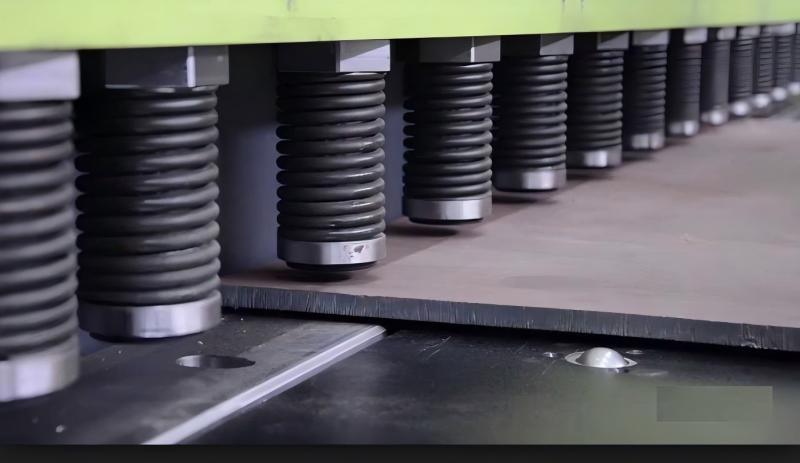
Material hardness, thickness variation, and internal stress can influence cutting results. Even if the machine settings remain unchanged, different material batches may produce different cutting angles.
I recommend verifying material specifications before production and adjusting machine parameters when necessary.
Incorrect Cutting Parameters
Improper cutting settings, such as unsuitable blade clearance or cutting sequence, can affect angle consistency.
Operators should follow recommended parameters based on material type and thickness to achieve stable results.
How to Improve Shearing Machine Cutting Angle Consistency
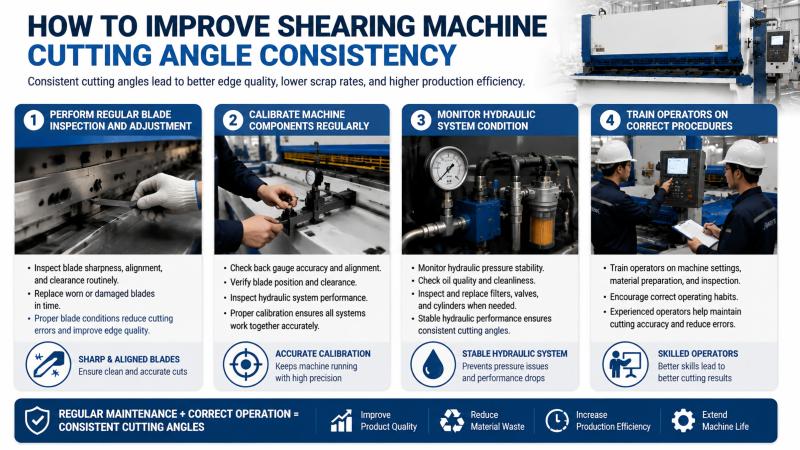
Perform Regular Blade Inspection and Adjustment
Routine inspection of blade sharpness, alignment, and clearance is essential. Maintaining proper blade conditions reduces cutting errors and improves edge quality.
Calibrate Machine Components Regularly
I recommend checking key components such as the back gauge, hydraulic system, and blade position regularly. Proper calibration ensures that all machine systems work together accurately.
Monitor Hydraulic System Condition
Regular hydraulic inspections help identify pressure problems before they affect production. Checking oil quality, filters, valves, and cylinders supports stable machine operation.
Train Operators on Correct Procedures
Operator experience has a direct impact on cutting accuracy. Proper training ensures that operators understand machine settings, material preparation, and inspection procedures.
Perguntas frequentes
Why are my Shearing Machine Cutting Angles inconsistent even after adjusting the blade gap?
Inconsistent angles may also be caused by blade wear, hydraulic pressure fluctuations, incorrect machine leveling, or inaccurate back gauge positioning.
How often should I check shearing machine blade alignment?
Blade alignment should be checked regularly based on machine usage. High-production environments may require more frequent inspections.
Can hydraulic problems affect cutting angle accuracy?
Yes. Unstable hydraulic pressure or contaminated oil can affect blade movement and cause inconsistent cutting angles.
Does material thickness affect Shearing Machine Cutting Angles?
Yes. Different thicknesses require different blade clearance and cutting parameters to maintain accurate results.
Conclusão
Maintaining consistent Shearing Machine Cutting Angles requires proper blade adjustment, accurate machine calibration, stable hydraulic performance, and correct operating procedures. By regularly inspecting critical components and addressing potential problems early, manufacturers can improve cutting accuracy, reduce material waste, and extend machine service life.
A well-maintained shearing machine delivers more reliable performance and higher production efficiency. For more technical guidance on shearing machine operation, maintenance, and troubleshooting, feel free to contact our team for professional support.


