


Hydraulic Valve Failure in Máquina de cisalhamento is one of the most common hydraulic system issues that can cause unstable cutting performance, affecting blade movement, cutting accuracy, and overall machine reliability. If you are experiencing slow response, abnormal noise, pressure fluctuations, or inconsistent cutting results, understanding how to diagnose and repair hydraulic valve problems is essential. In this article, I’ll explain the common causes of hydraulic valve failure, troubleshooting steps, and preventive maintenance methods to help you restore stable machine operation, reduce unexpected downtime, and improve long-term shearing machine performance.
Understanding Hydraulic Valve Failure in Máquina de cisalhamento
What Does a Hydraulic Valve Do in a Shearing Machine?
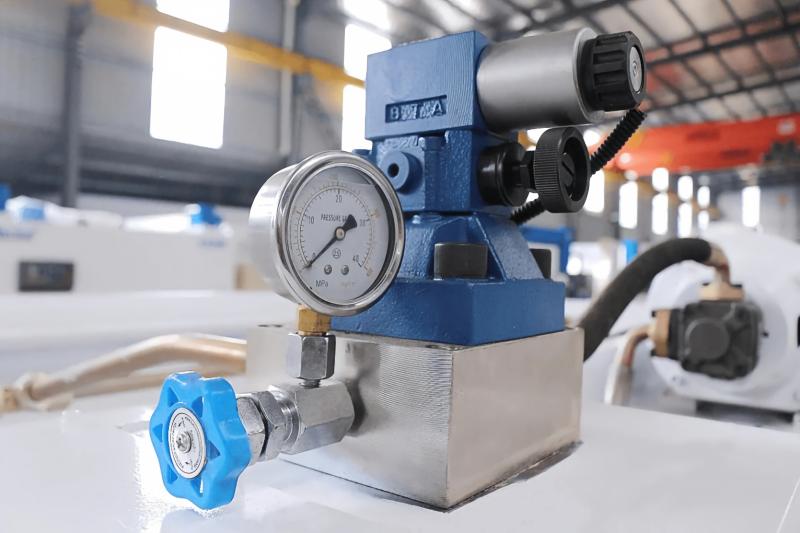
The hydraulic valve controls the direction, pressure, and flow of hydraulic oil inside the shearing machine system. It regulates the movement of hydraulic cylinders, allowing the upper blade to move accurately during cutting operations.
A properly functioning hydraulic valve ensures smooth blade movement, stable cutting force, and consistent performance. When the valve fails, the hydraulic system may lose control, causing problems such as slow blade return, uneven cutting, or complete machine stoppage.
Common Symptoms of Hydraulic Valve Failure
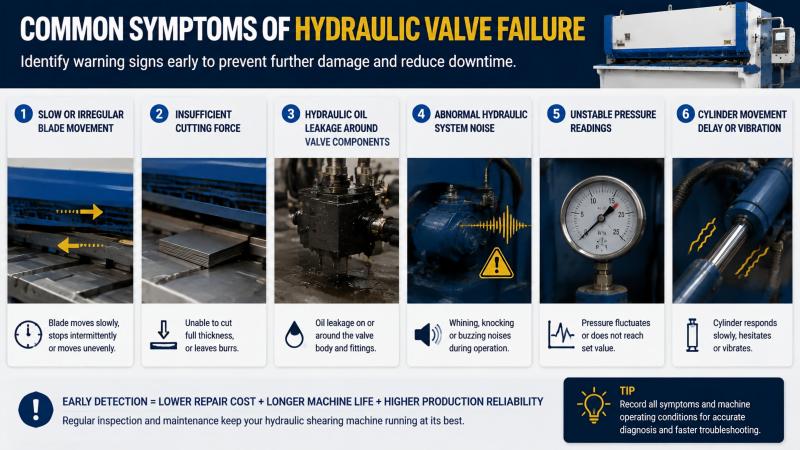
Before repairing a hydraulic valve, I recommend identifying the warning signs. Common symptoms include:
- Slow or irregular blade movement
- Insufficient cutting force
- Hydraulic oil leakage around valve components
- Abnormal hydraulic system noise
- Leituras de pressão instáveis
- Cylinder movement delay or vibration
Recognizing these symptoms early helps prevent further damage to pumps, cylinders, and other hydraulic components.
Main Causes of Hydraulic Valve Failure in Shearing Machine
Óleo hidráulico contaminado
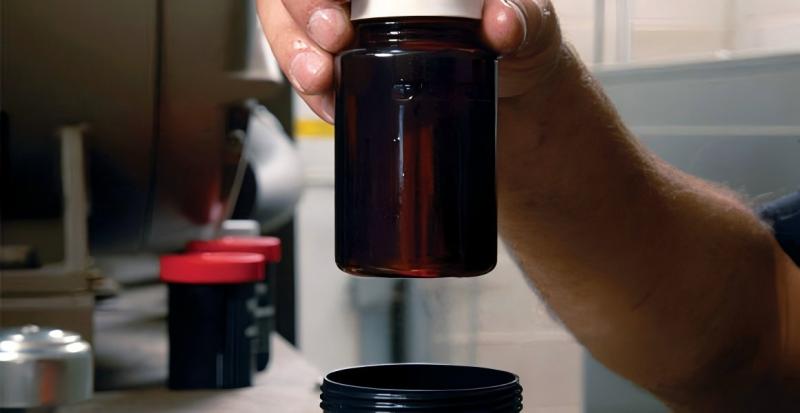
One of the most common causes of hydraulic valve problems is oil contamination. Dust, metal particles, and moisture can enter the hydraulic system and damage valve spools or internal surfaces.
Contaminated oil may cause the valve spool to stick, reducing response speed and affecting cutting accuracy. Regular oil filtration and cleanliness monitoring are essential for preventing this issue.
Incorrect Hydraulic Pressure Settings
Excessive or insufficient hydraulic pressure can affect valve performance. If pressure exceeds the recommended range, internal valve components may experience excessive stress and wear.
Low pressure, on the other hand, may prevent the hydraulic cylinders from generating enough force for proper cutting operations.
Valve Wear and Internal Leakage
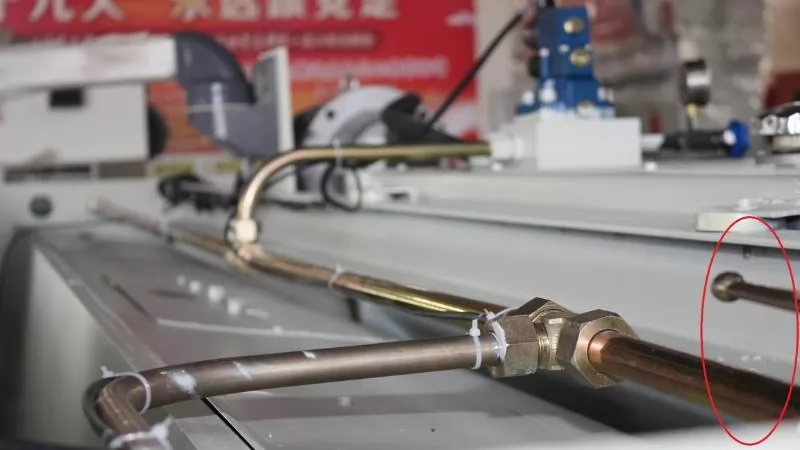
After long-term operation, hydraulic valve components may wear due to repeated movement and high-pressure conditions. Internal leakage can reduce system efficiency and cause unstable cylinder movement.
Regular inspection helps identify worn valve components before they lead to major machine failures.
Electrical Control Problems
Modern shearing machines often use solenoid valves controlled by electrical signals. Faulty wiring, damaged coils, or control system errors can prevent valves from operating correctly.
Electrical inspection should always be included when troubleshooting hydraulic valve problems.
How to Troubleshoot Hydraulic Valve Failure in Shearing Machine
Passo 1: Verificar o estado do óleo hidráulico
The first step is inspecting the hydraulic oil quality. Check for unusual color, contamination, water content, or abnormal smell.
If the oil is dirty, replace or filter it according to manufacturer recommendations. Clean hydraulic oil improves valve response and extends component lifespan.
Step 2: Inspect Valve Connections and Components
Check all hydraulic valve connections, seals, and mounting points. Look for oil leaks, loose fittings, or damaged seals.
A loose connection can reduce hydraulic pressure and cause unstable machine operation.
Step 3: Test Hydraulic Pressure
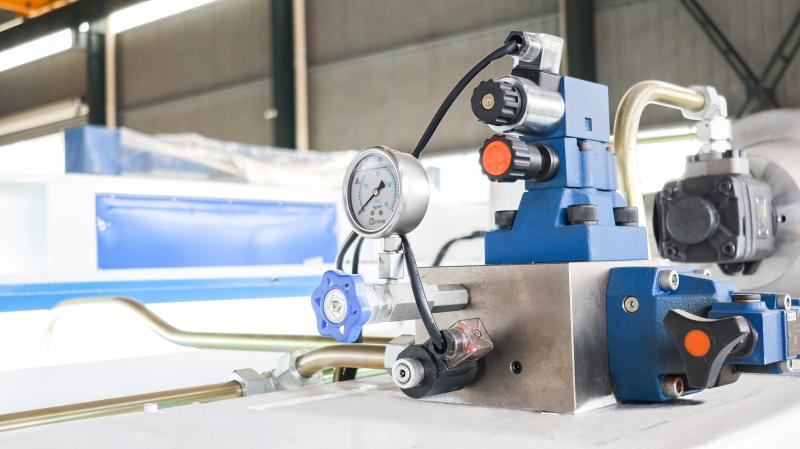
Use a pressure gauge to verify whether the hydraulic system is operating within the correct range.
If pressure values are abnormal, inspect the valve, pump, and related hydraulic components to identify the source of the problem.
Step 4: Clean or Replace the Hydraulic Valve
If contamination causes the valve spool to stick, cleaning may restore normal operation. Remove the valve carefully and clean internal components using proper hydraulic maintenance procedures.
If the valve has severe wear or damage, replacement is usually the best solution.
Step 5: Check Electrical Signals
For electrically controlled hydraulic valves, inspect solenoid coils, wiring connections, and control signals.
Make sure the CNC system sends correct commands and that the valve responds properly during operation.
Preventive Maintenance for Hydraulic Valve Reliability
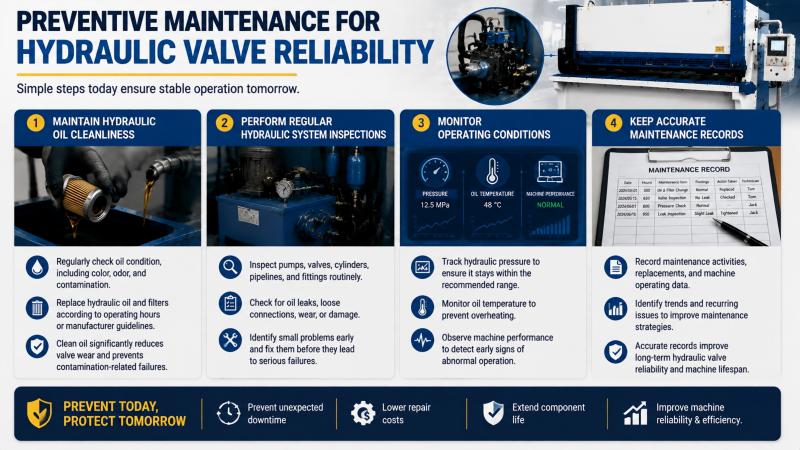
Manter a limpeza do óleo hidráulico
I recommend regularly checking oil condition and replacing filters according to operating hours. Clean oil significantly reduces valve wear and prevents contamination-related failures.
Perform Regular Hydraulic System Inspections
Routine inspection of pumps, valves, cylinders, and pipelines helps identify small problems before they become serious failures.
Monitor Operating Conditions
Tracking hydraulic pressure, oil temperature, and machine performance helps detect early signs of abnormal operation.
A maintenance record can help engineers identify trends and improve long-term machine reliability.
Perguntas frequentes
What are the common signs of Hydraulic Valve Failure in Shearing Machine?
Common signs include unstable blade movement, pressure loss, abnormal noise, oil leakage, and reduced cutting performance.
How often should hydraulic valves be inspected?
Inspection frequency depends on machine usage and working conditions. Regular checks during scheduled maintenance are recommended.
Can contaminated hydraulic oil damage hydraulic valves?
Yes. Contaminated oil can cause valve sticking, internal wear, and reduced hydraulic system performance.
Should I repair or replace a failed hydraulic valve?
Minor contamination issues may be solved through cleaning, but severely worn or damaged valves should usually be replaced.
Conclusão
Proper diagnosis and maintenance are essential for solving Hydraulic Valve Failure in Shearing Machine problems. By checking hydraulic oil quality, inspecting valve components, monitoring pressure, and maintaining electrical controls, operators can restore stable machine performance and prevent future failures.
A reliable hydraulic system is critical for maintaining cutting accuracy and production efficiency. For more technical guidance or professional support on shearing machine maintenance, feel free to contact our team for assistance.


