


Máquina de cisalhamento Angle Deviation is a common accuracy issue that can affect cutting quality, production efficiency, and final product consistency. When a shearing machine produces repeated angle deviation, it usually indicates problems related to blade alignment, machine calibration, hydraulic stability, or material positioning. If you are experiencing inconsistent cutting angles or repeated dimensional errors during production, you are in the right place. In this article, I’ll explain the main causes of angle deviation and provide practical troubleshooting methods to help you restore accurate and stable shearing performance.
Entendimento Máquina de cisalhamento Angle Deviation
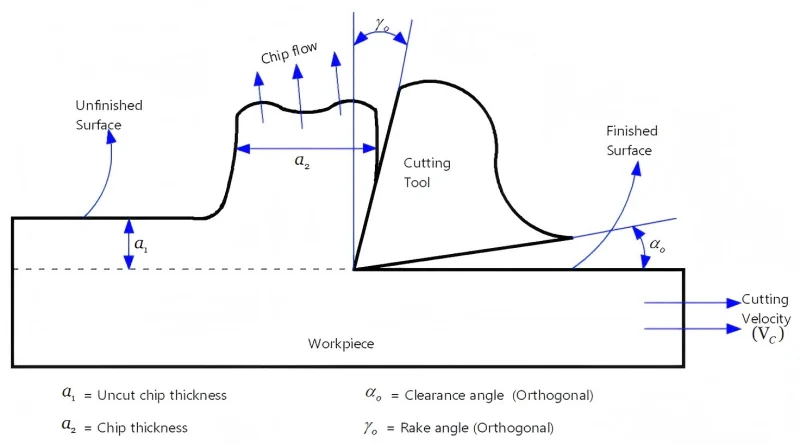
What Is Shearing Machine Angle Deviation?
Shearing Machine Angle Deviation refers to the difference between the expected cutting angle and the actual angle produced during the shearing process. This deviation can appear as inconsistent sheet edges, incorrect part dimensions, or repeated cutting errors.
For precision metal fabrication, even a small angle variation can affect downstream processes such as bending, welding, and assembly. Therefore, maintaining accurate cutting performance is essential for improving overall production quality.
Why Accurate Cutting Angle Matters
A shearing machine relies on precise coordination between the upper blade, lower blade, back gauge system, hydraulic system, and control components. Any instability in these areas can influence cutting accuracy.
When angle deviation occurs repeatedly, it not only reduces product quality but may also increase material waste and require additional correction work.
Common Causes of Shearing Machine Angle Deviation
Blade Wear and Incorrect Blade Clearance
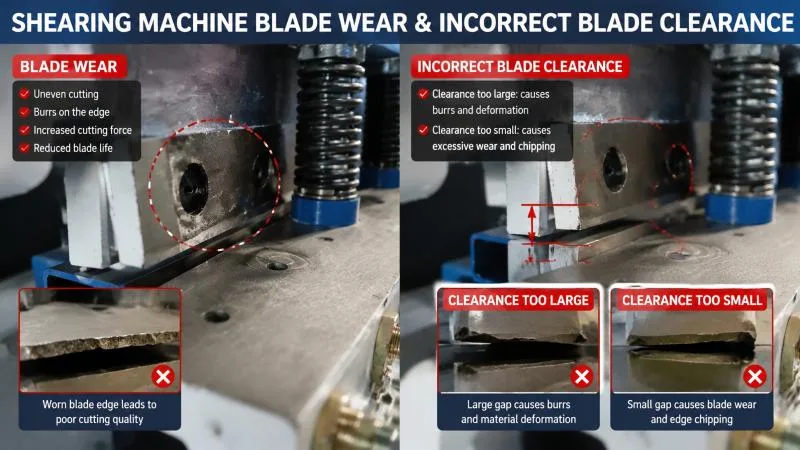
How Blade Condition Affects Cutting Accuracy
The cutting blades are directly responsible for separating the sheet material. Over time, continuous cutting loads can cause blade wear, edge damage, or uneven sharpness.
A worn blade may not cut the material evenly across the entire length, causing different cutting angles at different positions.
Check and Adjust Blade Clearance
Incorrect blade clearance is another major cause of Shearing Machine Angle Deviation. If the gap between the upper and lower blades is too large or too small, the material may deform during cutting.
I recommend checking blade clearance according to material thickness and adjusting it based on manufacturer specifications.
Improper Machine Alignment and Calibration
Check Machine Level and Structural Alignment
A shearing machine must maintain proper mechanical alignment to achieve consistent results. An uneven foundation, frame deformation, or incorrect installation can affect blade movement accuracy.
Regularly checking machine level and structural alignment helps prevent repeated cutting deviations.
Perform Regular Calibration
Calibration ensures that the machine control system matches the actual mechanical movement. Incorrect calibration values may cause the back gauge or cutting system to operate inaccurately.
I recommend performing calibration checks after machine relocation, major maintenance, or long-term operation.
Hydraulic System Instability
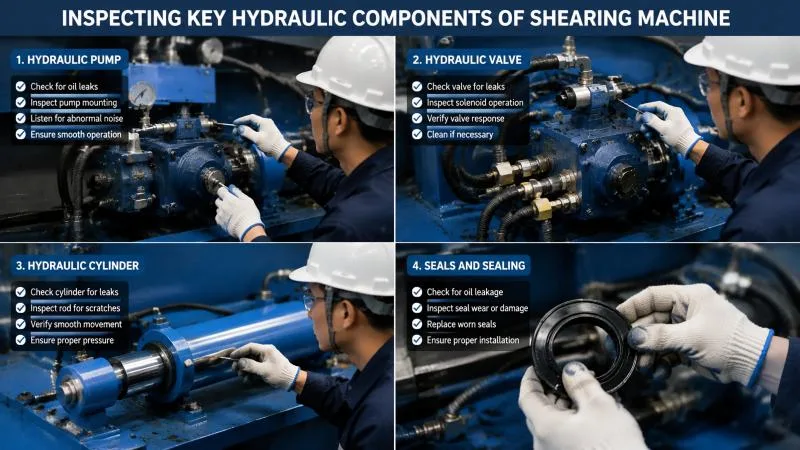
Effects of Hydraulic Pressure Fluctuation
Hydraulic shearing machines depend on stable hydraulic pressure to control blade movement. Pressure fluctuations can cause uneven blade speed and inconsistent cutting force.
When the hydraulic system cannot maintain stable pressure, the cutting angle may vary between different work cycles.
Check Hydraulic Components
Inspect important hydraulic components, including pumps, valves, cylinders, and seals. Oil contamination, leakage, or component wear can reduce system stability.
Maintaining clean hydraulic oil and replacing damaged components helps improve cutting consistency.
Material Positioning and Back Gauge Problems
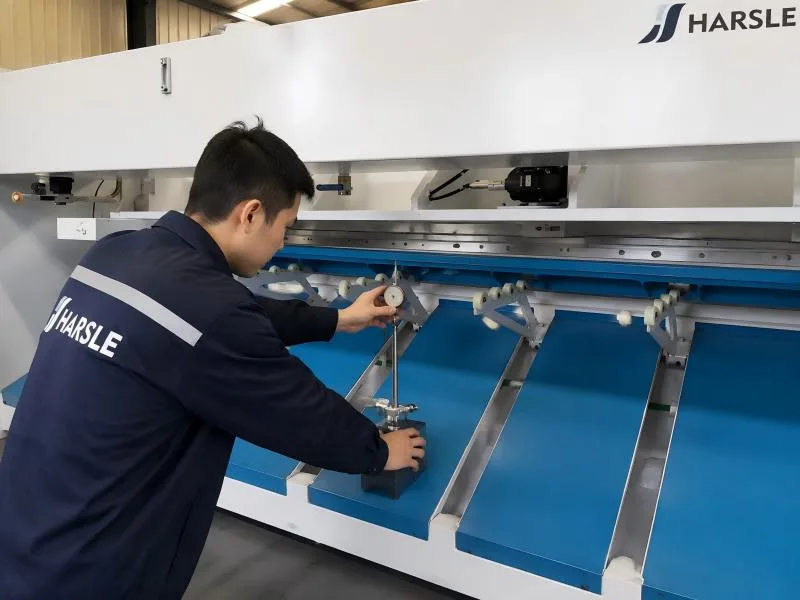
Incorrect Sheet Positioning
The position of the material directly affects cutting accuracy. If the sheet is not properly aligned before cutting, angle errors may occur even when the machine itself is functioning correctly.
Operators should ensure that sheets are positioned flat and firmly against the reference points before operation.
Back Gauge Accuracy Issues
The back gauge system controls material positioning and cutting dimensions. Wear, mechanical looseness, or incorrect parameter settings can create repeated angle deviation.
Regular inspection of guide rails, screws, and positioning sensors helps maintain reliable performance.
Electrical and Control System Issues
Sensor and Encoder Problems
Modern CNC shearing machines use sensors and control systems to maintain precise operation. Faulty sensors or inaccurate feedback signals can cause incorrect blade positioning.
Checking sensor connections and encoder signals can help identify control-related causes of cutting errors.
Incorrect Machine Parameters
Incorrect CNC settings may also lead to repeated cutting deviation. Operators should verify parameters such as cutting length, blade gap settings, and compensation values.
Keeping machine parameters updated ensures better consistency during production.
Step-by-Step Troubleshooting for Shearing Machine Angle Deviation
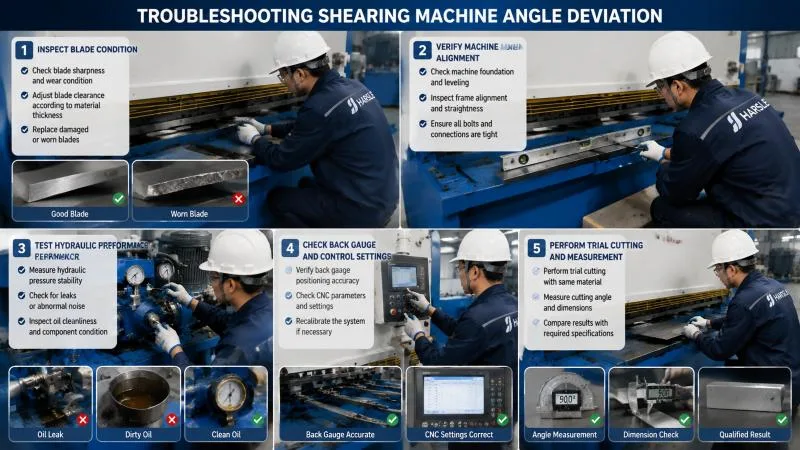
Step 1: Inspect Blade Condition
Start by checking blade sharpness, wear condition, and clearance settings. Replace damaged blades and adjust clearance according to material requirements.
Step 2: Verify Machine Alignment
Check the machine foundation, frame alignment, and key mechanical connections. Make sure all components are properly tightened and positioned.
Step 3: Test Hydraulic Performance
Measure hydraulic pressure stability and inspect for leaks or abnormal noise. Clean or replace hydraulic components if contamination or wear is detected.
Step 4: Check Back Gauge and Control Settings
Verify back gauge positioning accuracy and confirm CNC parameters. Recalibrate the system if necessary.
Step 5: Perform Trial Cutting and Measurement
After adjustments, perform test cuts using the same material type. Measure the cutting angle and compare results with required specifications.
Perguntas frequentes
What is the most common cause of Shearing Machine Angle Deviation?
Common causes include blade wear, incorrect blade clearance, hydraulic instability, poor material positioning, and inaccurate machine calibration.
How can I improve shearing machine cutting accuracy?
Regular blade maintenance, proper calibration, stable hydraulic performance, and accurate back gauge adjustment can significantly improve cutting accuracy.
Can hydraulic oil contamination cause angle deviation?
Yes. Contaminated hydraulic oil can affect valves, pumps, and cylinders, resulting in unstable blade movement and inconsistent cutting performance.
How often should a shearing machine be calibrated?
Calibration frequency depends on machine usage and production conditions. Regular checks are recommended, especially after maintenance or when accuracy problems appear.
Conclusão
Repeated Shearing Machine Angle Deviation is usually caused by a combination of mechanical, hydraulic, electrical, and operational factors. By regularly inspecting blades, maintaining hydraulic systems, calibrating machine parameters, and checking positioning accuracy, operators can reduce cutting errors and improve production reliability.
A systematic maintenance approach helps ensure stable cutting performance, lower material waste, and longer machine service life. For more technical support or professional solutions for shearing machine accuracy issues, feel free to contact our team.


