


Hydraulische Presse Forming Defects can affect product quality, increase material waste, and reduce production efficiency. When a hydraulic press produces cracks, wrinkles, uneven shapes, or inaccurate dimensions, I recommend checking the material condition, tooling setup, machine parameters, and operating process. In this guide, I’ll explain the common causes of hydraulic press forming problems, how to diagnose defects step by step, and practical methods to improve forming accuracy and consistency.
What Are the Common Causes of Hydraulische Presse Forming Defects?
Incorrect Material Selection or Preparation
The material properties directly affect the forming process. Incorrect material thickness, hardness, or insufficient ductility may cause cracks, fractures, or incomplete forming during pressing.
Before production, I recommend verifying material specifications and ensuring that the sheet or workpiece meets the forming requirements. Surface contamination, rust, or uneven material quality can also reduce forming performance.
Improper Tooling Design and Alignment
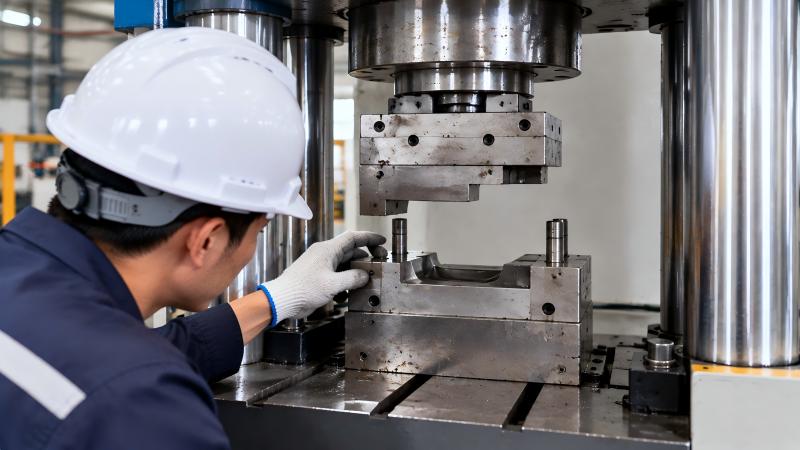
Incorrect tooling selection or poor die alignment is another major cause of Hydraulic Press Forming Defects.
If the upper and lower dies are not properly aligned, the applied force may become uneven, resulting in deformation, surface marks, or inconsistent product dimensions.
Regularly inspect tooling surfaces, guide components, and mounting positions to ensure stable forming conditions.
Incorrect Press Force and Stroke Settings
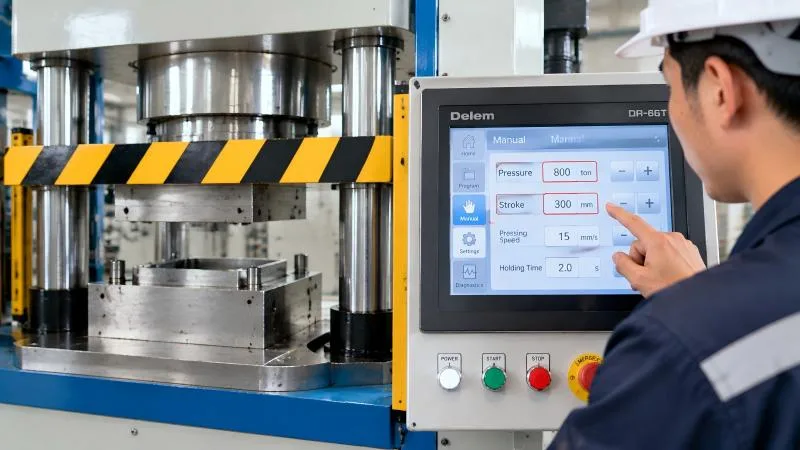
Hydraulic presses require accurate force and stroke control to achieve consistent forming results.
Excessive pressure can cause material cracking, tool damage, or unwanted deformation. Insufficient pressure may result in incomplete forming or dimensional errors.
I recommend checking the programmed pressure, stroke position, pressing speed, and holding time according to the material and tooling requirements.
Insufficient Lubrication During Forming
Lubrication reduces friction between the material and tooling surfaces during the forming process.
Insufficient lubrication can increase resistance, causing surface scratches, wrinkles, or cracks.
Select suitable lubricants based on the material type and forming application, and apply them evenly before production.
Incorrect Workpiece Positioning
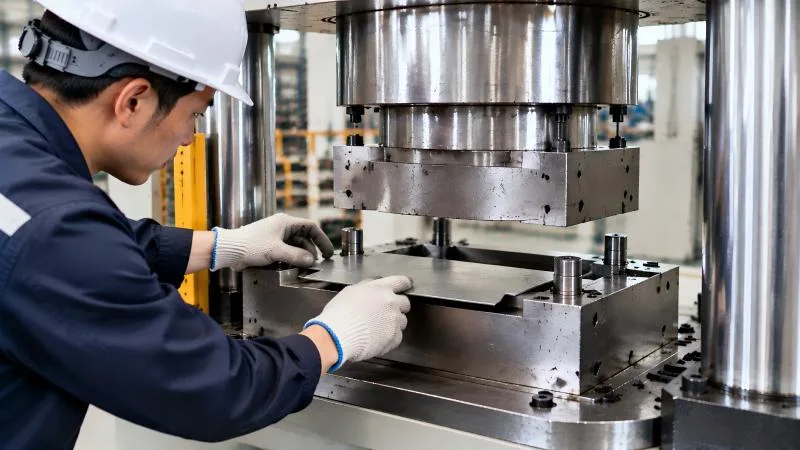
Improper placement of the workpiece can create uneven stress distribution during pressing.
When the material is not positioned correctly, some areas may receive excessive force while other areas remain insufficiently formed.
Operators should confirm workpiece positioning, alignment marks, and fixture conditions before each production cycle.
How to Diagnose Hydraulic Press Forming Defects Step by Step?
Step 1: Inspect the Defect Appearance
I recommend starting with a detailed inspection of the finished product.
Identify the type and location of the defect, such as cracks, wrinkles, thinning, surface scratches, or dimensional deviation.
Different defect patterns usually indicate different causes. For example, cracks may be related to excessive stress, while wrinkles may result from improper material flow.
Schritt 2: Werkzeugzustand und Ausrichtung prüfen
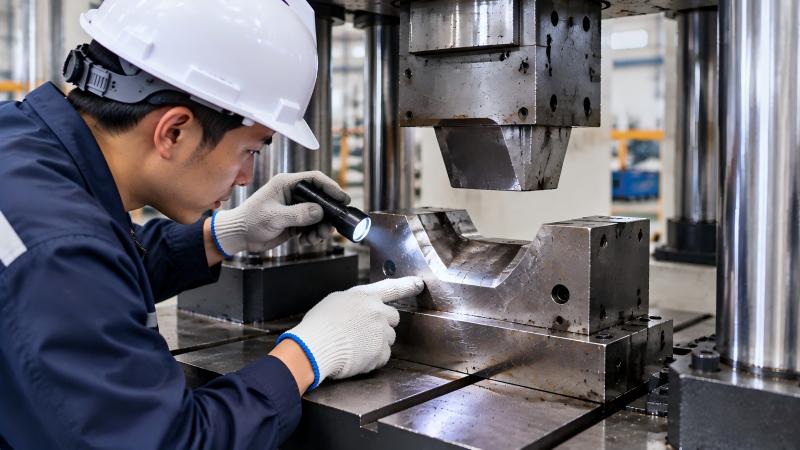
Inspect the punch, die, and forming surfaces for wear, damage, or contamination.
Measure the alignment between upper and lower tooling components and verify that all mounting parts are properly tightened.
Damaged or misaligned tools should be repaired or adjusted before continuing production.
Step 3: Verify Hydraulic Press Parameters
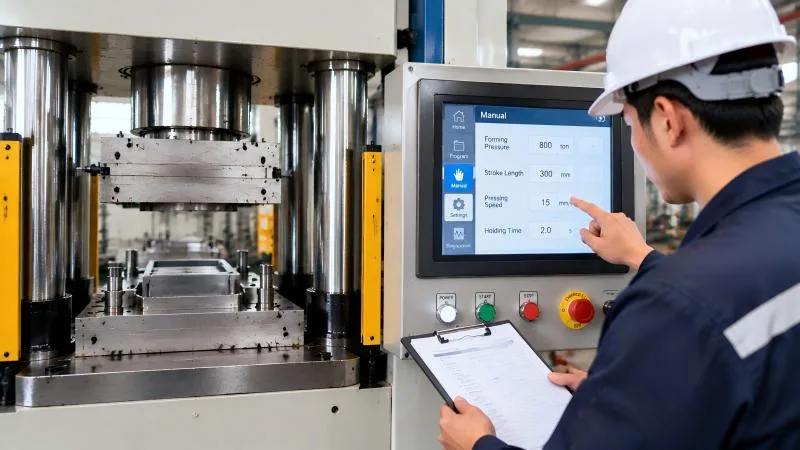
Review machine settings, including forming pressure, stroke length, speed control, and pressure holding time.
Compare current parameters with recommended production values.
Adjust settings carefully and test sample parts to confirm whether the forming quality improves.
Step 4: Evaluate Material and Lubrication Conditions
Check whether the material thickness, hardness, and surface condition match the production requirements.
Inspect lubrication application and ensure the material surface receives sufficient protection during forming.
Improving material preparation and lubrication can significantly reduce forming defects.
Step 5: Perform Trial Production and Record Results
After making adjustments, run several test cycles and compare the results.
Record changes in machine parameters, tooling adjustments, and product quality.
Maintaining production records helps identify recurring problems and improves future troubleshooting efficiency.
How to Prevent Hydraulic Press Forming Defects?
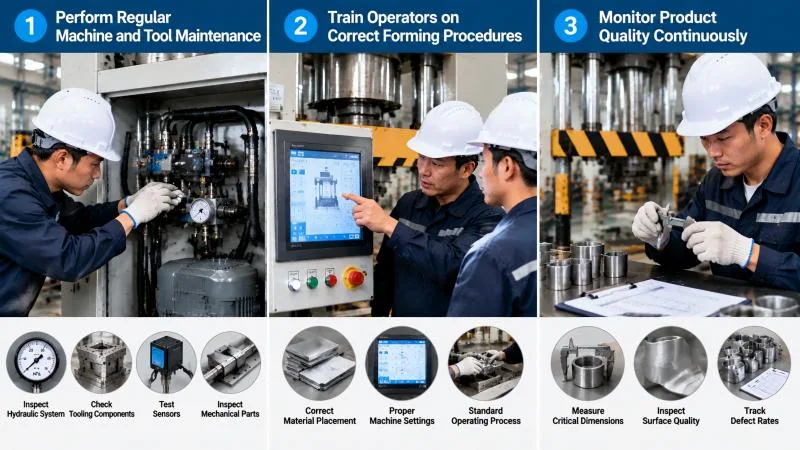
Perform Regular Machine and Tool Maintenance
Routine maintenance helps maintain stable hydraulic pressure, accurate movement, and reliable forming performance.
Inspect hydraulic systems, tooling components, sensors, and mechanical parts according to the manufacturer’s recommendations.
Train Operators on Correct Forming Procedures
Proper operator training reduces errors caused by incorrect material placement, unsuitable settings, or improper machine operation.
Operators should understand how to identify early signs of forming problems and report abnormal conditions promptly.
Monitor Product Quality Continuously
Regular quality checks help detect small changes before they become major production issues.
Measure critical dimensions, inspect surface quality, and track defect rates to maintain consistent production performance.
FAQs
What Are the Most Common Hydraulic Press Forming Defects?
Common defects include cracks, wrinkles, uneven deformation, surface damage, incomplete forming, and dimensional inaccuracies.
How Can I Reduce Hydraulic Press Forming Defects?
You can reduce defects by selecting suitable materials, maintaining correct tooling alignment, optimizing press parameters, and ensuring proper lubrication.
Why Does My Hydraulic Press Produce Cracks During Forming?
Cracks are usually caused by excessive forming force, unsuitable material properties, poor lubrication, or incorrect tooling design.
Abschluss
Hydraulic Press Forming Defects are usually caused by a combination of material issues, tooling problems, incorrect machine settings, and improper operating conditions. By following a systematic inspection process and maintaining proper production practices, manufacturers can improve forming quality and reduce unnecessary downtime.
If you need professional support for hydraulic press troubleshooting, tooling optimization, or forming process improvement, contact the HARSLE technical team for assistance.


