


Recording maintenance logs is an essential part of ensuring the reliability, precision, and longevity of laser machines. Laser Maintenance Logs allow operators and maintenance teams to track servicing, identify recurring issues, and maintain compliance with manufacturer recommendations. In this article, I’ll walk you through practical methods and best practices for creating and managing effective maintenance logs. By implementing these steps, you can improve operational efficiency, prevent costly downtime, and ensure your laser systems continue to deliver optimal cutting performance.
Why Maintaining Laser Maintenance Logs Matters
Enhances Equipment Reliability
Maintaining detailed logs helps track wear, component replacement, and lubrication schedules. This allows operators to address issues proactively before they escalate.
Improves Cutting Accuracy
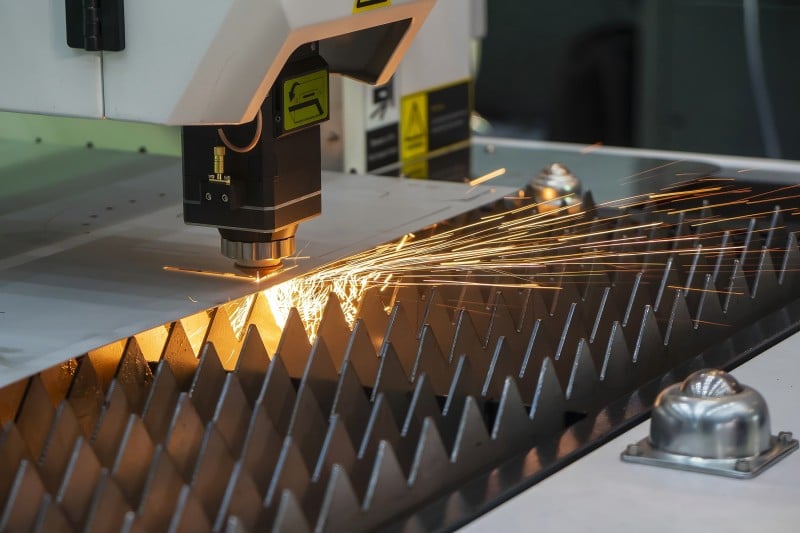
Documenting maintenance ensures that critical adjustments and calibrations are performed consistently, preserving cutting precision and reducing errors.
Supports Compliance and Safety
Keeping accurate records satisfies internal quality management protocols and may be required for regulatory compliance, ensuring safe and auditable operations.
Step-by-Step Guide to Recording Laser Maintenance Logs
Step 1: Define Log Categories

Start by categorizing the logs into key sections such as:
- Routine inspections
- Lubrication and cleaning
- Component replacements
- Error or incident reports
Step 2: Establish a Recording Schedule
Determine a clear update schedule for maintenance logs. Daily operational checks and weekly or monthly detailed inspections are recommended to ensure accurate maintenance records.
Step 3: Include Key Data Points

For each entry, capture essential information such as:
- Date and time
- Operator or technician name
- Description of maintenance activity
- Observed issues or anomalies
- Parts replaced or adjusted
Step 4: Use Digital or Paper Logbooks
Digital logbooks provide easier data retrieval, analytics, and backups, while paper logs remain valuable for quick on-site references. Choose a method that best fits your workflow.
Step 5: Review and Analyze Logs Regularly
Regularly reviewing maintenance logs allows early detection of recurring problems and trends. Adjust maintenance schedules or procedures as needed to prevent failures.
Step 6: Train Operators and Technicians
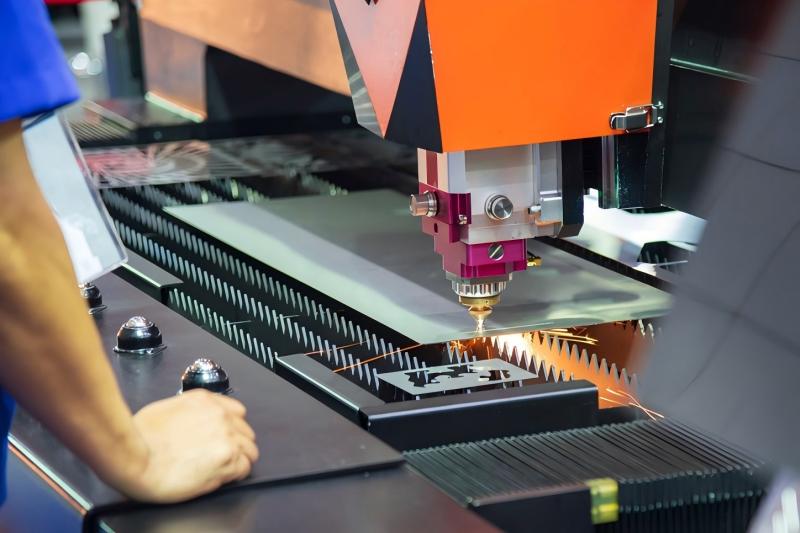
Ensure all personnel understand how to correctly record maintenance entries and recognize the importance of accurate documentation. Consistent logging practices among operators improve data reliability, simplify troubleshooting, support preventive maintenance planning, and help maintain a complete service history for the laser machine.
Best Practices for Effective Log Management
Standardize Formats
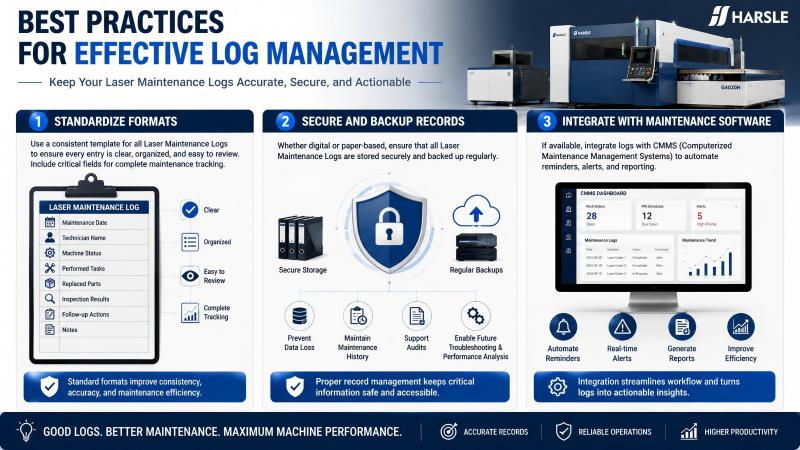
Use a consistent template for all Laser Maintenance Logs to ensure every entry is clear, organized, and easy to review. Include critical fields such as maintenance date, technician name, machine status, performed tasks, replaced parts, inspection results, and follow-up actions for complete maintenance tracking.
Secure and Backup Records
Whether digital or paper-based, ensure that all Laser Maintenance Logs are stored securely and backed up regularly. Proper record management helps prevent data loss, maintains maintenance history, supports audits, and ensures critical machine information remains accessible for future troubleshooting and performance analysis.
Integrate With Maintenance Software
If available, integrate logs with CMMS (Computerized Maintenance Management Systems) to automate reminders, alerts, and reporting.
Domande frequenti
How often should laser maintenance logs be updated?
Daily for routine checks and weekly or monthly for detailed maintenance, depending on machine usage.
What are the most critical elements to record?
Key elements include date/time, operator, maintenance activity, observed issues, parts replaced, and calibrations performed.
Can digital logs replace paper logs entirely?
Yes, digital logs allow better analytics and backup options, but paper logs can be used for quick onsite reference.
Conclusione
Efficace Laser Maintenance Logs are vital for maximizing equipment reliability, cutting precision, and operational safety. By defining log categories, establishing a recording schedule, capturing key data points, and reviewing logs regularly, operators can prevent downtime and maintain consistent performance. Consistent training, standardization, and secure storage of maintenance records further enhance log effectiveness. For guidance on implementing a robust log management system or for personalized support, contact our team to optimize your laser machine maintenance practices.


