


Laser long term accuracy maintenance is essential for ensuring high-quality production and stable machine performance in laser cutting operations. Maintaining consistent precision helps guarantee accurate component dimensions, stable tolerances, and efficient production workflows. In this article, I’ll share practical strategies and proven maintenance methods to help operators preserve the long-term accuracy of laser systems. By following these best practices, you can reduce material waste, minimize costly cutting errors, extend equipment lifespan, and maintain reliable cutting quality even during demanding industrial production.
Understanding Factors Affecting Laser Accuracy
Machine Alignment and Calibration
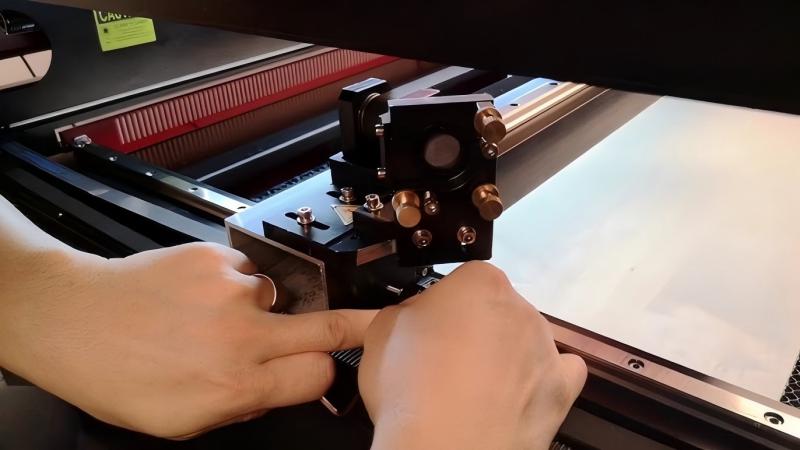
Regular alignment of the laser head, rails, and gantry ensures that cuts are straight and accurate. Misalignment can accumulate over time, degrading precision.
Laser Optics Condition
Dirt, dust, or damage to lenses and mirrors can deflect the laser beam, leading to inconsistent cuts. Routine inspection and cleaning are critical for maintaining accuracy.
Thermal Effects
Laser machines generate heat during operation. Thermal expansion can cause deviations in positioning if not managed with proper cooling and environmental controls.
Mechanical Wear
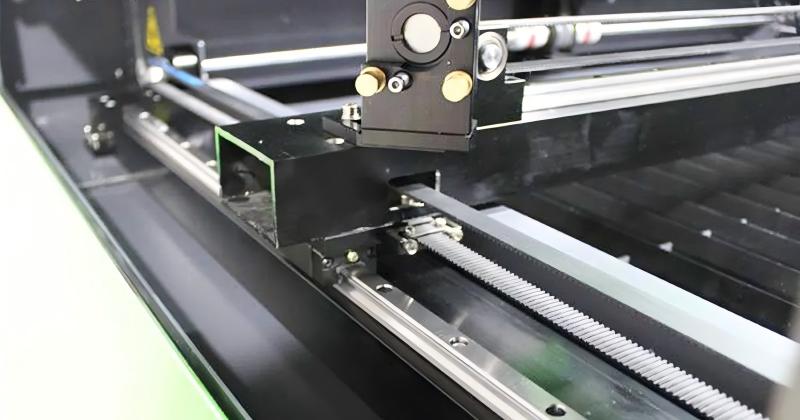
Components such as bearings, lead screws, and linear rails experience wear over time. Worn parts introduce backlash, vibration, and misalignment, reducing long-term accuracy.
Step-by-Step Laser Long Term Accuracy Maintenance
Step 1: Regular Calibration
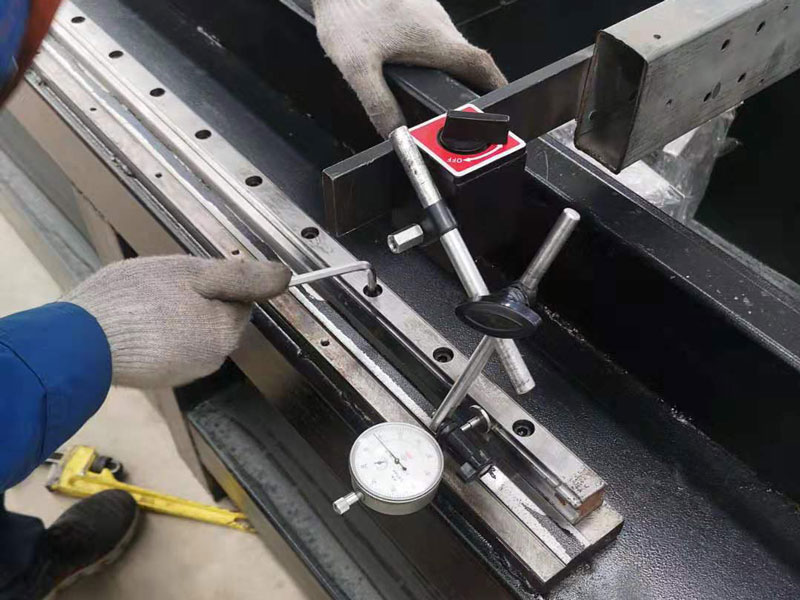
Calibrate the laser head and backgauge system regularly using precision measuring tools to ensure positional readings accurately match programmed coordinates and maintain long-term cutting precision and stability.
Step 2: Inspect and Clean Optical Components
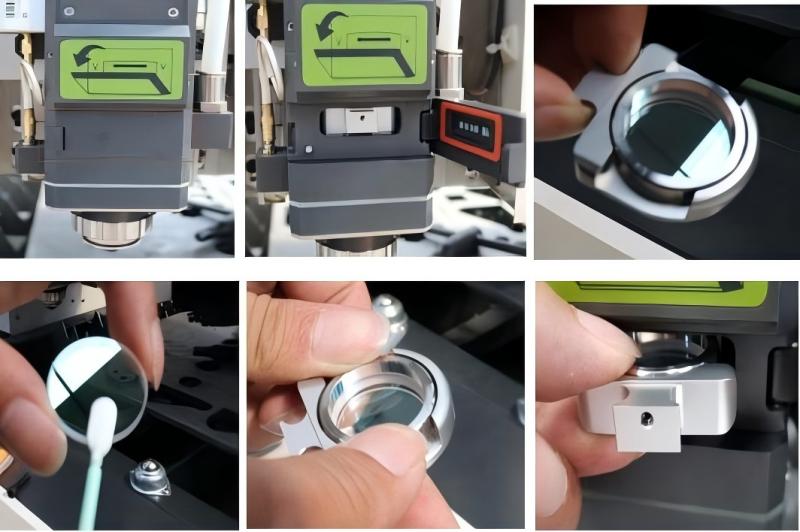
Clean all lenses and mirrors using manufacturer-approved solutions, and promptly replace any damaged optics to prevent beam deflection, maintain focus, and ensure consistent laser cutting quality.
Step 3: Maintain Mechanical Components
Lubricate rails, bearings, and lead screws regularly to reduce friction and wear. Replace components showing excessive play, vibration, or resistance to maintain smooth and accurate machine movement.
Step 4: Monitor Environmental Conditions
Maintain consistent temperature and humidity in the workshop. Avoid rapid temperature fluctuations that can induce thermal expansion affecting accuracy.
Step 5: Optimize Cutting Parameters
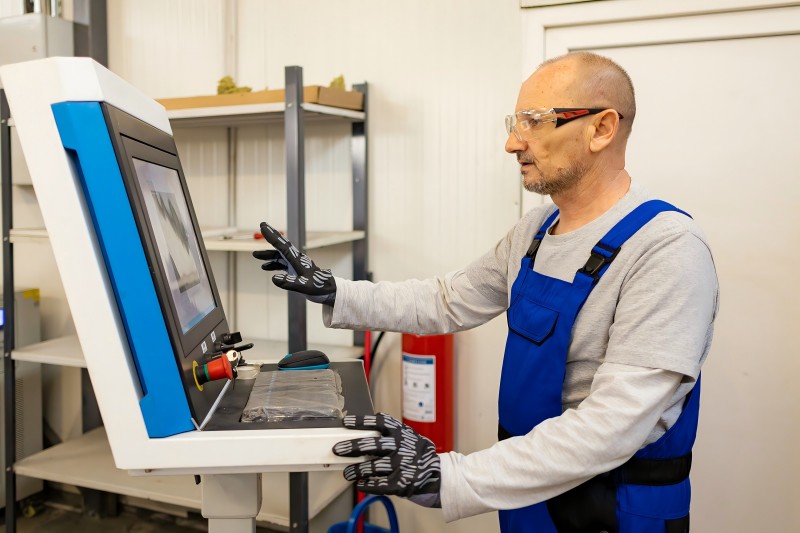
Adjust cutting speeds, acceleration, and laser power according to material type and thickness. Proper settings reduce stress on mechanical components and prevent accuracy drift.
Step 6: Record and Analyze Performance Data
Track cut quality and positional deviations over time. Use this data to identify trends and plan preventive maintenance to maintain laser long term accuracy.
Best Practices for Maintaining Long-Term Accuracy
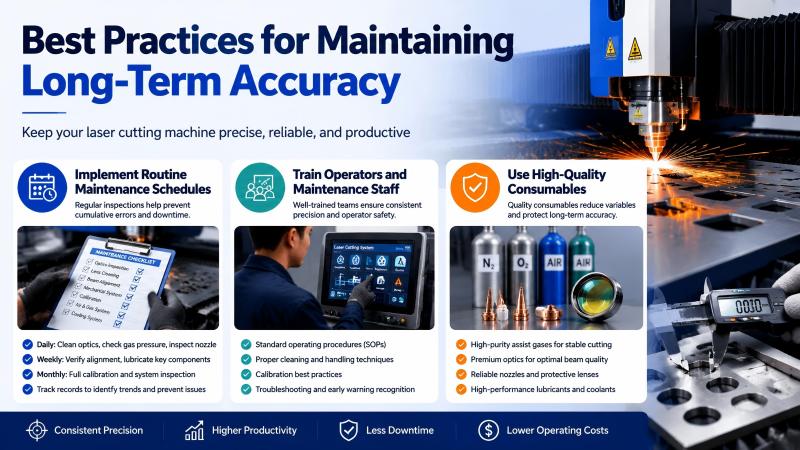
Implement Routine Maintenance Schedules
Establish daily, weekly, and monthly maintenance checks covering optics, mechanical systems, and calibration to prevent cumulative errors.
Train Operators and Maintenance Staff
Ensure staff understand proper handling, cleaning, and calibration procedures for laser machines to maintain stable performance, consistent precision, and long-term operational accuracy during production processes.
Use High-Quality Consumables
High-quality assist gases, optics, and lubricants help minimize variables that can reduce cutting precision, ensuring stable performance and maintaining long-term accuracy in laser machining operations.
Domande frequenti
How often should I calibrate my laser system to maintain accuracy?
I recommend performing calibration checks weekly or monthly depending on usage intensity, with additional inspections after any significant maintenance or component replacement.
Can environmental changes affect laser long term accuracy maintenance?
Yes, temperature fluctuations and humidity changes can cause thermal expansion and optical misalignment, impacting cut precision over time.
What is the most common cause of long-term accuracy drift?
Mechanical wear, misaligned optics, and improper environmental conditions are the primary contributors to gradual accuracy loss.
Conclusione
coerente laser long term accuracy maintenance is crucial for producing high-quality cuts, reducing waste, and extending machine lifespan. By regularly calibrating systems, inspecting optics, maintaining mechanical components, controlling the environment, and optimizing cutting parameters, operators can preserve precision over the long term. Implementing these best practices ensures your laser machine continues to deliver reliable and accurate performance. For further guidance or support, contact our team to help maintain your laser system at peak efficiency.


