


Mantenimento Taglio laser Circuit Board Maintenance is essential for ensuring consistent performance, preventing downtime, and extending the lifespan of your laser system. Circuit boards control critical components such as motors, sensors, and power supplies. Proper maintenance minimizes the risk of failure, preserves cutting accuracy, and ensures the reliability of high-precision operations. In this article, I’ll walk you through practical steps and best practices to maintain laser machine circuit boards, helping operators and maintenance teams identify issues early, perform effective cleaning, and implement preventive strategies to keep your laser system running smoothly and efficiently.
Common Issues with Taglio laser Circuit Boards
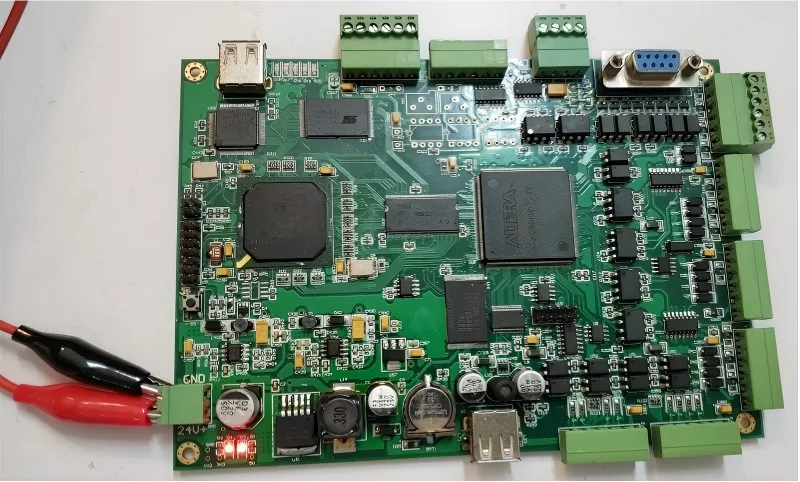
Dust and Contaminant Accumulation
Dust, debris, and metal particles can settle on circuit boards, leading to short circuits or overheating. Regular cleaning prevents these contaminants from affecting performance.
Thermal Stress and Overheating
High operating temperatures can degrade circuit board components over time, causing signal loss or malfunction. Monitoring temperature and ensuring proper ventilation is crucial.
Electrical Overload or Spike Damage
Voltage fluctuations, surges, or incorrect wiring can damage sensitive electronic components. Installing surge protectors and monitoring power input helps reduce these risks.
Step-by-Step Laser Cutting Circuit Board Maintenance
Step 1: Power Down and Disconnect
Always turn off the machine and disconnect from the power source before performing any maintenance. This prevents electrical shock and protects the components.
Step 2: Inspect Circuit Boards
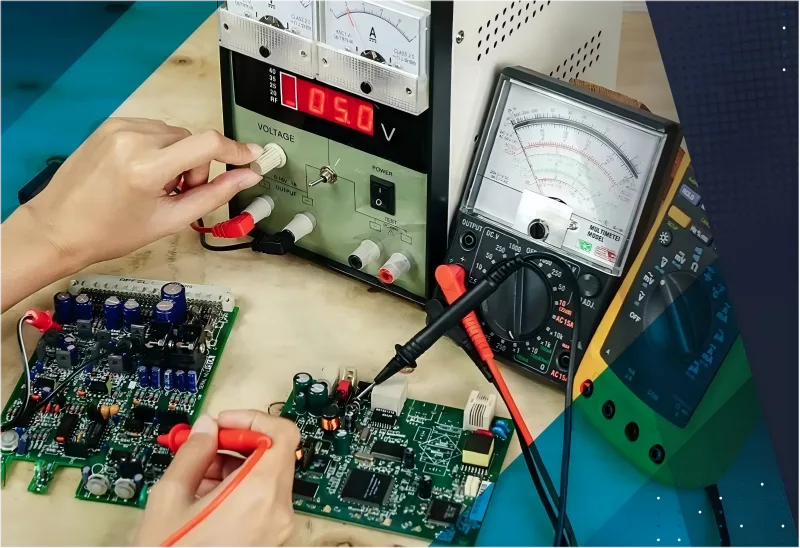
Visually inspect the circuit boards for dust buildup, corrosion, or loose electronic components. Carefully check for burned marks, damaged connectors, cracked traces, overheated areas, and worn or weakened solder joints that could affect system stability and machine performance.
Step 3: Clean Boards Safely
Use compressed air or an anti-static brush to remove dust and debris. Avoid liquids unless recommended by the manufacturer to prevent short circuits or damage.
Step 4: Check Connections and Wiring
Ensure that all connectors and wiring are properly secured and firmly seated. Inspect for frayed or damaged cables, loose plugs, oxidized or corroded contacts, and any signs of wear that could negatively impact electrical performance and reliability.
Step 5: Monitor Operating Temperature
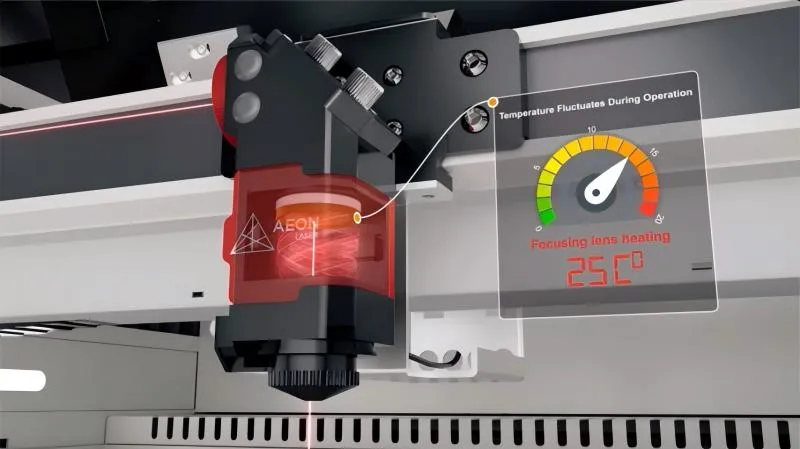
Ensure that all cooling fans and cooling systems are operating properly and providing stable airflow. Use thermal sensors or monitoring tools, if available, to detect overheating hotspots early and prevent excessive thermal stress that could damage sensitive electronic components.
Step 6: Test Functionality
After maintenance, reconnect power and perform test operations to ensure the circuit boards are functioning correctly, without errors or interruptions.
Best Practices for Long-Term Circuit Board Reliability
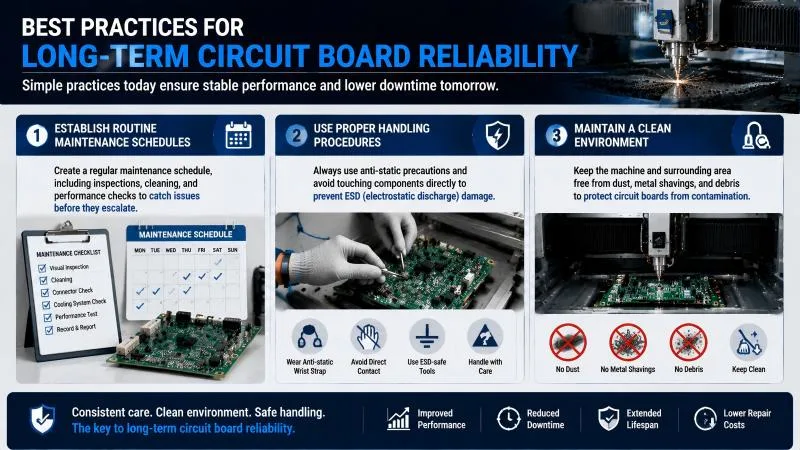
Establish Routine Maintenance Schedules
Create a regular maintenance schedule, including inspections, cleaning, and performance checks to catch issues before they escalate.
Use Proper Handling Procedures
Always use anti-static precautions and avoid touching components directly to prevent ESD (electrostatic discharge) damage.
Maintain a Clean Environment
Keep the machine and surrounding area free from dust, metal shavings, and debris to protect circuit boards from contamination.
Domande frequenti
How often should I maintain laser cutting circuit boards?
I recommend a visual inspection monthly and a thorough cleaning every 3–6 months, depending on usage and environmental conditions.
Can thermal stress damage circuit boards permanently?
Yes, repeated overheating can degrade solder joints and components. Regular temperature monitoring and cooling system maintenance are essential.
Are there specific tools required for circuit board maintenance?
Anti-static brushes, compressed air, and ESD-safe gloves are typically sufficient for routine maintenance.
Conclusione
Corretto Laser Cutting Circuit Board Maintenance is vital to ensure precision, reliability, and longevity of your laser machine. By following routine inspections, cleaning procedures, and preventive checks, operators can minimize downtime, avoid costly repairs, and maintain consistent cutting quality. For more detailed guidance or expert support, contact our team to help keep your laser system operating at peak performance.


