


Industry Solutions · Elevator Doors & Cabins
Sheet Metal Machines for Elevator Door & Cabin Panel Manufacturing
Long, flat and flawless — machines for stainless steel landing doors, car doors and cabin wall panels.
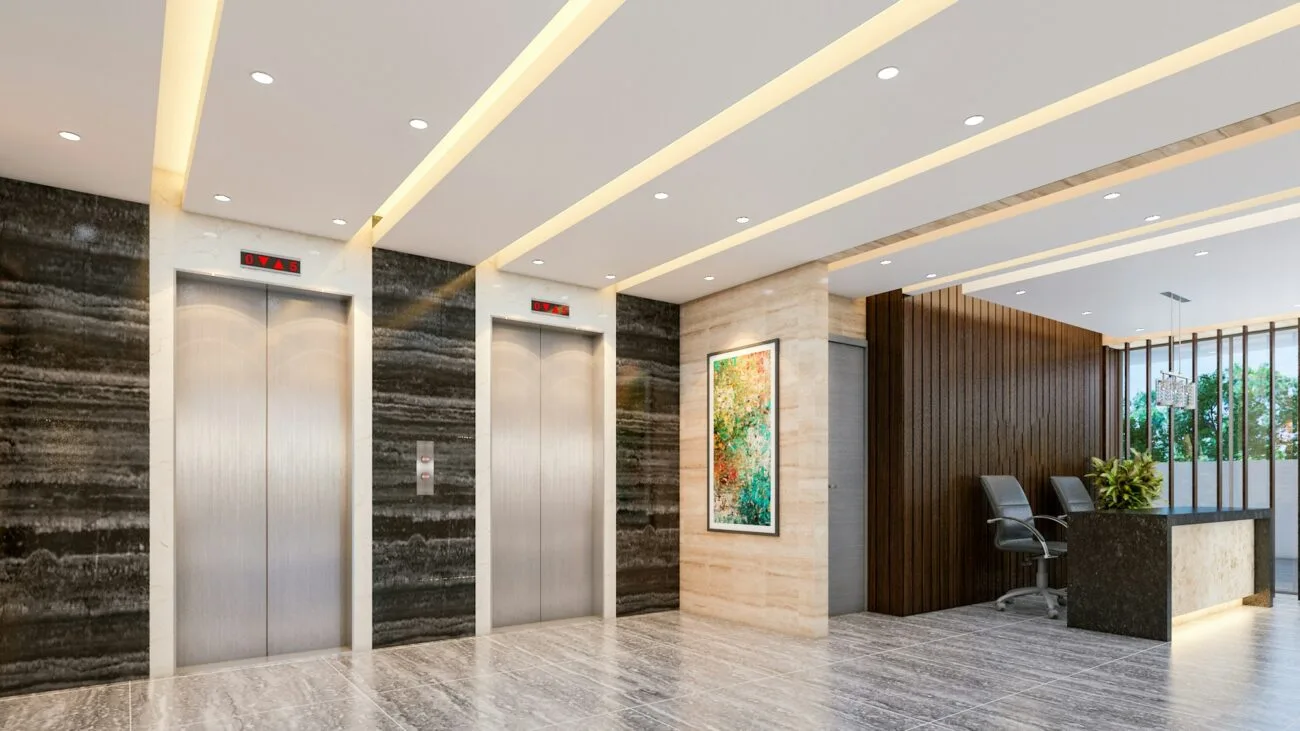
Elevator Manufacturing Basics
How Elevator Doors & Cabins Are Made
Elevator doors and cabin panels are long stainless steel or coated steel panels (typically 1.0–1.5 mm, 2–3 m long) with decorative surfaces. They are cut by shear or fiber laser, V-grooved where a sharp edge is required, folded on a panel bender or long CNC press brake, then laser welded and finished without marking the visible face.
Surface protection drives the whole process: hairline and mirror stainless must not be scratched or dented, flanges must be parallel over the full length, and the stiffening ribs on the back are welded with minimal heat marks.
Parti e materiali tipici
- Landing doorsLong panels with return flanges and stiffenersStainless steel / coated steel 1.0–1.5 mm
- Car doorsSharp-edged, decorative visible faceHairline or mirror stainless 1.0–1.5 mm
- Cabin wall panelsLarge flat panels, tight flatnessStainless steel 1.0–1.5 mm
- Door frames & jambsLong multi-bend profilesStainless / galvanized steel 1.2–2.0 mm
- Ceilings & kick platesPerforated or embossed panelsStainless / aluminum 0.8–1.5 mm
Processo di produzione
Da foglio piano a pezzo finito
Seleziona una fase per vedere cosa succede e quali macchine HARSLE svolgono il lavoro.
Fase 1Elevator Doors & Cabins
Taglio e tranciatura
Shears and fiber lasers cut long blanks; V-grooving machines cut a groove on the bend line so stainless edges stay sharp and decorative.
Macchina per taglio
43 modelli nella gamma HARSLE.
Macchina per il taglio laser
60 modelli nella gamma HARSLE.
Macchina per scanalature a V
12 modelli nella gamma HARSLE.
Macchina per intaglio
15 modelli nella gamma HARSLE.
Fase 2Elevator Doors & Cabins
Piegatura e formatura
Panel benders fold long doors without lifting the sheet; long-bed or tandem CNC press brakes form frames and jambs.
Piegatrice per pannelli
26 modelli nella gamma HARSLE.
Pressa piegatrice
200 modelli nella gamma HARSLE.
Fase 3Elevator Doors & Cabins
Saldatura e finitura
Laser welding fixes stiffeners and corners with minimal heat tint; deburring and polishing protect the visible surface.
Macchina per saldatura laser
21 modelli nella gamma HARSLE.
Macchina sbavatrice
30 modelli nella gamma HARSLE.
Fase 4Elevator Doors & Cabins
Automazione e utensili
Panel flippers and tooling with protective films reduce handling marks on decorative sheets.
Pannello ribaltabile
9 modelli nella gamma HARSLE.
Utensili
22 modelli nella gamma HARSLE.
Macchine consigliate
Machines for Elevator Doors & Cabins
Live from the HARSLE product range — models suited to elevator manufacturing are listed first.
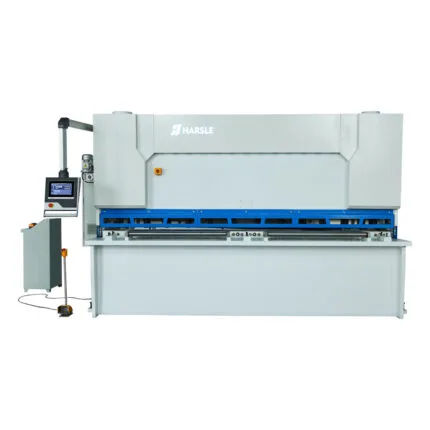
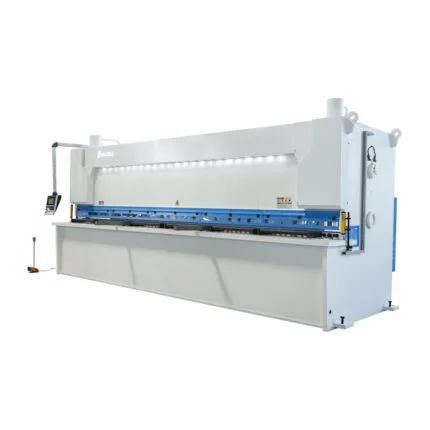
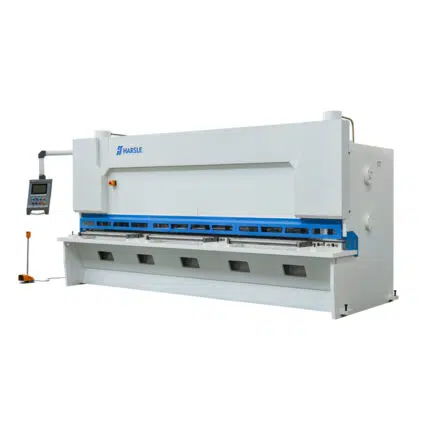
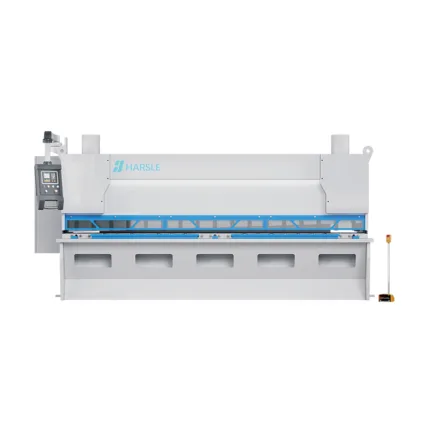
 Macchina per cesoiatura a ghigliottina PrimeShear 1232 DAC360TPrimeShear 1232 DAC360T is a high-performance CNC guillotine shearing machine designed for accurate and efficient sheet metal cutting.…Visualizza i dettagli
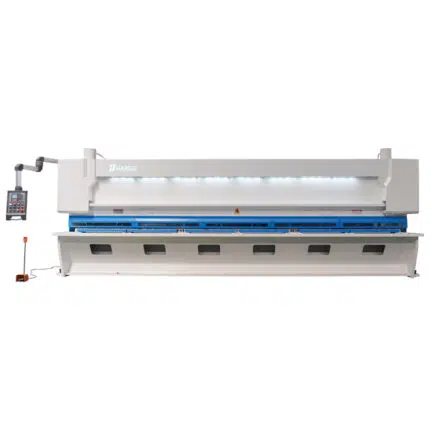
- Macchina cesoia a ghigliottina PrimeShear 1260 ad alta precisioneThe PrimeShear 1260 Guillotine Shear is designed for high precision and efficient sheet metal cutting. Built for industrial…Visualizza i dettagli
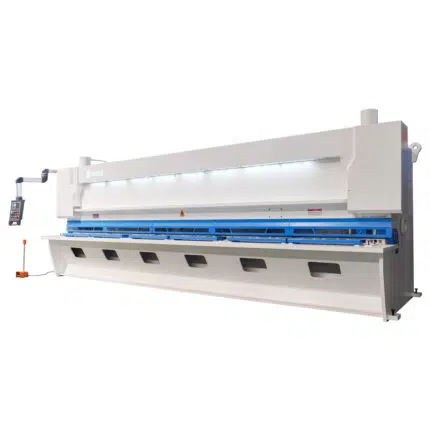
- HARSLE PrimeShear 1240 con controllo DAC360The PrimeShear 1240 with DAC360 system from HARSLE is a high-performance guillotine shearing machine designed for precision metal…Visualizza i dettagli
- Cesoia idraulica PrimeShear 0632 con sistema antitorsioneThe PrimeShear 0632 is a high-performance hydraulic shearing machine designed for precise and stable sheet metal cutting. Equipped…Visualizza i dettagli
- Cesoia ad alta precisione per l'industria automobilisticaA shearing machine for automotive industry is designed for high-precision cutting of steel, aluminum, and alloy sheets used…Visualizza i dettagli
- Cesoia per lamiere spesse per il taglio di metalli pesantiThe thick plate shearing machine is designed for high-strength and large-thickness metal sheet cutting in heavy industrial applications.…Visualizza i dettagli
- Macchina da taglio laser ad alta precisione da 20 kW per uso industrialeThe 20kw laser cutting machine delivers high‑power precision cutting for various metals, including steel, aluminum, and stainless steel.…Visualizza i dettagli
- Macchina da taglio laser da 4 kW per la lavorazione dei metalliLa macchina per il taglio laser da 4 kW è progettata per la lavorazione dei metalli ad alta velocità e alta precisione. Dotata di tecnologia laser a fibra avanzata,…Visualizza i dettagli
- Macchina per il taglio laser ad alta precisione di lamiere sottiliThis laser cutting machine for thin sheets delivers precise, fast, and clean cuts for a variety of metal…Visualizza i dettagli
- Macchina da taglio laser a fibra da 12 kW per metalliThe 12kW Fiber Laser Cutting Machine is designed for high-speed, high-precision metal processing. Equipped with advanced fiber laser…Visualizza i dettagli
- Macchina per il taglio laser di tubi metallici da 3 kWThe 3kW Laser Tube Cutting Machine is designed for high-speed and high-precision cutting of metal tubes and pipes.…Visualizza i dettagli
- Macchina per il taglio laser per la lavorazione dell'acciaio inossidabileHARSLE laser cutting machine for stainless steel is designed for high-speed, high-precision metal processing. It delivers clean cutting…Visualizza i dettagli
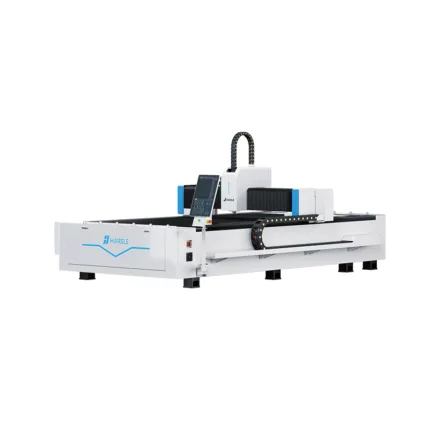
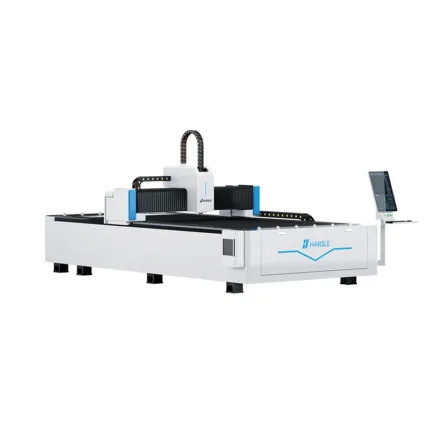
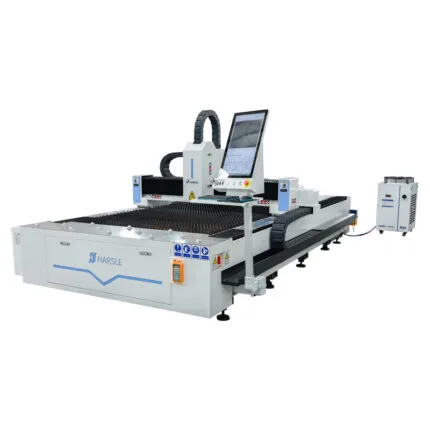
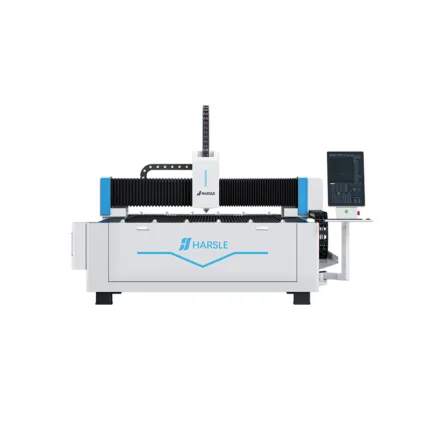
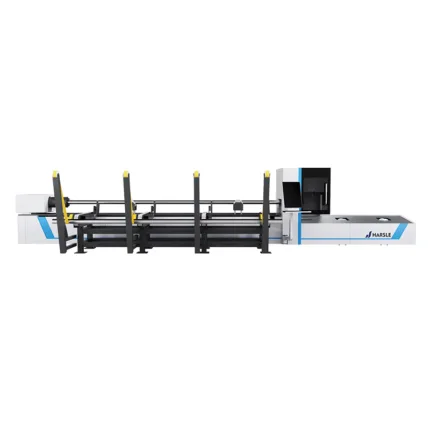
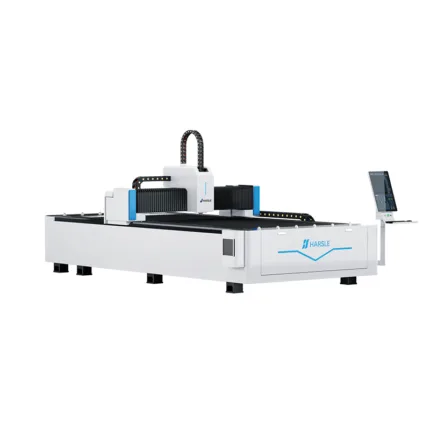
Visualizza tutti i 60 modelli di macchine per il taglio laser
- Macchina per scanalature metalliche ad alta precisione per la fabbricazione di lamiereThe HARSLE Metal Grooving Machine is designed for high-precision V-grooving on stainless steel, aluminum, and other sheet materials.…Visualizza i dettagli
- Scanalatrice orizzontale di precisione EcoGroove 4012The EcoGroove 4012 Horizontal Grooving Machine is designed for precise and efficient sheet metal grooving. With a processing…Visualizza i dettagli
- I migliori fornitori di macchine per scanalature a V per tagli di precisioneFind top V Grooving Machine Suppliers offering high-quality, precise cutting solutions for sheet metal fabrication. Our V grooving…Visualizza i dettagli
- Trova oggi il miglior prezzo per la fresa per scanalature a VV Groove Cutter Machine Price is crucial for businesses looking to optimize metal cutting. HARSLE offers high-precision, cost-effective…Visualizza i dettagli
- Macchina per scanalature verticali a V ad alta efficienza in termini di costiThe high cost efficient vertical V grooving machine is designed for precision V-grooving in sheet metal fabrication. It…Visualizza i dettagli
- Macchina per scanalature a V ad alta efficienza per lamiereThe V Grooving Machine for Sheet Metal is designed for high precision grooving and bending, offering clean, accurate…Visualizza i dettagli
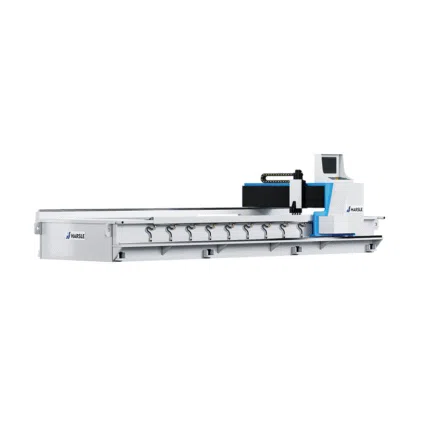
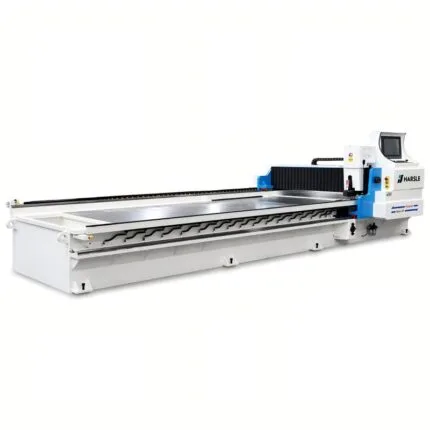
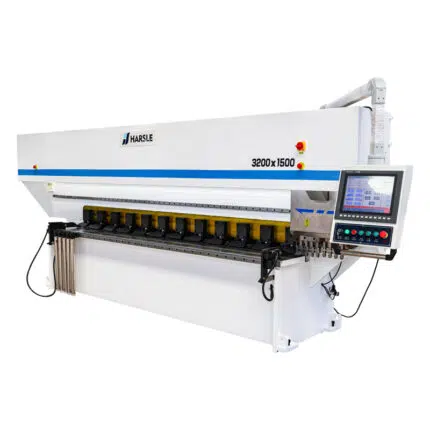
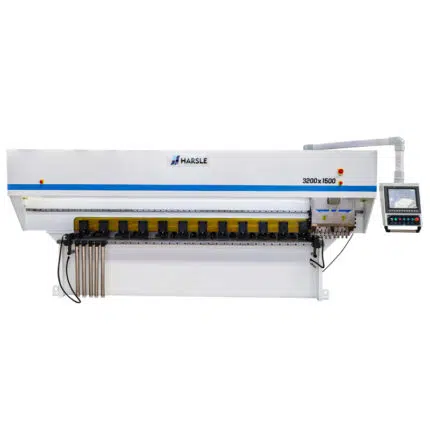
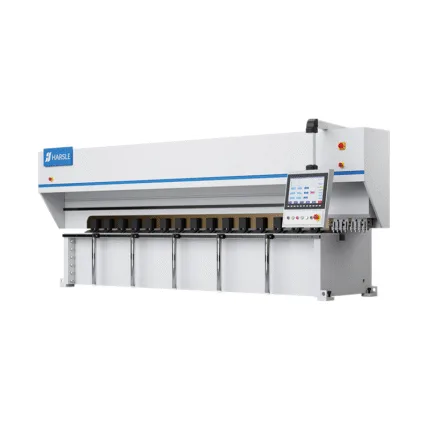
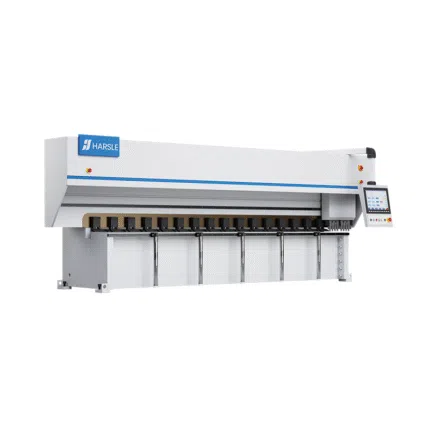
- Macchina per il taglio di intagli a V per lamiere decorativeThe V Notch Cutting Machine is designed for precise grooving and trimming of stainless steel, aluminum, and other…Visualizza i dettagli
- Fresa ad angolo fisso per taglio di precisione del metalloLa troncatrice ad angolo fisso per metalli è progettata per il taglio preciso ed efficiente di vari metalli ad angolo fisso…Visualizza i dettagli
- Macchina scantonatrice ad angolo fisso per tagli di precisioneLa macchina per intaglio ad angolo fisso è progettata per il taglio e l'intaglio precisi di lamiere metalliche ad angoli fissi.Visualizza i dettagli
- Macchina per scantonatura in alluminio ad angolo regolabileHARSLE Aluminum Notching Machine is designed for precise and efficient corner cutting of aluminum sheets and profiles. With…Visualizza i dettagli
- Macchine per la lavorazione della lamiera di alta qualitàLe macchine per intaglio di precisione HARSLE Top Notching Machine Works Sheet Metal Equipment offrono elevata precisione, affidabilità ed efficienza per tutte le vostre lavorazioni di lamiera…Visualizza i dettagli
- Macchina per intaglio ad alta efficienza per il taglio di tubiThe HARSLE Notching Machine for Pipe offers precise, efficient, and consistent notching for round, square, or rectangular tubes.…Visualizza i dettagli
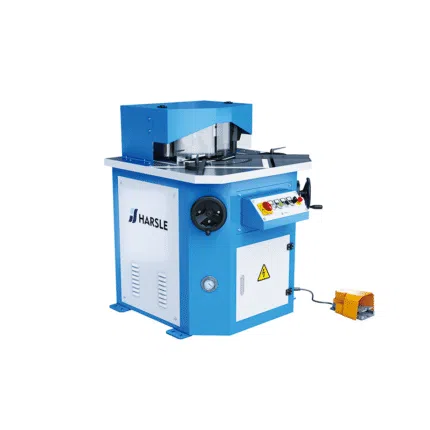
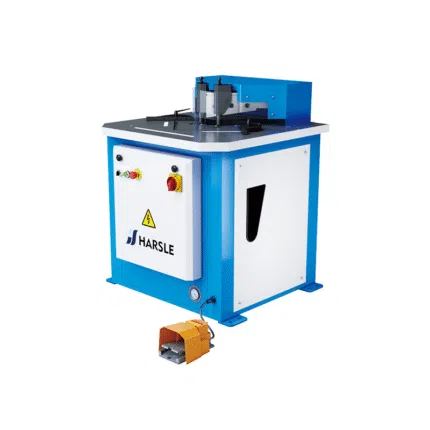
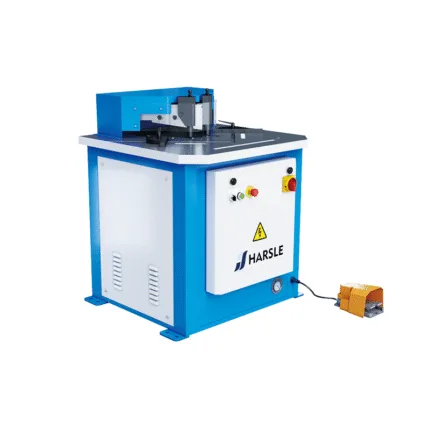
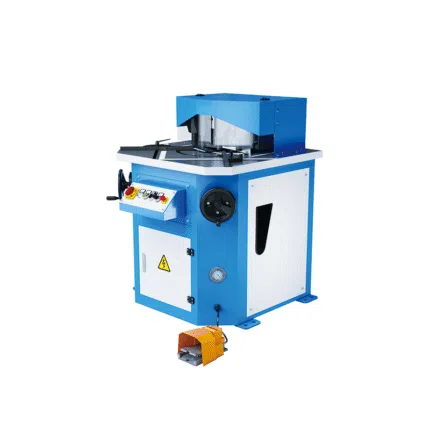
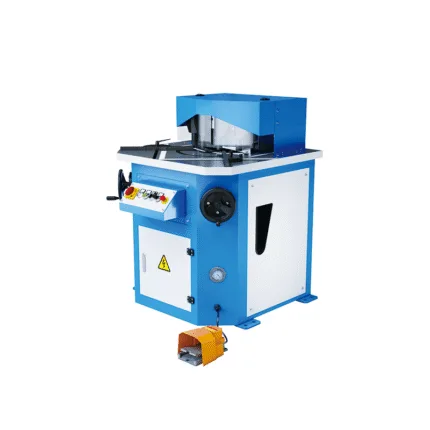
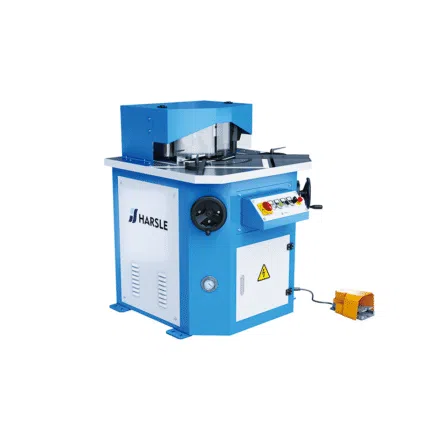
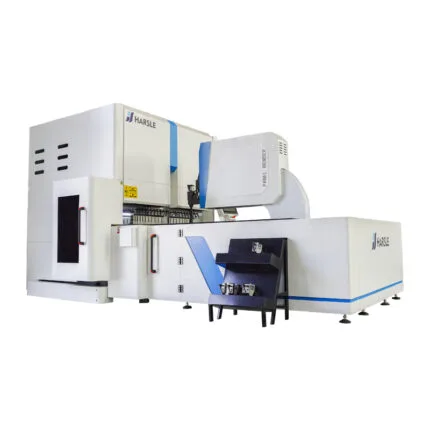
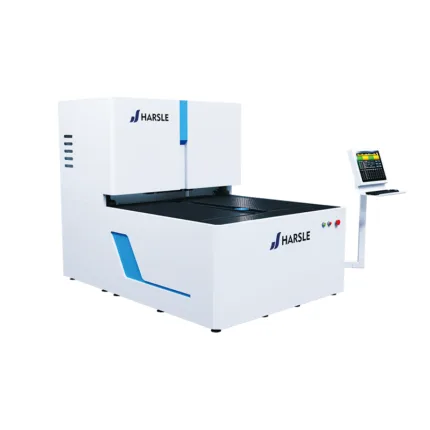
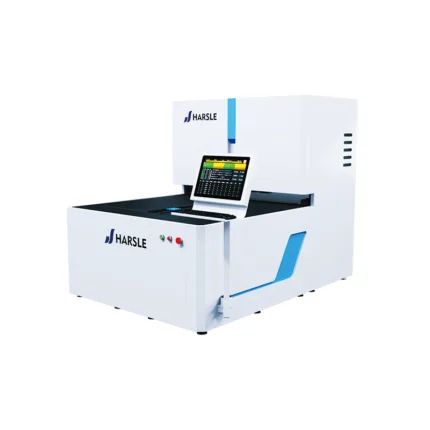
- Piegatrice CNC per pannelli di ascensoriLa piegatrice per pannelli per ascensori di HARSLE offre soluzioni di piegatura automatizzate e di alta precisione per acciaio inossidabile e pannelli decorativi…Visualizza i dettagli
- Piegatrice per pannelli AutoBend 2000 Pro Heavy DutyThe HARSLE AutoBend 2000 Pro is a heavy-duty automatic panel bender designed for high-efficiency sheet metal processing. Featuring…Visualizza i dettagli
- AutoBend 2500 Ultra con cambio utensile automaticoThe AutoBend 2500 Ultra is an advanced panel bending solution featuring Auto Tool Change technology for faster, more…Visualizza i dettagli
- Postazione di lavoro robotizzata automatizzata per la piegatura della lamiera per precisioneQuesta postazione robotizzata automatizzata per la piegatura della lamiera offre una piegatura rapida, precisa e completamente automatizzata per le moderne officine di fabbricazione.Visualizza i dettagli
- Cella di piegatura robotizzata intelligente per la produzione di mobiliThis Robotic Smart Bending Cell for Cabinet Production is an advanced automated bending solution designed for high-precision, high-efficiency…Visualizza i dettagli
- Soluzione di piegatura di pannelli robotizzata industriale per la fabbricazione intelligenteQuesta soluzione robotizzata industriale per la piegatura di pannelli è progettata per i produttori che cercano maggiore precisione, maggiore produttività e automazione completa...Visualizza i dettagli
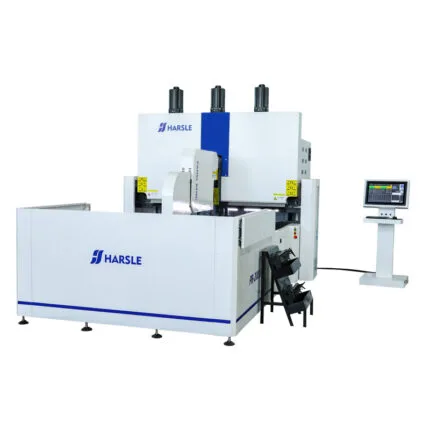
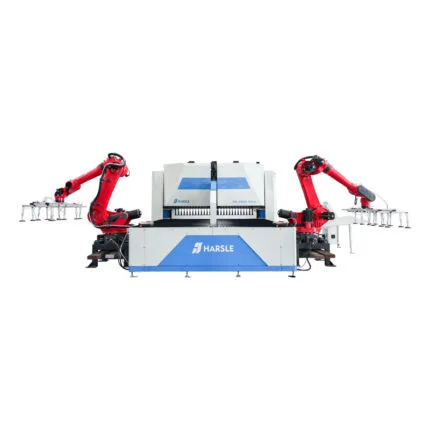
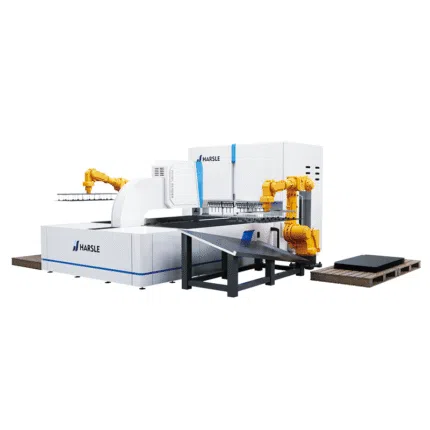
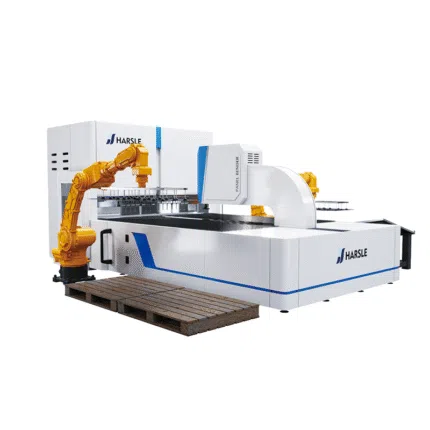
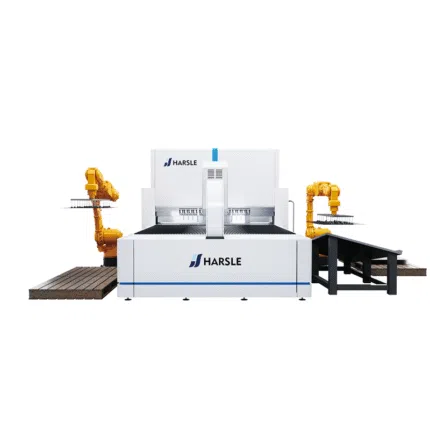
- Pressa piegatrice CNC di alta precisione MasterBend 17040, nuovaLa nuova pressa piegatrice CNC HARSLE MasterBend 17040 è progettata per la piegatura di lamiere di alta precisione e per un'efficiente produzione industriale…Visualizza i dettagli
- Pressa piegatrice CNC MasterBend 40032 DA69S a 8+1 assiLa pressa piegatrice CNC MasterBend 40032 DA69S a 8+1 assi è una macchina piegatrice idraulica ad alte prestazioni progettata per la precisione,…Visualizza i dettagli
- Pressa piegatrice EasyBend 16032 E315P NCThe HARSLE EasyBend 16032 E315P NC Press Brake is designed for reliable, efficient, and cost-effective sheet metal bending…Visualizza i dettagli
- MasterBend 20032 ad alta precisione con braccio robotico intelligenteThe MasterBend 20032 With Smart Robotic Arm is an advanced automated CNC press brake designed for precision sheet…Visualizza i dettagli
- MegaBend 80060 Heavy Duty Press Brake With DA66SThe MegaBend 80060 Heavy Duty Press Brake is engineered for high-capacity and large-format sheet metal bending applications. With…Visualizza i dettagli
- Pressa piegatrice elettrica servoassistita E-Bend 3512 con DA66SThe E-Bend 3512 Servo Electric Press Brake is a compact and precise bending solution designed for modern sheet…Visualizza i dettagli
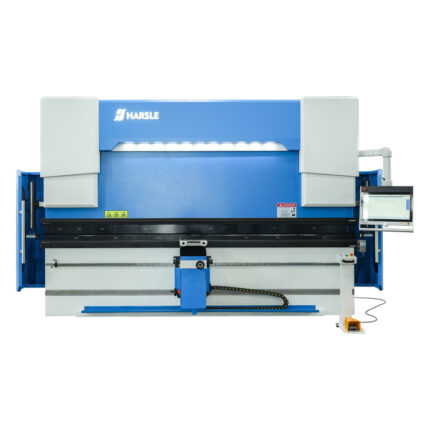
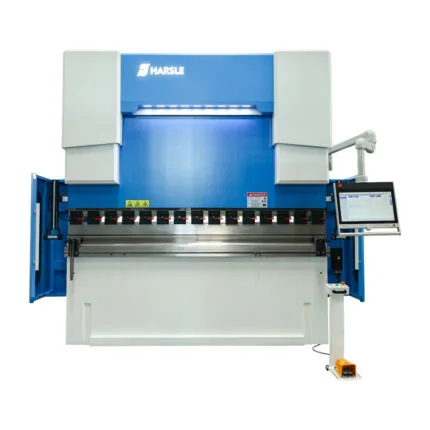
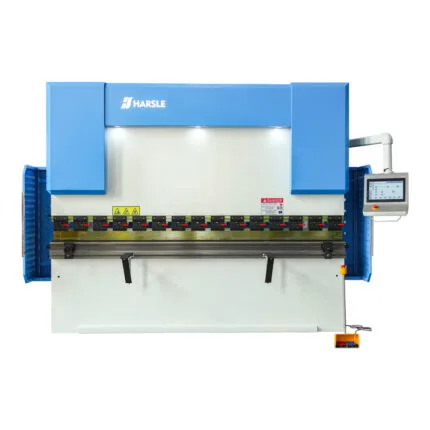
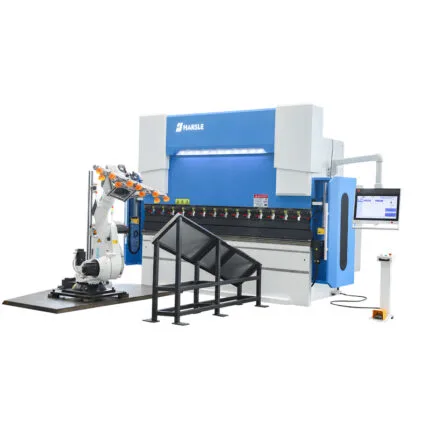
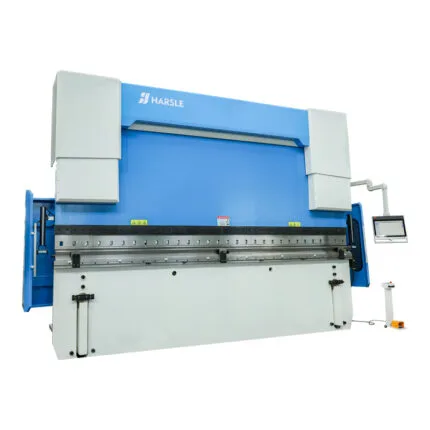
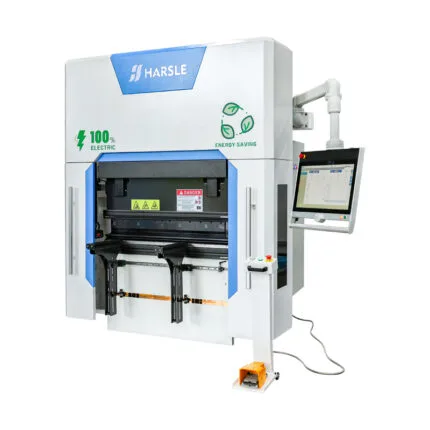
- I migliori produttori cinesi di macchine per saldatura laser per l'industriaHARSLE is one of the leading China laser welding machine manufacturers, providing high-quality and cost-effective solutions for industrial…Visualizza i dettagli
- Macchina per saldatura laser a fibra 3 in 1 per lavori di precisioneThe 3 in 1 fiber laser welding machine integrates welding, cutting, and cleaning functions in one device. It…Visualizza i dettagli
- Macchina per saldatura laser ad alta efficienza da 2 kW in venditaDiscover HARSLE’s 2KW laser welding machine, ideal for precise, high-speed metal joining. This powerful solution offers deep penetration,…Visualizza i dettagli
- I migliori produttori di macchine per saldatura laser da 1500 WDiscover top-tier 1500W laser welding machine manufacturers offering precision, efficiency, and durability. Ideal for metal fabrication, automotive, and…Visualizza i dettagli
- Fornitori affidabili di macchine per saldatura laser da 3000 WHARSLE is one of the leading 3000W laser welding machine suppliers, offering high-performance equipment for precise and efficient…Visualizza i dettagli
- Saldatrice laser portatile multifunzione 5 in 1The 5 in 1 handheld laser welding machine offers welding, cutting, cleaning, polishing, and seam welding functions in…Visualizza i dettagli
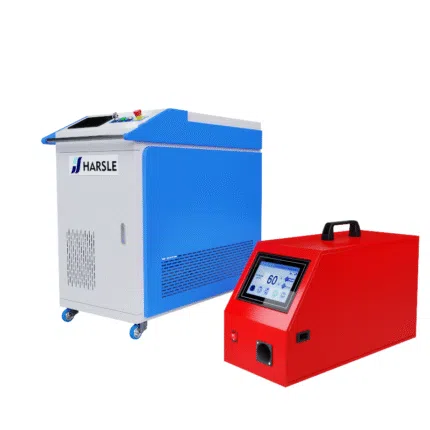
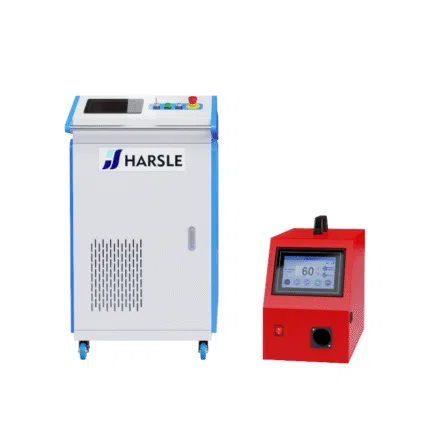
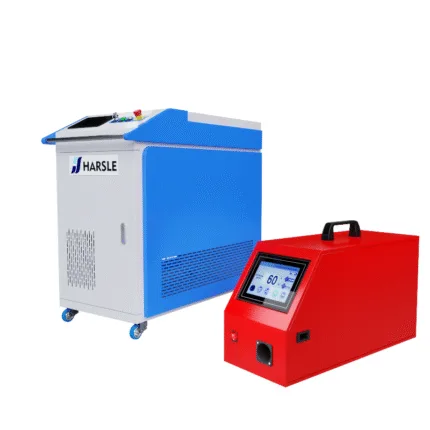
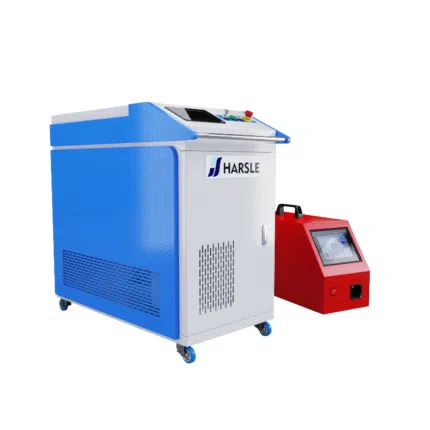
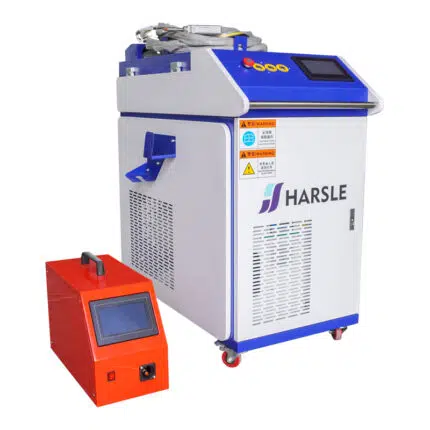
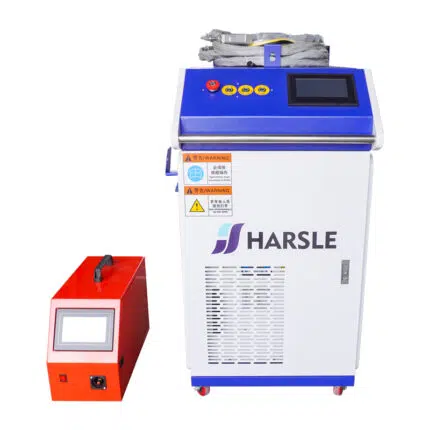
- DualPolish 800 for Laser Cut Parts Edge FinishingThe DualPolish 800 is a versatile deburring and chamfering machine designed specifically for laser-cut parts. With its precision…Visualizza i dettagli
- Macchina per lucidatura e sbavatura magnetica per parti tagliate al laserThe magnetic deburring polishing machine is specially designed for finishing sheet metal parts after laser cutting. It efficiently…Visualizza i dettagli
- Macchine per la sbavatura di metalli piani per la lavorazione di lamiereFlat metal deburring machines are designed to remove sharp edges, burrs, and slag from sheet metal parts after…Visualizza i dettagli
- Macchina a ruota sbavatrice per la finitura dei bordi metalliciThe deburring wheel machine is designed to efficiently remove burrs, sharp edges, and surface imperfections from metal parts…Visualizza i dettagli
- Macchina per sbavatura e finitura di parti metallicheThe deburring and finishing machine is designed to remove sharp edges, burrs, and slag from metal parts after…Visualizza i dettagli
- Macchina per smussatura dei metalli ad alta velocitàThe metal chamfering machine is designed for precise edge beveling and deburring of metal sheets and plates. It…Visualizza i dettagli
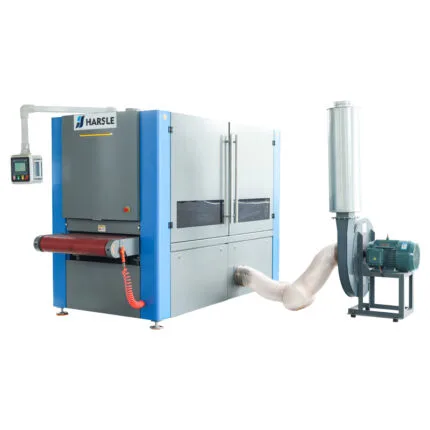
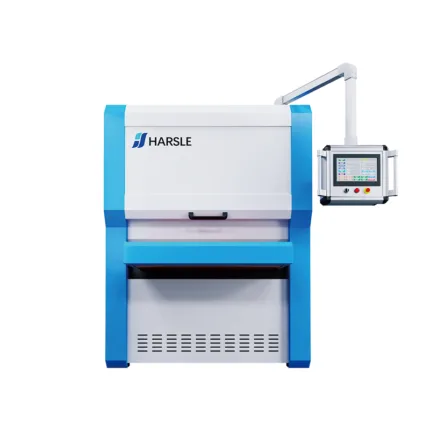
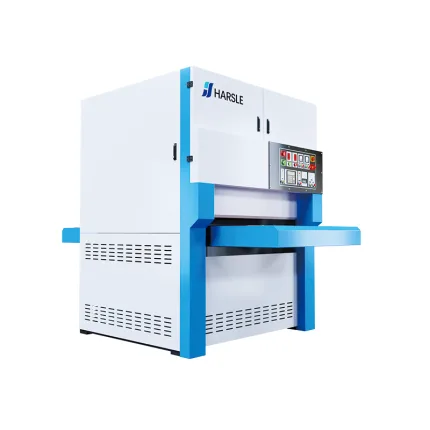
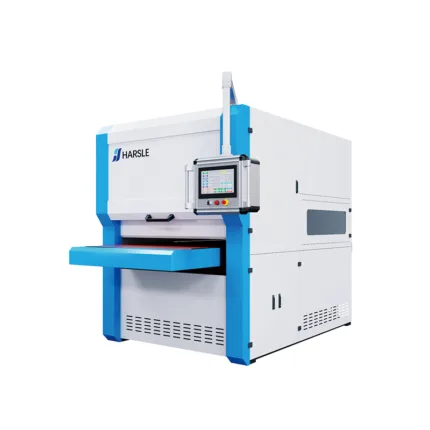
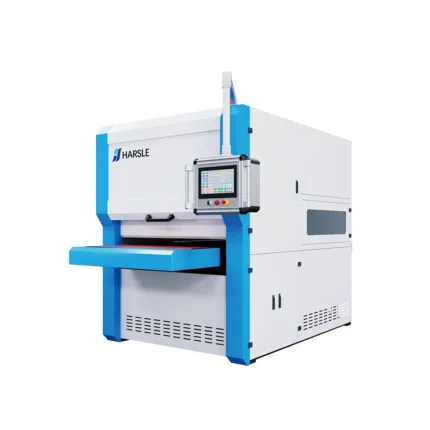
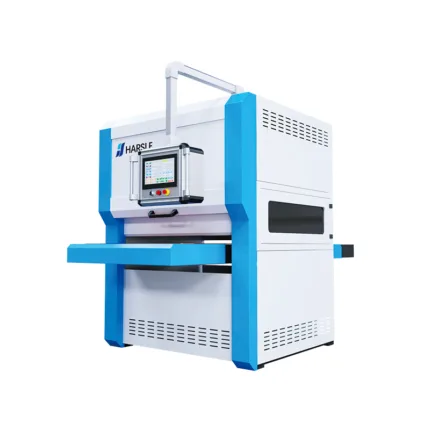
- Ribaltatore di pannelli per linea di produzione per la movimentazione di lamiereThe Production Line Panel Flipper is designed to improve efficiency and safety in sheet metal handling processes. It…Visualizza i dettagli
- Precision Panel Flipper for Sheet Metal HandlingThe Precision Panel Flipper is designed to improve efficiency and safety in sheet metal handling operations. It enables…Visualizza i dettagli
- Fabrication Panel Handler for Metal Handling AutomationThe Fabrication Panel Handler is designed to improve efficiency and safety in sheet metal fabrication workflows. It automates…Visualizza i dettagli
- Soluzione intelligente per la movimentazione dei pannelli nell'automazione della lavorazione della lamiera.The Smart Panel Handling Solution is designed to improve efficiency and safety in modern sheet metal production lines.…Visualizza i dettagli
- Sistema industriale di ribaltamento pannelli per la lavorazione dei metalliThe Industrial Panel Flipping System is designed for efficient and safe handling of large sheet metal panels in…Visualizza i dettagli
- Ribaltatore CNC per pannelli per la movimentazione di lamiereCNC Panel Flipper is an advanced sheet metal handling solution designed for safe, precise, and efficient panel rotation…Visualizza i dettagli
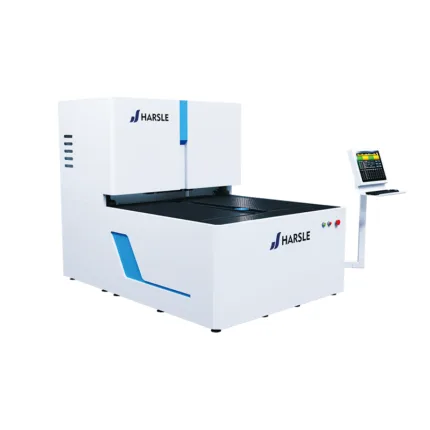
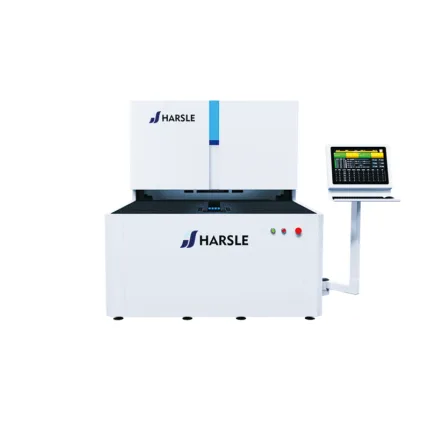
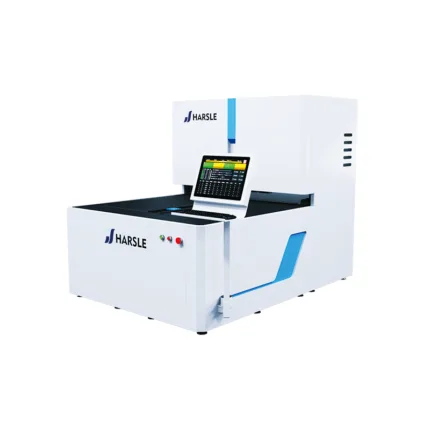
- Matrice regolabile manuale per pressa piegatriceThe Manual Adjustable Die is a precision press brake tooling solution designed to improve bending accuracy and setup…Visualizza i dettagli
- Sistema di cambio rapido del punzone a trave fissa per presse piegatriciThe Fixed-Beam Punch Quick-Change System is designed to significantly reduce tool setup time and improve bending efficiency for…Visualizza i dettagli
- Matrice per pressa piegatrice universale 4V per piegatura della lamieraHARSLE 4V Press Brake Die is designed for efficient and precise bending of metal sheets using CNC press…Visualizza i dettagli
- Matrice multi-V e punzone standard per pressa piegatriceHARSLE's Multi-V Die and Standard Punch provide excellent versatility and precision for metal bending applications. Designed for press…Visualizza i dettagli
- Utensile punzonatore standard di alta qualità per lavori di precisioneDiscover the Standard Punch Tool designed for precision and durability in metal fabrication. Engineered for accurate punching operations,…Visualizza i dettagli
- Set di punzoni e matrici per orlatura ad alta precisioneEnhance your sheet metal fabrication with our High-Precision Hemming Punch and Die Set. Designed for accuracy and durability,…Visualizza i dettagli
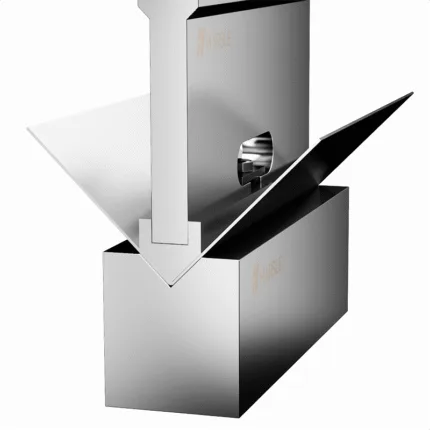
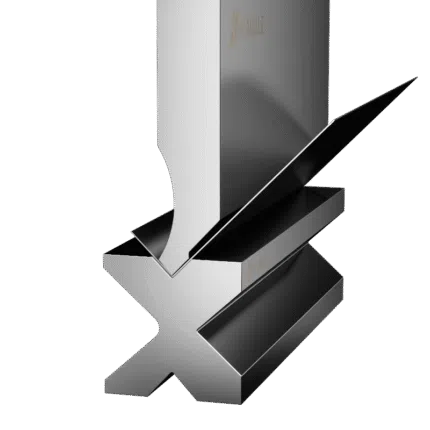
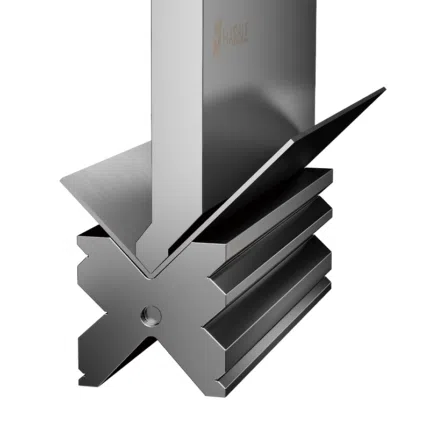
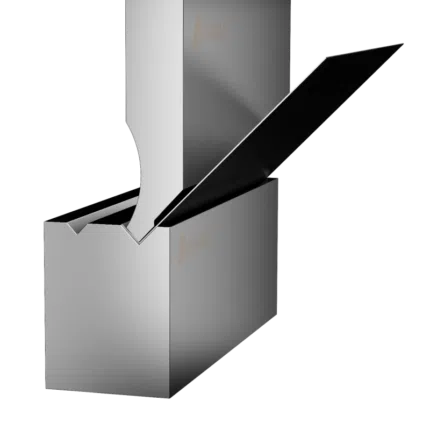
Challenges & Solutions
What Matters in Elevator Manufacturing
No scratches on decorative stainless
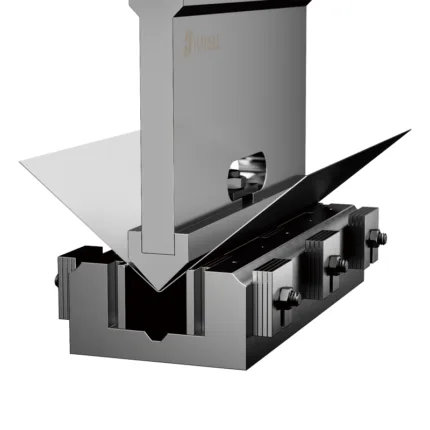
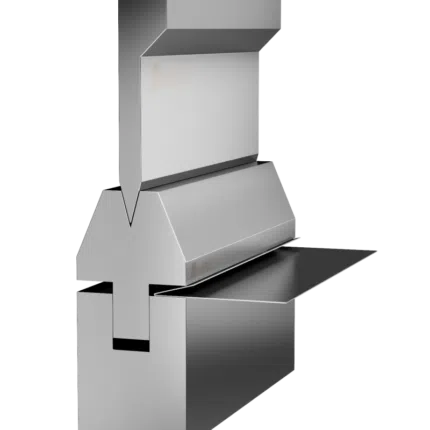
Panel benders keep the sheet supported on brushes; polyurethane film and dedicated tooling protect the face on press brakes.
Sharp, small-radius edges
V-grooving before bending gives the crisp edges architects specify for car doors and wall panels.
Straight flanges over 2–3 m
Crowning on CNC press brakes and the rigid frame of a panel bender keep angles constant over the full length.
Invisible welds
Laser welding of stiffeners leaves little or no mark on the visible side.
Automate Bending
Panel Bender for Elevator Manufacturing
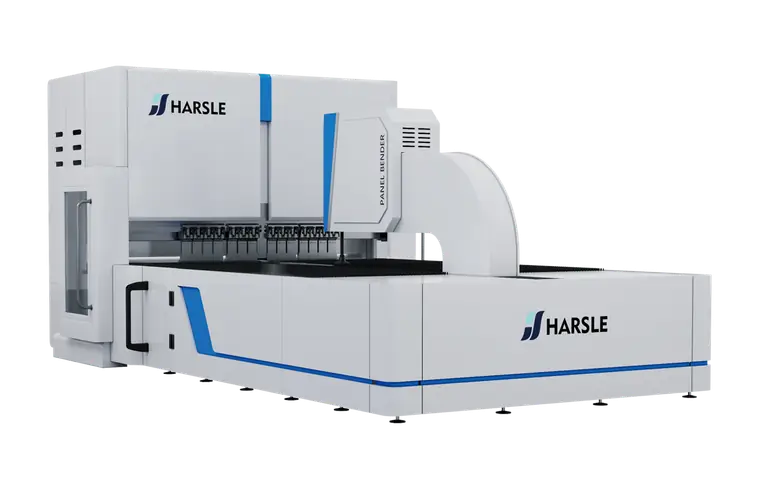
A HARSLE panel bender clamps the sheet flat and forms all four sides in one cycle with universal tooling — ideal for the repeat panels, doors and boxes found in elevator doors & cabins.
- Bending length 1400–3000 mm (AutoBend)
- 0–180° bending angle, 0.2 s per bend
- Minimal operator skill, fast changeovers
Impronta globale
Shipments & Customer Stories
Every shipment and customer story HARSLE publishes appears here automatically. Filter by machine or country.
- 1,243Spedizioni pubblicate
- 120Paesi di destinazione
- 125Storie dei clienti
- VivereAggiornato con le nostre spedizioni
![Israele-PrimeShear 1025 Cesoia a Ghigliottina]() SpeditoIsraele-PrimeShear 1025 Cesoia a Ghigliottina
![Siria-Flexbend 13032 Piegatrice CNC]() SpeditoSiria-Flexbend 13032 Piegatrice CNC
![Egitto-EasyBend 17542 Piegatrice]() SpeditoEgitto-EasyBend 17542 Piegatrice
![Francia-FlexBend 12532 Piegatrice]() SpeditoFrancia-FlexBend 12532 Piegatrice
![USA-FlexBend 17032 Piegatrice]() SpeditoUSA-FlexBend 17032 Piegatrice
![Repubblica Ceca-Masterbend 50060 Piegatrice CNC]() SpeditoRepubblica Ceca-Masterbend 50060 Piegatrice CNC
![USA-EasyBend 6316 Piegatrice]() SpeditoUSA-EasyBend 6316 Piegatrice
![Marocco-FlexBend 17040 Piegatrice]() SpeditoMarocco-FlexBend 17040 Piegatrice
![Pressa piegatrice CNC Brazil-MasterBend 60060]() SpeditoPressa piegatrice CNC Brazil-MasterBend 60060
![USA-MasterBend 13032 Piegatrice CNC]() SpeditoUSA-MasterBend 13032 Piegatrice CNC
![Bangladesh-PrimeShear 1225 Cesoia a ghigliottina]() SpeditoBangladesh-PrimeShear 1225 Cesoia a ghigliottina
![Irlanda-MasterBend 20032 Piegatrice]() SpeditoIrlanda-MasterBend 20032 Piegatrice
![Lettonia-FlexBend 17032 Piegatrice]() SpeditoLettonia-FlexBend 17032 Piegatrice
![Lituania-MasterBend 60060 Piegatrice CNC]() SpeditoLituania-MasterBend 60060 Piegatrice CNC
![USA-MasterBend 17032 Piegatrice]() SpeditoUSA-MasterBend 17032 Piegatrice
![Pressa piegatrice Brazil-FlexBend 6320]() SpeditoPressa piegatrice Brazil-FlexBend 6320
![Marocco-FlexBend 40060 Piegatrice]() SpeditoMarocco-FlexBend 40060 Piegatrice
![Venezuela-TriRoll3025 Macchina per laminazione]() SpeditoVenezuela-TriRoll3025 Macchina per laminazione
![Macchina piegatrice per profili Brazil-Angleroll 45]() SpeditoMacchina piegatrice per profili Brazil-Angleroll 45
![Cile-MasterBend 30040 Piegatrice CNC]() SpeditoCile-MasterBend 30040 Piegatrice CNC
![Macchina Pressa a Caldo Mexico-HP-50T]() SpeditoMacchina Pressa a Caldo Mexico-HP-50T
![Marocco-FlexBend 40060 Piegatrice]() SpeditoMarocco-FlexBend 40060 Piegatrice
![Australia-E-Bend Pro 3512 Piegatrice]() SpeditoAustralia-E-Bend Pro 3512 Piegatrice
![USA-MasterBend 25032 Piegatrice]() SpeditoUSA-MasterBend 25032 Piegatrice
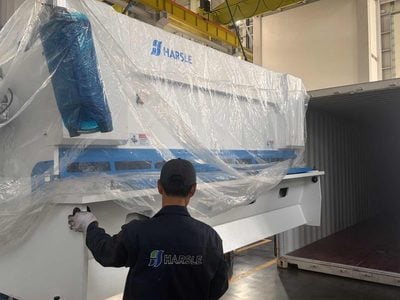
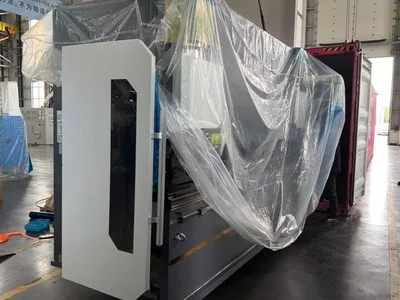
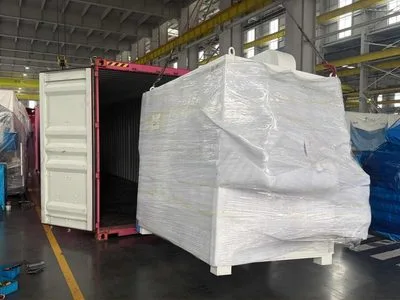
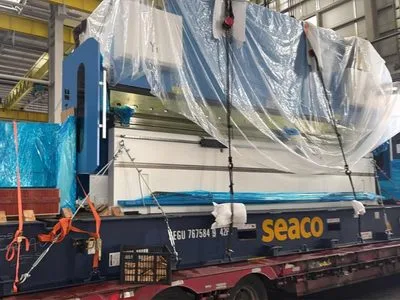
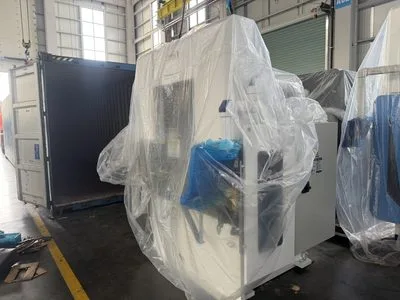
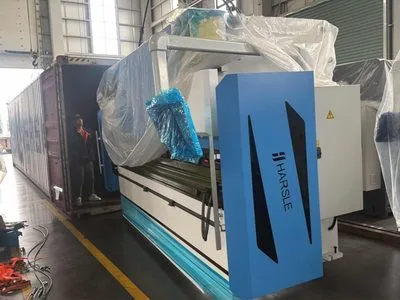
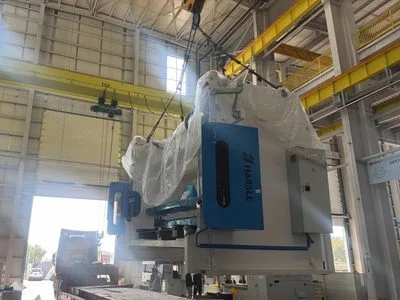
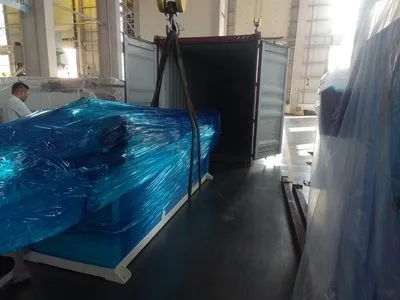
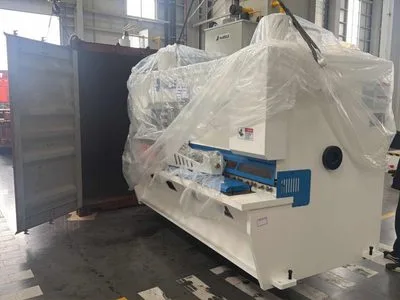
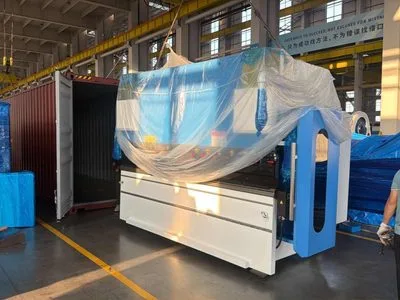
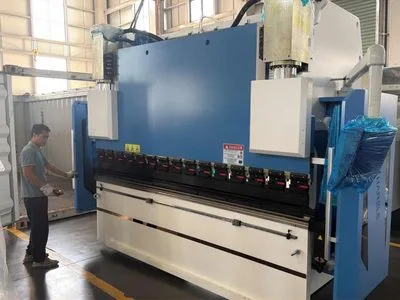
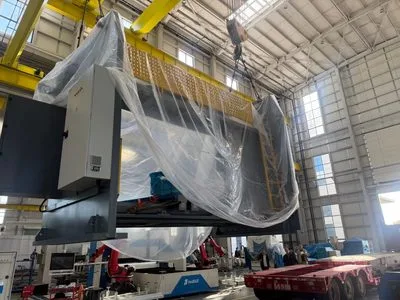
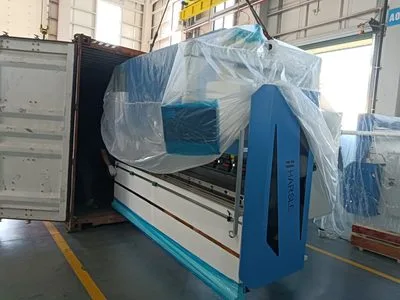
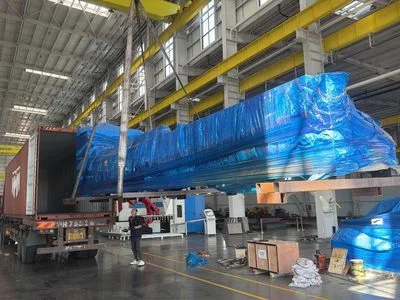
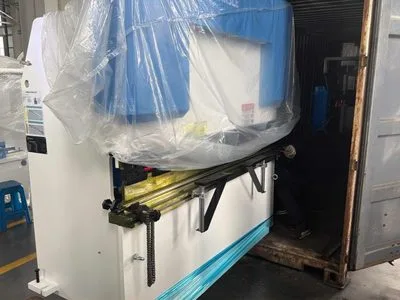
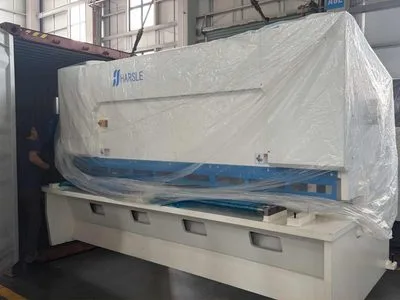
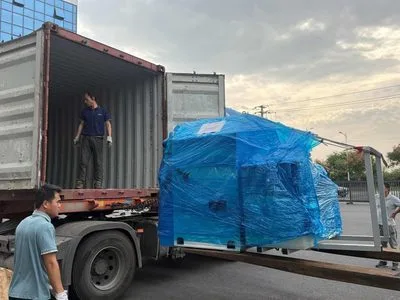
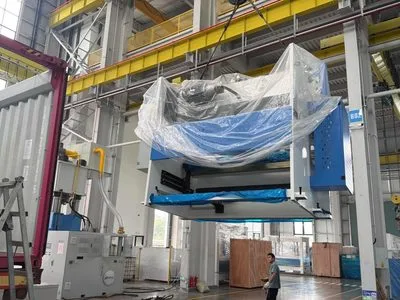
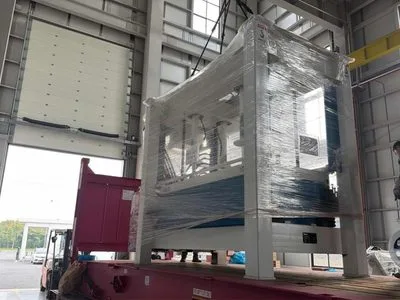
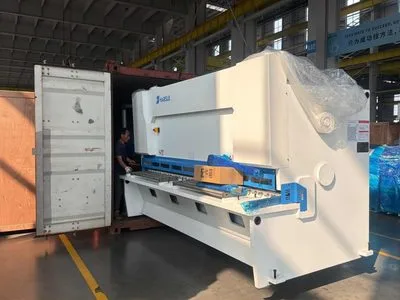
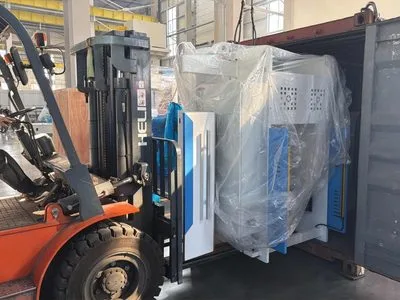
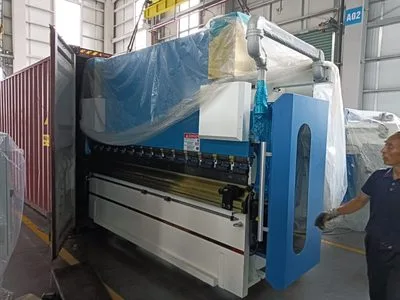
Nessuna spedizione corrisponde ancora a questo filtro.
![Una piegatrice per tubi ad alta efficienza conquista il Camerun.]() StoriaUna piegatrice per tubi ad alta efficienza conquista il Camerun.
![I clienti statunitensi riferiscono un'installazione HARSLE in loco impeccabile.]() StoriaI clienti statunitensi riferiscono un'installazione HARSLE in loco impeccabile.
![Un cliente canadese elogia la riparazione del sovraccarico della pressa piegatrice HARSLE]() StoriaUn cliente canadese elogia la riparazione del sovraccarico della pressa piegatrice HARSLE
![L'installazione professionale della pressa piegatrice conquista la fiducia dei clienti negli Stati Uniti.]() StoriaL'installazione professionale della pressa piegatrice conquista la fiducia dei clienti negli Stati Uniti.
![Il Supporto Ingegneristico HARSLE Ottiene la Gratitudine di un Cliente Azerbaigiano]() StoriaIl Supporto Ingegneristico HARSLE Ottiene la Gratitudine di un Cliente Azerbaigiano
![Un supporto affidabile per l'installazione di presse piegatrici conquista la fiducia degli Stati Uniti.]() StoriaUn supporto affidabile per l'installazione di presse piegatrici conquista la fiducia degli Stati Uniti.
![Cliente in Romania Riporta Alta Soddisfazione per HARSLE]() StoriaCliente in Romania Riporta Alta Soddisfazione per HARSLE
![L'aggiornamento del software della pressa piegatrice HARSLE sblocca il potenziale dei clienti statunitensi.]() StoriaL'aggiornamento del software della pressa piegatrice HARSLE sblocca il potenziale dei clienti statunitensi.
![HARSLE Panel Bender Fast Setup conquista gli elogi negli Stati Uniti]() StoriaHARSLE Panel Bender Fast Setup conquista gli elogi negli Stati Uniti
![La formazione sull'utilizzo della piegatubi HARSLE incrementa la produzione in Thailandia.]() StoriaLa formazione sull'utilizzo della piegatubi HARSLE incrementa la produzione in Thailandia.
![Il supporto tecnico di HARSLE riceve elogi da un cliente statunitense.]() StoriaIl supporto tecnico di HARSLE riceve elogi da un cliente statunitense.
![Il supporto tecnico in loco garantisce un accordo a lungo termine con un'azienda libanese.]() StoriaIl supporto tecnico in loco garantisce un accordo a lungo termine con un'azienda libanese.
![Un cliente libanese elogia la qualità della pressa piegatrice HARSLE.]() StoriaUn cliente libanese elogia la qualità della pressa piegatrice HARSLE.
![La tosatrice conforme alle normative CSA soddisfa pienamente un cliente canadese.]() StoriaLa tosatrice conforme alle normative CSA soddisfa pienamente un cliente canadese.
![Test di accettazione in fabbrica superato con successo per il cliente cileno.]() StoriaTest di accettazione in fabbrica superato con successo per il cliente cileno.
![Una soluzione di piegatura ad alta efficienza migliora la produzione in Grecia.]() StoriaUna soluzione di piegatura ad alta efficienza migliora la produzione in Grecia.


Nessuna storia corrisponde ancora a questo filtro.
Centro Conoscenza
Elevator Manufacturing Guides
Domande frequenti
Domande frequenti
Common questions about machines and processes for elevator doors & cabins.
Which machines are used to make elevator doors?
A typical elevator door line uses a shear or fiber laser for blanks, a V-grooving machine for sharp edges, a panel bender or long CNC press brake for folding, laser welding for stiffeners and a deburring or polishing step.
Why is V-grooving used for elevator panels?
Cutting a V-groove on the bend line reduces the material left at the corner, so the bend has a very small outside radius. This gives the sharp, architectural edge required on car doors and cabin panels.
Panel bender or press brake for elevator doors?
A panel bender folds long doors with less handling and fewer surface marks and is ideal for repeat sizes. A long or tandem CNC press brake is more flexible for frames, jambs and very long parts.
How do you prevent scratches on stainless elevator panels?
Keep the protective film on during cutting and bending, use brush tables and film-protected tooling, and avoid sliding the sheet across steel surfaces.
What thickness are elevator panels?
Car doors, landing doors and cabin walls are mostly 1.0–1.5 mm stainless or coated steel; frames and jambs are typically 1.2–2.0 mm.
More Applications
Other Industries We Equip
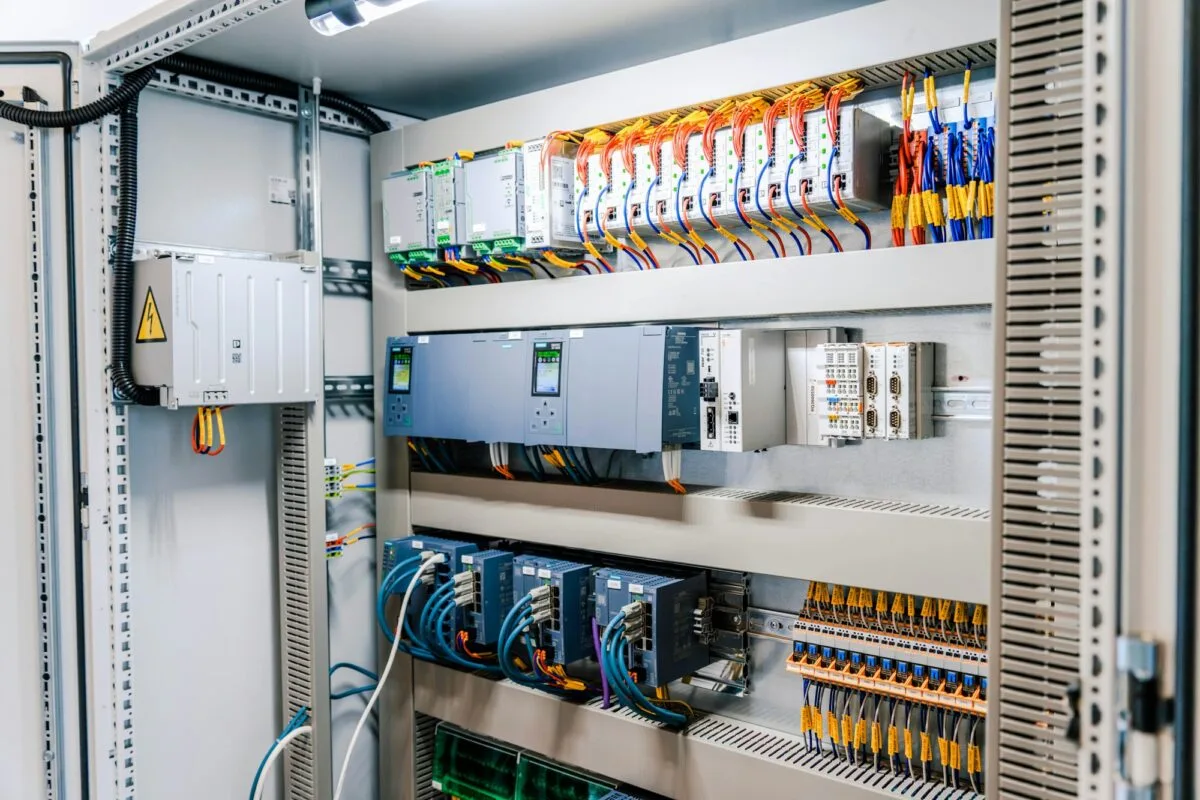
 Electrical Enclosures & Cabinets
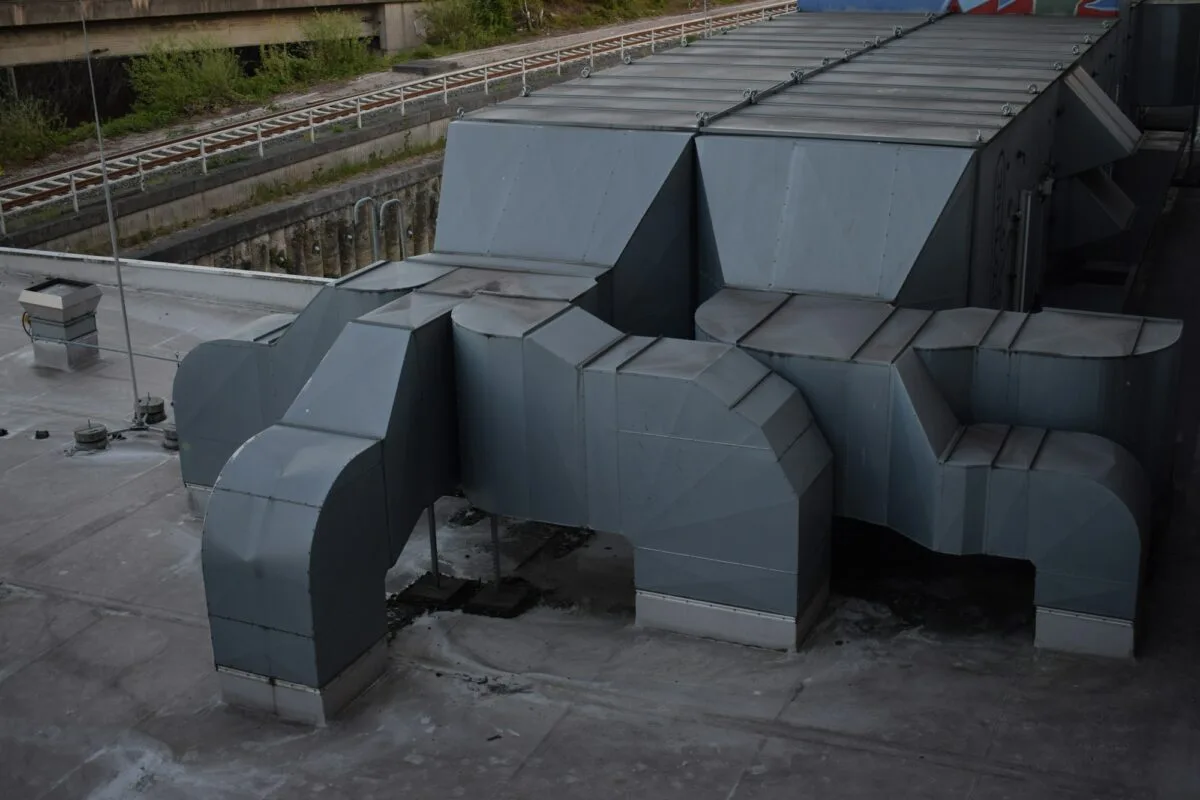
- HVAC Equipment & Ductwork
 Commercial Kitchen & Food Service Equipment
 Office & Metal Furniture
- Medical & Laboratory Equipment
- Automotive Parts & Vehicles
- Componenti aerospaziali
- Shipbuilding & Marine
 Construction, Facades & Interiors
- Home Appliances
- Lavorazione della lamiera e officine meccaniche
- Signage, Advertising & Displays
- Lavorazione di Tubazioni e Tubi
- Pressure Vessels, Tanks & Oil and Gas
 Wind, Solar & Power Equipment
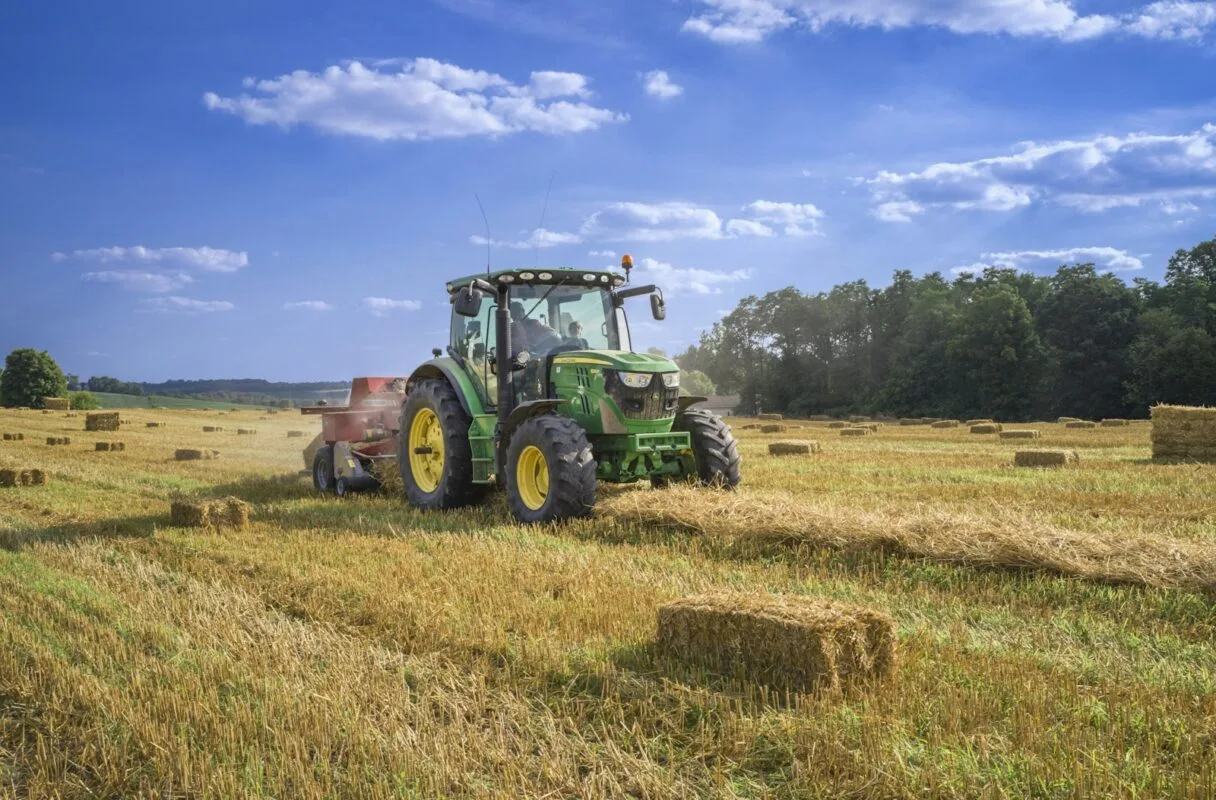
 Heavy Machinery & Agricultural Equipment
- Fitness & Gym Equipment
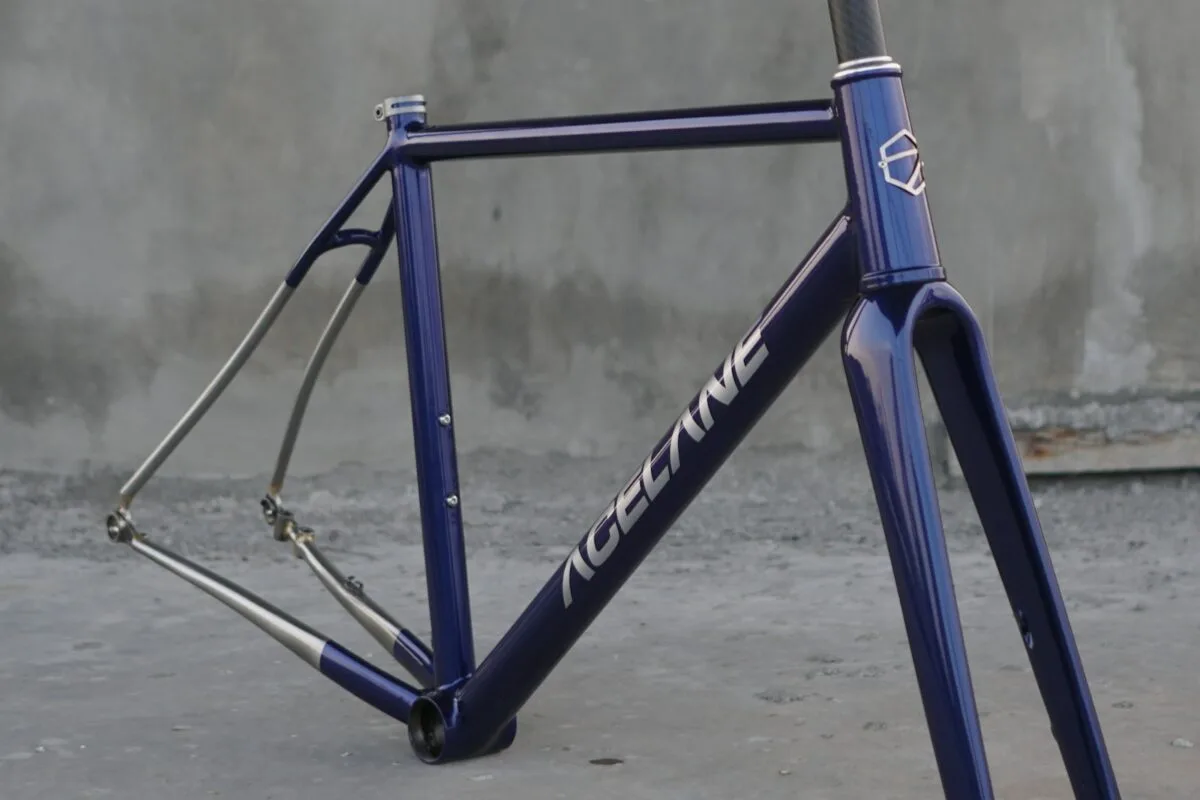
- Bicycle & Motorcycle Frames
 Agricultural Machinery
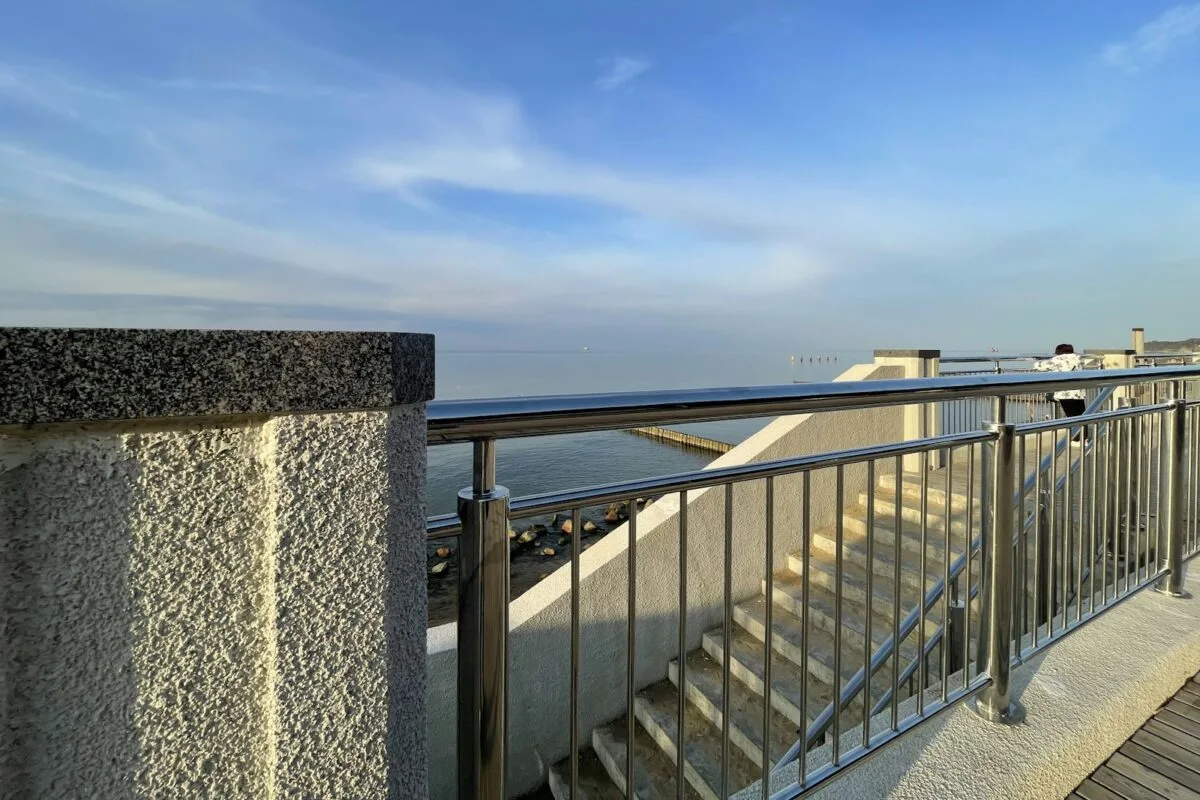
- Handrails & Railings
- Production Line Solutions



Inizia subito
Richiedi un preventivo
Tell us about your elevator doors & cabins — our engineers will recommend the machines and layout.
- Selezione della macchinaModello, serie e opzioni abbinati ai tuoi componenti
- Supporto tecnicoFattibilità della piegatura verificata sui tuoi disegni
- Preventivo dettagliatoPrezzo, tempi di consegna, spedizione e installazione
- Risposta entro 24 oreUn vero ingegnere risponde entro un giorno lavorativo
Suggerimento: indica il tuo materiale, spessore, dimensione massima del pezzo e volume annuo per un preventivo più accurato.


