


When customers ask me how often they really need to perform a Press Brake Hydraulic Oil Change, they’re usually looking for a clear, practical answer—not vague recommendations or generic timelines. From my experience working with press brakes in real production environments, hydraulic oil change intervals are not one-size-fits-all. They depend on operating hours, working conditions, oil quality, and how well the hydraulic system is maintained. In this article, I’ll explain how often hydraulic oil should be changed, what factors truly matter, and how proper oil management helps protect accuracy, reliability, and long-term machine performance.
Dlaczego Prasa krawędziowa Hydraulic Oil Change Matters

Hydraulic oil is the lifeblood of a press brake. It transmits force, lubricates internal components, dissipates heat, and protects the system from corrosion. If the oil condition is neglected, even a high-quality press brake will gradually lose stability and precision.
A timely Press Brake Hydraulic Oil Change helps prevent internal wear, valve sticking, pump damage, and inconsistent bending results. More importantly, it reduces unexpected downtime caused by hydraulic failures that are often expensive and time-consuming to repair.
Recommended Press Brake Hydraulic Oil Change Intervals
Based on Operating Hours
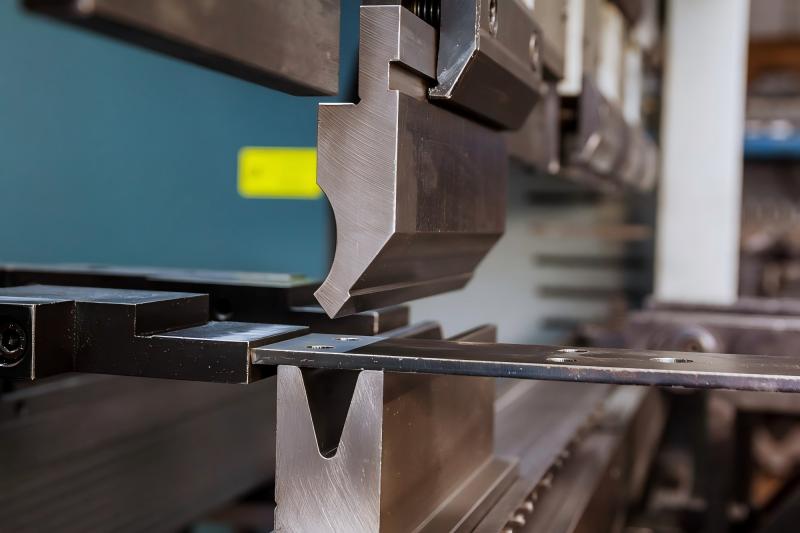
In most production environments, I recommend performing the first Press Brake Hydraulic Oil Change after approximately 2,000 working hours. This initial oil change is critical because it removes contaminants generated during the break-in period, such as metal particles and assembly residues.
After the first change, a regular interval of 4,000 to 6,000 operating hours is generally sufficient, provided the machine operates under stable conditions and the oil quality remains within acceptable limits.
Based on Calendar Time
Even if a press brake does not reach the recommended operating hours, hydraulic oil should still be changed every 12 to 24 months. Over time, oil degrades due to oxidation, moisture absorption, and temperature fluctuations. In low-utilization workshops, calendar-based replacement is just as important as hour-based maintenance.
Factors That Affect Press Brake Hydraulic Oil Change Frequency
Working Environment and Temperature

High ambient temperatures, poor ventilation, or continuous heavy-duty operation accelerate oil aging. In hot workshops or high-load applications, I often advise shortening the Press Brake Hydraulic Oil Change interval to prevent overheating and viscosity breakdown.
Dusty or humid environments also increase the risk of contamination. Moisture and fine particles can enter the hydraulic system through seals and breathers, reducing oil effectiveness.
Oil Quality and Filtration
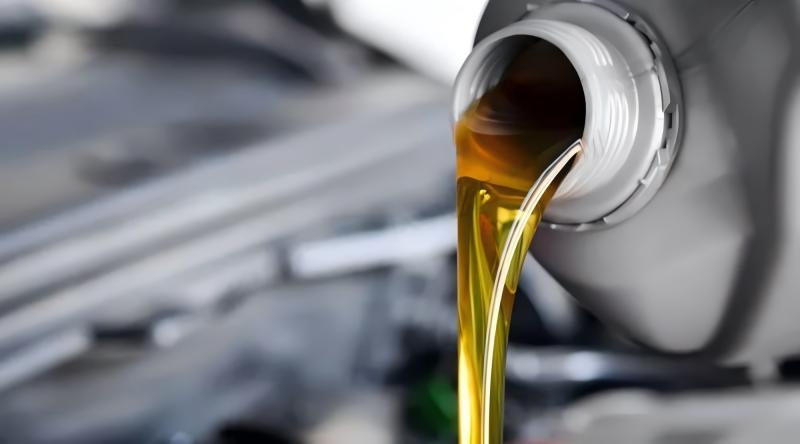
High-quality hydraulic oil with proper viscosity and additive packages lasts longer and protects components more effectively. Equally important is the condition of the filtration system. Clogged or inefficient filters allow contaminants to circulate, shortening oil life significantly.
Regular oil analysis and filter inspections help determine whether the Press Brake Hydraulic Oil Change interval can be extended safely or should be shortened.
Signs That Indicate a Press Brake Hydraulic Oil Change Is Needed
Changes in Oil Appearance and Smell
Whenever I inspect a hydraulic system, the first thing I check is the oil itself. Darkened oil, milky appearance, or a burnt smell are clear warning signs. These conditions indicate oxidation, moisture contamination, or overheating—all reasons to perform an immediate Press Brake Hydraulic Oil Change.
Decline in Machine Performance

Slow ram movement, unstable pressure, abnormal noise from the pump, or inconsistent bending accuracy often point to oil-related issues. While these symptoms may seem mechanical at first, degraded hydraulic oil is frequently the root cause.
Best Practices for Performing a Press Brake Hydraulic Oil Change
Proper Draining and Cleaning

Before refilling new oil, I always recommend fully draining the old oil and cleaning the tank if contamination is suspected. Residual sludge or debris left inside the reservoir can quickly compromise fresh oil.
Correct Oil Selection
Using the manufacturer-recommended hydraulic oil grade is essential. Incorrect viscosity affects pressure stability, response speed, and lubrication quality. A proper Press Brake Hydraulic Oil Change always includes verifying oil specifications, not just replacing fluid.
System Bleeding and Monitoring
After refilling, air must be carefully bled from the hydraulic system. I advise monitoring oil temperature, pressure stability, and filter condition during the first few operating hours after a Press Brake Hydraulic Oil Change to ensure everything functions correctly.
Preventive Maintenance to Extend Oil Life
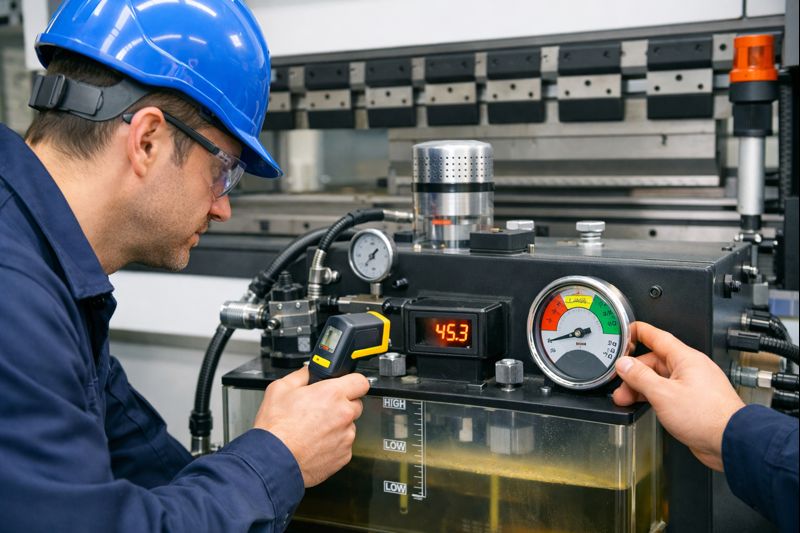
Routine inspections significantly extend hydraulic oil service life. I recommend regularly checking oil level, temperature, and filter indicators. Keeping the hydraulic system clean, well-sealed, and properly cooled reduces oxidation and contamination, allowing safer extension of the Press Brake Hydraulic Oil Change interval.
Często zadawane pytania
How often should Press Brake Hydraulic Oil Change be performed in heavy-duty production?
In continuous or high-load production environments, I usually recommend shortening the Press Brake Hydraulic Oil Change interval to around 3,000–4,000 operating hours, especially if oil temperature remains high for extended periods.
Can oil analysis replace scheduled Press Brake Hydraulic Oil Change?
Oil analysis is a valuable tool, but it should support—not replace—scheduled maintenance. While analysis can help optimize timing, ignoring recommended Press Brake Hydraulic Oil Change intervals entirely increases the risk of system failure.
What happens if Press Brake Hydraulic Oil Change is delayed too long?
Delayed oil replacement accelerates wear of pumps, valves, and seals. In my experience, this often leads to unstable pressure, loss of bending accuracy, and costly hydraulic repairs that far exceed the cost of timely oil changes.
Wniosek
A proper Prasa krawędziowa Hydraulic Oil Change is not just routine maintenance—it is a key factor in maintaining accuracy, reliability, and machine lifespan. By considering operating hours, working conditions, oil quality, and performance signals, you can determine how often is truly enough for your press brake. Regular inspections and preventive maintenance allow you to avoid unexpected downtime and extend the service life of critical hydraulic components. If you need professional guidance on hydraulic oil selection, maintenance intervals, or system inspection, our HARSLE service team is always ready to support your production needs.
Nie masz już wystarczającej liczby słów w Humanizer. Uaktualnij swój plan Surfer.


