


В лазерная резка operations, achieving smooth, precise edges is essential for both aesthetic and functional purposes. Laser cutting serrated edge issues can compromise part quality, increase post-processing work, and reduce material utilization. In this article, I’ll share practical strategies and preventive measures to help operators and maintenance teams minimize serration, maintain clean cuts, and ensure high-quality results for sheet metal fabrication projects.
Common Causes of Serrated Edges in Лазерная резка
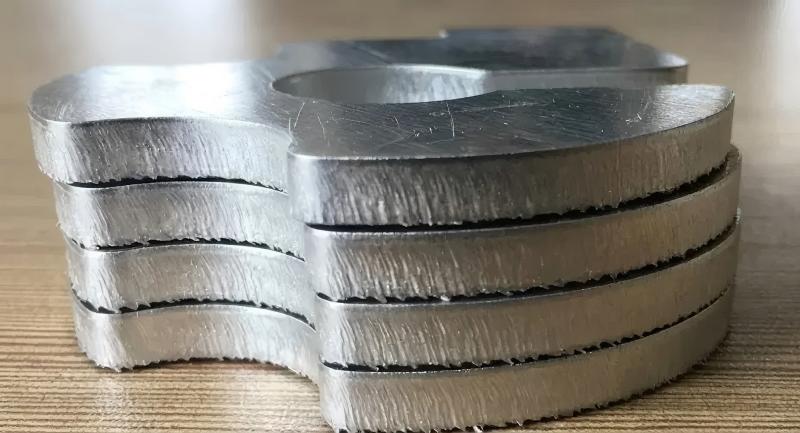
Improper Laser Parameters
Incorrect cutting speed, power, or focus position can cause uneven melting or vaporization of the material, leading to serrated edges along the cut line.
Material Quality and Surface Condition
Materials with high carbon content, inconsistent thickness, or surface oxidation are more prone to edge irregularities. Contaminants like dirt or oil on the sheet surface also contribute to serration.
Misalignment of Laser Optics
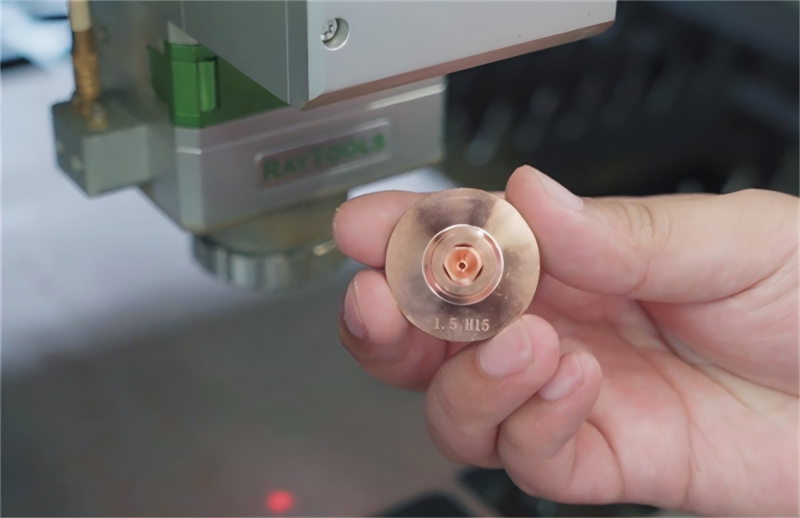
Misaligned mirrors or lenses, as well as defocused laser beams, result in uneven energy distribution, causing rough or jagged edges during cutting.
Gas Flow Issues
Inadequate or uneven assist gas pressure can lead to irregular solidification of molten material during laser cutting, resulting in serrated edges along the cut line and reducing the overall quality and precision of the workpiece.
Step-by-Step Strategies to Avoid Serrated Edges
Step 1: Optimize Laser Parameters
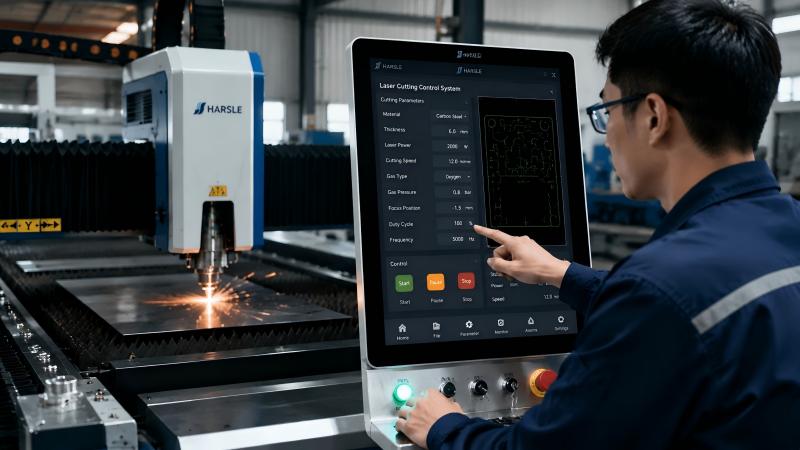
Adjust cutting speed, power, and focus according to the material type and thickness. Use manufacturer-recommended settings for consistent energy delivery to minimize edge serration.
Step 2: Prepare the Material Surface
Ensure sheet metal is clean, free from oil, dust, or rust, and of consistent thickness. Pre-treatment such as degreasing or light polishing can reduce surface irregularities that contribute to serrated edges.
Step 3: Align and Calibrate Laser Optics
Regularly inspect and calibrate mirrors, lenses, and beam alignment. Maintaining proper focus and uniform beam distribution ensures smoother cuts and reduces edge roughness.
Step 4: Adjust Assist Gas Flow
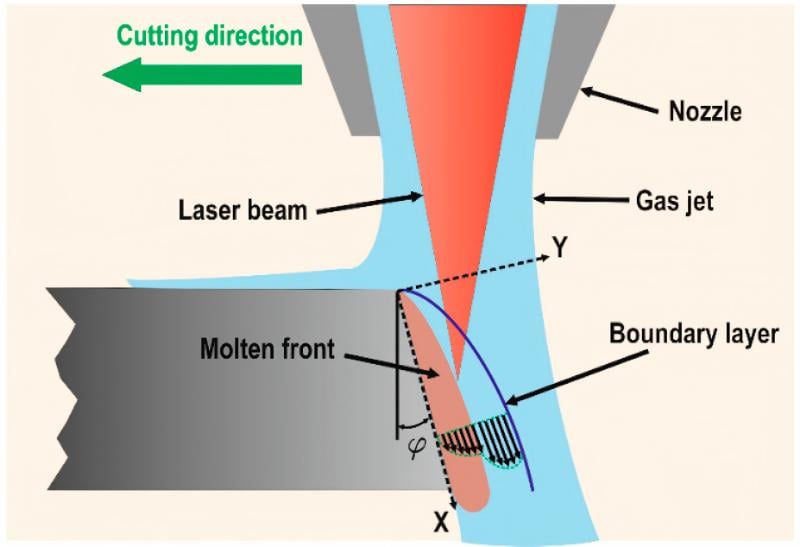
Verify that the assist gas type, pressure, and nozzle alignment are appropriate for the material. Consistent and properly directed gas flow removes molten material efficiently, preventing jagged edges.
Step 5: Perform Test Cuts and Feedback
Before full production, perform test cuts on scrap material. Measure edge quality and adjust parameters as needed. Implement feedback loops in CNC software to fine-tune settings for consistent results.
Step 6: Routine Maintenance of Laser Components
Regularly clean lenses, mirrors, and nozzles. Check for wear and replace any damaged components to maintain cutting precision and prevent edge defects.
Best Practices for High-Quality Laser Cutting
Use High-Quality Materials
Select sheets with uniform thickness and minimal surface imperfections. Higher-quality materials reduce the likelihood of serration during cutting.
Document Optimal Settings
Maintain records of optimal laser parameters for different materials. This helps ensure consistency across production runs and reduces trial-and-error adjustments.
Обучение операторов
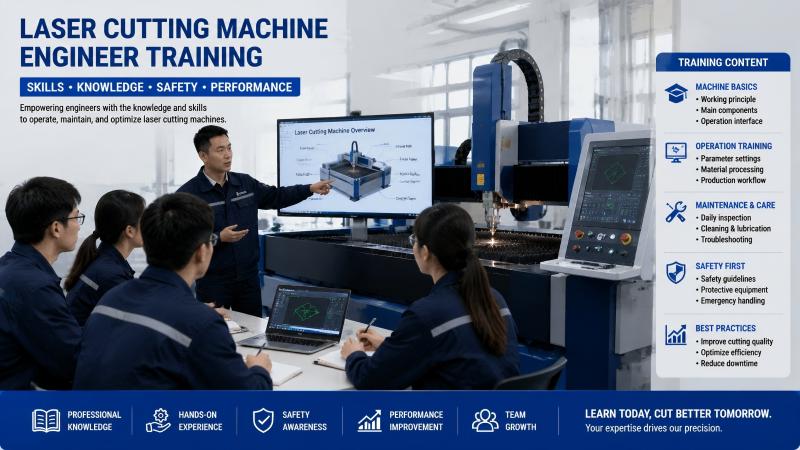
Train operators on the impact of laser settings, material quality, and maintenance routines on edge quality. Knowledgeable operators can proactively prevent serrated edges.
Вопросы и ответы
Can serrated edges be completely eliminated in laser cutting?
While perfection is difficult, careful control of laser parameters, material preparation, and gas flow can minimize serration and produce near-perfect edges.
How often should laser optics be inspected to prevent serrated edges?
Optics should be inspected and cleaned weekly or more frequently in high-use environments to ensure proper beam alignment and focus.
Does material type affect serrated edge formation?
Yes, thicker sheets, high-carbon steel, or oxidized surfaces are more prone to serrated edges, requiring careful parameter adjustment.
Заключение
Предотвращение laser cutting serrated edge defects is essential for producing precise, high-quality parts while reducing post-processing work. By optimizing laser parameters, preparing material surfaces, maintaining proper gas flow, and performing routine maintenance, operators can consistently achieve clean edges and improve production efficiency. For further guidance or assistance, contact our team to ensure your laser systems deliver the best possible cutting performance.


