


Maintaining optimal water quality in laser cooling systems is crucial for the performance and longevity of the equipment. Лазер Cooling Water Maintenance ensures that your machine operates efficiently, prevents overheating, and minimizes corrosion or mineral buildup. In this article, I’ll guide you through practical methods to maintain clean, safe cooling water. By following these strategies, operators can extend component life, reduce downtime, and ensure consistent cutting performance.
Понимание важности Лазер Cooling Water Quality
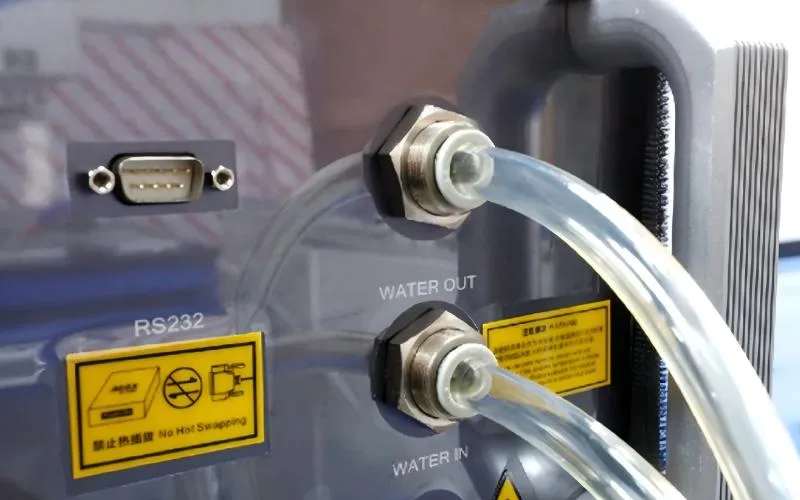
Preventing Overheating and Damage
Impurities or degraded water can cause uneven cooling, leading to thermal stress, reduced laser output, and potential damage to critical components like laser tubes and optics.
Avoiding Corrosion and Scale Buildup
Minerals, debris, and microorganisms in the water can corrode piping, pumps, and metal surfaces, reducing efficiency and increasing maintenance costs.
Maintaining Laser Precision
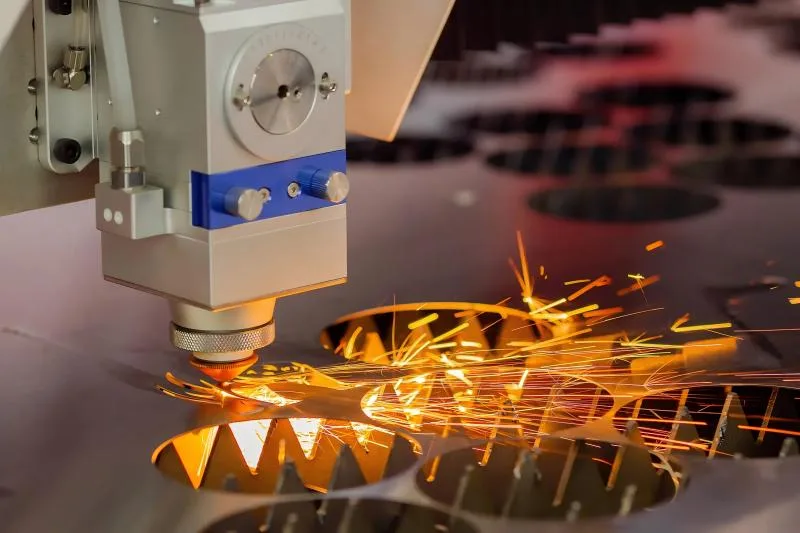
Consistent water temperature and quality ensure stable thermal conditions, which directly affects cutting accuracy, beam quality, and overall productivity.
Step-by-Step Laser Cooling Water Maintenance Strategies
Step 1: Use Proper Water Sources
Always use deionized or distilled water to minimize dissolved minerals and prevent scaling. Tap water can introduce impurities that promote corrosion and bacterial growth.
Step 2: Regular Water Testing
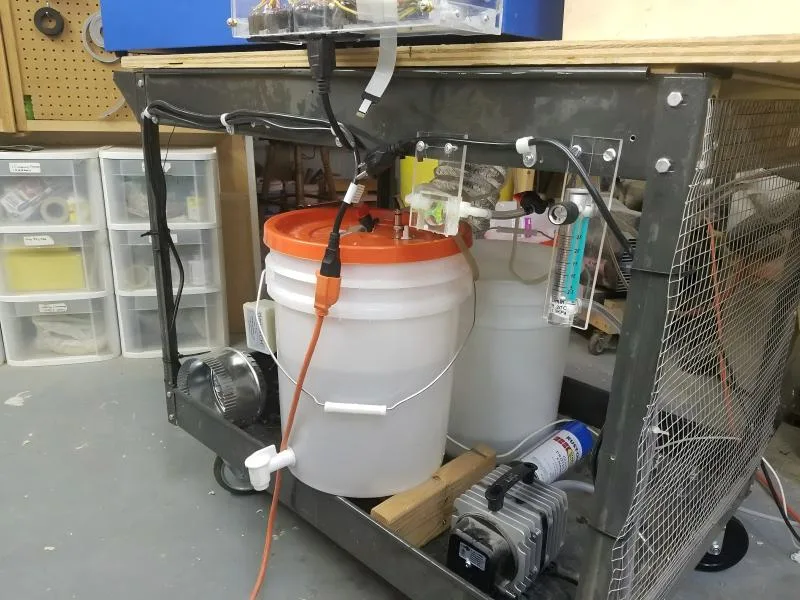
Regularly test the laser cooling water for conductivity, pH levels, and temperature. Monitoring these parameters allows you to detect issues early, maintain optimal cooling conditions, and prevent damage to the laser system.
Step 3: Install Filtration and UV Systems
Install inline filters to remove debris and consider UV sterilizers to prevent algae or bacterial growth, keeping the reservoir and cooling circuit clean and ensuring optimal laser machine performance.
Step 4: Change Water Periodically
Regularly drain and refill the laser cooling system according to manufacturer guidelines or when water quality drops below safe levels. Frequent water changes prevent contamination buildup, maintain optimal cooling performance, and protect the laser components from damage.
Step 5: Inspect and Clean Components
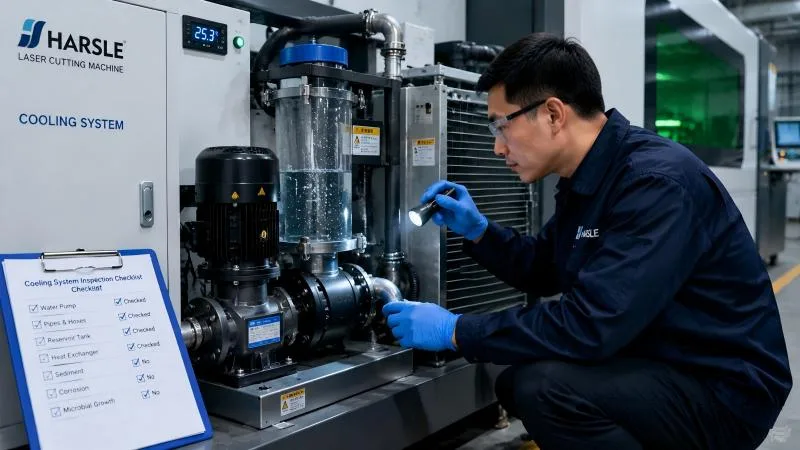
Regularly check pumps, tubing, reservoirs, and heat exchangers for sediment, corrosion, or microbial growth. Clean or replace affected components to maintain system efficiency.
Step 6: Monitor Flow and Temperature
Ensure adequate water flow and maintain the recommended temperature range. Insufficient flow or overheating can damage the laser and reduce performance.
Best Practices for Long-Term Laser Cooling Water Maintenance
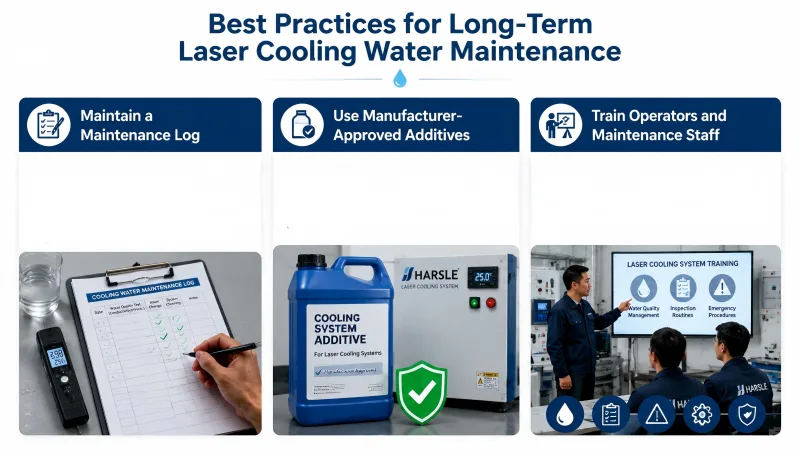
Maintain a Maintenance Log
Maintain a detailed log of all water quality tests, changes, and system cleaning activities. Tracking these records ensures consistent maintenance practices, allows early detection of potential issues, and helps maintain optimal performance and longevity of the laser cooling system.
Use Manufacturer-Approved Additives
Only use additives recommended by the laser manufacturer. Using the correct products prevents damage, maintains system integrity, and ensures safe and reliable operation of the laser cooling system.
Train Operators and Maintenance Staff
Train personnel on proper water management, inspection routines, and emergency procedures to prevent failures and ensure safe, reliable operation of the laser cooling system.
Вопросы и ответы
How often should I change laser cooling water?
Typically, every 3–6 months or according to manufacturer guidelines. More frequent changes may be needed in high-use or contaminated environments.
Can using tap water damage my laser machine?
Yes, tap water can introduce minerals and microorganisms that cause scaling, corrosion, or bacterial growth, impacting laser performance.
How do I detect water contamination early?
Regularly test conductivity, pH, and temperature. Unusual readings, odors, or discoloration indicate contamination.
Заключение
Эффективный Laser Cooling Water Maintenance is essential for machine reliability, precision, and longevity. By using clean water, performing regular tests, maintaining filtration, and monitoring flow and temperature, operators can prevent overheating, corrosion, and contamination. Consistent maintenance ensures stable performance, reduces downtime, and prolongs the life of critical laser components. For expert guidance or additional support, contact our team to keep your laser system operating at peak efficiency.


