


Laser Power Loss can dramatically reduce cutting efficiency, precision, and overall productivity in metal fabrication operations. If your лазерная машина suddenly struggles to penetrate materials, leaves uncut sections, or requires slower cutting speeds, understanding the root causes is crucial. In this article, I’ll explain the main factors that contribute to laser power loss and provide practical troubleshooting tips. By addressing these issues, operators can restore optimal performance, maintain accuracy, and avoid unnecessary downtime, ensuring high-quality cuts and efficient operation across various sheet metal materials.
Common Causes of Laser Power Loss
Degraded Laser Source
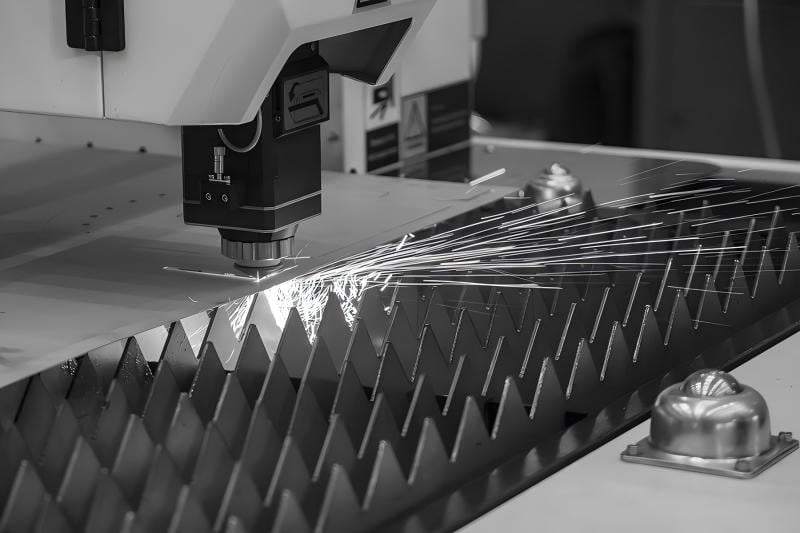
Laser tubes or fiber sources lose efficiency over time. Reduced output power directly impacts cutting performance, especially on thicker or reflective materials.
Dirty or Misaligned Optical Components
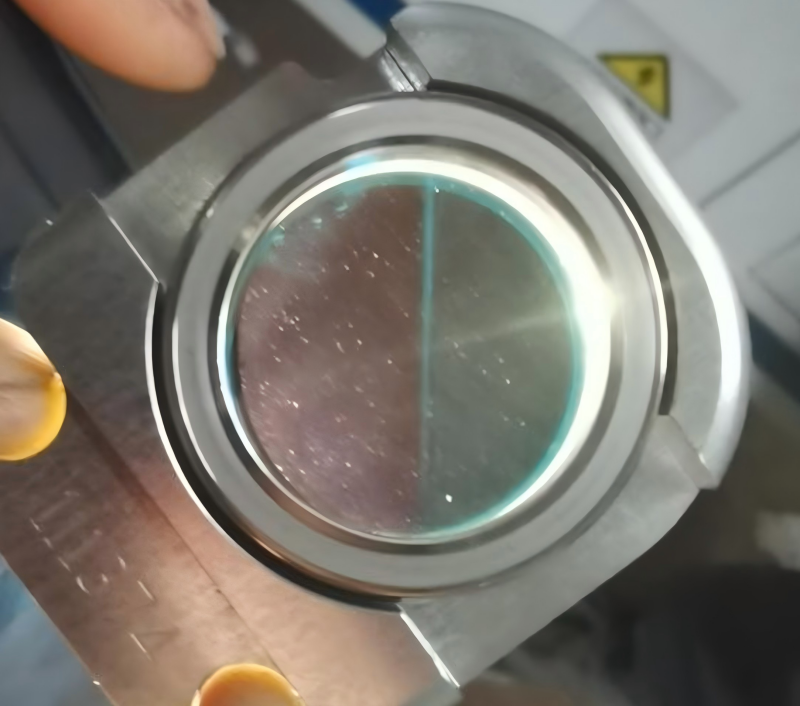
Contaminated mirrors, lenses, or protective glass reduce the amount of laser energy reaching the workpiece. Misalignment further decreases effective power and may cause uneven cuts.
Faulty Cooling System
Overheating reduces laser output and may trigger automatic power reduction. Inspect coolant flow, water quality, and chiller operation to maintain optimal laser performance.
Проблемы с электроснабжением
Voltage fluctuations or unstable power can temporarily lower laser output. Ensure stable and sufficient electrical supply for consistent operation.
Reflective or Coated Materials
Highly reflective metals like aluminum or copper may reflect laser energy, reducing effective cutting power and causing power loss issues.
Assist Gas Problems
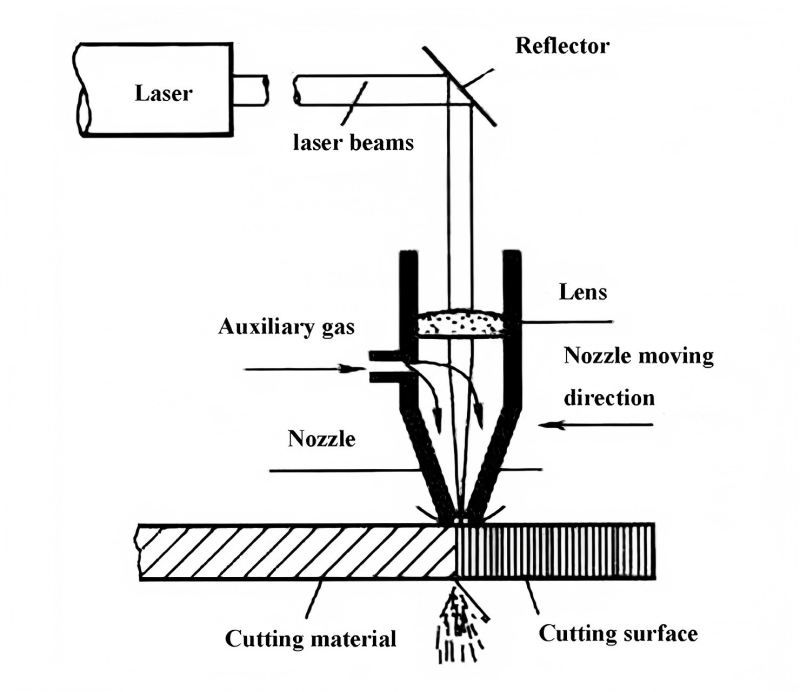
Low pressure, incorrect gas type, or blocked nozzles can affect material removal and increase cutting resistance, making the laser appear underpowered.
Step-by-Step Troubleshooting Guide
Step 1: Measure Laser Output
Use diagnostic tools or internal software to confirm actual laser power. Compare it against the rated output.
Step 2: Inspect and Clean Optics

Regularly clean lenses, mirrors, and protective glass. Realign optics if necessary to ensure maximum energy delivery.
Step 3: Check Cooling System
Verify water flow, temperature, and coolant quality. Replace or adjust the cooling system if the laser is overheating.
Step 4: Verify Electrical Stability
Ensure the power supply meets voltage and current requirements. Consider using surge protection and dedicated circuits.
Step 5: Review Cutting Parameters
Optimize focus position, feed rate, and pulse settings for the material type and thickness. Improper settings can simulate power loss.
Step 6: Inspect Assist Gas Supply
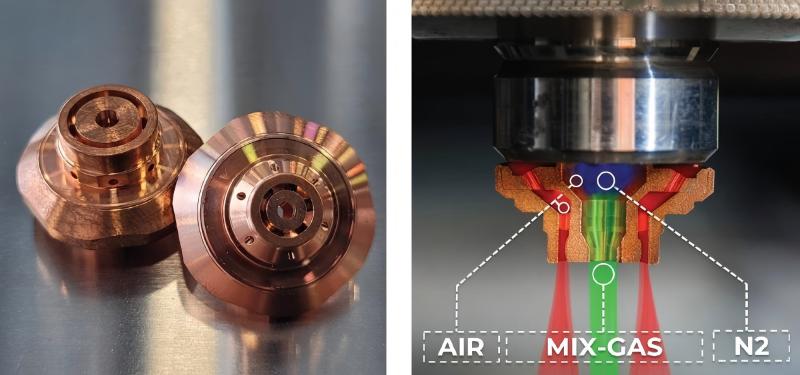
Check gas type, pressure, and nozzle condition. Correct gas flow ensures efficient material removal and consistent cutting.
Preventive Measures
Регулярное техническое обслуживание
Schedule regular inspections for laser sources, optics, cooling, and gas systems to prevent gradual performance degradation.
Обучение операторов
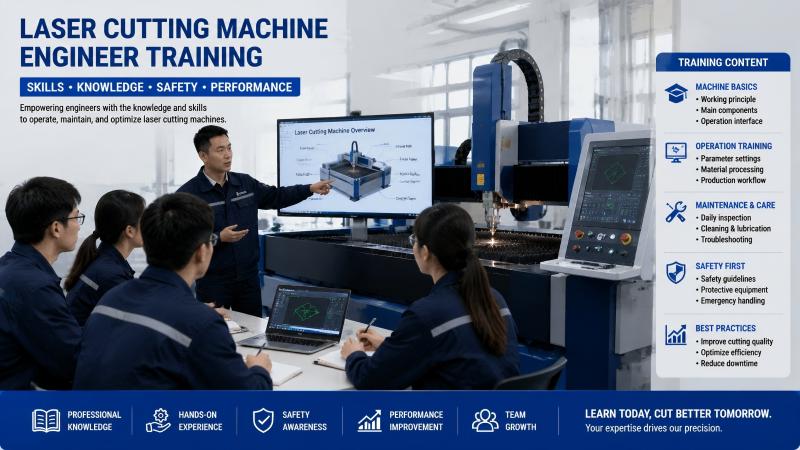
Train operators to recognize early signs of laser power loss and perform proper setup, cleaning, and parameter adjustments.
Material Considerations
Adjust settings for reflective or coated materials to compensate for laser energy loss, avoiding incomplete cuts.
Вопросы и ответы
Why is my laser experiencing laser power loss on thick metal?
Thick or reflective metals require higher energy density. Power loss can result from degraded laser output, optics contamination, or improper cutting parameters.
How often should I clean the laser optics?
Depending on usage and material types, clean lenses and mirrors at least weekly, and more often for high-volume or dusty environments.
Can cooling system issues cause laser power loss?
Yes, poor water flow, high temperature, or contaminated coolant can reduce laser efficiency and trigger automatic power reduction.
How do I know if the laser source itself is degraded?
Monitor cutting performance over time, check power readings, and compare with manufacturer specifications. Gradual decreases indicate laser source wear.
Заключение
Understanding the causes of Laser Power Loss is essential for maintaining cutting quality, efficiency, and machine longevity. Regular inspection of the laser source, optics, cooling, electrical supply, assist gas, and proper cutting parameters can prevent or resolve power loss issues. By implementing these troubleshooting strategies, operators can restore optimal performance, ensure precise cuts, and minimize production downtime. For further guidance or support, contact the HARSLE technical team to optimize your laser cutting operations and maintain peak machine efficiency.


