


Лазерная резка Assist Gas Consumption plays a critical role in laser cutting operations, as assist gas helps improve cutting quality, remove molten material, and protect the cutting zone. However, excessive usage can quickly increase operational costs. Laser Cutting Assist Gas Consumption is often higher than expected when machine settings, maintenance conditions, or process parameters are not properly optimized. In this article, I’ll explain the main causes behind high gas consumption and provide practical solutions to help reduce waste while maintaining stable cutting performance and high efficiency in real production environments.
Понимание Лазерная резка Assist Gas Consumption
Role of Assist Gas in Laser Cutting
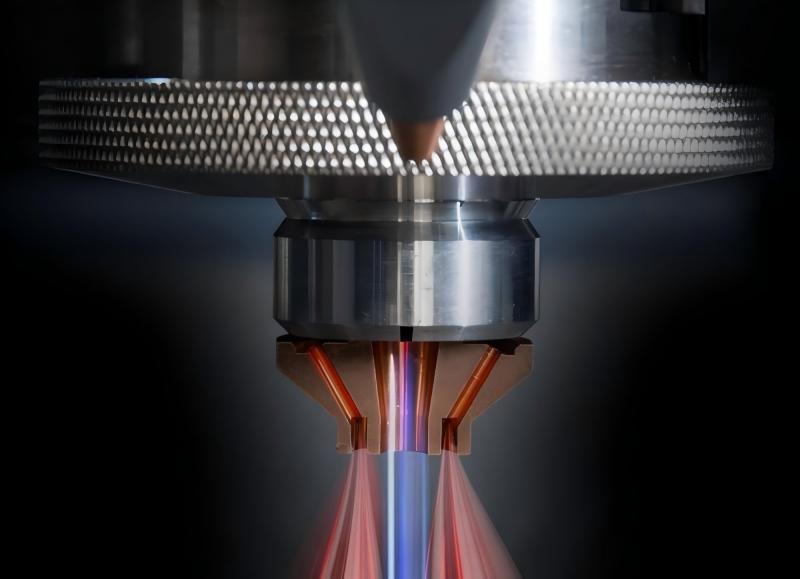
Assist gas (such as oxygen, nitrogen, or air) is used to blow away molten material, support combustion (in oxygen cutting), and improve edge quality. The type and pressure of gas directly affect both cutting quality and consumption rate.
Relationship Between Pressure and Consumption
Higher gas pressure improves cutting performance in thick materials, but it also significantly increases consumption. Many users unknowingly operate at excessive pressure, leading to unnecessary waste.
Gas Type Selection Impact
Different gases have different consumption behaviors. For example, nitrogen cutting requires much higher pressure compared to oxygen cutting, especially for stainless steel and aluminum applications.
Main Causes of High Laser Cutting Assist Gas Consumption
Incorrect Cutting Parameters
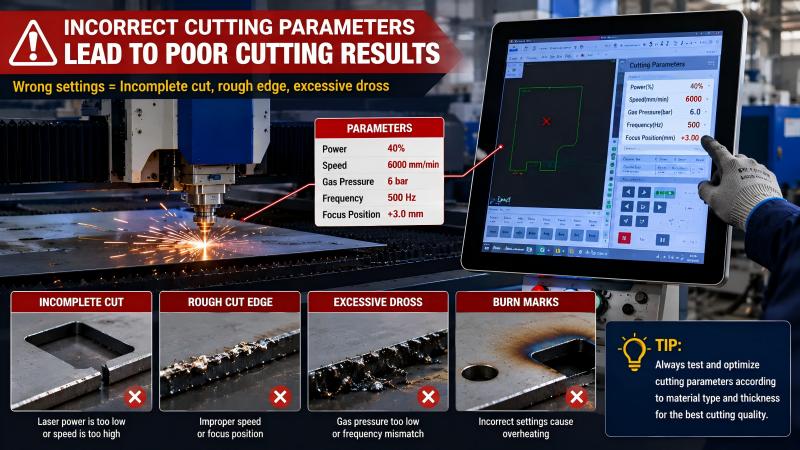
One of the most common reasons is incorrect parameter settings. Excessive nozzle distance, improper focus position, or overly high pressure settings can all increase gas usage.
Nozzle Wear or Improper Selection
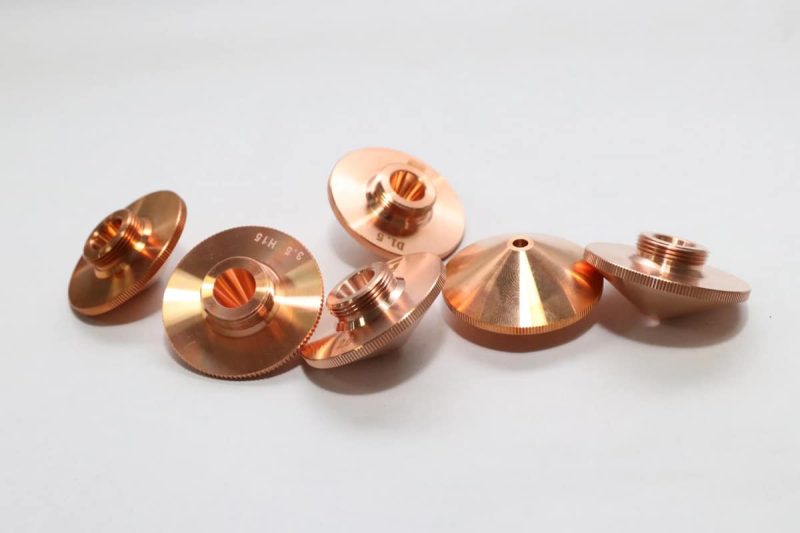
A worn or oversized nozzle can cause gas leakage and inefficient flow control, leading to increased consumption without improving cutting quality.
Poor Machine Maintenance
Leaks in gas pipelines, loose fittings, or damaged seals can result in continuous gas loss even when the machine is idle.
Inefficient Cutting Strategy
Using overly conservative cutting parameters or not optimizing cutting speed and power balance often leads to unnecessary gas usage.
How to Reduce Laser Cutting Assist Gas Consumption
Optimize Gas Pressure Settings
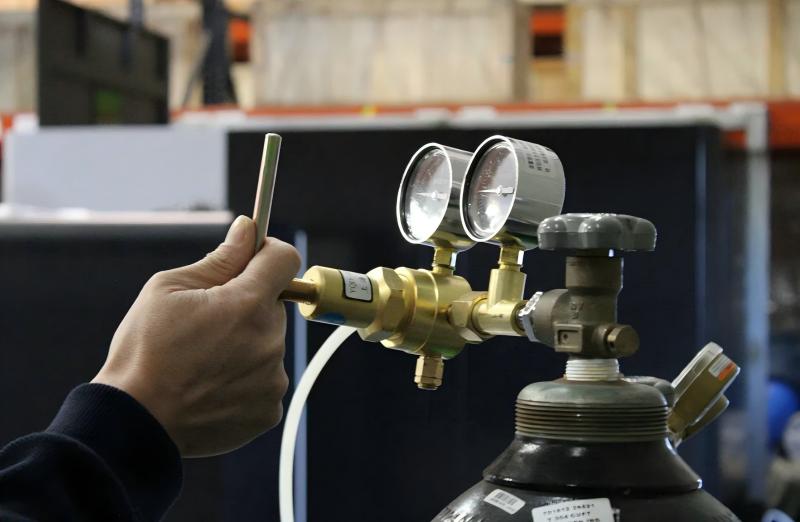
I always recommend setting gas pressure according to material type and thickness. Avoid using maximum pressure by default. Fine-tuning pressure can significantly reduce consumption.
Select the Correct Nozzle Size
Using the correct nozzle diameter ensures stable gas flow and reduces waste. Regular inspection and replacement of worn nozzles are essential.
Improve Cutting Parameter Matching
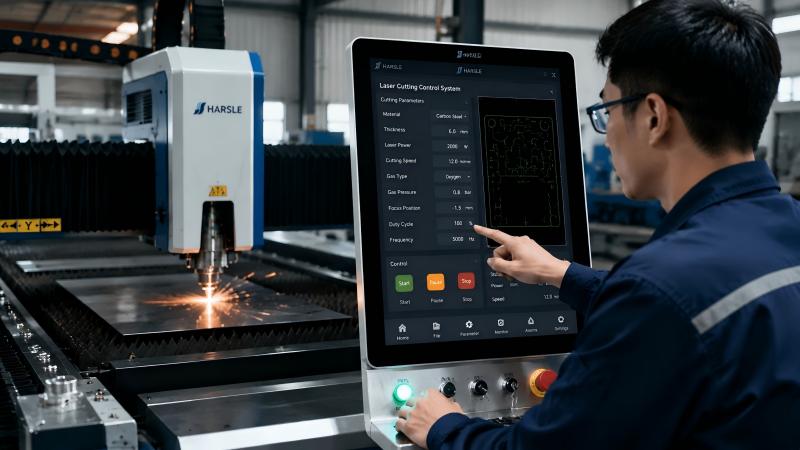
Proper coordination between laser power, cutting speed, and assist gas ensures efficient material removal while minimizing gas usage.
Regular Leak Inspection
Check all gas lines, connectors, and valves for leaks. Even small leaks can lead to significant gas loss over time.
Use High-Efficiency Cutting Technology
Modern laser systems with intelligent gas control or adaptive cutting modes can automatically optimize gas usage based on real-time cutting conditions.
Best Practices for Long-Term Gas Efficiency
Establish Standard Operating Parameters
Creating a parameter database for different materials helps operators avoid unnecessary overuse of assist gas.
Train Operators Properly
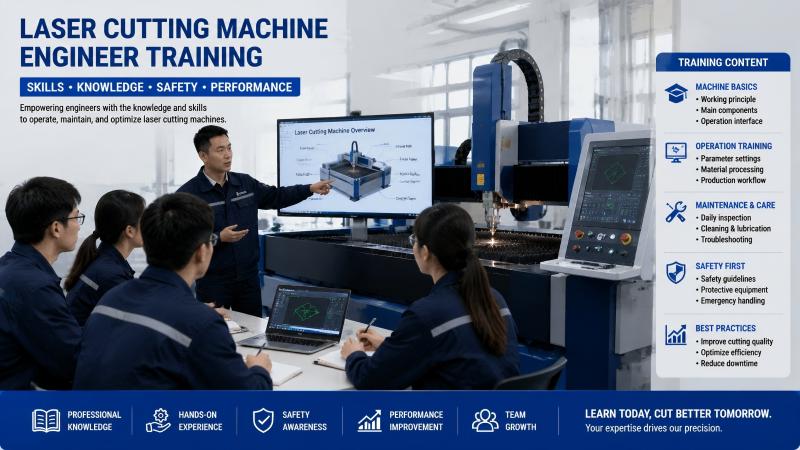
Well-trained operators understand how small adjustments in pressure and speed directly impact gas consumption.
График регулярного технического обслуживания
Routine maintenance ensures stable gas flow systems and prevents hidden leaks or inefficiencies.
Вопросы и ответы
What causes sudden increases in Laser Cutting Assist Gas Consumption?
Sudden increases are often caused by gas leaks, nozzle damage, or incorrect parameter changes in the cutting program.
Can reducing gas pressure affect cutting quality?
Yes, but only if reduced excessively. The key is finding the optimal balance between pressure and cutting performance based on material type.
Which gas is more cost-effective for laser cutting?
Air is the most economical option for thin materials, while oxygen and nitrogen are used for higher-quality or thicker material cutting.
Заключение
Controlling Laser Cutting Assist Gas Consumption is essential for reducing operating costs and improving overall efficiency. By optimizing pressure settings, maintaining equipment, selecting proper nozzles, and training operators, you can significantly reduce unnecessary gas usage without sacrificing cutting quality.
If you need further technical guidance or support for optimizing your laser cutting system, feel free to contact our team. We’re here to help you improve performance and reduce production costs.


