


Laserschneiden Nozzle Replacement is essential for maintaining high cutting quality in fiber laser machines. The condition of the nozzle directly affects gas flow stability, cutting precision, and overall performance. If you notice rough edges, unstable gas flow, or inconsistent results, it’s a clear sign that replacement is needed. In this guide, I’ll walk you through the exact steps to safely and efficiently replace your laser cutting nozzle. Whether you’re an operator or maintenance engineer, mastering this process will help you improve accuracy, reduce downtime, and extend the lifespan of your laser cutting equipment.
Warum Laserschneiden Nozzle Replacement Is Important
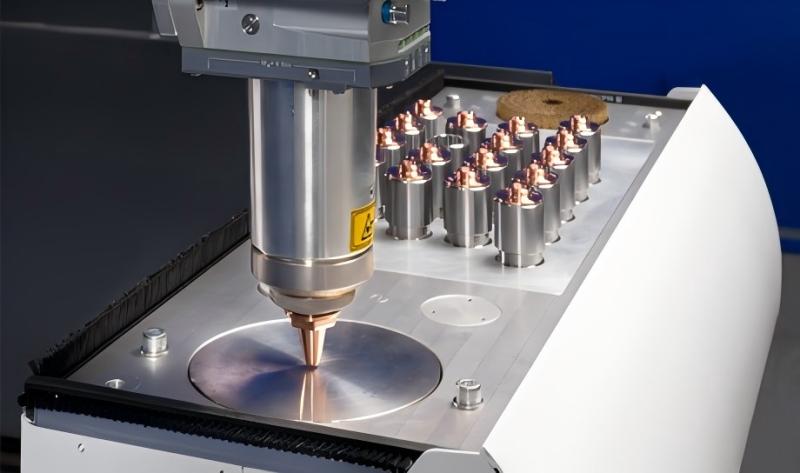
The nozzle plays a critical role in directing assist gas and protecting the laser head. Over time, it can wear out, become deformed, or get contaminated.
Common Signs You Need to Replace the Nozzle
- Irregular or rough cutting edges
- Reduced cutting speed or efficiency
- Frequent alarms from the laser head
- Visible damage or blockage on the nozzle tip
Replacing the nozzle at the right time ensures stable gas flow and optimal cutting results.
How to Perform Laser Cutting Nozzle Replacement Step by Step
Step 1: Power Off and Ensure Safety
Before starting, I always make sure the machine is powered off and the laser source is completely shut down. This prevents accidental exposure to laser radiation or moving parts.
Step 2: Prepare Tools and Clean the Area
Gather the necessary tools, such as a nozzle wrench, clean cloth, and protective gloves. Ensure the laser head area is clean to avoid contamination during installation.
Step 3: Remove the Old Nozzle
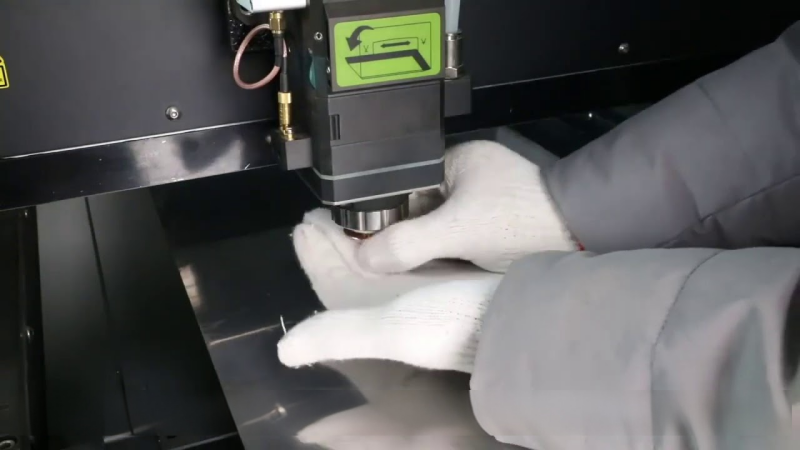
Carefully loosen the nozzle using the appropriate tool. Avoid applying excessive force, as this may damage the threading of the laser head.
Step 4: Inspect the Nozzle Seat and Threads
Before installing a new nozzle, I always check the nozzle seat for dirt, debris, or damage. Clean the threads gently to ensure a proper fit.
Step 5: Install the New Nozzle
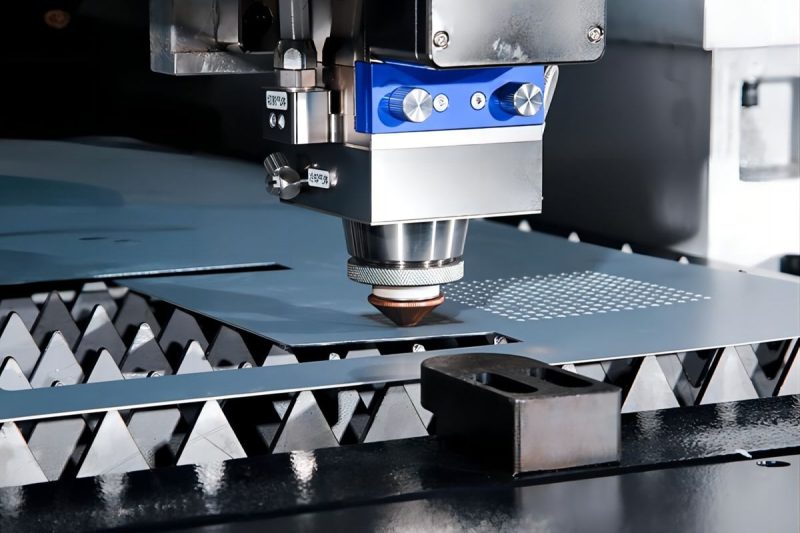
Screw the new nozzle into place by hand first, then tighten it lightly with a wrench. Do not overtighten, as this can deform the nozzle and affect alignment.
Step 6: Check Nozzle Alignment and Centering
Proper centering is critical. Use the machine’s calibration function or alignment tools to ensure the nozzle is perfectly aligned with the laser beam.
Step 7: Perform a Test Cut
After replacement, run a test cut on scrap material. Check the cut quality and adjust parameters if necessary.
Best Practices for Laser Cutting Nozzle Maintenance
Regular Cleaning
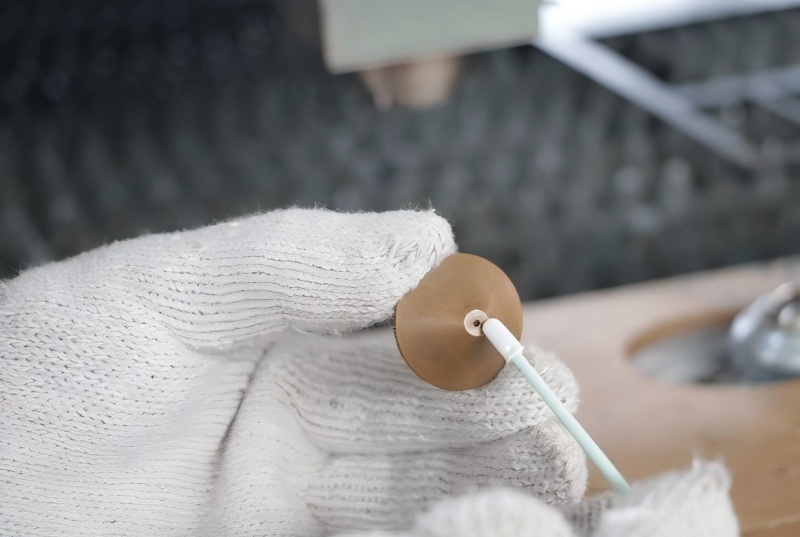
I recommend cleaning the nozzle daily to remove spatter and debris. This helps maintain consistent gas flow.
Use High-Quality Nozzles
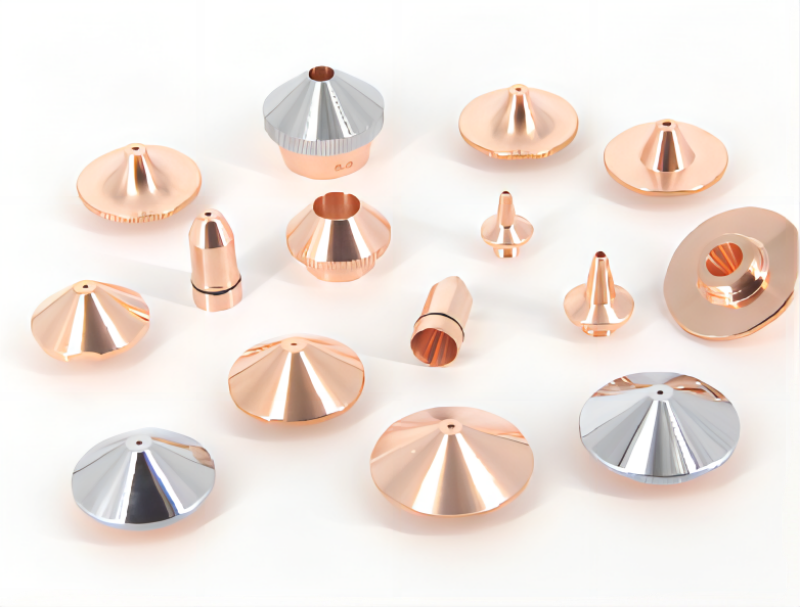
Always choose high-quality nozzles that match your machine specifications. Poor-quality components can lead to unstable cutting results.
Monitor Gas Pressure and Flow
Incorrect gas settings can accelerate nozzle wear. Ensure pressure and flow are within recommended ranges.
Replace Nozzles Periodically
Even without visible damage, nozzles should be replaced regularly based on usage to maintain optimal performance.
FAQs
How often should I perform Laser Cutting Nozzle Replacement?
It depends on usage, but generally every few weeks or when you notice a decline in cutting quality.
Can a damaged nozzle affect cutting accuracy?
Yes, a worn or misaligned nozzle can disrupt gas flow and lead to poor edge quality or incomplete cuts.
Do I need to recalibrate after replacing the nozzle?
Absolutely. Proper alignment and centering are essential to ensure accurate laser cutting performance.
Abschluss
Performing a proper Laser Cutting Nozzle Replacement is essential for maintaining cutting precision and machine efficiency. By following the correct steps—ensuring safety, cleaning components, installing carefully, and checking alignment—you can significantly improve your cutting results.
Regular maintenance and timely replacement will not only extend the life of your laser cutting system but also reduce production issues. If you need technical support or high-quality spare parts, feel free to contact our team—we’re always ready to help you achieve better performance and reliability.


