


When it comes to ensuring cutting precision and long-term performance, Macchina per il taglio laser Rails Maintenance is something I never overlook. If your laser machine starts showing positioning errors, vibration, or uneven cuts, the rails are often the root cause. In this guide, I’ll walk you through practical steps and proven methods to maintain your laser cutting machine rails properly. Whether you’re an operator or a maintenance engineer, these tips will help you extend machine life, improve accuracy, and reduce costly downtime.
Perché Macchina per il taglio laser Rails Maintenance Matters
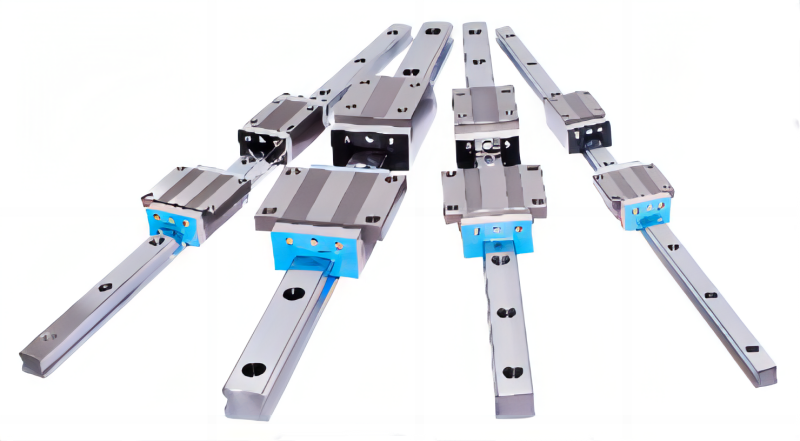
Impact on Cutting Accuracy
Rails guide the movement of the laser head. Any dust, wear, or misalignment directly affects positioning accuracy, leading to poor cutting quality.
Effect on Machine Lifespan
Poor rail maintenance increases friction and wear on linear guides and bearings, shortening the lifespan of key components.
Risk of Production Downtime
Neglecting maintenance can cause unexpected failures, resulting in costly interruptions in production.
Step-by-Step Laser Cutting Machine Rails Maintenance Guide
Step 1: Clean the Rails Thoroughly
Start by removing dust, metal particles, and debris from the rails. Use a clean, lint-free cloth and appropriate cleaning agents. Avoid using compressed air directly, as it may push contaminants deeper into the guide system.
Step 2: Inspect for Wear and Damage
Carefully examine the rails for scratches, corrosion, or uneven surfaces. Any visible damage can affect movement precision and should be addressed immediately.
Step 3: Apply Proper Lubrication
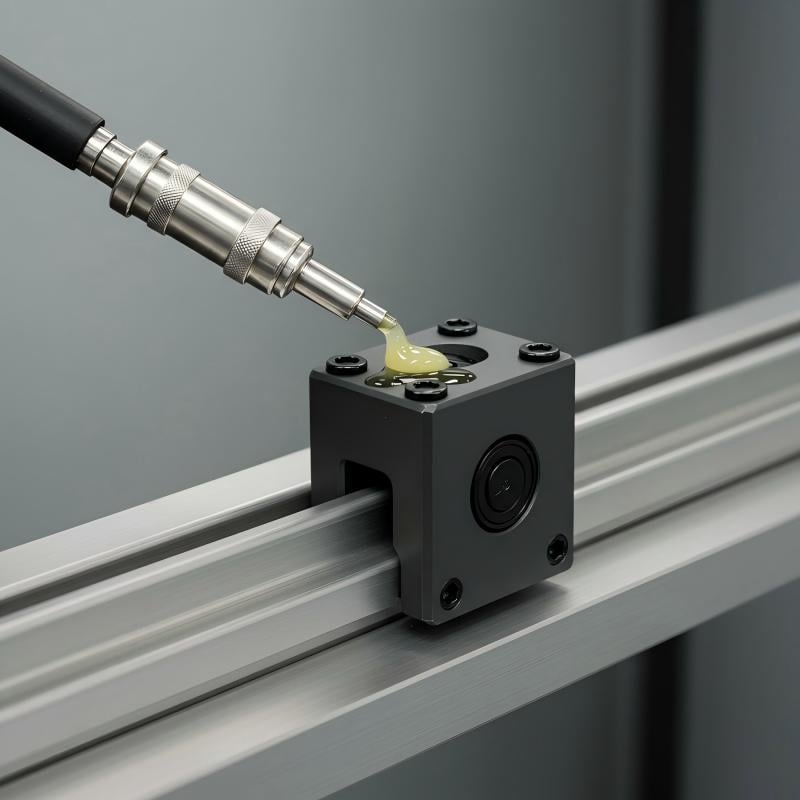
Lubrication is essential for smooth operation. Use manufacturer-recommended lubricants and apply them evenly along the rails. Over-lubrication should be avoided, as it can attract dust and debris.
Step 4: Check Rail Alignment
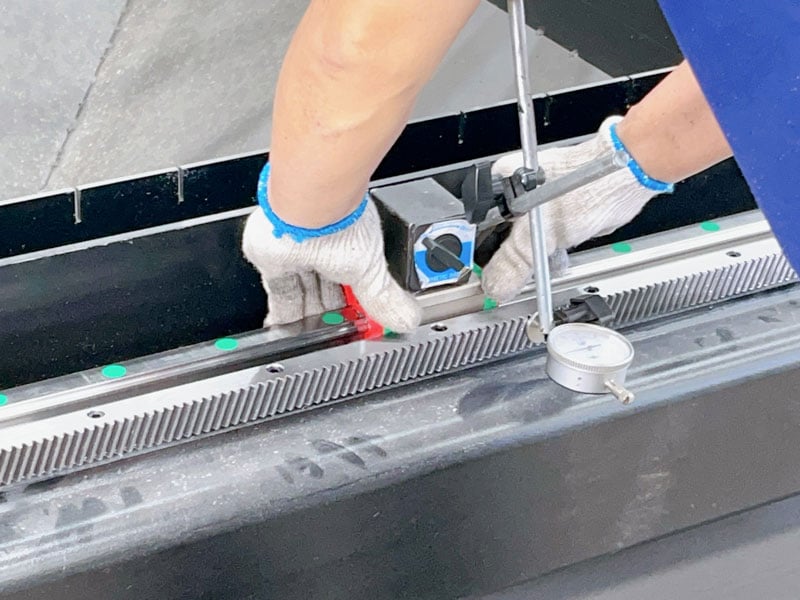
Misaligned rails can cause vibration and inaccurate cuts. Use precision tools to verify alignment and adjust according to machine specifications.
Step 5: Inspect Linear Bearings and Blocks
Check the condition of linear guide blocks and bearings. If you notice abnormal noise or resistance, replacement may be necessary.
Step 6: Establish a Maintenance Schedule
Regular maintenance is key. I recommend daily cleaning, weekly lubrication checks, and monthly detailed inspections to keep the system in optimal condition.
Common Laser Cutting Rail Problems and Solutions
Rail Contamination Issues
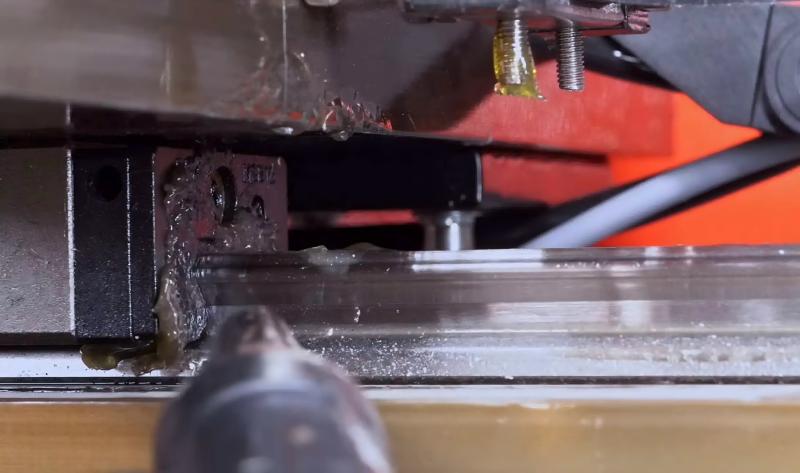
Dust and metal particles are the most common problems. Installing protective covers and maintaining a clean environment can significantly reduce contamination.
Insufficient Lubrication
Lack of lubrication leads to increased friction and wear. Always follow a consistent lubrication schedule.
Rail Misalignment
If the laser head moves unevenly or produces inconsistent cuts, check alignment immediately and recalibrate the system.
Best Practices for Long-Term Rail Maintenance
Maintain a Clean Working Environment
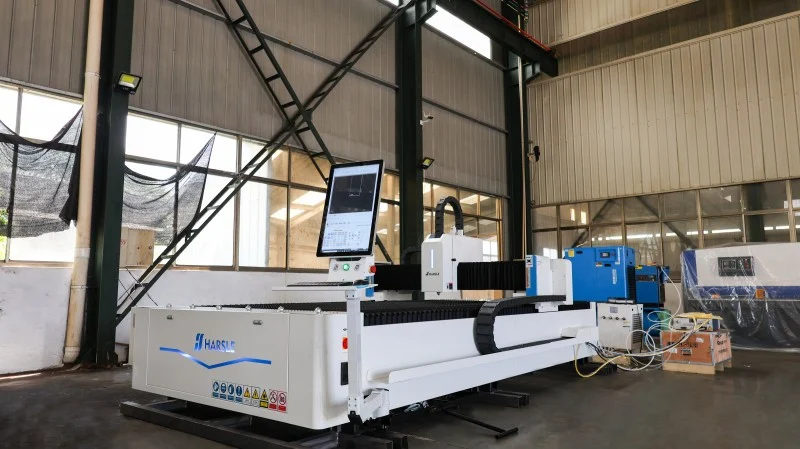
Keeping the workspace clean reduces the chance of contaminants entering the rail system.
Use High-Quality Lubricants
Always use lubricants recommended by the manufacturer to ensure compatibility and performance.
Monitorare le prestazioni della macchina
Pay attention to unusual sounds, vibrations, or accuracy issues. Early detection helps prevent major failures.
Domande frequenti
How often should I perform Laser Cutting Machine Rails Maintenance?
Daily cleaning and regular lubrication checks are recommended, with more detailed inspections performed monthly or based on usage.
What lubricant should I use for laser cutting machine rails?
Always use the lubricant specified by the machine manufacturer to ensure optimal performance and avoid damage.
How do I know if my rails need replacement?
Signs include excessive noise, vibration, visible wear, and decreased cutting accuracy.
Conclusione
Proper Laser Cutting Machine Rails Maintenance is essential for maintaining precision, extending equipment life, and ensuring smooth production. By following a structured maintenance routine—cleaning, lubricating, inspecting, and aligning—you can significantly reduce downtime and improve cutting performance.
If you want to maximize your machine efficiency or need professional support, feel free to contact our team. We’re here to help you keep your laser cutting operations running at peak performance.


