


Keeping a laser cutting chiller in optimal condition is critical for consistent cutting performance and machine longevity. Taglio laser Chiller Maintenance ensures that your chiller operates efficiently, preventing overheating, reducing downtime, and protecting sensitive laser components. In this article, I’ll guide you through practical steps, tips, and best practices for maintaining your laser cutting chiller. Whether you’re a technician, engineer, or facility manager, implementing these strategies will improve cooling efficiency, extend the chiller’s lifespan, and ensure uninterrupted laser cutting operations in your workshop or production facility.
Understanding the Importance of Chiller Maintenance
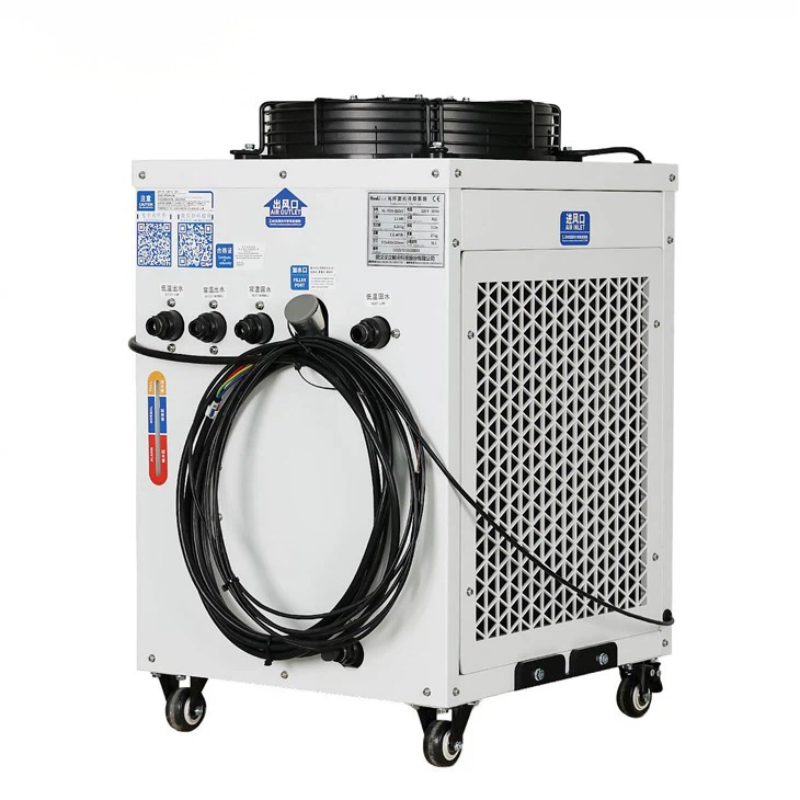
Role of the Chiller in Taglio laser
The chiller regulates the laser source temperature, preventing overheating that can affect beam quality, cutting speed, and precision. Proper maintenance helps avoid performance drops and costly repairs.
Common Issues Without Maintenance
Neglecting chiller maintenance can lead to:
- Overheating and laser source shutdowns
- Reduced flow rates due to clogs
- Contamination in coolant affecting thermal transfer
- Pump or compressor failures
Step-by-Step Laser Cutting Chiller Maintenance
Step 1: Check Coolant Levels Regularly
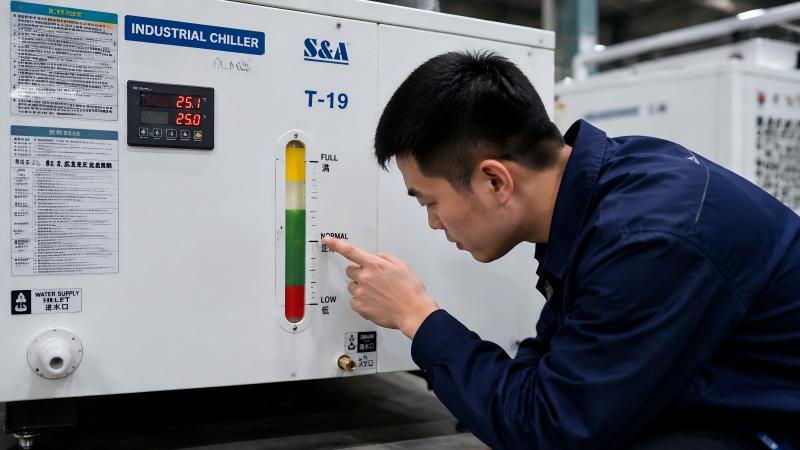
Ensure the coolant reservoir is filled to the recommended level. Low coolant can cause insufficient cooling and increase wear on the pump and laser source. Refill with the correct type of coolant recommended by the manufacturer.
Step 2: Inspect and Clean Filters
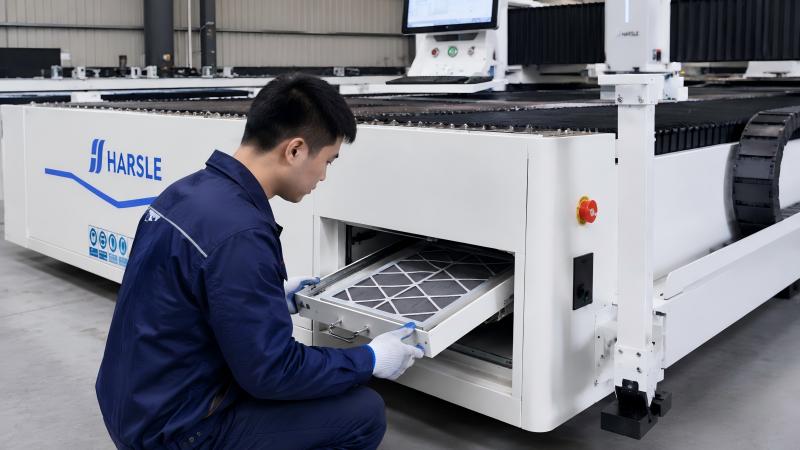
Filters prevent debris from entering the chiller system. Clean or replace them regularly to maintain optimal flow and avoid pressure drops.
Step 3: Monitor Coolant Quality
Over time, coolant can become contaminated or lose its thermal efficiency. Check for discoloration, particles, or an unusual smell. Replace or treat the coolant as necessary to maintain heat transfer performance.
Step 4: Inspect Pump and Piping
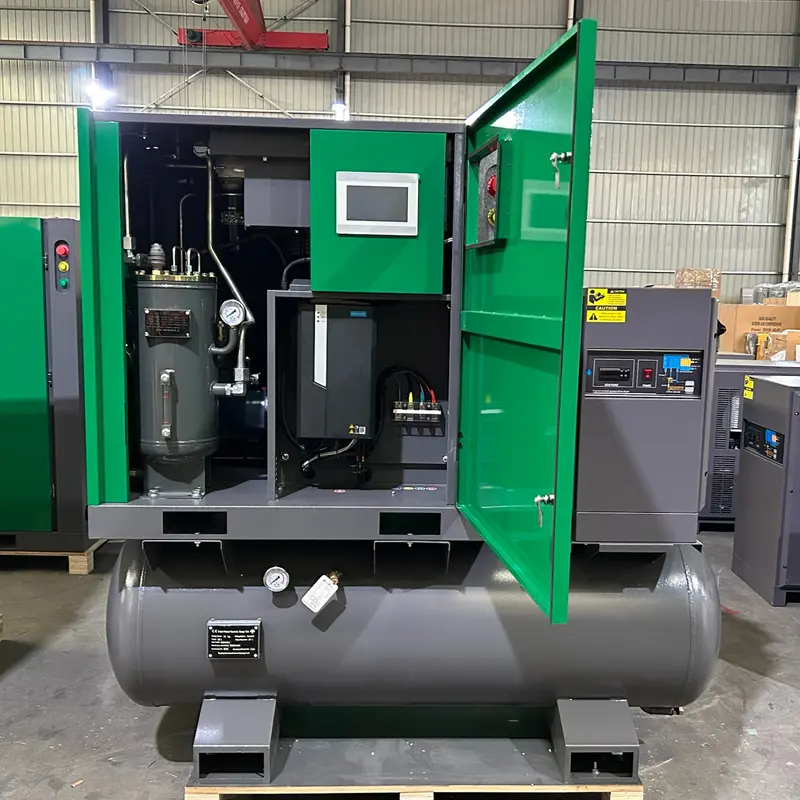
Check the pump for signs of wear, unusual noise, or leaks. Inspect all pipes and connections for cracks or corrosion to prevent leaks that could damage the laser system.
Step 5: Verify Temperature and Pressure Settings
Ensure that the chiller’s temperature and pressure settings match the laser manufacturer’s recommendations. Incorrect settings can lead to overheating or inefficient cooling.
Step 6: Perform Routine Electrical Checks
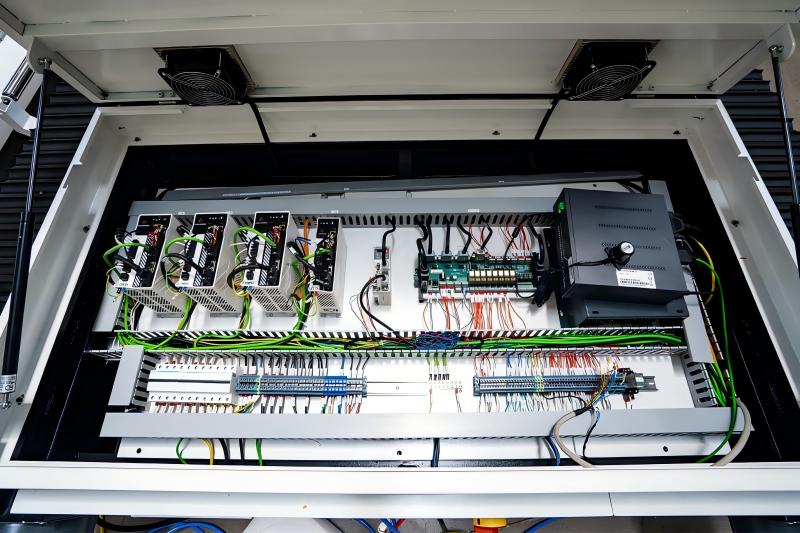
Inspect electrical components, wiring, and sensors. Ensure all connections are secure and free from damage to prevent malfunctions and safety risks.
Best Practices for Efficient Chiller Maintenance
Schedule Regular Preventive Maintenance
Establish a routine maintenance schedule, including weekly, monthly, and yearly tasks. This proactive approach prevents sudden failures and prolongs the chiller’s life.
Keep the Chiller Environment Clean
Place the chiller in a clean, dust-free area with adequate ventilation. Dust accumulation can reduce heat exchange efficiency and cause overheating.
Train Operators
Ensure that all operators understand proper operation and maintenance procedures. Correct handling prevents user errors that can lead to chiller malfunction or damage.
Domande frequenti
How often should I replace the chiller coolant?
Typically, coolant should be checked monthly and replaced every 6–12 months, depending on usage and contamination levels.
Can a poorly maintained chiller affect laser cutting quality?
Yes, insufficient cooling can reduce laser power stability, leading to poor cut quality, slower speeds, or beam misalignment.
Is it necessary to perform electrical inspections on the chiller?
Yes, checking wiring, sensors, and connections ensures reliable operation and prevents safety hazards.
Conclusione
Corretto Laser Cutting Chiller Maintenance is essential for consistent laser performance and machine longevity. By regularly checking coolant levels, cleaning filters, monitoring coolant quality, inspecting pumps and piping, verifying settings, and performing electrical inspections, you can prevent costly downtime and maintain optimal cutting efficiency. Establishing a routine maintenance schedule and training operators will further ensure reliable operation and a longer lifespan for your chiller. For more guidance or support, contact our technical team to keep your laser cutting systems running safely and efficie


