


When it comes to keeping a shearing machine in stable working condition, the hydraulic oil change in macchina per tagliare is one of the most critical maintenance tasks I always focus on. Many operators ask whether oil should be replaced based on fixed time intervals, machine running hours, or actual working conditions like load and temperature. In reality, all these factors matter, and ignoring any of them can reduce machine lifespan or cutting accuracy. In this article, I’ll guide you through a practical overview of how often hydraulic oil should be changed, what warning signs to watch for, and how to maintain stable, efficient, and long-term shearing machine performance in real production environments.
Why Hydraulic Oil Condition Matters in a Macchina per taglio
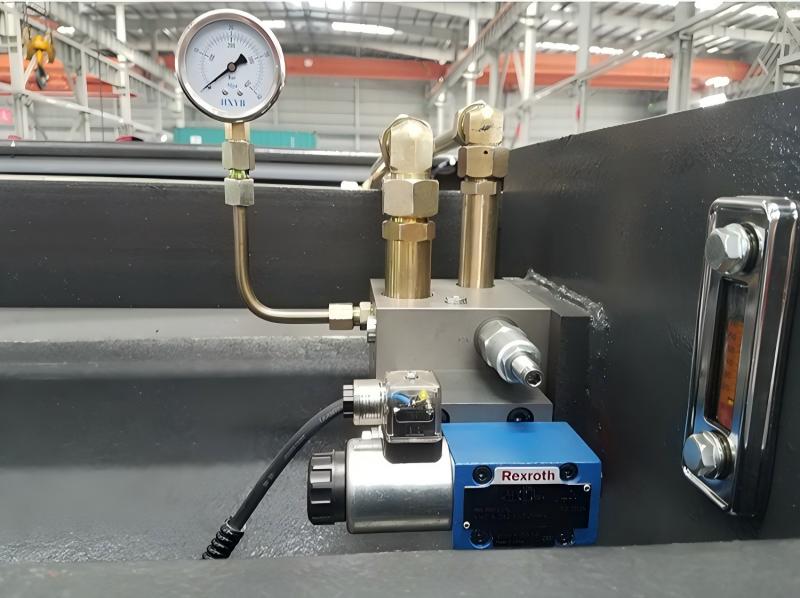
Hydraulic oil is the lifeblood of a shearing machine. It transfers power, lubricates internal components, and helps maintain stable pressure during cutting operations. When the oil becomes contaminated or degraded, the entire hydraulic system is affected.
Over time, poor oil condition can lead to slow blade movement, unstable cutting accuracy, overheating, and even pump damage. That’s why understanding the correct hydraulic oil change in shearing machine schedule is essential for production efficiency.
How Hydraulic Oil Degrades Over Time
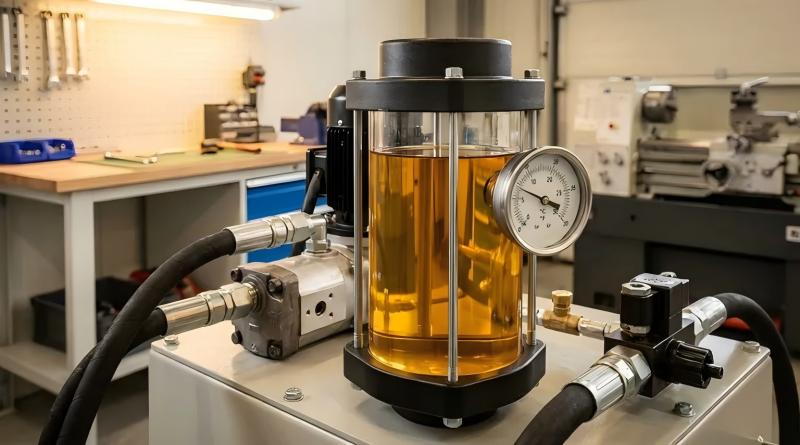
Hydraulic oil does not fail suddenly—it slowly deteriorates due to:
- Heat generated during continuous operation
- Metal particles from internal wear
- Moisture contamination from the environment
- Oxidation caused by long-term use
Once these factors build up, the oil loses viscosity and performance, making the shearing machine less stable.
How Often Should You Change Hydraulic Oil in a Shearing Machine?
There is no single fixed rule, but I usually recommend the following practical schedule based on industry experience:
Standard Operating Conditions
For most workshop environments:
- Change hydraulic oil every 2,000 to 4,000 working hours
- Or approximately once every 12 months
This is the most common hydraulic oil change in shearing machine interval for stable production environments.
Heavy-Duty or High-Temperature Operation
If your machine runs continuously or under high load:
- Change oil every 1,500 to 2,000 hours
- Or every 6–9 months
Heat accelerates oil degradation, so more frequent changes are necessary.
Clean and Low-Usage Environments
If the machine is used occasionally:
- Change oil every 12–18 months
- Even if usage is low, oil still oxidizes over time
Key Signs You Need a Hydraulic Oil Change
Even if you follow a schedule, I always suggest checking oil condition regularly. Here are warning signs that indicate it’s time for a hydraulic oil change in shearing machine:
Slow or Unstable Blade Movement
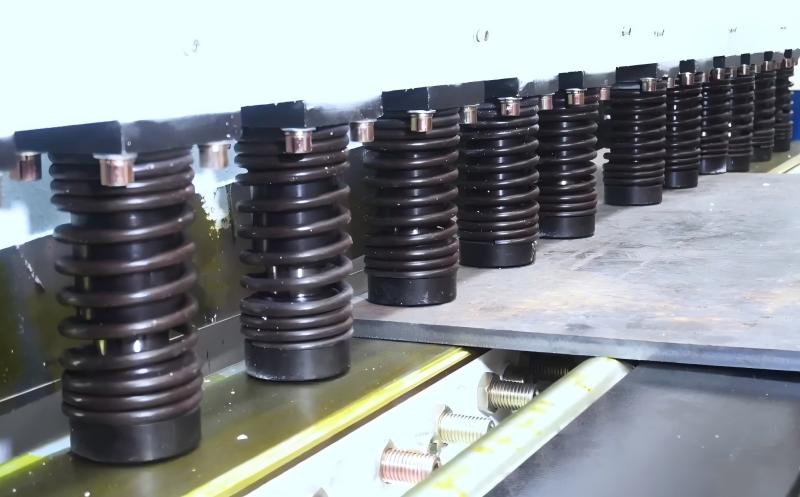
If the shear blade becomes sluggish or inconsistent, it often means oil viscosity has dropped.
Increased Machine Noise
Unusual pump noise or vibration may indicate poor lubrication inside the hydraulic system.
Overheating Issues
Dirty or degraded oil cannot properly dissipate heat, leading to rising system temperature.
Dark or Cloudy Oil Appearance
Healthy hydraulic oil is usually clear or slightly amber. Dark or milky oil means contamination.
Step-by-Step Guide to Hydraulic Oil Change in Shearing Machine
Before starting, I always make sure the machine is turned off and completely cooled down. Safety is the first step in any maintenance task.
Step 1: Drain the Old Hydraulic Oil
Open the drain valve and allow all old oil to fully discharge. It’s important to remove sludge and residue, not just liquid oil.
Step 2: Clean the Oil Tank
After draining, clean the oil tank thoroughly. Any leftover particles can contaminate new oil and reduce system lifespan.
Step 3: Replace Oil Filters
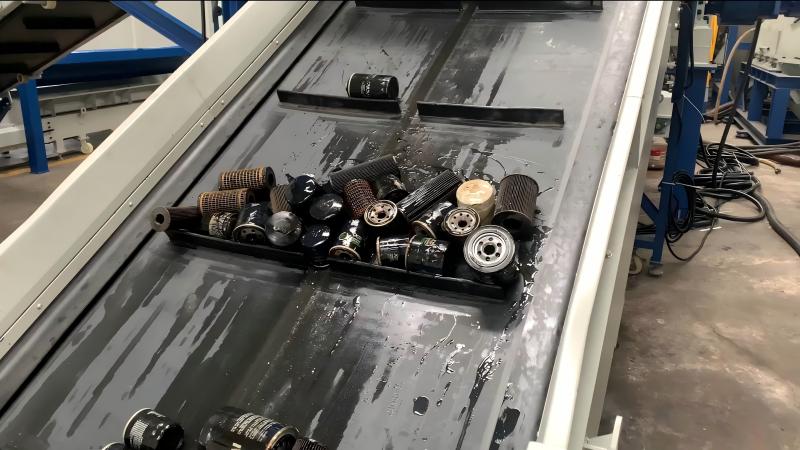
Filters play a key role in maintaining hydraulic cleanliness. I always recommend replacing filters during every hydraulic oil change in shearing machine cycle.
Step 4: Fill with Recommended Hydraulic Oil
Use the manufacturer-recommended hydraulic oil grade. Fill slowly to avoid air bubbles in the system.
Step 5: Run and Check System Pressure
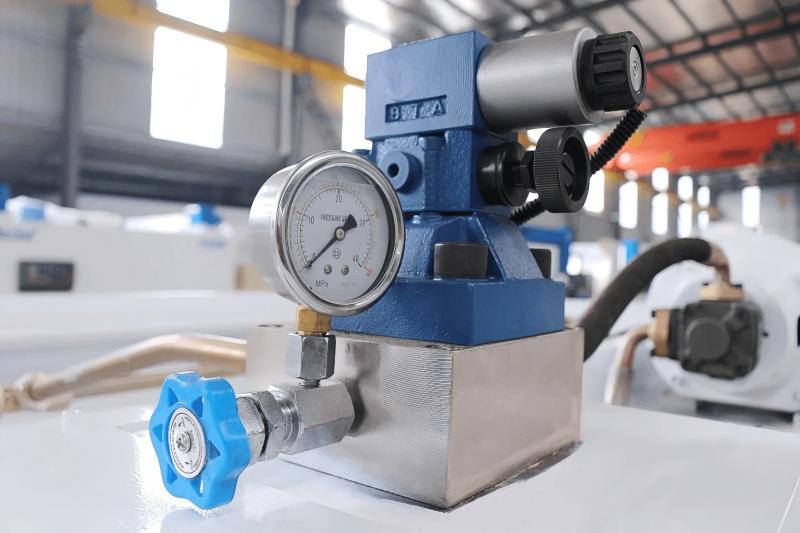
After refilling, run the machine at low pressure first. Check for leaks, noise, and smooth operation before returning to full production.
Best Practices to Extend Hydraulic Oil Life
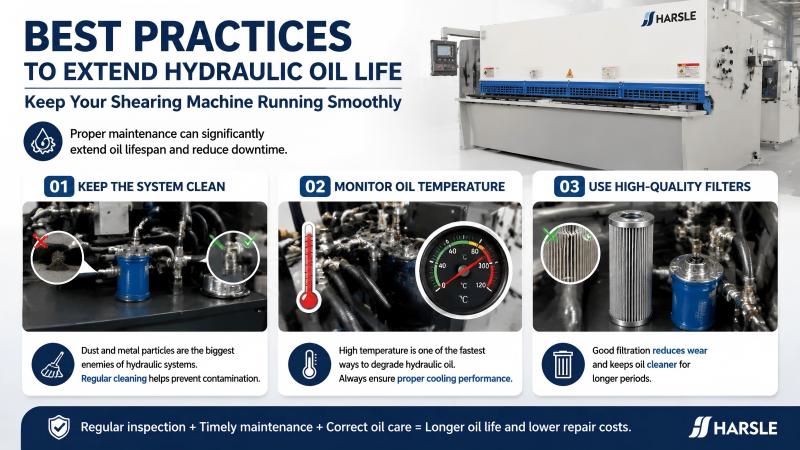
Proper maintenance can significantly extend oil lifespan and reduce downtime.
Keep the System Clean
Dust and metal particles are the biggest enemies of hydraulic systems. Regular cleaning helps prevent contamination.
Monitor Oil Temperature
High temperature is one of the fastest ways to degrade hydraulic oil. Always ensure proper cooling performance.
Use High-Quality Filters
Good filtration reduces wear and keeps oil cleaner for longer periods.
Domande frequenti
What happens if I don’t change hydraulic oil on time?
Delayed oil change can lead to pump damage, unstable cutting accuracy, overheating, and costly machine failure.
Can I mix old and new hydraulic oil?
I don’t recommend it. Mixing oils can reduce performance and cause chemical instability in the hydraulic system.
What type of oil is best for a shearing machine?
Most shearing machines use anti-wear hydraulic oil such as ISO VG 46 or VG 68, depending on working temperature.
Conclusione
Corretto hydraulic oil change in shearing machine maintenance is essential for keeping your equipment efficient, accurate, and durable. By following a regular oil change schedule and monitoring system conditions, you can significantly reduce breakdowns and improve productivity.
From my experience, most machine failures can be avoided simply by paying attention to hydraulic oil condition. If you need more technical support or detailed maintenance guidance, feel free to reach out to our team—we’re always here to help keep your production running smoothly.


