


When operating industrial cutting equipment, one common quality issue I often encounter is Macchina per taglio Uneven Cutting Lines, which can directly affect product accuracy, material utilization, and production efficiency. Uneven cutting lines usually occur because of problems related to blade condition, machine alignment, material positioning, or incorrect operating parameters. If you are experiencing inconsistent cutting results and want to understand the causes and solutions, you’re in the right place. In this article, I’ll explain the main reasons behind uneven cutting lines and provide practical methods to improve shearing accuracy and maintain stable machine performance.
Comprensione Macchina per taglio Uneven Cutting Lines
What Are Uneven Cutting Lines in a Shearing Machine?
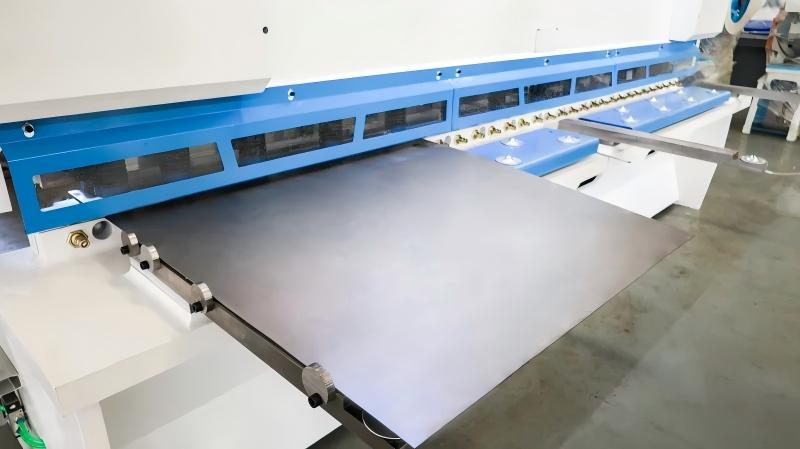
Uneven cutting lines refer to irregular, angled, or inconsistent edges produced during the shearing process. Instead of achieving a straight and clean cut, the material may show deviation, rough edges, or different cutting widths along the sheet length.
For manufacturers requiring high precision sheet metal processing, Shearing Machine Uneven Cutting Lines can lead to additional grinding, increased material waste, and reduced production efficiency.
Why Cutting Accuracy Matters in Shearing Operations
A shearing machine relies on precise coordination between the upper blade, lower blade, backgauge system, hydraulic system, and material positioning. Any small deviation in these components can affect the final cutting result.
Maintaining cutting accuracy helps ensure consistent product dimensions, improves downstream processing quality, and reduces unnecessary adjustments during production.
Common Causes of Shearing Machine Uneven Cutting Lines
Blade Wear and Incorrect Blade Clearance
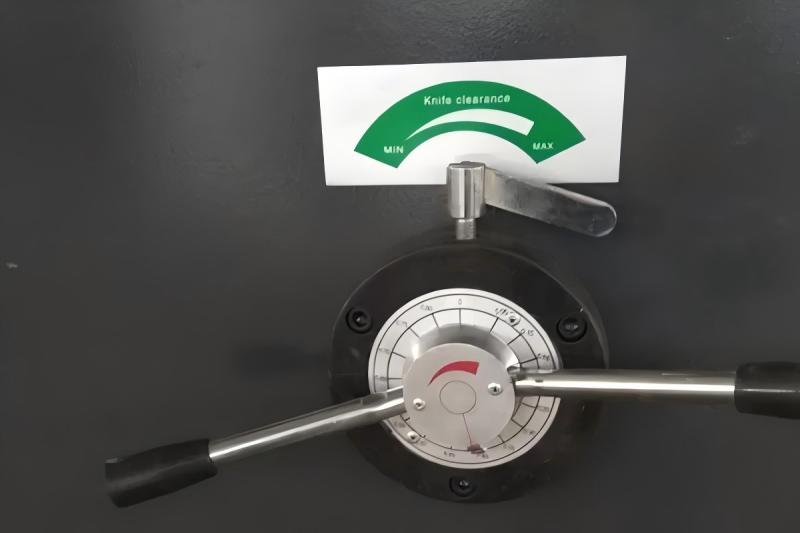
How Blade Condition Affects Cutting Accuracy
The blade is one of the most important components affecting shearing quality. When blades become worn, chipped, or damaged, the cutting force becomes uneven across the material width.
A dull blade may require more pressure to cut the sheet, causing deformation, rough edges, or uneven cutting lines.
Incorrect Blade Gap Adjustment
The clearance between the upper and lower blades must match the material thickness and type. If the blade gap is too large, the sheet may experience excessive tearing and deformation. If the gap is too small, it can increase blade wear and create unnecessary stress.
I recommend checking blade clearance regularly and adjusting it according to the material specifications.
Improper Material Positioning
Incorrect Backgauge Adjustment
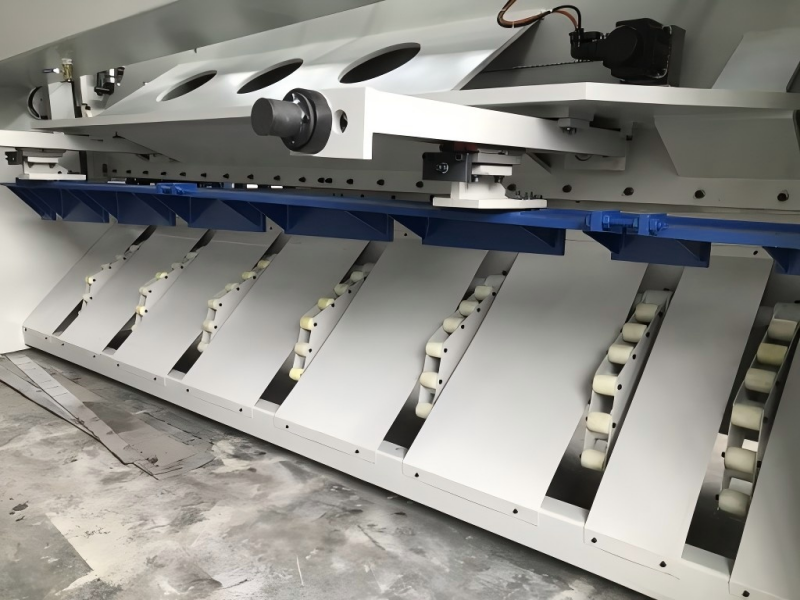
The backgauge system controls sheet positioning before cutting. If the backgauge is not accurately calibrated, the sheet may move slightly during operation, resulting in inconsistent cutting lines.
Regular calibration of the CNC backgauge helps maintain accurate positioning and improves repeatability.
Material Movement During Cutting
Thin sheets or improperly supported materials may shift during the cutting process. This movement creates angular deviations and uneven edges.
Using proper material support systems and ensuring stable positioning before cutting can significantly improve results.
Machine Alignment Problems
Frame Deformation and Mechanical Wear
A shearing machine operates under high cutting forces. Over time, mechanical stress may cause slight deformation of the machine frame or supporting components.
Misalignment between the upper and lower blades can create uneven cutting pressure and reduce cutting consistency.
Incorrect Blade Installation
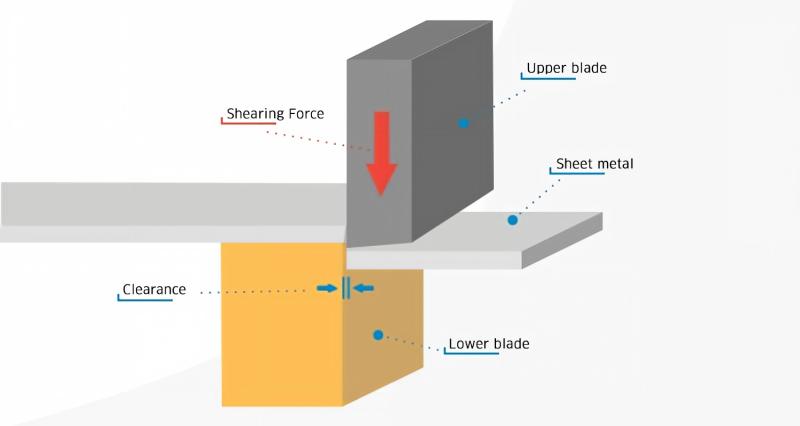
Improper blade installation can cause uneven contact between cutting edges. The blades should be installed according to manufacturer specifications, with correct alignment and secure fastening.
Hydraulic and Electrical System Issues
Unstable Hydraulic Pressure
Hydraulic shearing machines depend on stable pressure to provide consistent cutting force. Fluctuations in hydraulic pressure may cause irregular blade movement and uneven cutting performance.
Regular inspection of hydraulic oil quality, pressure levels, and valve performance helps maintain stable operation.
Sensor and Control System Errors
Modern CNC shearing machines use sensors and control systems to manage positioning and movement. Faulty sensors or incorrect parameters can affect blade synchronization and cutting accuracy.
Checking electrical connections and recalibrating control parameters can help resolve these issues.
How to Fix Shearing Machine Uneven Cutting Lines
Step 1: Inspect Blade Condition
Begin by checking the blade surface for wear, damage, or deformation. Replace or sharpen blades when necessary to restore cutting performance.
Step 2: Adjust Blade Clearance Correctly
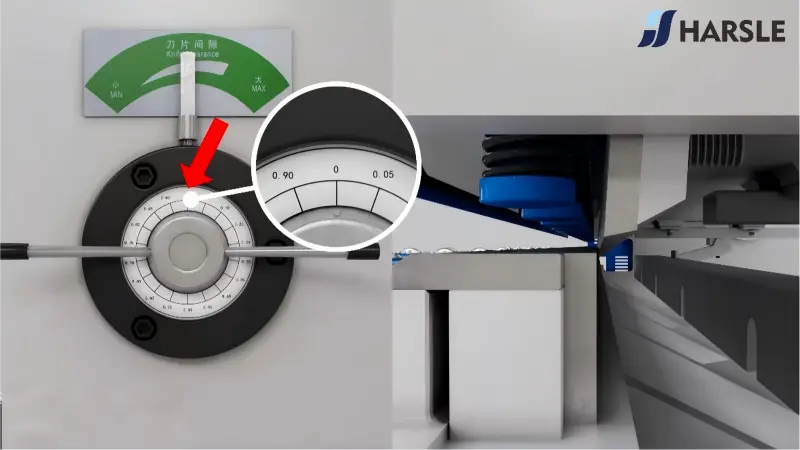
Set the blade gap according to the sheet thickness and material type. Proper clearance improves cutting quality and reduces stress on machine components.
Fase 3: Calibrare il sistema di battuta posteriore
Verify backgauge positioning accuracy using measurement tools. Recalibration ensures that each sheet is positioned correctly before cutting.
Step 4: Check Machine Alignment
Inspect blade alignment, guide components, and mechanical connections. Correct any loose or misaligned parts before continuing production.
Step 5: Maintain Hydraulic and Electrical Systems
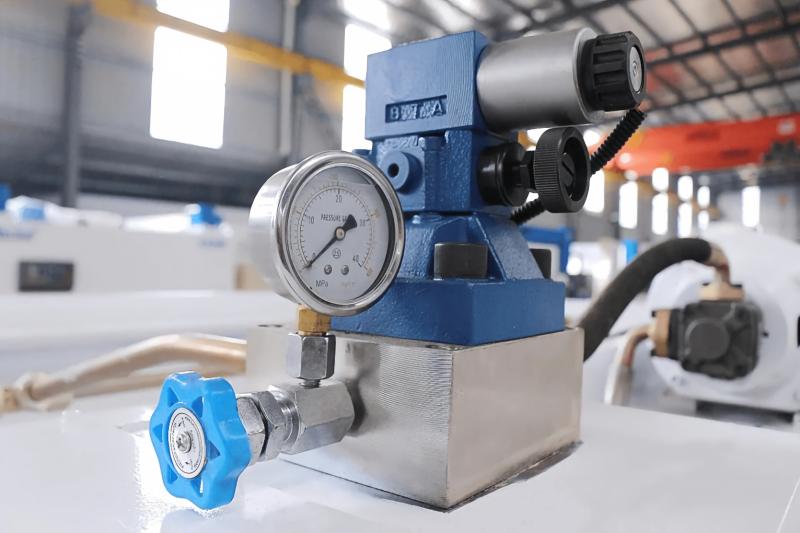
Regularly inspect hydraulic pressure, oil condition, sensors, and control systems. Stable machine operation is essential for maintaining consistent cutting lines.
Best Practices to Prevent Uneven Cutting Lines
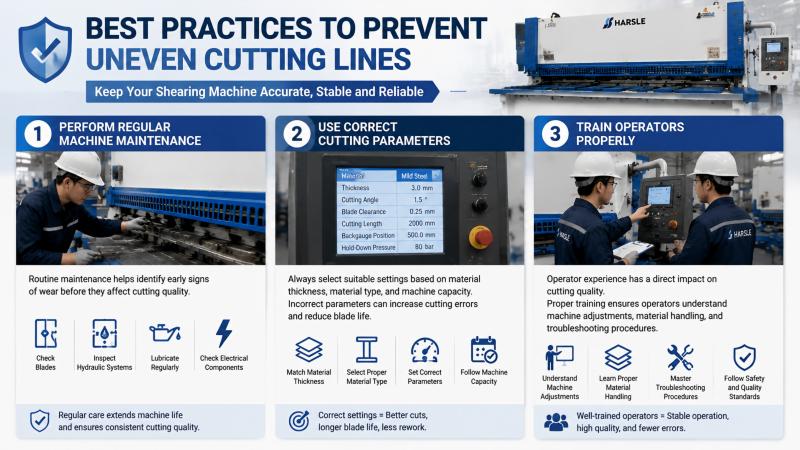
Perform Regular Machine Maintenance
Routine maintenance helps identify early signs of wear before they affect cutting quality. Check blades, hydraulic systems, lubrication points, and electrical components regularly.
Use Correct Cutting Parameters
Always select suitable settings based on material thickness, material type, and machine capacity. Incorrect parameters can increase cutting errors and reduce blade life.
Train Operators Properly
Operator experience has a direct impact on cutting quality. Proper training ensures that operators understand machine adjustments, material handling, and troubleshooting procedures.
Domande frequenti
Why does my shearing machine produce uneven cutting lines?
Common causes include worn blades, incorrect blade clearance, inaccurate backgauge positioning, machine misalignment, and unstable hydraulic pressure.
How can I improve shearing machine cutting accuracy?
Regular blade maintenance, proper calibration, correct blade clearance adjustment, and stable machine operation can significantly improve accuracy.
How often should shearing machine blades be checked?
Blade inspection frequency depends on material type, thickness, and production volume. High-volume operations require more frequent inspections.
Can hydraulic problems cause uneven cutting lines?
Yes. Unstable hydraulic pressure can affect blade movement and cutting force, resulting in inconsistent cutting quality.
Conclusione
Shearing Machine Uneven Cutting Lines are usually caused by a combination of mechanical wear, incorrect adjustments, material positioning issues, and insufficient maintenance. By regularly checking blade condition, calibrating the backgauge, maintaining hydraulic stability, and following proper operating procedures, manufacturers can achieve cleaner and more consistent cutting results.
A well-maintained shearing machine not only improves product quality but also reduces downtime and operating costs. For more technical guidance or professional support on improving shearing performance, feel free to contact our team.


