


macchina per tagliare hydraulic system maintenance is essential when it comes to ensuring stable and precise cutting performance in a shearing machine. If you are looking for practical ways to properly maintain your hydraulic system, this guide will walk you through the essential steps I personally recommend based on real workshop experience. In this article, I’ll explain how to maintain hydraulic components, prevent common failures, and keep your machine running efficiently with minimal downtime.
Understanding the Hydraulic System in a Macchina per taglio
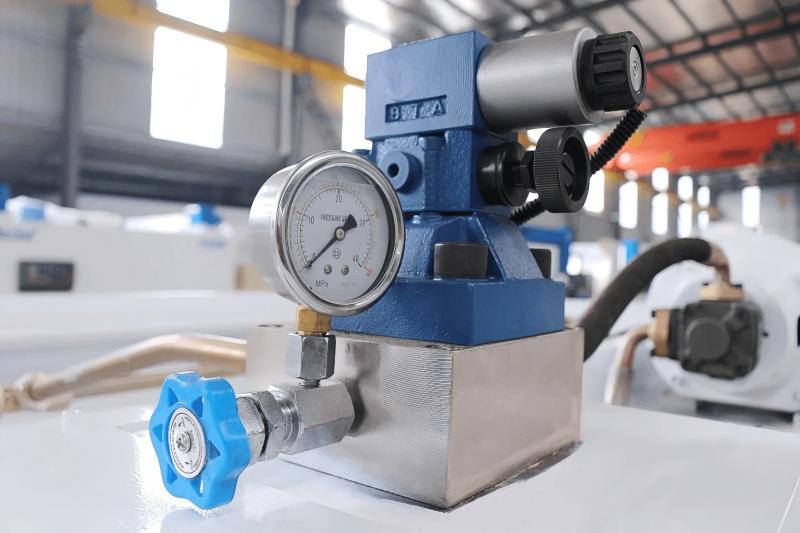
Before starting any maintenance work, it’s important to understand how the hydraulic system supports the machine’s operation.
The hydraulic system is responsible for generating the force needed for cutting operations. It consists of key components such as the hydraulic pump, valves, cylinders, hoses, oil tank, and filters. Any issue in these parts can directly affect cutting accuracy and machine stability.
Why shearing machine hydraulic system maintenance matters
Regolare shearing machine hydraulic system maintenance helps prevent pressure loss, oil leakage, overheating, and slow blade movement. In my experience, most major breakdowns start from small issues that were ignored during routine checks.
Step-by-Step Shearing Machine Hydraulic System Maintenance
Fase 1: controllare il livello e la qualità dell'olio idraulico
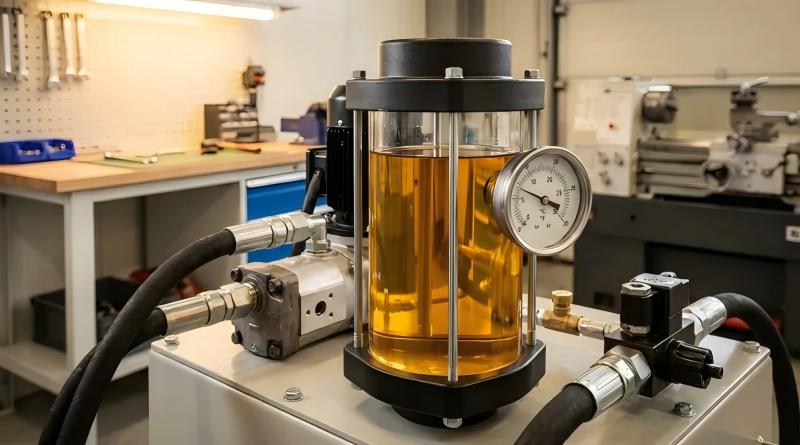
Always begin by checking the hydraulic oil tank level. Low oil levels can cause air intake, leading to unstable pressure and noise.
Also inspect oil quality. If the oil appears cloudy, dark, or contains particles, it should be replaced immediately. Clean hydraulic oil ensures smooth system performance and extends component life.
Step 2: Inspect Hydraulic Hoses and Connections
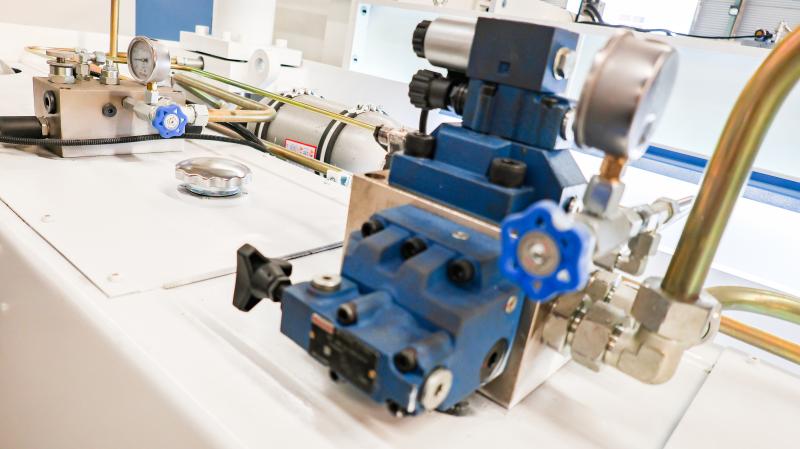
Carefully check all hoses, joints, and fittings for leaks or cracks. Even a small oil leak can lead to pressure drops in the system.
Durante shearing machine hydraulic system maintenance, I always recommend tightening loose connections and replacing aged hoses before they fail during operation.
Step 3: Clean or Replace Hydraulic Filters
Filters play a key role in preventing contamination from entering the hydraulic system. Dirty filters reduce oil flow and increase system load.
Remove the filter element and clean it if reusable. If it is clogged or damaged, replace it with a new one to ensure smooth oil circulation.
Step 4: Monitor Hydraulic Pump Performance
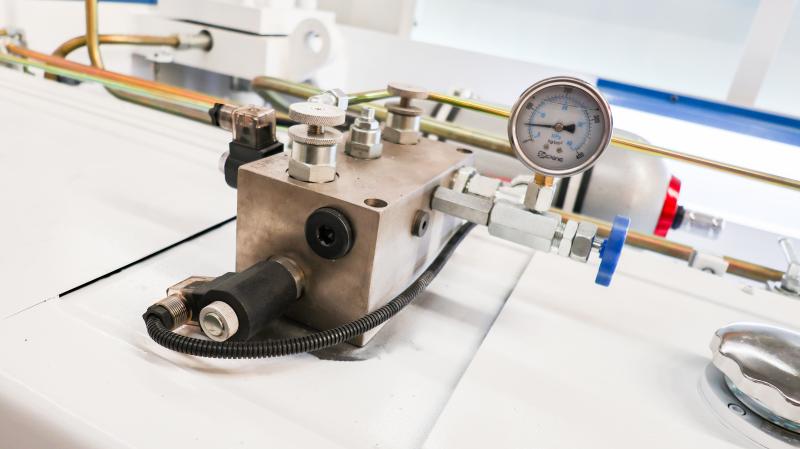
Listen to the pump during operation. Unusual noise, vibration, or overheating may indicate internal wear or cavitation.
If performance drops, check suction lines for blockage and ensure oil viscosity matches machine requirements.
Step 5: Inspect Hydraulic Cylinders and Seals
Check cylinders for oil leakage or uneven movement. Worn seals can cause pressure loss and reduce cutting precision.
Replacing damaged seals early is a key part of effective shearing machine hydraulic system maintenance, especially in high-production environments.
Step 6: Check System Pressure and Valve Operation
Use a pressure gauge to verify that the system is operating within the recommended range. Incorrect pressure settings can affect blade movement and cutting accuracy.
Also inspect directional and relief valves for smooth operation and proper response.
Common Problems and Preventive Maintenance Tips
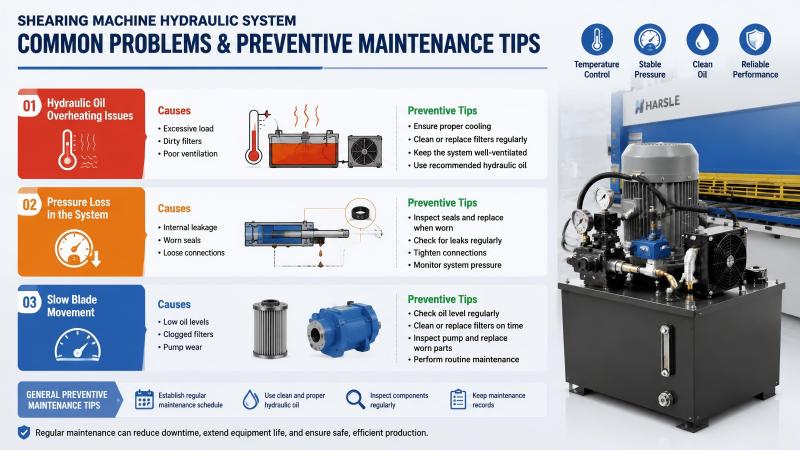
Hydraulic Oil Overheating Issues
Overheating is often caused by excessive load, dirty filters, or poor ventilation. To prevent this, ensure proper cooling and clean the system regularly.
Pressure Loss in the System
Pressure loss usually comes from internal leakage or worn seals. Regular inspection helps identify these issues early before they affect production.
Slow Blade Movement
This is often related to low oil levels, clogged filters, or pump wear. Routine shearing machine hydraulic system maintenance helps avoid this problem.
Domande frequenti
How often should I perform shearing machine hydraulic system maintenance?
I recommend basic inspection every week and full maintenance every 500–1000 operating hours, depending on workload and environment conditions.
What type of hydraulic oil should I use in a shearing machine?
Always use the oil grade specified by the manufacturer. In most industrial cases, anti-wear hydraulic oil (ISO VG 46 or VG 68) is commonly used.
What are the signs of hydraulic system failure?
Common signs include slow blade movement, abnormal noise, oil leakage, and unstable pressure readings.
Can I run the machine with slightly low hydraulic oil?
It is not recommended. Low oil levels can introduce air into the system and cause serious damage over time.
Conclusione
Corretto shearing machine hydraulic system maintenance is essential for keeping your machine stable, efficient, and long-lasting. By regularly checking oil condition, cleaning filters, inspecting hoses, and monitoring system pressure, you can significantly reduce unexpected downtime and improve production reliability.
In my experience, consistent small maintenance routines are far more effective than repairing major breakdowns later.
If you need more technical guidance or support for your shearing machine, feel free to contact our team. We are always ready to help you keep your equipment in top working condition.


