


Macchina per taglio Pressione idraulica plays a critical role in maintaining accurate cutting performance and preventing unexpected failures during hydraulic shearing machine operation. Stable hydraulic pressure directly affects blade movement, cutting force, and overall machine reliability. If you are experiencing inconsistent cutting results, abnormal noise, or pressure-related alarms, checking hydraulic pressure stability is an important step. In this article, I’ll explain how to inspect hydraulic pressure conditions, identify common problems, and apply practical maintenance methods to keep your shearing machine operating smoothly.
Comprensione Macchina per taglio Hydraulic Pressure Stability
Why Hydraulic Pressure Stability Matters
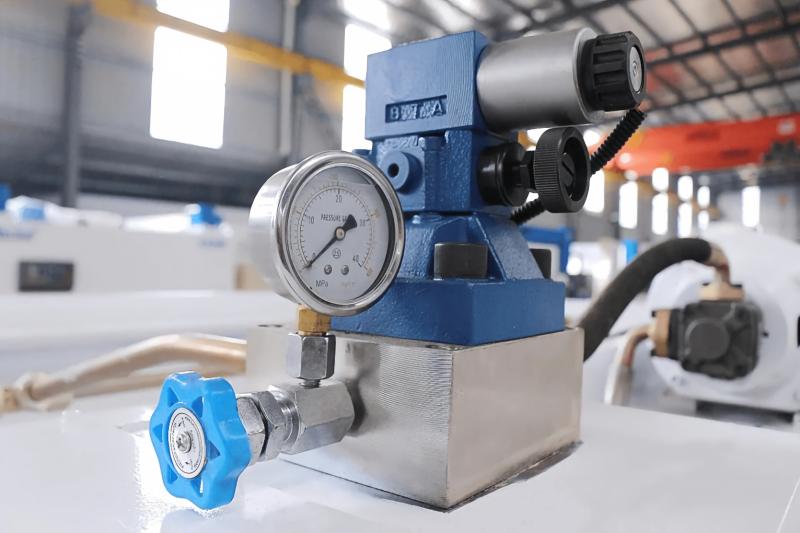
The hydraulic system is the power source that drives many shearing machine operations, including blade movement and pressure control. Stable hydraulic pressure ensures that the machine can generate consistent cutting force throughout the working cycle.
When hydraulic pressure fluctuates, the machine may experience uneven cutting, incomplete cuts, slower response, or increased wear on hydraulic components. Regular inspection helps identify problems before they affect production efficiency.
Main Components Affecting Hydraulic Pressure
Several components influence Shearing Machine Hydraulic Pressure, including the hydraulic pump, valves, cylinders, oil tank, filters, and pressure control devices. A failure in any of these parts can cause unstable pressure performance.
How to Check Shearing Machine Hydraulic Pressure Step by Step
Step 1: Check the Hydraulic Pressure Gauge Reading
The first step is to inspect the hydraulic pressure gauge while the machine is running under normal operating conditions. Compare the actual pressure value with the manufacturer’s recommended range.
If the pressure is too low, the machine may not generate enough cutting force. If the pressure is too high, it can increase stress on seals, valves, and other hydraulic components.
I recommend recording pressure readings regularly to identify gradual changes instead of waiting until a failure occurs.
Step 2: Inspect Hydraulic Oil Level and Condition
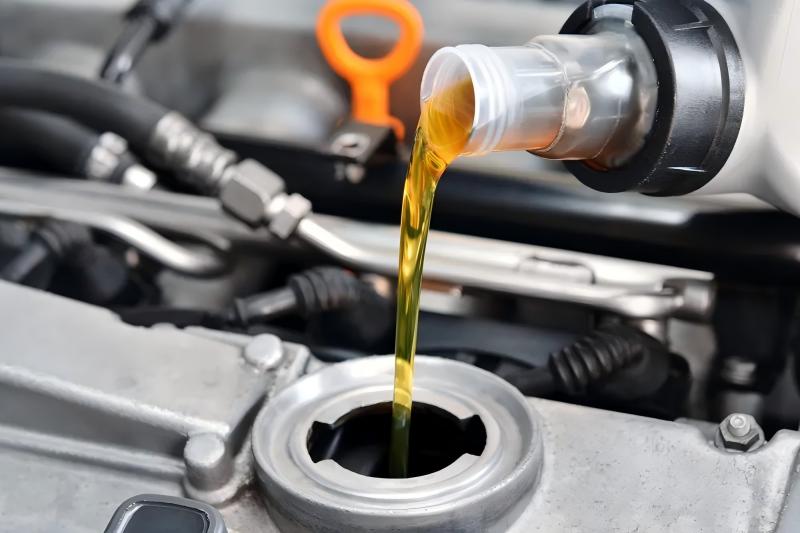
Hydraulic oil plays a critical role in maintaining stable pressure transmission. Low oil levels can introduce air into the system, causing unstable movement and pressure fluctuations.
Check the oil level in the reservoir and inspect the oil condition. Contaminated or degraded hydraulic oil may reduce lubrication performance and affect valve operation.
Clean hydraulic oil helps maintain consistent Shearing Machine Hydraulic Pressure and extends the service life of hydraulic components.
Step 3: Check Hydraulic Pump Performance
The hydraulic pump is responsible for generating the pressure required for machine operation. A worn or damaged pump may struggle to maintain stable pressure.
Common signs of pump problems include unusual noise, overheating, slow blade movement, and pressure drops during cutting operations.
Regular inspection of pump performance helps prevent unexpected downtime and expensive repairs.
Step 4: Inspect Hydraulic Valves and Pressure Control Components
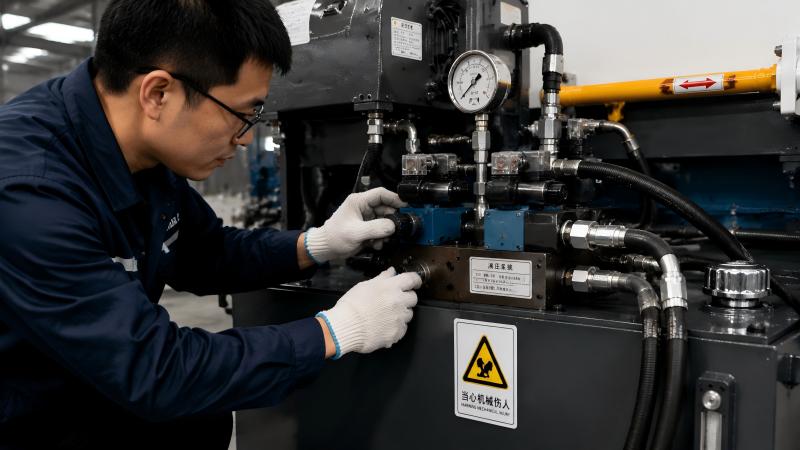
Hydraulic valves regulate oil flow and pressure within the system. Contaminated oil or internal wear can cause valves to stick or respond incorrectly.
Check proportional valves, relief valves, and control valves for leakage, abnormal response, or contamination. Proper valve operation is essential for maintaining accurate pressure control.
Step 5: Examine Hydraulic Cylinders for Leakage
Hydraulic cylinders convert fluid pressure into mechanical movement. Damaged seals or internal leakage can reduce pressure efficiency.
Inspect cylinder surfaces, seals, and connection points for oil leakage. A cylinder with internal bypass problems may fail to maintain required pressure during cutting.
Step 6: Monitor Pressure During Cutting Operations
Static pressure checks are useful, but real working conditions provide more accurate information. Observe pressure changes during actual cutting cycles.
Large pressure fluctuations during operation may indicate problems with the pump, valves, oil condition, or cylinder performance.
Common Causes of Unstable Shearing Machine Hydraulic Pressure
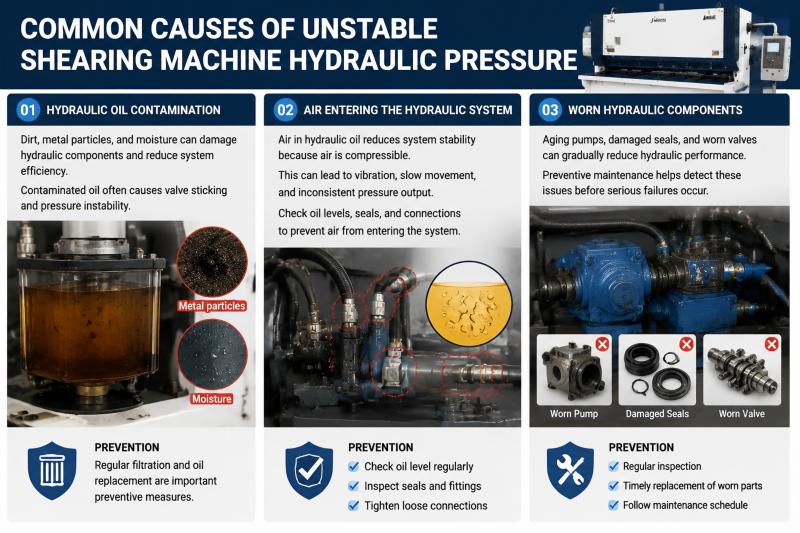
Contaminazione dell'olio idraulico
Dirt, metal particles, and moisture can damage hydraulic components and reduce system efficiency. Contaminated oil often causes valve sticking and pressure instability.
Regular filtration and oil replacement are important preventive measures.
Air Entering the Hydraulic System
Air in hydraulic oil reduces system stability because air is compressible. This can lead to vibration, slow movement, and inconsistent pressure output.
Check oil levels, seals, and connections to prevent air from entering the system.
Worn Hydraulic Components
Aging pumps, damaged seals, and worn valves can gradually reduce hydraulic performance. Preventive maintenance helps detect these issues before serious failures occur.
Best Practices for Maintaining Hydraulic Pressure Stability
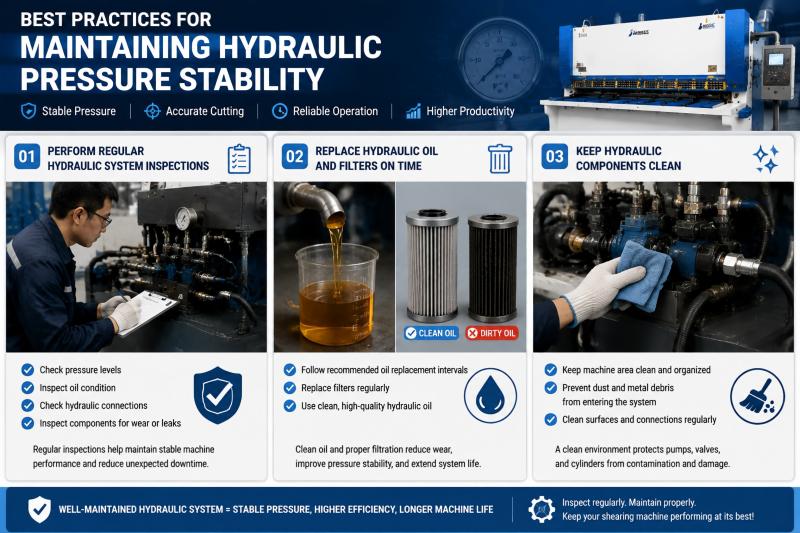
Perform Regular Hydraulic System Inspections
I recommend creating a routine inspection schedule that includes checking pressure levels, oil condition, hydraulic connections, and component wear.
Regular inspections help maintain stable machine performance and reduce unexpected production interruptions.
Replace Hydraulic Oil and Filters on Time
Following recommended replacement intervals ensures that the hydraulic system operates with clean oil and proper filtration.
Clean oil reduces component wear and improves pressure consistency.
Keep Hydraulic Components Clean
Dust and metal debris around hydraulic components can eventually enter the system. Maintaining a clean working environment helps protect pumps, valves, and cylinders.
Domande frequenti
What is the normal hydraulic pressure range for a shearing machine?
The required pressure depends on the machine model and cutting capacity. Always refer to the manufacturer’s specifications for the correct operating range.
Why does my shearing machine hydraulic pressure keep dropping?
Pressure drops may be caused by hydraulic oil leakage, worn pumps, damaged seals, clogged filters, or valve problems.
How often should I check Shearing Machine Hydraulic Pressure?
Daily visual checks and regular detailed inspections are recommended. The frequency may increase depending on machine usage and working conditions.
Conclusione
Maintaining stable Shearing Machine Hydraulic Pressure is essential for accurate cutting, reliable operation, and longer machine life. By regularly checking pressure readings, inspecting hydraulic components, maintaining clean oil, and replacing filters on schedule, operators can prevent many common hydraulic problems.
A well-maintained hydraulic system improves production efficiency and reduces unexpected downtime. For more technical guidance or support with shearing machine maintenance, feel free to contact our team for professional assistance.


