


Maszyna do cięcia laserowego Calibration is essential for maintaining cutting precision, improving production quality, and reducing material waste. If you’ve noticed inconsistent cutting dimensions, rough edges, or positioning errors, your machine may require calibration. In this article, I’ll walk you through how to properly check and adjust laser cutting machine calibration step by step. Whether you operate a fiber laser cutting machine or a CO₂ laser system, understanding the calibration process will help you maintain stable performance, extend machine lifespan, and achieve accurate cutting results in daily production.
Dlaczego Maszyna do cięcia laserowego Calibration Is Important
Accurate calibration directly affects cutting quality and machine efficiency. Even small deviations in alignment or positioning can cause dimensional inaccuracies, uneven cutting edges, or excessive scrap.
Improve Cutting Accuracy
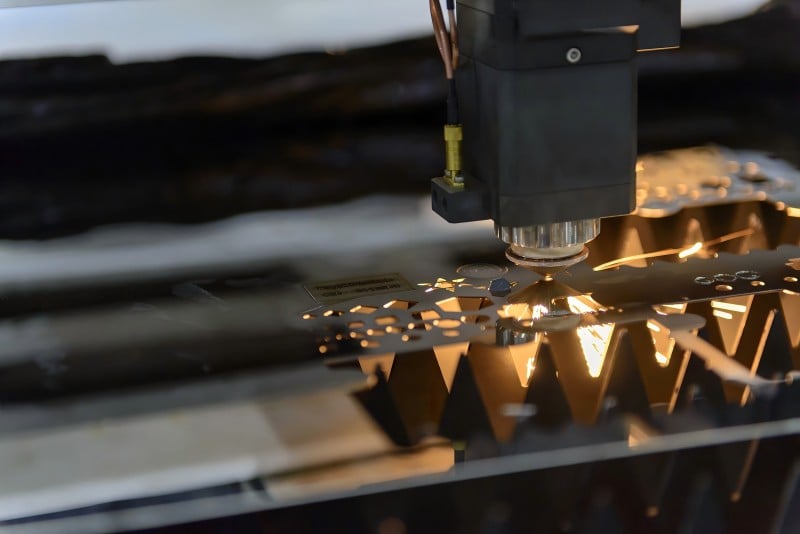
Proper calibration ensures the laser beam follows the programmed cutting path accurately. This is especially important for complex parts and precision sheet metal fabrication.
Reduce Material Waste
Incorrect calibration can lead to repeated cutting errors, which increases production costs and wastes raw materials.
Extend Machine Component Life
A well-calibrated machine reduces unnecessary stress on motors, guide rails, and optical components, helping extend their service life.
Common Signs of Laser Cutting Machine Calibration Problems
Before starting the calibration process, I usually look for these common warning signs.
Inconsistent Cutting Dimensions
If parts cut from the same program have different sizes, the machine positioning system may be out of calibration.
Poor Edge Quality
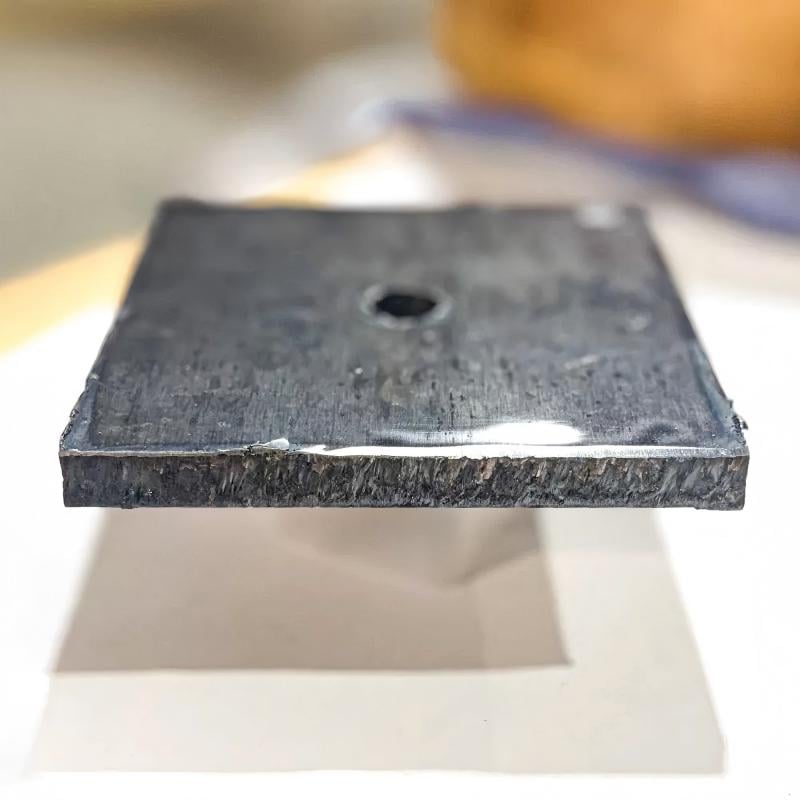
Rough edges, burrs, or uneven cuts may indicate incorrect laser focus or beam alignment.
Misaligned Holes and Patterns
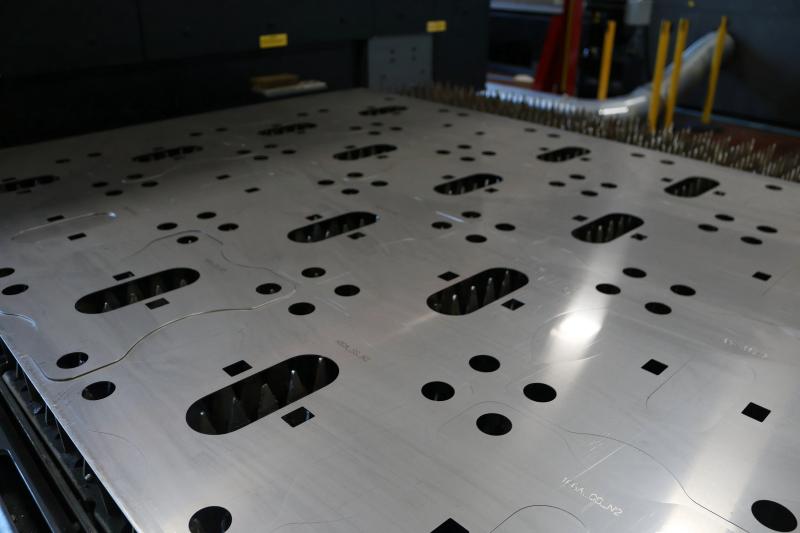
When circles become oval or patterns appear shifted, it often points to X-axis or Y-axis calibration issues.
Abnormal Machine Vibration
Loose mechanical components or worn guide rails can affect calibration accuracy during operation.
How to Check Laser Cutting Machine Calibration
Step 1: Clean the Machine and Work Area

Before calibration, I always ensure the machine is clean. Remove dust, metal debris, and oil from the worktable, guide rails, and optical components. A clean environment improves measurement accuracy.
Step 2: Inspect Mechanical Components
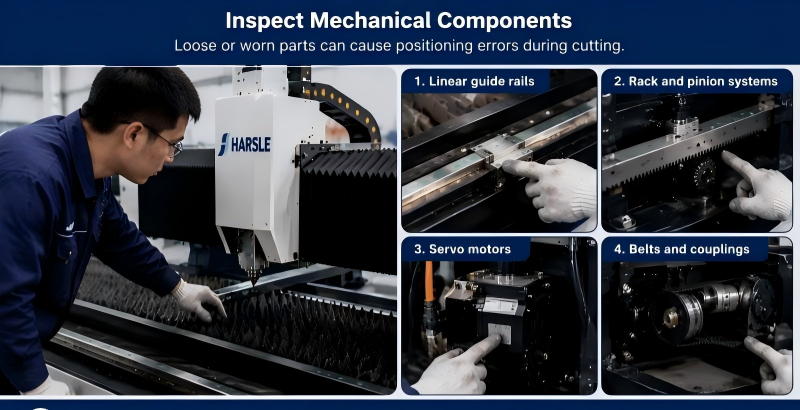
Check the condition of:
- Prowadnice liniowe
- Rack and pinion systems
- Servo motors
- Belts and couplings
Loose or worn parts can cause positioning errors during cutting.
Step 3: Verify Laser Beam Alignment
Laser beam alignment is critical for accurate cutting performance. Use alignment tape or test paper to confirm the beam passes through the center of each optical component correctly.
For fiber laser cutting machines, inspect:
- Laser head alignment
- Protective lens condition
- Nozzle centering
Improper alignment can reduce cutting precision and cutting power.
Step 4: Check Laser Focus Position
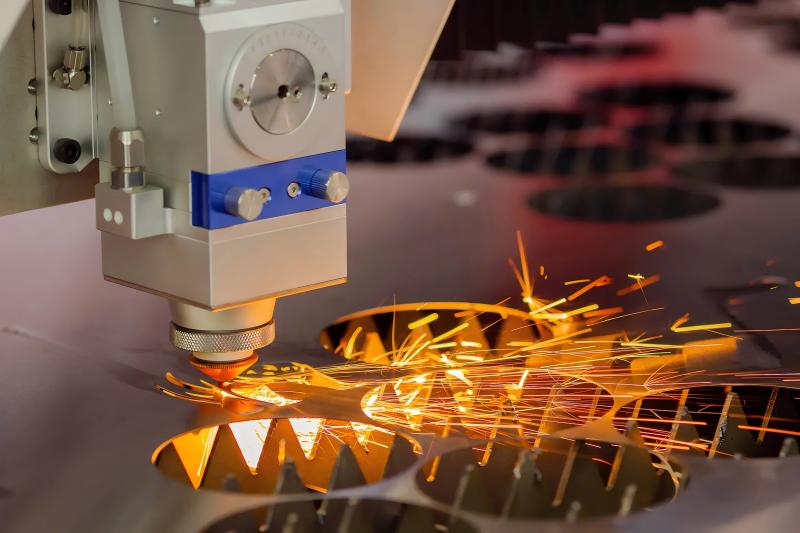
The focus position directly affects cutting quality. Perform a focus test by cutting sample lines at different focal positions. Select the focus point that provides the cleanest and narrowest cutting result.
Step 5: Perform Axis Accuracy Testing
I recommend cutting a standard calibration pattern, such as:
- Squares
- Circles
- Straight lines
Measure the finished dimensions using a caliper or laser measuring tool. Compare the results with the programmed dimensions to identify axis deviation.
Step 6: Calibrate the CNC System
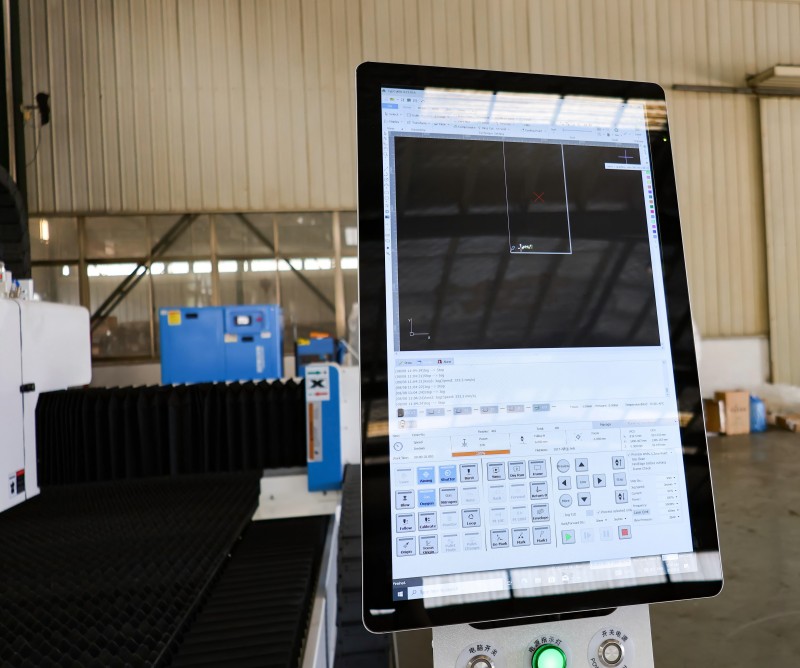
If deviations are found, adjust the CNC parameters for the X-axis and Y-axis. Most modern laser cutting machines include compensation settings that allow precise calibration adjustments.
Step 7: Test Repeatability
Run the same cutting program multiple times and compare the finished parts. Consistent results indicate successful calibration.
Preventive Maintenance Tips for Laser Cutting Machine Calibration
Perform Regular Cleaning
Dust and metal particles can affect sensors and optical systems. Clean the machine regularly to maintain stable calibration.
Monitor Cooling System Performance
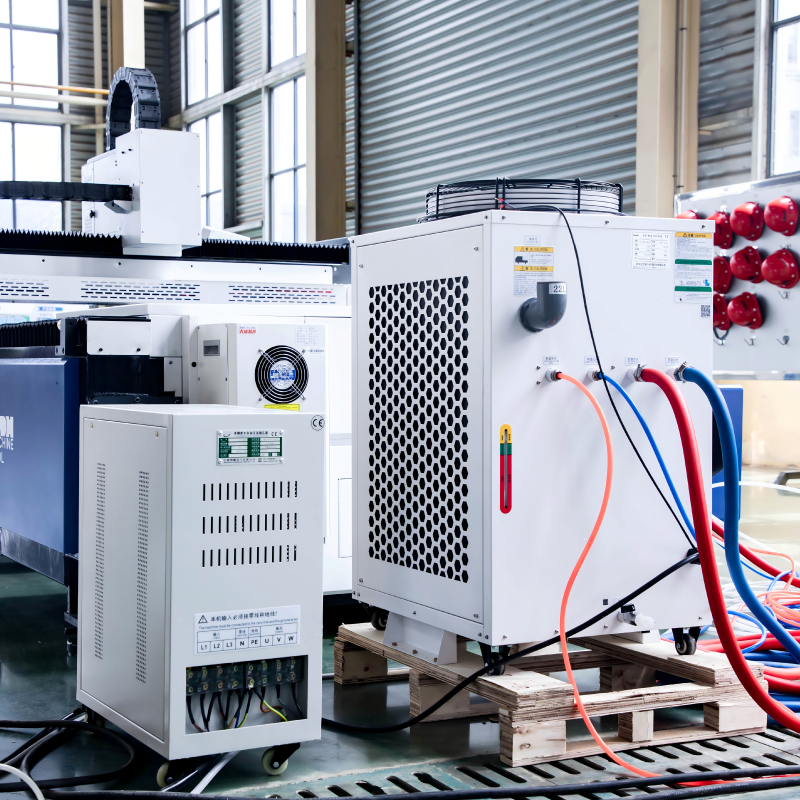
An unstable cooling system may affect laser output consistency. Ensure water temperature and flow remain within recommended ranges.
Inspect Optical Components Frequently
Damaged lenses or mirrors reduce beam quality and affect calibration accuracy.
Lubricate Moving Components
Proper lubrication reduces mechanical wear and helps maintain positioning precision.
Często zadawane pytania
How often should I check Laser Cutting Machine Calibration?
I recommend checking calibration weekly for high-production environments or whenever cutting accuracy problems appear.
What tools are needed for laser cutting machine calibration?
Common tools include calipers, alignment tape, focus test plates, dial indicators, and laser measurement devices.
Can poor calibration damage the laser cutting machine?
Yes. Poor calibration can increase wear on mechanical components, reduce cutting efficiency, and lead to unstable machine performance.
Wniosek
Proper Laser Cutting Machine Calibration is critical for achieving accurate cuts, reducing waste, and maintaining reliable machine performance. By regularly checking beam alignment, focus position, axis accuracy, and CNC parameters, you can keep your laser cutting machine operating at peak efficiency.
Routine calibration and preventive maintenance not only improve product quality but also reduce downtime and operating costs. If you need professional technical support or assistance with laser cutting machine maintenance, feel free to contact our team. We’re always ready to help you optimize your production process.


