


Maintaining a Cięcie laserowe Electrical System is essential for ensuring the longevity, safety, and performance of your machine. Electrical issues can lead to downtime, costly repairs, or even safety hazards. In this article, I’ll share practical steps and best practices to maintain your laser cutter’s electrical components. By following these guidelines, you can prevent unexpected failures, optimize cutting accuracy, and extend the life of your system. Whether you are a maintenance engineer or an operator, understanding the electrical system’s requirements will help you keep your laser cutting operations running smoothly and efficiently, reducing interruptions and maintaining consistent production quality.
Key Components of a Cięcie laserowe Electrical System
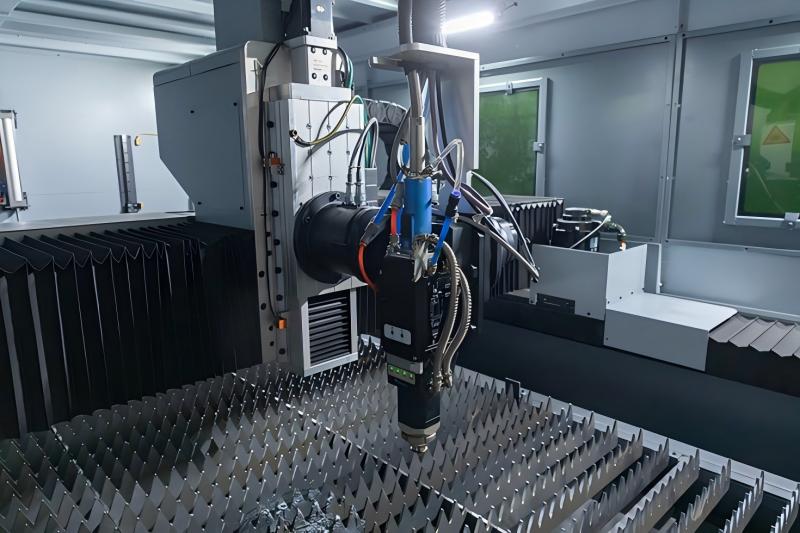
Power Supply and Circuitry
The power supply is the heart of the laser cutting system. I check connections for corrosion, loose wires, or burn marks. Ensuring proper voltage and current levels is critical to prevent electrical stress that could damage components.
Control Panels and CNC Electronics
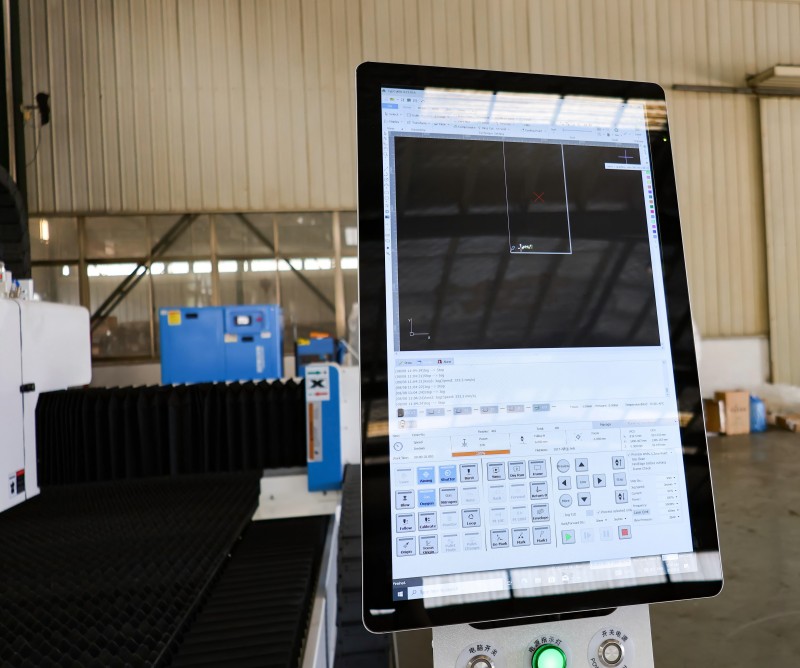
The CNC and control boards regulate cutting precision. I inspect the control panel for dust accumulation, moisture, or damaged cables. Firmware updates and visual inspections are important for consistent system performance.
Sensors and Safety Interlocks
Laser cutting machines rely on sensors to detect material position and safety interlocks to prevent accidental operation. I verify that all sensors are clean, properly aligned, and fully functional.
Step-by-Step Maintenance Procedures
Step 1: Power Down and Lockout
Before performing any maintenance, I always shut down the machine completely and follow lockout/tagout procedures to ensure the system is de-energized.
Step 2: Visual Inspection
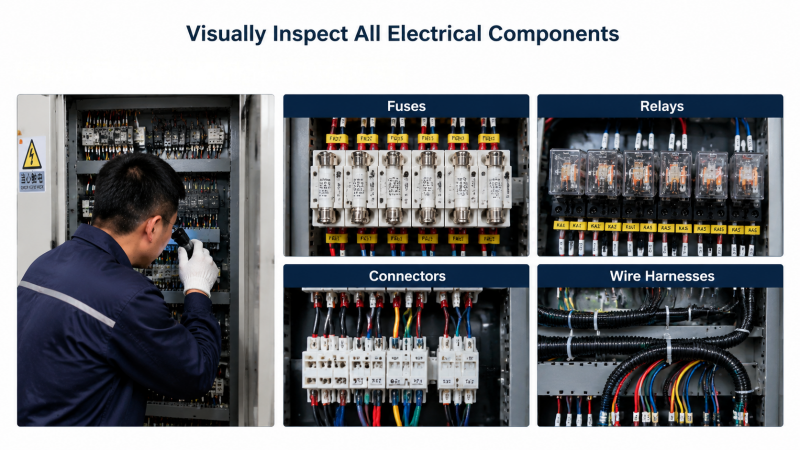
I examine all electrical components for signs of wear, overheating, or physical damage. This includes fuses, relays, connectors, and wiring harnesses.
Step 3: Clean Components
Dust and debris can reduce electrical performance and cause overheating. I carefully clean all circuit boards, fans, and ventilation areas using appropriate anti-static brushes or compressed air.
Step 4: Check Connections and Tighten
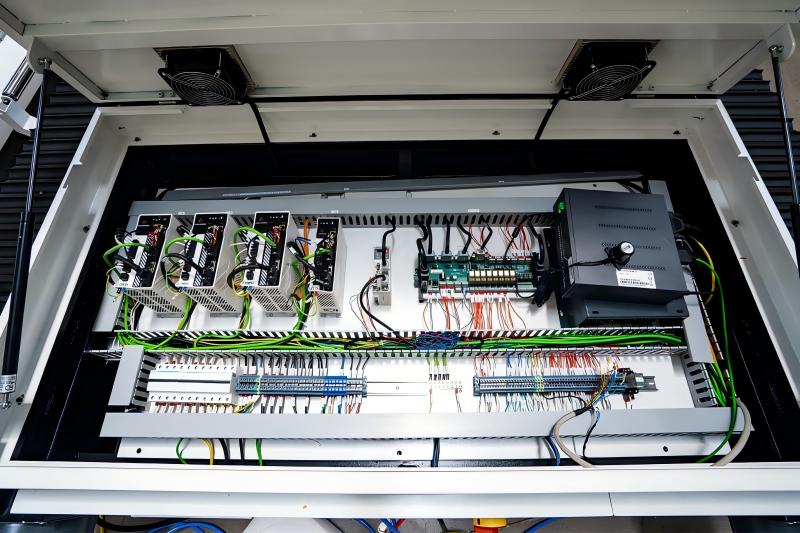
Loose connections can cause arcing or voltage drops. I verify that all terminals and connectors are secure, checking for any signs of corrosion or oxidation.
Step 5: Test Safety Systems
I regularly test all safety interlocks, emergency stops, and door switches to ensure proper functioning. This prevents accidental operation and protects operators.
Step 6: Monitor Performance
After maintenance, I power up the system and observe performance parameters. Any irregularities in voltage, current, or signal response are addressed immediately.
Best Practices for Long-Term Electrical System Maintenance
Schedule Regular Inspections
Routine inspections prevent small issues from becoming critical. I recommend weekly visual checks and detailed monthly audits of the electrical system.
Maintain Proper Environmental Conditions
Temperature and humidity can affect electronic components. I ensure the machine operates in a controlled environment and monitor for excessive heat or moisture.
Document Maintenance Activities
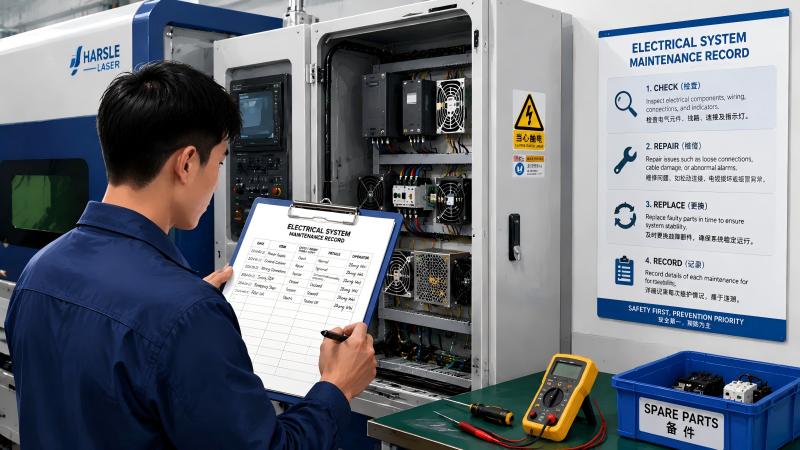
Keeping detailed records of inspections, repairs, and replacements helps track component lifespan and predict future maintenance needs.
Często zadawane pytania
How often should I inspect my laser cutting electrical system?
I recommend weekly visual inspections and monthly detailed checks to ensure all components are functioning correctly and safely.
What are common signs of electrical issues in a laser cutter?
Frequent tripping of fuses, irregular cutting performance, error messages on the CNC, or visible overheating in wires and connectors.
Can regular maintenance prevent downtime?
Absolutely. Proactive inspection and maintenance help avoid unexpected failures, ensuring consistent operation and production efficiency.
Wniosek
Proper maintenance of a Laser Cutting Electrical System is critical for operational safety, machine longevity, and high-quality cutting results. By following visual inspections, cleaning routines, connection checks, and performance monitoring, you can prevent downtime and costly repairs. Establishing a consistent maintenance schedule and adhering to best practices ensures your laser cutting operations remain reliable and efficient. For detailed support or guidance on specific systems, don’t hesitate to contact our HARSLE technical team for professional advice.


