


When working with fiber laser cutting systems, one of the most common quality issues I encounter is carbon steel cięcie laserowe dross, especially when processing thicker plates. Dross refers to the resolidified molten material that remains attached to the bottom edge of a cut. In most cases, it is caused by improper cutting parameters, unstable assist gas flow, or insufficient energy balance during the cutting process. If you are trying to improve cut quality, reduce post-processing work, and achieve cleaner edges, you are in the right place. In this article, I will explain why dross forms in carbon steel laser cutting and how to reduce it effectively in real production environments through practical and proven methods.
Understanding Carbon Steel Cięcie laserowe Dross
What Is Laser Cutting Dross?
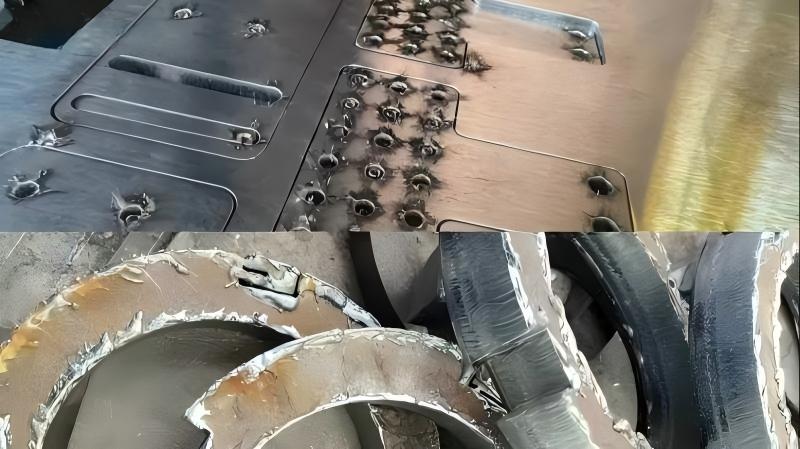
Laser cutting dross is the excess molten metal that fails to be fully ejected from the kerf during cutting. It solidifies on the bottom edge of the material, affecting surface quality and dimensional accuracy.
Why It Is More Common in Carbon Steel
Carbon steel reacts strongly with oxygen during laser cutting. While this reaction helps cutting efficiency, it also increases molten residue formation, especially when parameters are not properly optimized.
Key Causes of Carbon Steel Laser Cutting Dross
Improper Laser Power Settings
Too much or too little laser power can destabilize the melt pool. Excess energy creates overheating, while insufficient power leads to incomplete material removal, both increasing dross formation.
Incorrect Cutting Speed
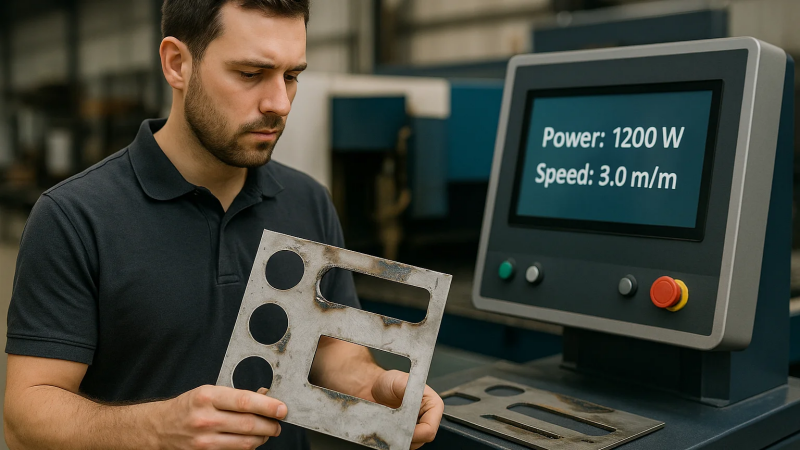
Cutting too fast prevents full material ejection, while cutting too slow causes excessive melting and re-solidification at the bottom edge.
Improper Assist Gas Selection or Pressure
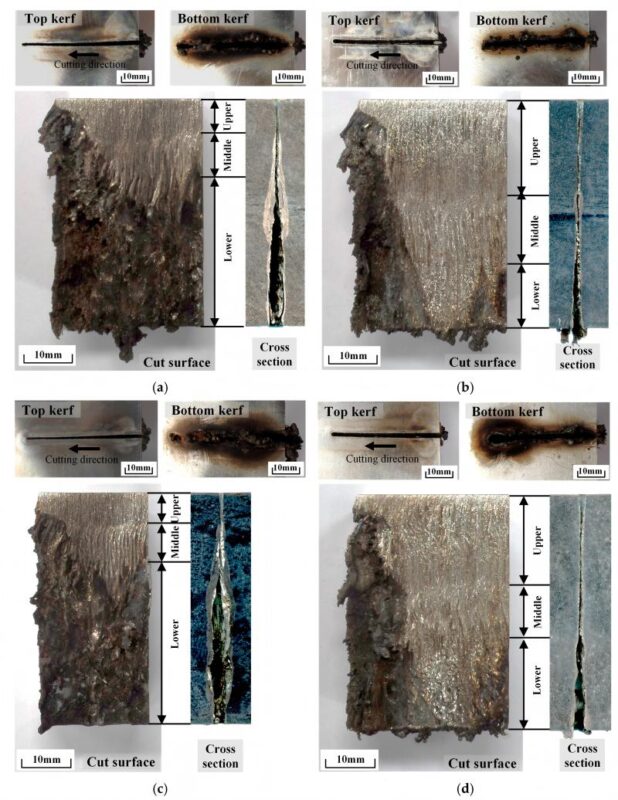
Assist gas plays a critical role in removing molten material. Low pressure or incorrect gas type reduces flow efficiency, leading to accumulation of dross.
Nozzle Condition and Position
A worn or misaligned nozzle disrupts gas flow symmetry, reducing the ability to effectively blow away molten metal.
Material Surface Condition
Rust, scale, or contamination on the carbon steel surface can interfere with energy absorption and melt behavior, increasing the likelihood of dross.
How to Reduce Carbon Steel Laser Cutting Dross Effectively
Optymalizacja parametrów cięcia laserowego
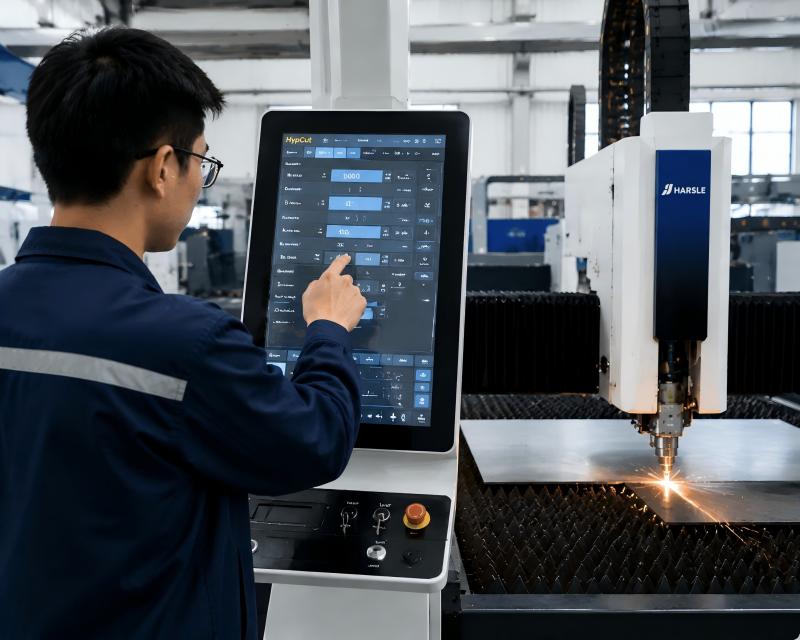
I always start by balancing laser power, cutting speed, and focus position. Proper parameter tuning ensures stable melting and clean material ejection.
Use Correct Assist Gas and Pressure
For carbon steel, oxygen is commonly used for cutting, but pressure must be carefully controlled. Stable and sufficient gas flow helps remove molten material efficiently.
Adjust Focus Position Properly
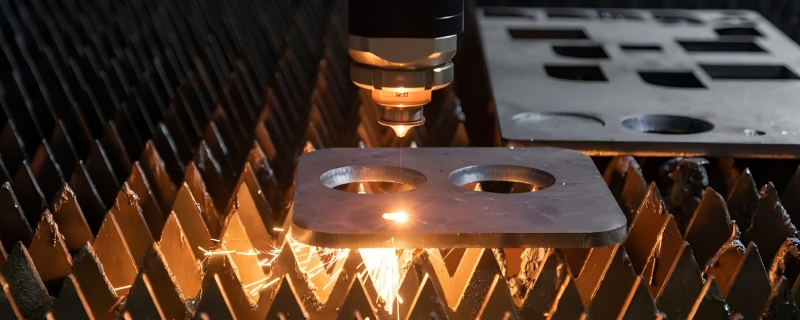
Correct focal position ensures energy is concentrated at the optimal cutting zone, improving melt stability and reducing bottom residue.
Maintain Nozzle Cleanliness and Alignment
Regular inspection and cleaning of the nozzle ensures consistent gas flow, which is essential for reducing carbon steel laser cutting dross.
Improve Material Surface Quality
Removing rust, oil, or scale before cutting improves energy absorption and leads to more stable cutting behavior.
Regularna konserwacja maszyn
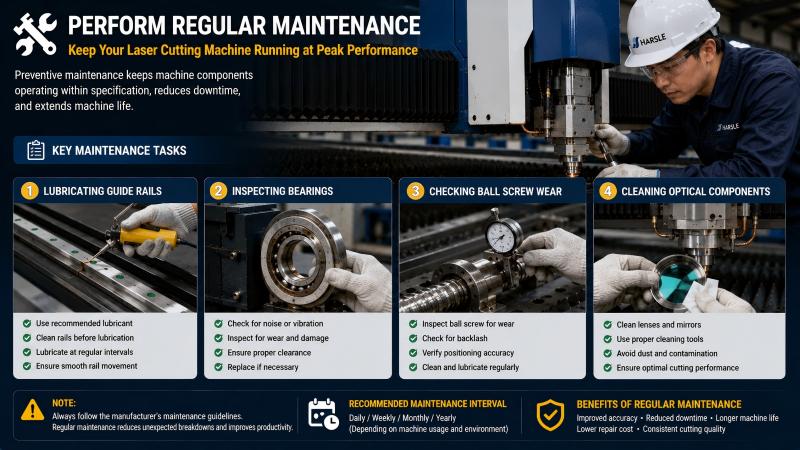
I recommend routine checks of optical components, gas systems, and cutting heads to ensure stable long-term performance.
Często zadawane pytania
Can carbon steel laser cutting dross be completely eliminated?
In most cases, it can be significantly reduced but not always completely eliminated, especially in thick plate cutting.
Does oxygen increase dross formation?
Oxygen improves cutting speed but can increase oxidation-related residue if parameters are not optimized.
Is nitrogen better for reducing dross?
Nitrogen can produce cleaner edges with less oxidation, but it requires higher power and cost.
Why does dross appear mostly at the bottom?
Gravity and gas flow direction cause molten metal to accumulate and solidify at the bottom edge.
Wniosek
Zmniejszenie carbon steel laser cutting dross is all about balancing laser parameters, gas flow, nozzle condition, and material preparation. By optimizing these factors, you can significantly improve edge quality and reduce secondary processing time.
If you need further technical support or optimization advice, feel free to contact our team.


