


Cięcie laserowe Gas Pressure Problem is one of the most common issues affecting cutting quality, production efficiency, and machine reliability. If you notice excessive burrs, incomplete cuts, rough edges, or unstable cutting performance, insufficient or unstable assist gas pressure may be the root cause. In this article, I’ll explain how to quickly diagnose gas pressure problems in a laser cutting machine, identify the most common causes, and apply practical solutions to restore optimal cutting performance. Whether you’re a machine operator, maintenance technician, or production manager, this guide will help you minimize downtime and maintain consistent cutting quality.
Why Gas Pressure Is Critical in Cięcie laserowe
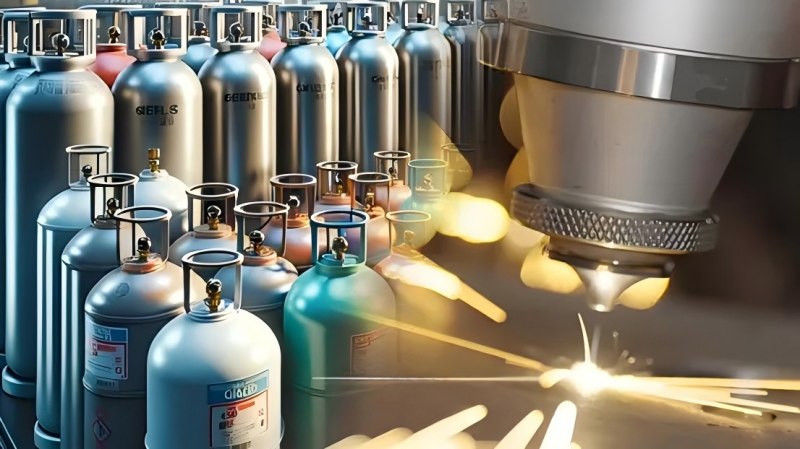
Assist gas plays a vital role in the laser cutting process. It removes molten material from the kerf, cools the cutting zone, and protects the lens from contamination.
When gas pressure drops below the required level, several problems may occur:
- Excessive burr formation
- Incomplete material penetration
- Burn marks on cut edges
- Reduced cutting speed
- Poor dimensional accuracy
- Increased nozzle contamination
Understanding these symptoms is the first step in diagnosing a Laser Cutting Gas Pressure Problem.
Common Causes of Laser Cutting Gas Pressure Problem
Insufficient Gas Supply Pressure
The most obvious cause is low pressure from the gas source. Empty cylinders, malfunctioning compressors, or unstable gas generators can reduce the available pressure reaching the machine.
Always verify the pressure at the source before investigating other components.
Leaking Gas Pipes or Fittings
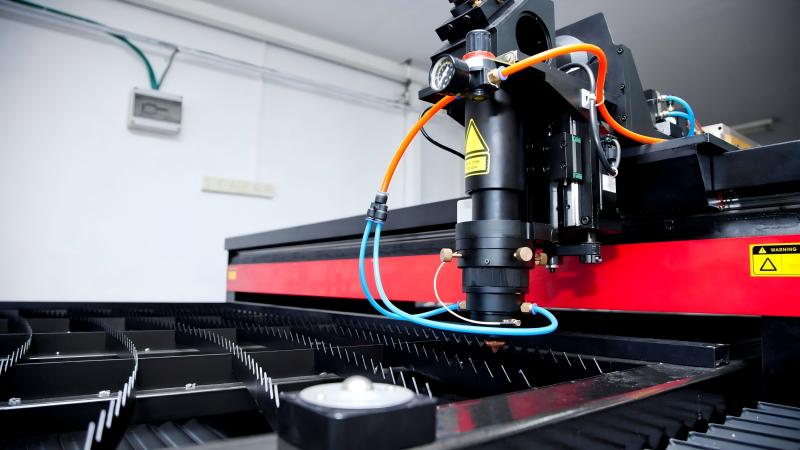
Gas leaks can significantly reduce pressure before the gas reaches the cutting head.
Common leak locations include:
- Połączenia węży
- Quick couplings
- Solenoid valve fittings
- Pressure regulators
- Gas distribution manifolds
Even small leaks can affect cutting performance during high-pressure cutting operations.
Clogged Filters
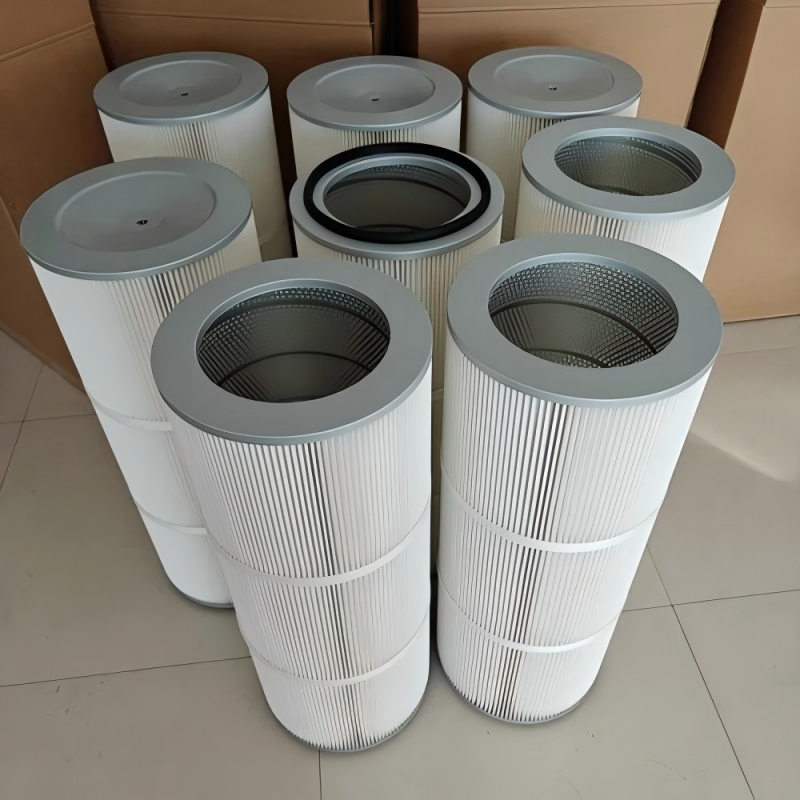
Gas filters remove moisture, oil, and contaminants from the gas supply.
Over time, filters become restricted, reducing flow and causing pressure loss. Dirty filters are a frequent cause of assist gas instability.
Faulty Pressure Regulators
Pressure regulators control the output pressure delivered to the machine.
A damaged regulator may:
- Deliver lower pressure than required
- Cause pressure fluctuations
- Fail to maintain a stable setting
If pressure readings fluctuate significantly, inspect the regulator immediately.
Blocked Nozzle or Gas Channel
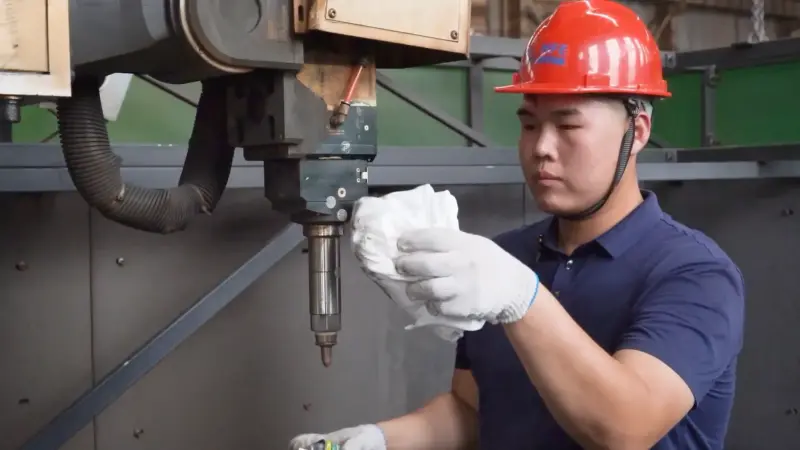
Spatter and debris can partially block the nozzle or gas passages.
This restriction limits gas flow and reduces effective pressure at the cutting point, even if the supply pressure appears normal.
Step-by-Step Guide to Diagnose Laser Cutting Gas Pressure Problem
Step 1: Check the Gas Source
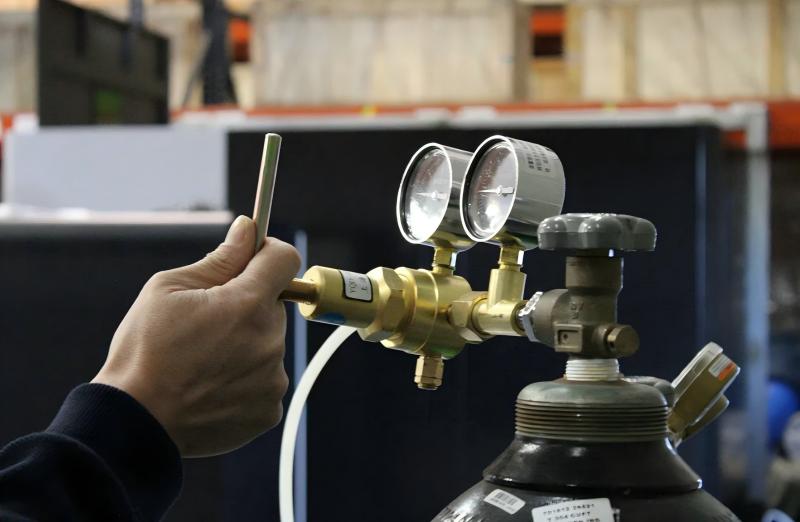
Start by verifying the gas source pressure.
For cylinder systems:
- Confirm cylinder pressure
- Check valve positions
- Ensure cylinders are not nearly empty
For gas generators or compressors:
- Verify operating pressure
- Check alarm indicators
- Confirm stable output
Record the pressure values for comparison.
Step 2: Inspect Pressure Gauges
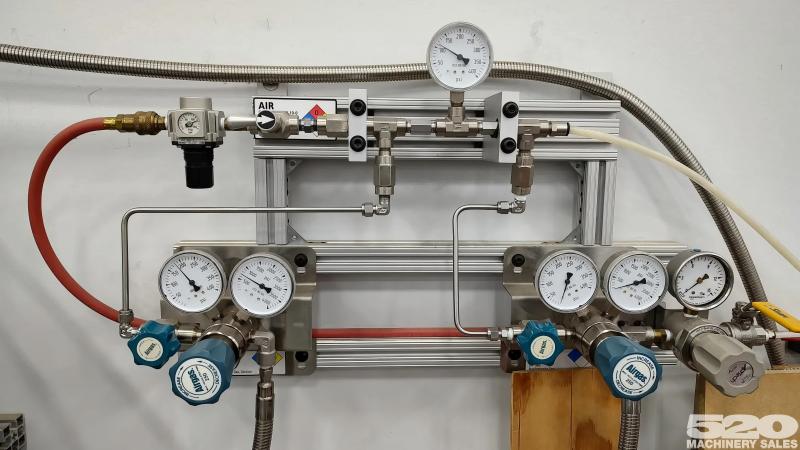
Examine all pressure gauges along the gas supply path.
Compare:
- Source pressure
- Regulator output pressure
- Machine inlet pressure
A significant pressure drop between two points usually indicates a restriction or leak.
Step 3: Perform a Leak Test
Use a leak detection solution or electronic leak detector.
Inspect:
- Złącza rurowe
- Połączenia węży
- Regulator fittings
- Solenoid valve assemblies
Repair any leaks before continuing the diagnosis.
Step 4: Check Gas Filters
Remove and inspect the gas filters.
Szukać:
- Dirt accumulation
- Moisture contamination
- Oil residue
Replace clogged filters according to the manufacturer’s maintenance schedule.
Step 5: Inspect the Nozzle
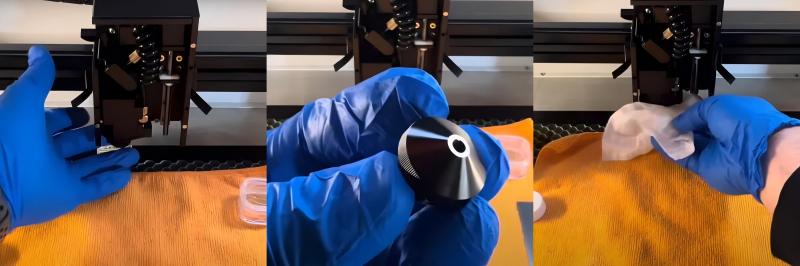
A damaged or contaminated nozzle can create abnormal gas flow.
Sprawdź:
- Spatter buildup
- Deformation
- Excessive wear
- Partial blockage
Clean or replace the nozzle if necessary.
Step 6: Verify Pressure Regulator Performance
Adjust the regulator while monitoring pressure readings.
A healthy regulator should:
- Respond smoothly
- Maintain stable pressure
- Recover quickly during pressure changes
Replace the regulator if pressure remains unstable.
Preventive Maintenance for Stable Gas Pressure
Establish Routine Inspection Procedures
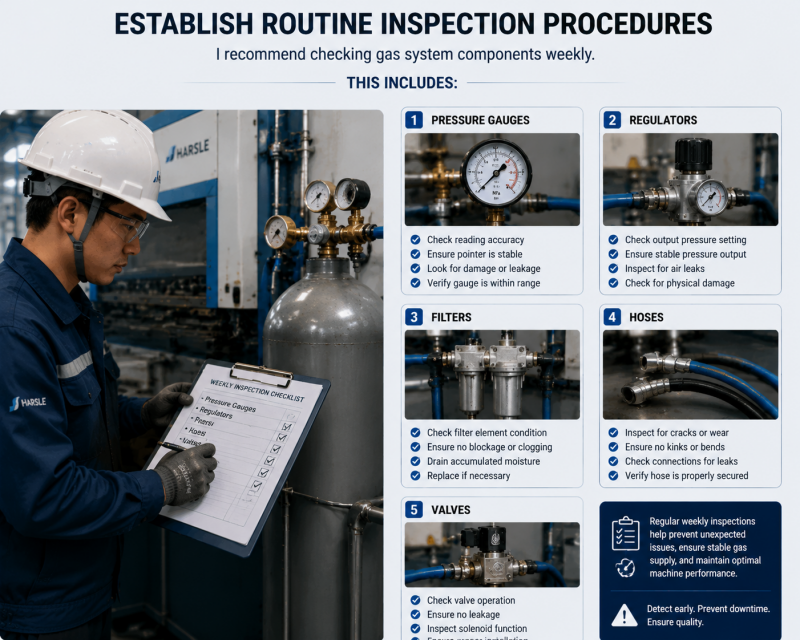
I recommend checking gas system components weekly.
This includes:
- Pressure gauges
- Regulators
- Filters
- Hoses
- Zawory
Routine inspections help identify problems before they affect production.
Replace Filters Regularly
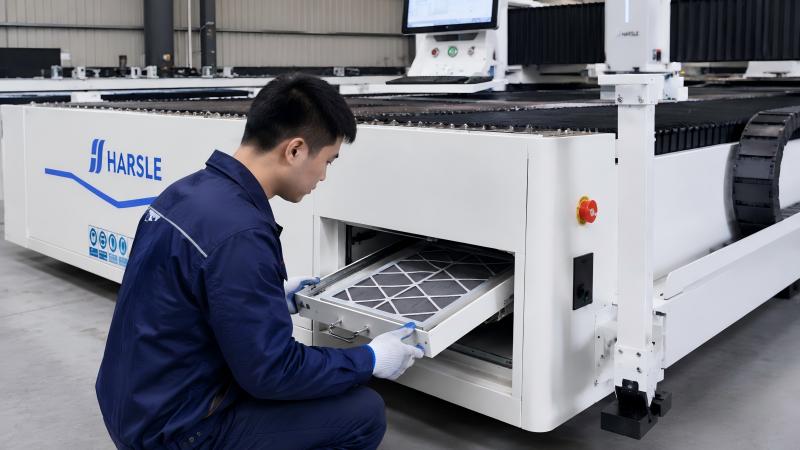
Many gas pressure issues originate from neglected filter maintenance.
Follow the manufacturer’s replacement intervals and keep spare filter elements available.
Maintain Clean Nozzles
Clean nozzles at the beginning and end of each shift.
A clean nozzle ensures consistent gas flow and optimal cutting quality.
Monitor Gas Consumption
Sudden increases in gas consumption often indicate leaks or system inefficiencies.
Tracking consumption trends can help detect developing problems early.
Signs That Your Laser Machine Has a Gas Pressure Problem
Watch for these warning signs:
- Rough cut edges
- Excessive dross formation
- Incomplete cuts
- Reduced cutting speed
- Frequent nozzle contamination
- Pressure alarm messages
- Inconsistent cut quality between parts
Early detection can prevent costly production interruptions.
Często zadawane pytania
What is the most common Laser Cutting Gas Pressure Problem?
The most common issue is insufficient gas pressure caused by leaks, clogged filters, or faulty pressure regulators.
Can low gas pressure affect laser cutting quality?
Yes. Low gas pressure can cause burrs, incomplete cuts, poor edge quality, and reduced production efficiency.
How often should I inspect the gas system?
I recommend inspecting the gas system weekly and performing a complete maintenance check monthly, depending on machine usage.
Wniosek
Diagnozowanie Laser Cutting Gas Pressure Problem quickly is essential for maintaining cutting quality, productivity, and machine reliability. By systematically checking the gas source, pressure gauges, regulators, filters, hoses, and nozzles, you can identify the root cause and restore proper performance with minimal downtime.
Regular inspections and preventive maintenance are the most effective ways to avoid gas pressure issues before they affect production. If you’re experiencing persistent gas pressure problems or need professional technical support, feel free to contact the HARSLE team for expert assistance and troubleshooting guidance.


