


When operating hydraulic shearing machines, one of the most common problems I encounter is Maszyna do strzyżenia Hydraulic Pump Failure, which can directly affect cutting force, accuracy, and production efficiency. The hydraulic pump is responsible for generating and maintaining the pressure required for blade movement, so any malfunction can lead to slow operation, abnormal noise, pressure loss, or complete machine shutdown. In this article, I’ll explain the common causes of hydraulic pump failure and provide practical troubleshooting methods to help operators and maintenance teams restore machine performance, reduce downtime, and extend equipment service life.
Zrozumienie Maszyna do strzyżenia Hydraulic Pump Failure
What Does a Hydraulic Pump Do in a Shearing Machine?
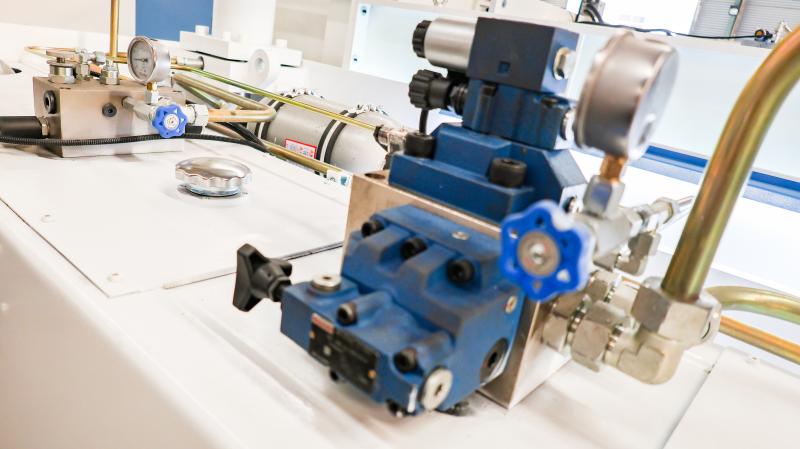
The hydraulic pump is the power source of the hydraulic system. It converts mechanical energy from the motor into hydraulic energy by pressurizing oil and delivering it to cylinders, valves, and other hydraulic components.
A properly functioning pump ensures stable blade movement, consistent cutting force, and reliable machine operation. When the pump begins to fail, the entire hydraulic system may become unstable.
Common Symptoms of Hydraulic Pump Failure
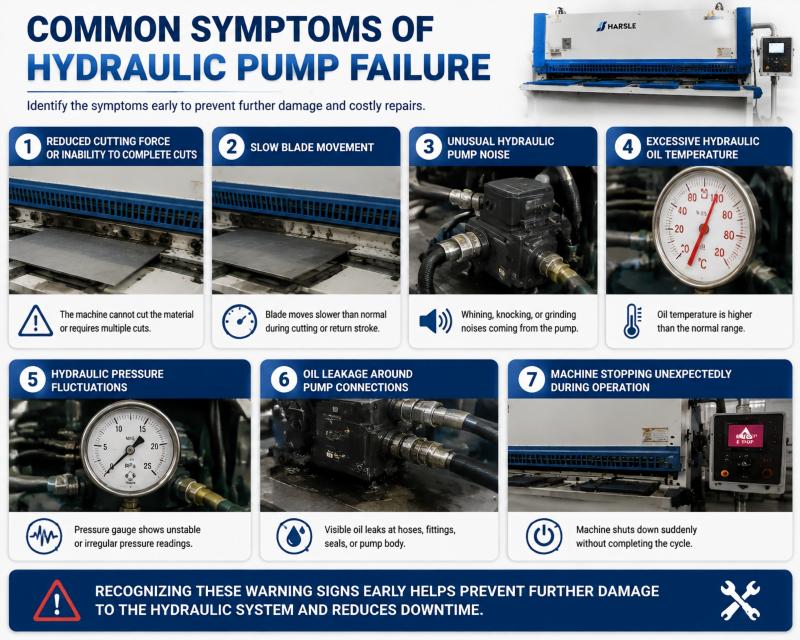
Before repairing a hydraulic pump, I recommend identifying the symptoms carefully. Common signs include:
- Reduced cutting force or inability to complete cuts
- Slow blade movement
- Unusual hydraulic pump noise
- Excessive hydraulic oil temperature
- Wahania ciśnienia hydraulicznego
- Oil leakage around pump connections
- Machine stopping unexpectedly during operation
Recognizing these warning signs early helps prevent further damage to the hydraulic system.
Main Causes of Shearing Machine Hydraulic Pump Failure
Insufficient Hydraulic Oil Level
One of the simplest but most common causes of hydraulic pump problems is insufficient oil in the reservoir. When the oil level is too low, the pump may draw air into the system, causing cavitation and unstable pressure.
I recommend checking the hydraulic oil level regularly and ensuring it remains within the manufacturer’s recommended range.
Zanieczyszczony olej hydrauliczny
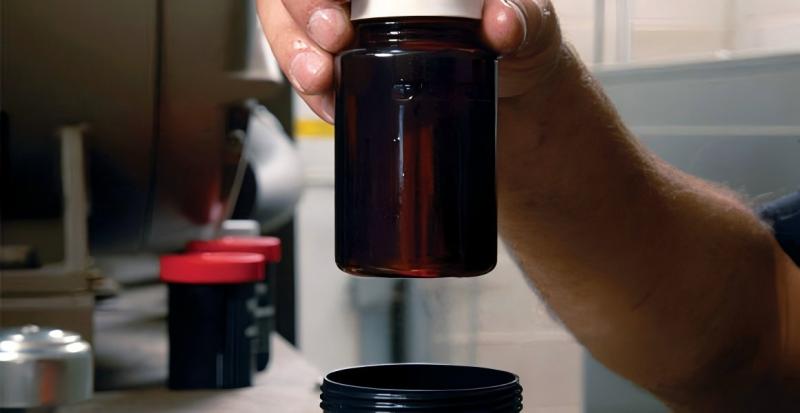
Dirty hydraulic oil can seriously damage the pump. Metal particles, dust, moisture, and other contaminants accelerate wear on internal pump components.
Contaminated oil can cause scratches on pump surfaces, reduce efficiency, and eventually result in complete pump failure. Regular oil inspection and filtration are essential for preventing these problems.
Air Entering the Hydraulic System
Air contamination is another major cause of hydraulic pump failure. Air bubbles reduce the efficiency of pressure transmission and may create abnormal noise, vibration, or inconsistent blade movement.
Check all hydraulic connections, seals, and hoses to ensure there are no leaks allowing air to enter the system.
Excessive Operating Pressure
Operating a shearing machine beyond its designed pressure range places excessive stress on the hydraulic pump. Continuous overload conditions can damage internal components and shorten pump lifespan.
Always ensure that hydraulic pressure settings match the machine specifications.
Pump Wear Due to Long-Term Operation
Like all mechanical components, hydraulic pumps experience wear over time. Internal parts such as gears, pistons, or vanes may lose efficiency after extended use.
Regular inspection helps determine whether repair, rebuilding, or replacement is the most cost-effective solution.
How to Troubleshoot Shearing Machine Hydraulic Pump Failure
Krok 1: Sprawdź stan oleju hydraulicznego
The first step is inspecting the hydraulic oil. Check the oil level, color, viscosity, and contamination level.
If the oil appears cloudy, dark, or contains visible particles, it may need replacement or filtration. Clean hydraulic oil is essential for maintaining pump performance.
Step 2: Inspect Hydraulic Pressure
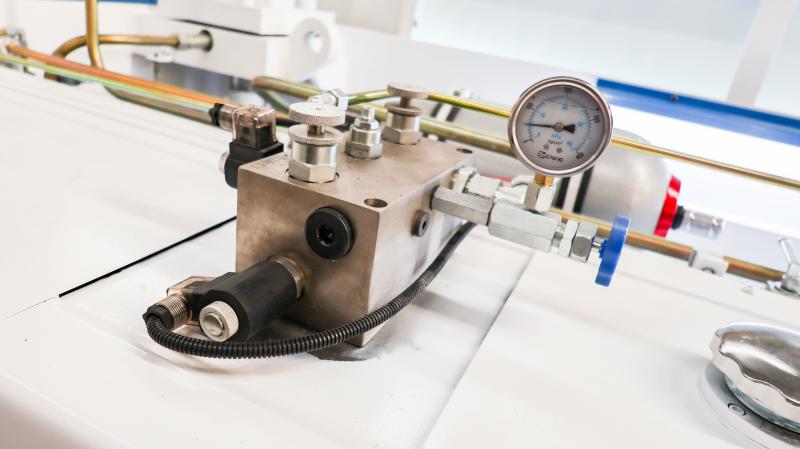
Use a pressure gauge to measure system pressure during operation. Compare the readings with the recommended values from the machine manufacturer.
Low or unstable pressure may indicate pump wear, valve problems, or internal leakage.
Step 3: Check for Oil Leakage
Inspect hydraulic pipes, fittings, seals, and pump connections carefully. External leaks can reduce system pressure and allow air to enter the hydraulic circuit.
Repair damaged hoses or replace worn seals immediately.
Step 4: Listen for Abnormal Pump Noise
A healthy hydraulic pump should operate smoothly. Unusual sounds such as whining, grinding, or knocking may indicate cavitation, air contamination, or internal damage.
Identifying unusual sounds early can prevent major failures.
Step 5: Inspect Hydraulic Filters
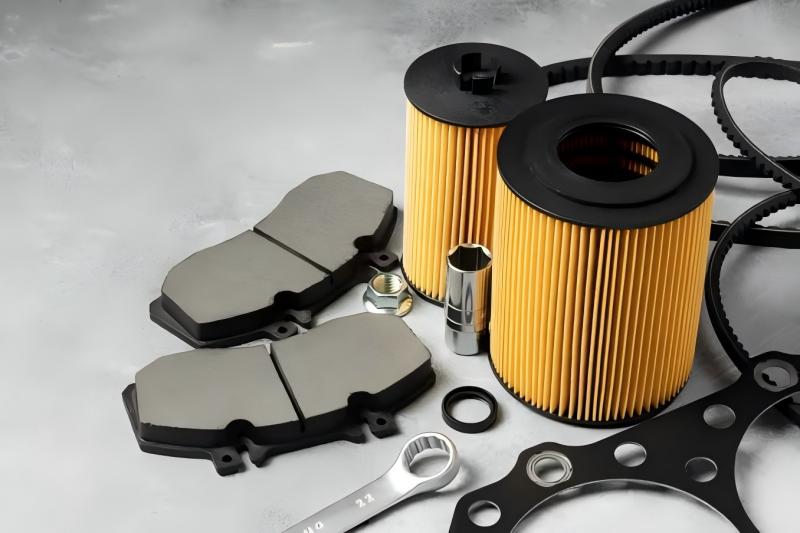
Blocked filters restrict oil flow and force the pump to work harder. This increases wear and may cause overheating.
Replace clogged filters according to maintenance schedules to ensure clean oil circulation.
Preventive Maintenance Tips for Hydraulic Pumps
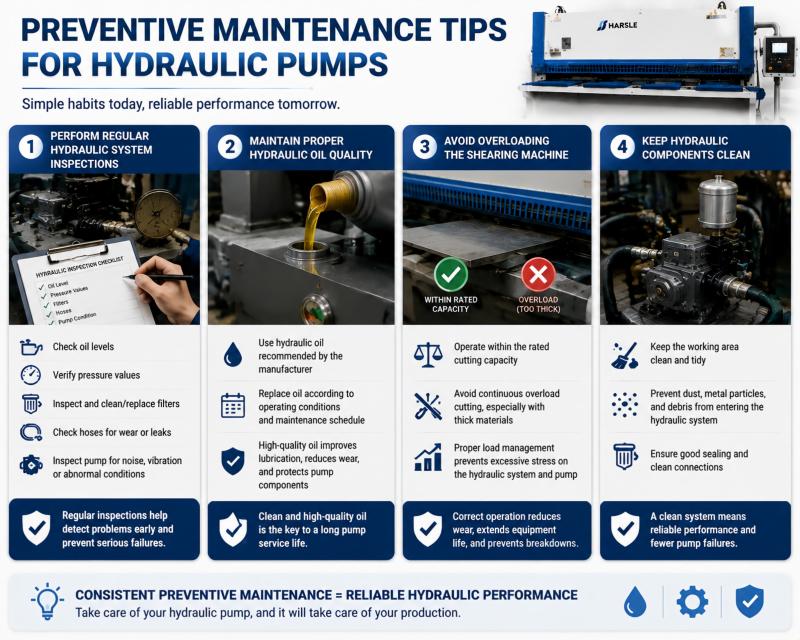
Regularnie przeprowadzaj kontrole układu hydraulicznego
I recommend creating a routine inspection schedule that includes checking oil levels, pressure values, filters, hoses, and pump conditions.
Regular inspections help detect problems before they develop into serious failures.
Utrzymuj odpowiednią jakość oleju hydraulicznego
Use hydraulic oil recommended by the manufacturer and replace it according to operating conditions. High-quality oil improves lubrication, reduces wear, and protects pump components.
Avoid Overloading the Shearing Machine
Operating within the rated cutting capacity prevents unnecessary stress on the hydraulic system. Avoid continuous overload cutting, especially when processing thick materials.
Keep Hydraulic Components Clean
Maintaining a clean working environment reduces contamination risks. Dust and metal particles should be prevented from entering the hydraulic system.
Często zadawane pytania
What are the most common signs of Shearing Machine Hydraulic Pump Failure?
Common signs include reduced cutting force, abnormal noise, unstable pressure, slow blade movement, and excessive hydraulic oil temperature.
How often should I inspect the hydraulic pump on a shearing machine?
Inspection frequency depends on machine usage, but regular checks of oil condition, pressure, and leakage should be performed as part of routine maintenance.
Can dirty hydraulic oil damage a shearing machine pump?
Yes. Contaminated oil accelerates wear on internal pump components and can significantly reduce pump service life.
Wniosek
Shearing Machine Hydraulic Pump Failure can significantly impact production efficiency, cutting performance, and machine reliability. By understanding the common causes, checking hydraulic conditions, monitoring pressure, and performing regular maintenance, operators can prevent many pump-related problems.
A proactive maintenance strategy helps reduce unexpected downtime, extend hydraulic component life, and keep your shearing machine operating at peak performance. For more technical support or professional maintenance advice, feel free to contact our team for assistance.


