


Maszyna do strzyżenia Błędy systemu serwo can significantly affect cutting accuracy, machine stability, and production efficiency if they are not diagnosed and corrected in time. When a servo system fails, operators may experience abnormal positioning, inaccurate cutting, unexpected alarms, or machine downtime. If you are looking for practical methods to troubleshoot and fix servo-related issues in a shearing machine, you’re in the right place. In this article, I’ll explain the common causes of servo system errors and provide step-by-step solutions to help you restore machine performance, improve cutting reliability, and reduce unnecessary production interruptions.
Zrozumienie Maszyna do strzyżenia Błędy systemu serwo
What Is a Servo System in a Shearing Machine?
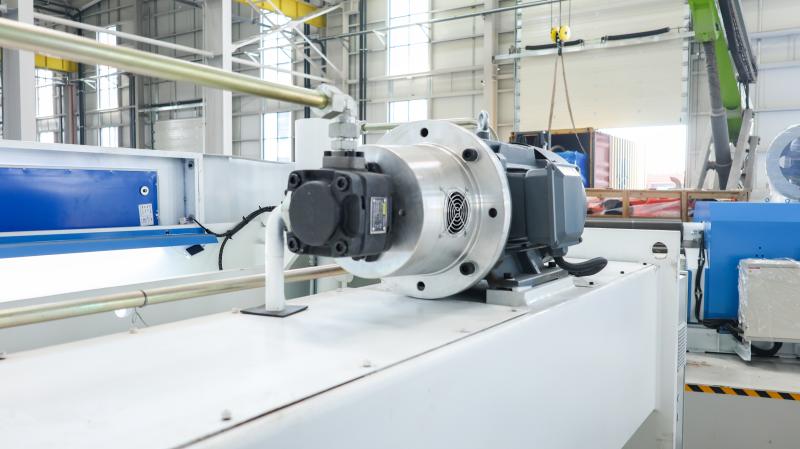
A servo system is a precision control system that manages the movement and positioning of important machine components, such as the backgauge system, feeding mechanism, or other CNC-controlled axes. It consists of servo motors, servo drives, encoders, controllers, and communication connections.
The servo system ensures accurate positioning and repeatable cutting operations. When any component within this system experiences a problem, it can lead to Shearing Machine Servo System Errors that directly affect machining quality.
Common Symptoms of Servo System Failures
Before troubleshooting, I recommend identifying the symptoms carefully. Common servo system problems include:
- Servo motor alarm messages on the CNC controller
- Axis positioning errors
- Abnormal motor noise or vibration
- Inaccurate backgauge movement
- Sudden machine stops during operation
- Slow or unstable axis response
Recognizing these warning signs helps operators locate the source of the problem faster.
Main Causes of Shearing Machine Servo System Errors
Power Supply and Electrical Problems
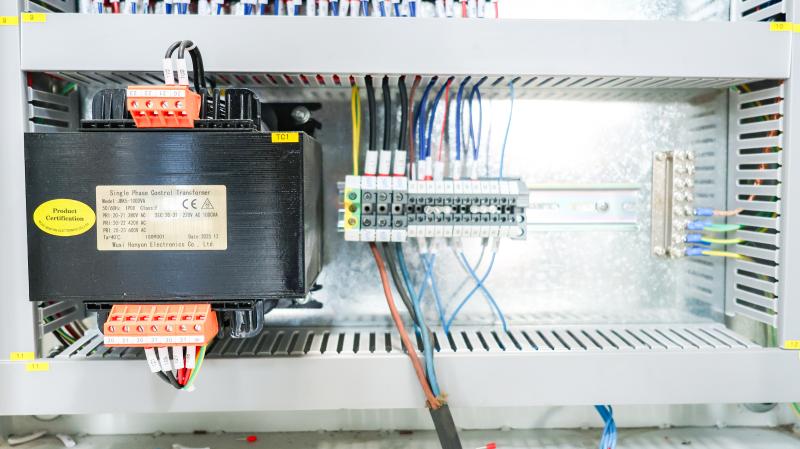
Check Unstable Voltage and Power Connections
One of the most common causes of servo errors is unstable electrical power. Voltage fluctuations, loose wiring, or poor grounding can interrupt communication between the servo drive and CNC controller.
I recommend checking the incoming power supply, terminal connections, and grounding system first. A stable power environment helps prevent repeated servo alarms and improves system reliability.
Inspect Servo Drive Electrical Connections
Loose connectors between the servo drive, motor, and controller may cause signal loss or intermittent errors. Regular inspection of cables and terminals can prevent unexpected failures.
Sprawdź:
- Loose plugs
- Damaged cables
- Burn marks
- Poor contact points
Any damaged electrical component should be repaired or replaced immediately.
Encoder Feedback Issues
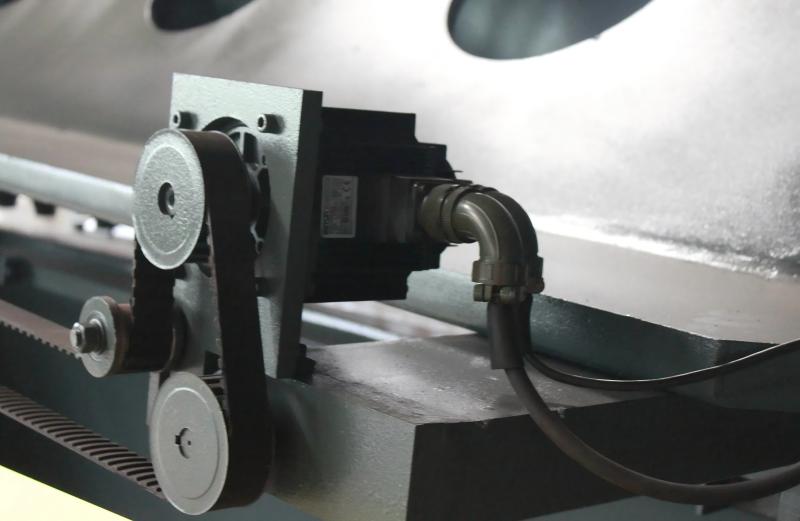
Check Encoder Signals and Connections
The encoder provides real-time position feedback to the servo system. If the encoder signal is incorrect or interrupted, the controller cannot accurately determine the motor position.
Common encoder-related problems include:
- Dirty encoder connectors
- Damaged signal cables
- Incorrect encoder parameters
- Feedback signal interruption
Podczas rozwiązywania problemów Shearing Machine Servo System Errors, verifying encoder performance is an important step.
Recalibrate Servo Position Parameters
Incorrect servo parameters may cause positioning deviations even when hardware components are working properly.
I recommend checking the CNC parameter settings and confirming that servo motor specifications, encoder resolution, and axis settings match the machine configuration.
Mechanical Problems Affecting Servo Performance
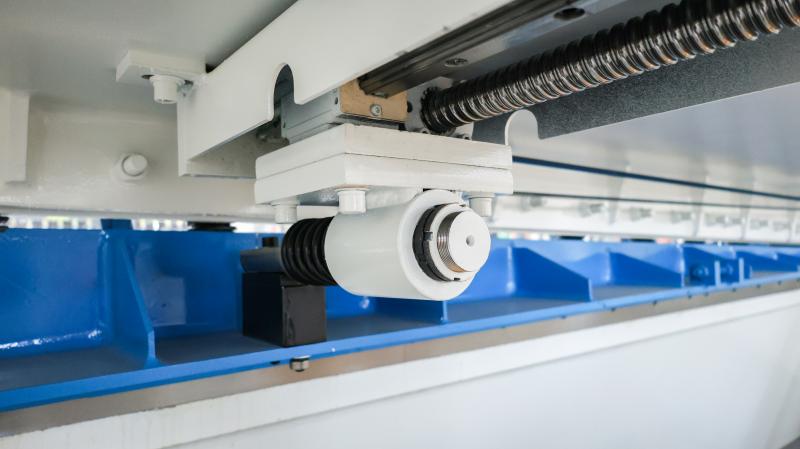
Inspect Axis Movement and Mechanical Resistance
Servo systems rely on smooth mechanical movement. If the driven components experience excessive resistance, the servo motor may generate overload alarms.
Check mechanical components such as:
- Szyny prowadzące
- Śruby kulowe
- Couplings
- Bearings
Lubrication problems, contamination, or mechanical damage can increase load on the servo motor.
Check for Backlash or Loose Components
Loose mechanical connections can reduce positioning accuracy and cause servo following errors.
Inspect:
- Coupling connections
- Mounting bolts
- Transmission components
Tightening loose parts and correcting mechanical alignment can often resolve positioning problems.
Step-by-Step Guide to Fix Shearing Machine Servo System Errors
Step 1: Check the Alarm Code
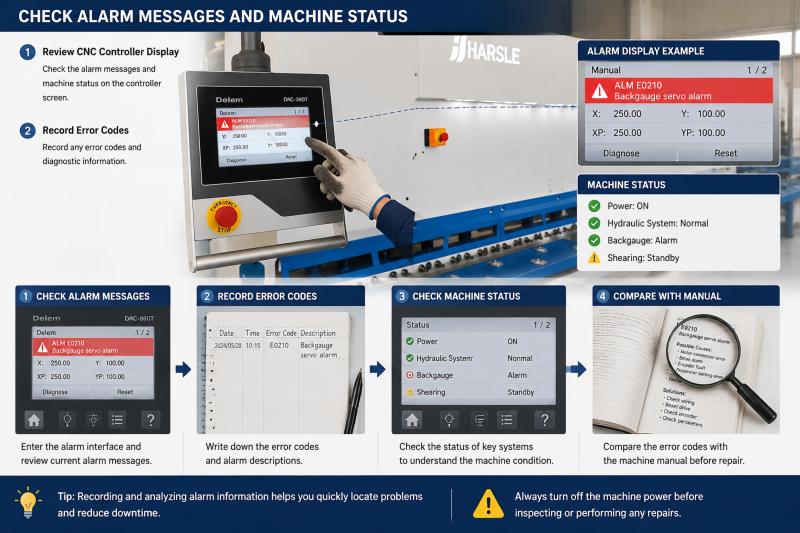
The first step is reviewing the servo alarm displayed on the CNC controller. Different alarm codes indicate different causes, such as overload, communication failure, encoder problems, or excessive deviation.
Record the alarm information before resetting the system to assist with troubleshooting.
Step 2: Inspect Electrical and Communication Systems
Check all cables, connectors, and communication lines between the CNC controller, servo drive, and motor.
Make sure:
- Connections are secure
- Cables are not damaged
- Communication signals are stable
Correcting electrical problems often resolves simple servo faults.
Step 3: Test Servo Motor Operation
Run the axis manually and observe motor behavior. Pay attention to unusual sounds, vibration, or irregular movement.
If the motor cannot move smoothly, inspect the mechanical load and servo parameters.
Step 4: Verify Parameters and Calibration
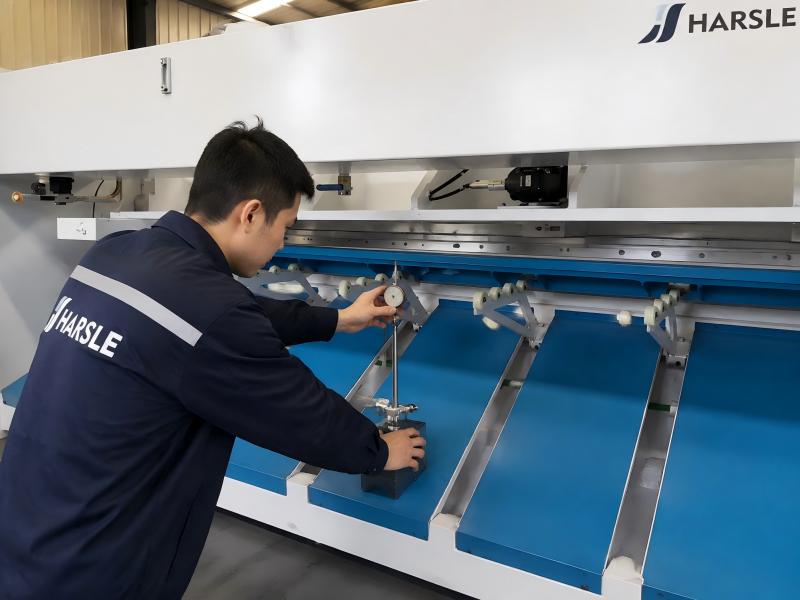
Confirm that servo parameters match the machine requirements. If parameters have been changed accidentally, restore the correct settings.
After adjustment, perform axis calibration to ensure accurate positioning.
Step 5: Perform Test Cutting and Monitor Performance
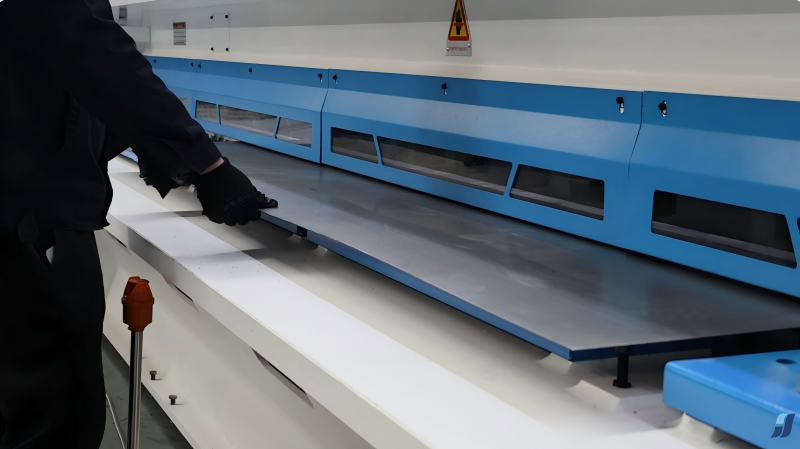
After fixing the issue, conduct a test operation to verify that the servo system works correctly.
Check:
- Dokładność pozycjonowania
- Cutting consistency
- Axis response speed
- Alarm recurrence
Continuous monitoring helps confirm that the problem has been fully resolved.
Preventive Maintenance Tips for Servo Systems
Perform Regular Electrical Inspections
Routine inspection of servo drives, cables, connectors, and control cabinets helps identify potential issues before failures occur.
Keep Servo Components Clean
Dust, oil, and metal particles can affect electrical connections and cooling performance. Keeping the control cabinet clean improves servo system stability.
Monitor Machine Performance Trends
Tracking servo alarms, positioning accuracy, and operating conditions helps identify early warning signs.
A preventive maintenance plan reduces unexpected downtime and extends the service life of servo components.
Często zadawane pytania
What are the most common Shearing Machine Servo System Errors?
Common errors include servo overload alarms, encoder faults, communication failures, positioning errors, and unstable axis movement.
Why does a shearing machine servo motor lose positioning accuracy?
Positioning errors may be caused by encoder problems, incorrect parameters, mechanical backlash, or loose transmission components.
How can I prevent servo system failures in a shearing machine?
Regular electrical inspections, proper lubrication, parameter checks, and performance monitoring can help prevent servo failures.
Wniosek
Ustalenie Shearing Machine Servo System Errors requires a systematic approach that combines electrical inspection, mechanical checking, parameter verification, and performance testing. By identifying the root cause and following proper troubleshooting procedures, operators can quickly restore machine accuracy and reduce production downtime.
Regular maintenance and condition monitoring are essential for keeping servo systems reliable over the long term. For more technical support or professional guidance on shearing machine maintenance, feel free to contact our team for assistance.


