


When operating a shearing machine, maintaining positioning accuracy is essential for achieving consistent cutting results. The Машина для стрижки овец Backgauge Motor plays a critical role in controlling the movement and positioning of the backgauge system, directly affecting cutting precision and production efficiency. If you want to understand how to maintain this important component and prevent unexpected failures, you’re in the right place. In this article, I’ll explain the key maintenance steps, common problems, and practical methods to keep the backgauge motor running smoothly for long-term reliable operation.
Понимание роли Машина для стрижки овец Backgauge Motor
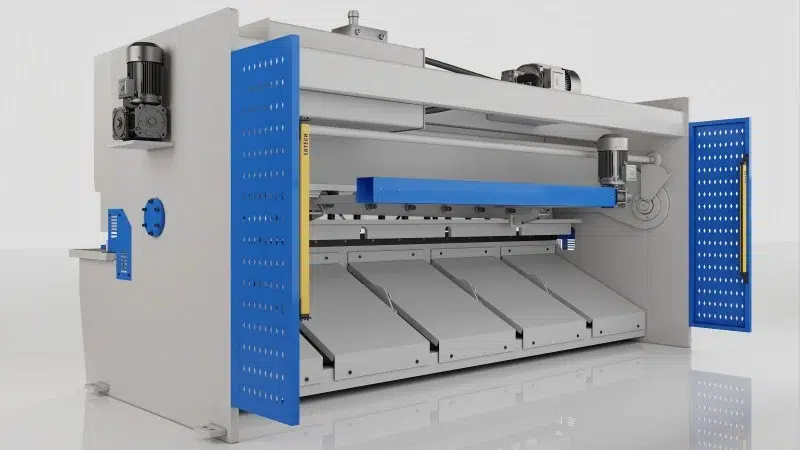
How the Backgauge Motor Works in a Shearing Machine
The backgauge motor controls the forward and backward movement of the positioning system, allowing operators to accurately set the cutting length. It works together with components such as ball screws, guide rails, encoders, and CNC controllers to achieve precise positioning.
A properly maintained Shearing Machine Backgauge Motor ensures stable movement, accurate positioning, and repeatable cutting performance. Any motor problem can cause positioning errors, production delays, or inconsistent cutting dimensions.
Why Backgauge Motor Maintenance Is Important
During daily operation, the backgauge motor is exposed to vibration, dust, metal particles, and continuous movement. Without proper maintenance, internal components may wear faster, causing abnormal noise, positioning deviation, or complete motor failure.
Regular inspection helps identify early problems and reduces downtime caused by unexpected equipment breakdowns.
Step-by-Step Guide to Maintaining Shearing Machine Backgauge Motor
Step 1: Inspect Motor Appearance and Connection Components
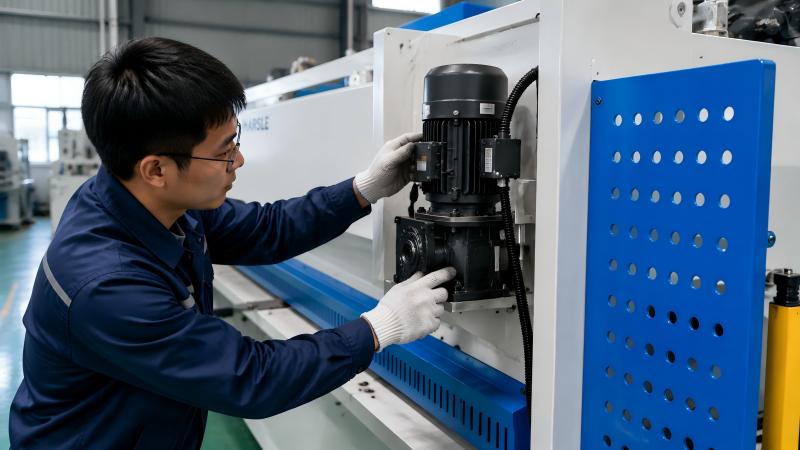
The first step is to check the external condition of the motor. I recommend inspecting the motor housing, mounting bolts, cable connections, and surrounding areas for damage or looseness.
Loose mounting bolts can create excessive vibration, while damaged cables may interrupt signal transmission. Make sure all electrical connections remain secure and free from oil, dust, or moisture.
Step 2: Check Electrical Connections and Power Supply
Stable electrical performance is essential for accurate motor operation. Inspect terminals, connectors, and wiring regularly to ensure there are no signs of overheating, oxidation, or poor contact.
Unstable voltage supply may cause irregular motor movement or alarm signals. If abnormal operation occurs, check both the motor power supply and CNC control system.
Step 3: Clean Dust and Metal Debris Regularly
Shearing machines generate metal scraps and particles during cutting operations. These contaminants can accumulate around the backgauge motor and moving components.
I recommend cleaning the motor area regularly using suitable tools. Keeping the working environment clean prevents contamination from affecting motor performance and extends component lifespan.
Step 4: Inspect Backgauge Mechanical Components
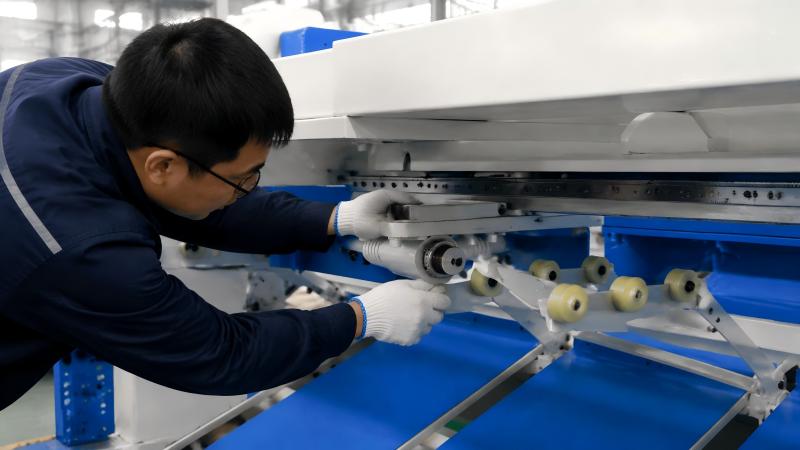
The motor does not operate independently. Its performance depends on the condition of connected mechanical parts, including guide rails, ball screws, and transmission systems.
Check whether the backgauge moves smoothly without abnormal resistance or vibration. Poor lubrication or mechanical blockage can increase motor load and accelerate wear.
Step 5: Lubricate Moving Components Properly
Although the motor itself may not require frequent lubrication, the connected transmission components need regular maintenance.
Apply suitable lubricant to guide rails and ball screws according to the machine manufacturer’s recommendations. Proper lubrication reduces friction and allows the motor to operate with less load.
Step 6: Check Encoder Feedback and Position Accuracy
Many modern shearing machines use servo motors with encoder feedback systems. The encoder provides positioning information to the CNC controller.
If the encoder signal becomes unstable, the backgauge may stop inaccurately or display positioning errors. Regular calibration and inspection help maintain precise cutting length control.
Common Problems of Shearing Machine Backgauge Motor
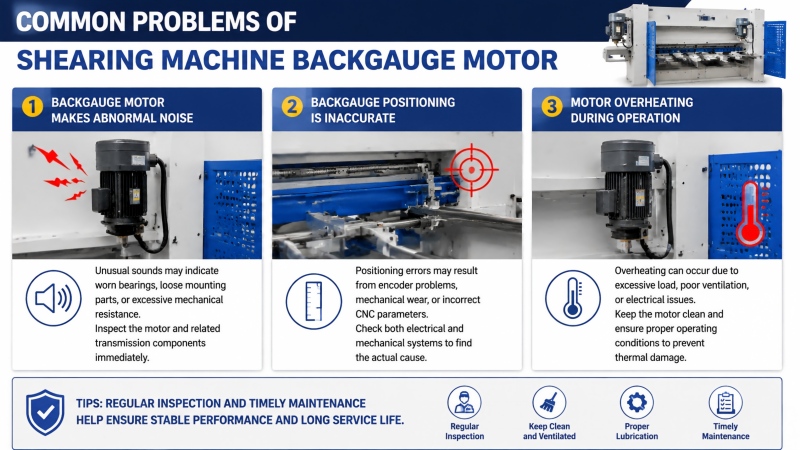
Backgauge Motor Makes Abnormal Noise
Unusual sounds may indicate worn bearings, loose mounting parts, or excessive mechanical resistance. Operators should inspect the motor and related transmission components immediately.
Backgauge Positioning Is Inaccurate
Positioning errors may result from encoder problems, mechanical wear, or incorrect CNC parameters. Checking both electrical and mechanical systems helps identify the actual cause.
Motor Overheating During Operation
Overheating can occur due to excessive load, poor ventilation, or electrical issues. Keeping the motor clean and ensuring proper operating conditions helps prevent thermal damage.
Best Practices for Long-Term Backgauge Motor Stability
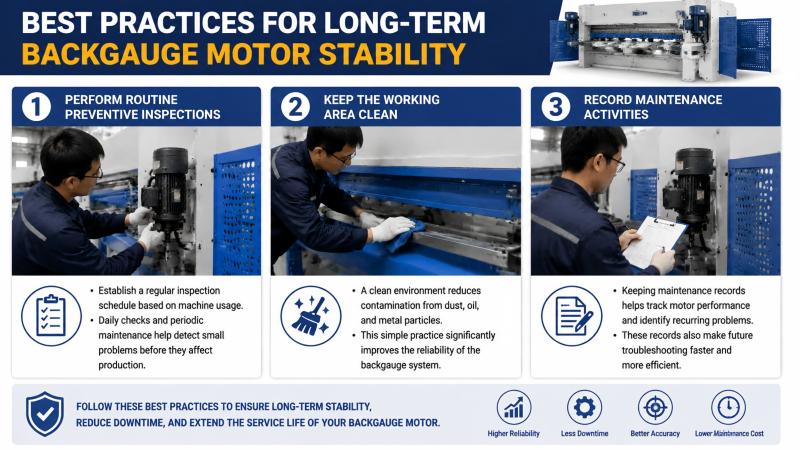
Perform Routine Preventive Inspections
I recommend establishing a regular inspection schedule based on machine usage. Daily checks and periodic maintenance help detect small problems before they affect production.
Keep the Working Area Clean
A clean environment reduces contamination from dust, oil, and metal particles. This simple practice significantly improves the reliability of the backgauge system.
Record Maintenance Activities
Keeping maintenance records helps track motor performance and identify recurring problems. These records also make future troubleshooting faster and more efficient.
Вопросы и ответы
How often should I maintain a Shearing Machine Backgauge Motor?
Maintenance frequency depends on operating conditions, but regular inspections should be performed during daily operation, with detailed checks scheduled periodically.
Why does my shearing machine backgauge lose positioning accuracy?
Positioning errors may be caused by motor wear, encoder problems, loose mechanical components, or incorrect CNC settings.
Can dust affect the backgauge motor performance?
Yes. Dust and metal particles can affect electrical connections and mechanical movement, reducing motor reliability.
What should I check if the backgauge motor stops working?
Check the power supply, wiring connections, motor condition, encoder feedback, and CNC alarm information to identify the cause.
Заключение
Maintaining the Shearing Machine Backgauge Motor is essential for ensuring accurate positioning, stable cutting performance, and long machine service life. By regularly inspecting electrical connections, cleaning components, checking mechanical systems, and monitoring motor performance, operators can prevent unexpected failures and improve production efficiency.
A well-maintained backgauge system helps your shearing machine deliver reliable accuracy throughout long-term operation. For more technical guidance or maintenance support, feel free to contact our team for professional assistance.


