


Facing an overload problem with your punching machine can lead to major disruptions in production schedules and may even result in equipment failure if not addressed promptly. Overloads occur when the machine’s capacity is exceeded, either due to excessive force, misalignment, or improper use. In this guide, we’ll explore how to efficiently tackle these problems, ensuring your machine stays in peak condition and minimizes downtime.
What is an Overload Problem?
An overload problem in a punching machine manifests as the machine unexpectedly halting operations or experiencing a mechanical breakdown. This issue arises when the applied force surpasses what the machine components can withstand, often due to improperly set operational parameters or malfunctioning parts. Overload issues not only threaten to derail your production timeline but also risk irreparable damage to vital machine parts, elevating repair costs and operational risks. Understanding and effectively managing overload problems are crucial to maintaining a seamless production environment and extending the longevity of your equipment.
Step-by-Step Guide: Resolving Overload Problems
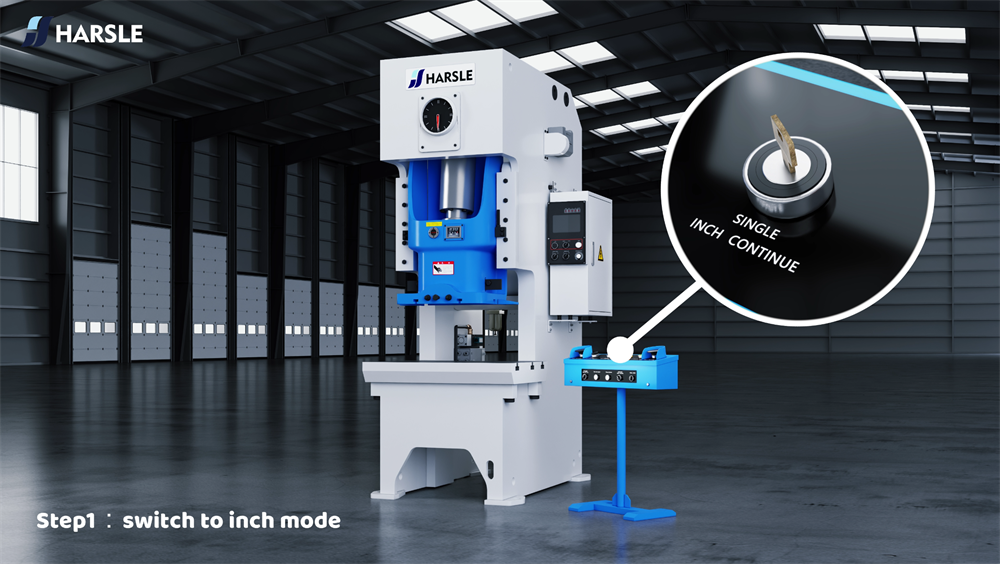
Step 1: Switch to Jog Mode
When you first encounter an overload situation, switching to jog mode is imperative. Jog mode enables operators to move the machine’s components in small, controlled increments. This fine-level control is essential, as it allows you to carefully navigate the equipment’s movements to diagnose which part of the process may have contributed to the overload. It reduces the risk of exacerbating the problem and sets the groundwork for a more detailed assessment.
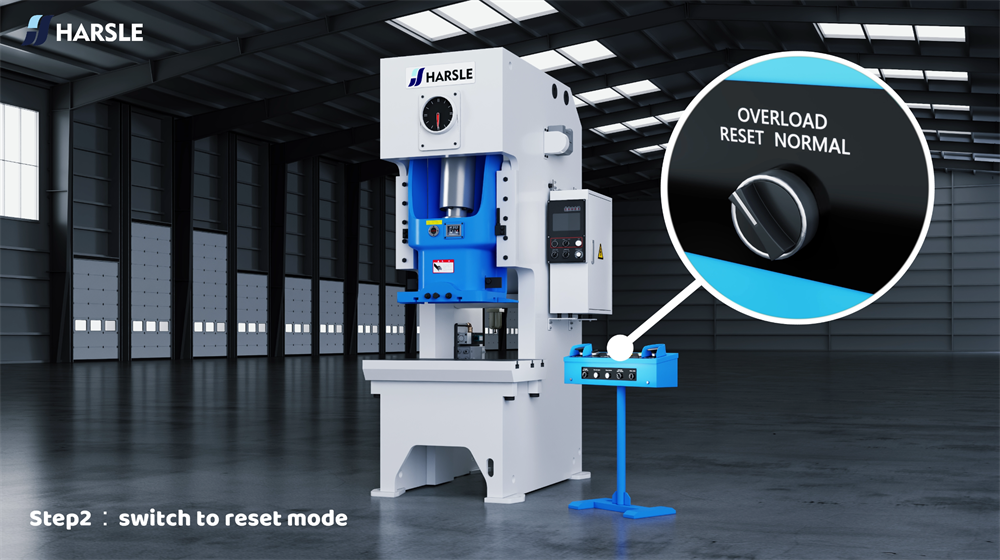
Step 2: Activate Reset Mode
Once in jog mode, transition the machine to reset mode. Reset mode is engineered to return all parts of the machine to their baseline positions. This reset is a critical step because it compensates for any misalignments or errors that may have arisen during the overload incident. Resetting the machine ensures all diagnostics and adjustments are starting from a known, stable point, which is crucial for accurate troubleshooting.
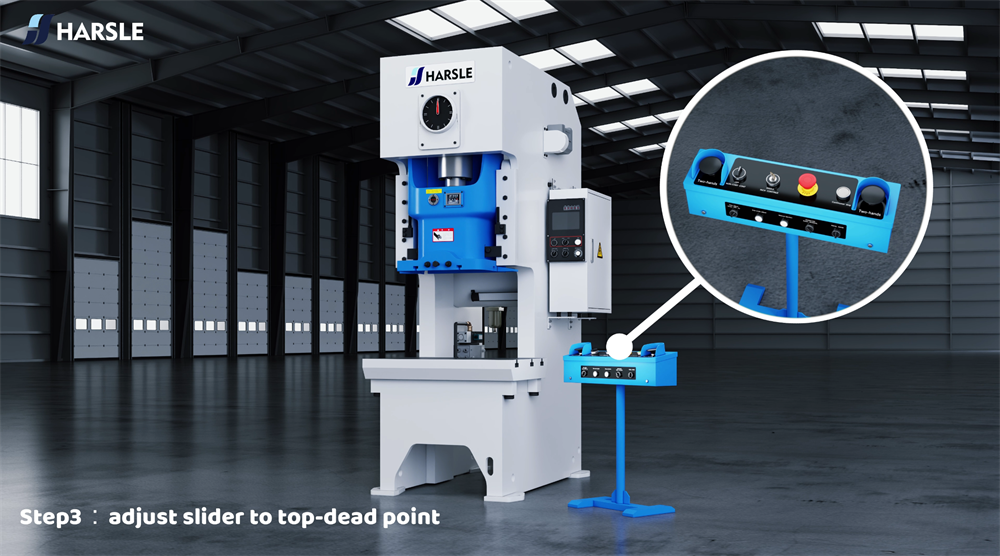
Step 3: Adjust the Slider to TDC
Positioning the slider at the top dead center (TDC) is perhaps one of the most fundamental steps in resolving an overload problem. TDC refers to the point where the slider is fully retracted and is at the highest point of its path. This position ensures maximum clearance and provides a safe margin for carrying out inspections and adjustments. Ensuring that the slider is at TDC helps you avoid accidental engagement of the die, which could complicate the issue further.
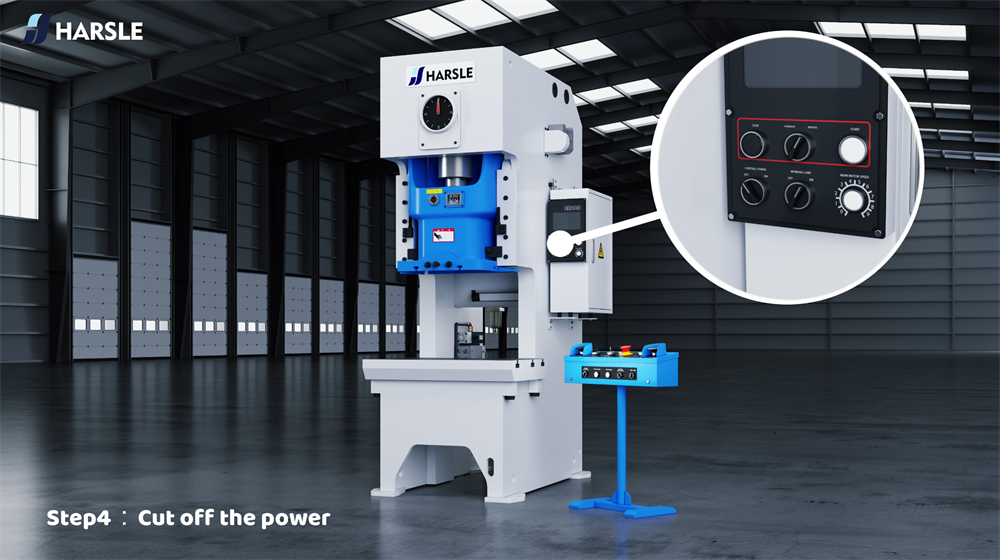
Step 4: Disconnect the Power
Safety is paramount during any equipment troubleshooting process. Disconnecting the power supply to the punching machine is a non-negotiable step. This action removes the risk of the machine starting unexpectedly during maintenance operations, which could pose severe injury risks to personnel and additional damage to the machine. Once the machine is powered down, you can proceed with your diagnostics and repairs with peace of mind.
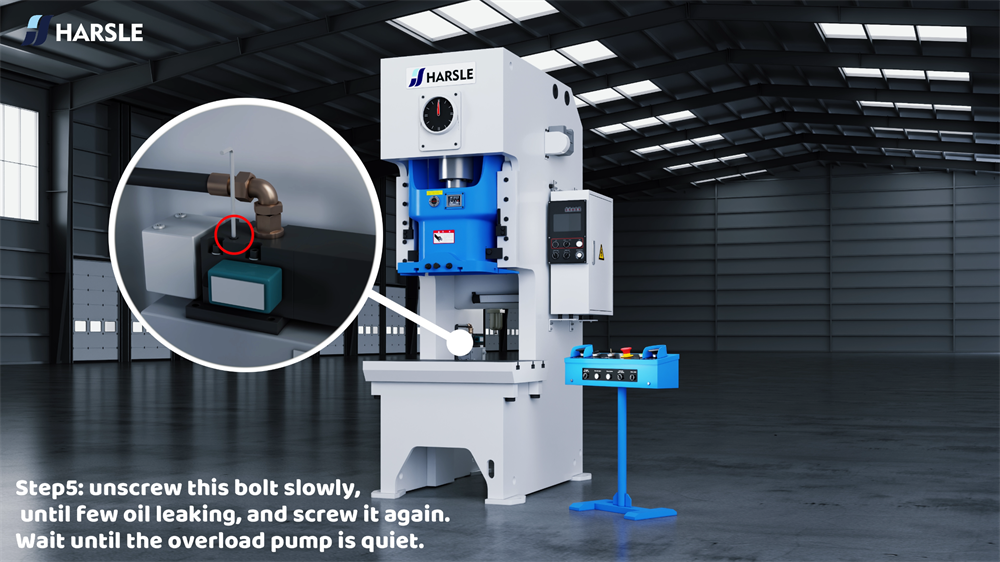
Step 5: Slowly Loosen Bolts
Carefully loosening the bolts is a methodical process designed to relieve internal pressure and reset hydraulic components. Gradually turn each bolt, maintaining an eye for the slight release of oil—a normal occurrence indicating pressure is being discharged. Retighten them once you observe this. This procedure helps normalize internal pressures, which can resolve some of the mechanical locking issues contributing to the overload. Waiting for the noise from the overload pump to dissipate indicates that the pressure has been successfully alleviated.
Step 6: Power Up and Test
Once these corrective measures are in place, reconnect the power supply and conduct a comprehensive test of the machine’s operations. This phase is critical in confirming that the steps taken have resolved the overload problem. Run the machine through various cycles, observing for any irregularities in its function. Persistent issues after these adjustments may signal deeper mechanical problems, necessitating detailed inspection or service from a qualified technician.

Maintenance Tips
To preempt overload problems in punching machines, routine maintenance and regular inspections are indispensable. Implement a maintenance schedule that includes lubrication of moving parts, checking for wear and tear on vital components, and ensuring all operational settings are calibrated to manufacturer specifications. Training operators in the nuances of machine operation can reduce user error and thus, potential overload conditions. Proactive measures not only prevent issues but also enhance the reliability and efficiency of punching operations.
Conclusion
By adhering to this guide, you can effectively address and prevent overload problems in punching machines, ensuring your production processes remain both smooth and cost-effective. Routine maintenance and a proactive stance on equipment care are your best allies in extending the service life of your machines while optimizing productivity outcomes. Remember, addressing potential issues before they scale into significant problems will keep your operations running seamlessly. For further assistance and information, please visit our official website HARSLE.com.unching machine overload problems effectively. For more information or technical support, please visit our official website HARSLE.com.


