


Hydraulic Valve System Maintenance is essential for maintaining stable hydraulic performance in a آلة قص, ensuring accurate cutting and reliable production. The hydraulic valve system controls oil flow, pressure regulation, and blade movement during operation. If hydraulic valves become contaminated, worn, or improperly adjusted, the machine may experience slow response, uneven cutting results, or unexpected downtime. In this article, I’ll explain how to maintain the hydraulic valve system in a shearing machine, including inspection methods, cleaning procedures, and preventive maintenance practices that help extend machine life and improve overall cutting performance.
Understanding the Hydraulic Valve System in آلات القص
The Role of Hydraulic Valves in Shearing Operations
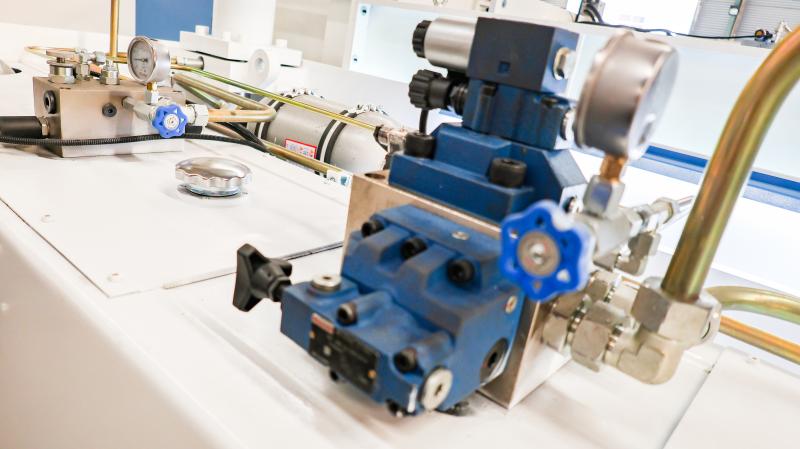
The hydraulic valve system controls the movement of hydraulic cylinders by regulating oil direction, pressure, and flow rate. It ensures that the upper blade moves smoothly and maintains consistent cutting force throughout the operation.
A well-maintained hydraulic valve system allows the shearing machine to achieve accurate cutting angles, stable blade movement, and efficient operation. Poor valve performance, however, can directly affect cutting quality and machine reliability.
Common Hydraulic Valve Components
A typical hydraulic shearing machine includes several important valve components, such as relief valves, directional control valves, proportional valves, and flow control valves. Each component has a specific function and requires regular inspection.
سليم Hydraulic Valve System Maintenance ensures these components continue working correctly under high-pressure operating conditions.
How to Perform Hydraulic Valve System Maintenance Step by Step
Step 1: Inspect Hydraulic Valves for Leakage and Damage
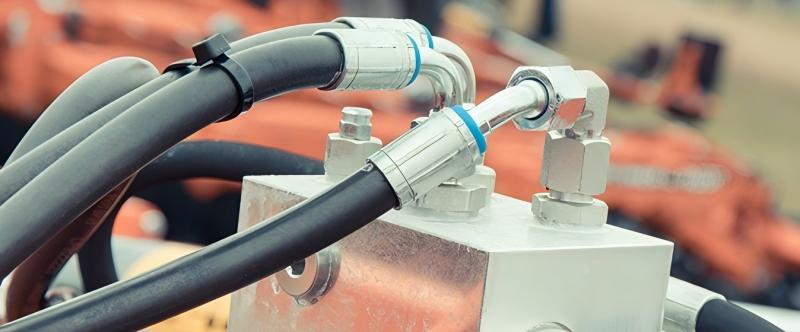
The first step is checking all hydraulic valves for visible oil leakage, cracks, loose connections, or abnormal wear. Hydraulic oil around valve blocks or fittings may indicate seal failure or connection problems.
I recommend inspecting the valve body, fittings, and hydraulic lines regularly. Early detection of leakage prevents pressure loss and avoids more serious hydraulic failures.
Step 2: Check Hydraulic Oil Cleanliness
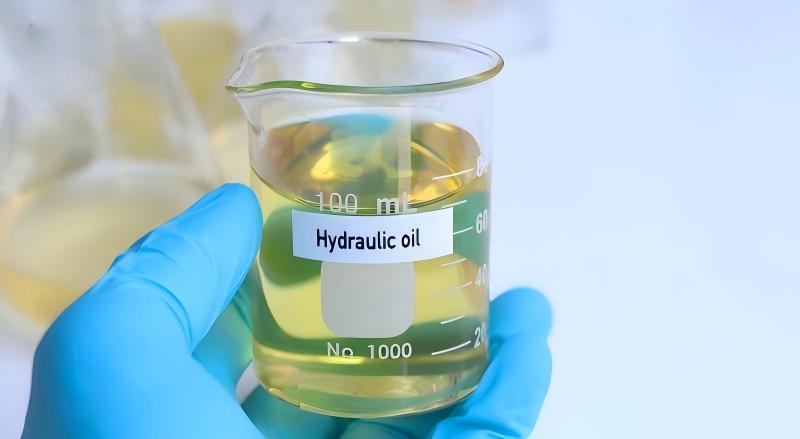
Contaminated hydraulic oil is one of the biggest causes of valve failure. Small particles, dust, or metal debris can enter valve clearances and cause sticking or delayed response.
خلال Hydraulic Valve System Maintenance, I always recommend checking oil condition and replacing filters according to the manufacturer’s maintenance schedule. Clean hydraulic oil helps valves operate smoothly and reduces internal wear.
Step 3: Clean Hydraulic Valve Components
Over time, contaminants can accumulate around hydraulic valve surfaces and affect performance. Cleaning the external valve area prevents dirt from entering the hydraulic system during maintenance.
When internal cleaning is required, it should be performed by trained technicians because incorrect disassembly may damage precision valve components.
Step 4: Check Valve Pressure Settings
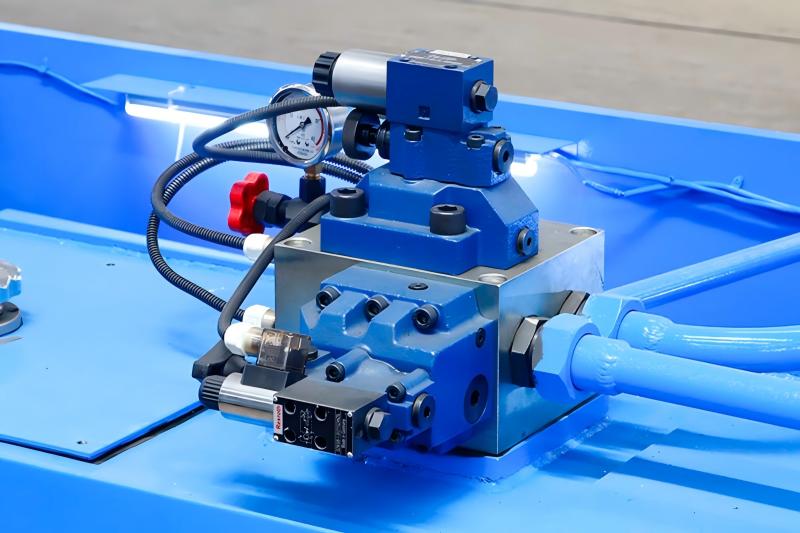
Hydraulic pressure directly affects shearing force and blade movement. Incorrect valve pressure adjustment may cause insufficient cutting force or excessive system load.
Use proper pressure measurement tools to verify that relief valves and control valves are operating within the recommended range. Avoid random adjustments without technical guidance.
Step 5: Inspect Valve Response and Machine Performance
A hydraulic valve problem often appears through machine behavior. Slow blade movement, vibration, uneven cutting speed, or unusual noise may indicate valve issues.
I recommend observing machine operation regularly and recording any changes. Early troubleshooting can prevent unexpected production interruptions.
Common Hydraulic Valve Problems in Shearing Machines
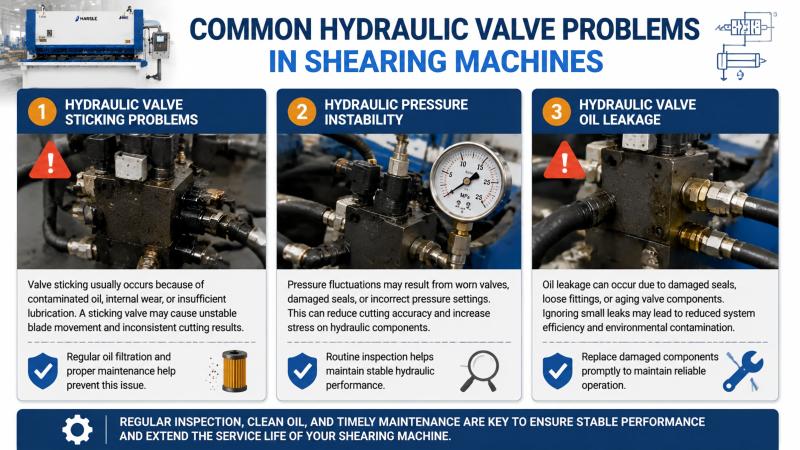
Hydraulic Valve Sticking Problems
Valve sticking usually occurs because of contaminated oil, internal wear, or insufficient lubrication. A sticking valve may cause unstable blade movement and inconsistent cutting results.
Regular oil filtration and proper maintenance help prevent this issue.
عدم استقرار الضغط الهيدروليكي
Pressure fluctuations may result from worn valves, damaged seals, or incorrect pressure settings. This can reduce cutting accuracy and increase stress on hydraulic components.
Routine inspection helps maintain stable hydraulic performance.
Hydraulic Valve Oil Leakage
Oil leakage can occur due to damaged seals, loose fittings, or aging valve components. Ignoring small leaks may lead to reduced system efficiency and environmental contamination.
Replace damaged components promptly to maintain reliable operation.
Best Practices for Long-Term Hydraulic Valve Maintenance
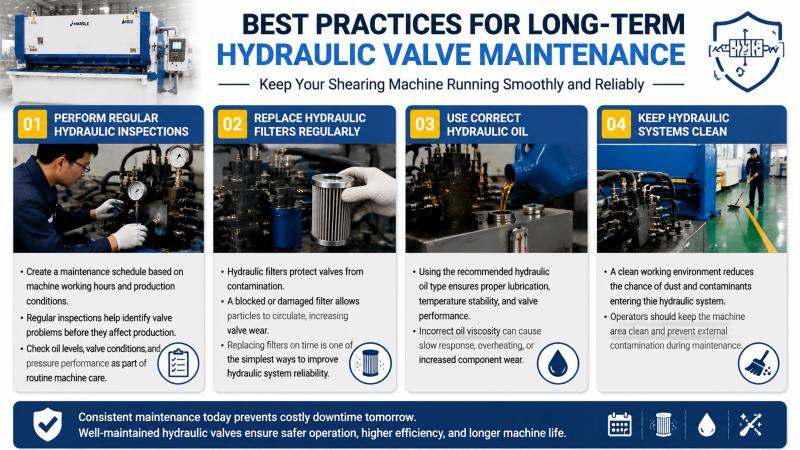
Perform Regular Hydraulic Inspections
I recommend creating a maintenance schedule based on machine working hours and production conditions. Regular inspections help identify valve problems before they affect production.
Checking oil levels, valve conditions, and pressure performance should become part of routine machine care.
Replace Hydraulic Filters Regularly
Hydraulic filters protect valves from contamination. A blocked or damaged filter allows particles to circulate through the system, increasing valve wear.
Replacing filters on time is one of the simplest ways to improve hydraulic system reliability.
Use Correct Hydraulic Oil
Using the recommended hydraulic oil type ensures proper lubrication, temperature stability, and valve performance.
Incorrect oil viscosity can cause slow response, overheating, or increased component wear.
Keep Hydraulic Systems Clean
A clean working environment reduces the chance of dust and contaminants entering the hydraulic system. Operators should keep the machine area clean and prevent external contamination during maintenance.
الأسئلة الشائعة
How often should I perform Hydraulic Valve System Maintenance on a shearing machine?
Regular inspections should be performed according to machine usage. Daily checks and periodic detailed maintenance help prevent unexpected failures.
What causes hydraulic valves to fail in shearing machines?
Common causes include contaminated oil, improper pressure settings, worn seals, and insufficient maintenance.
How can I tell if a hydraulic valve is damaged?
Slow blade movement, unstable pressure, oil leakage, and abnormal machine noise are common warning signs of hydraulic valve problems.
Can dirty hydraulic oil damage valve components?
Yes. Contaminated oil can cause valve sticking, internal wear, and reduced hydraulic system efficiency.
خاتمة
سليم Hydraulic Valve System Maintenance is essential for keeping a shearing machine operating safely, accurately, and efficiently. Regular inspection, clean hydraulic oil, correct pressure adjustment, and timely component replacement can significantly reduce downtime and extend machine service life.
By following these maintenance practices, operators can improve cutting performance and prevent costly hydraulic failures. For more technical guidance or professional support for your shearing machine, feel free to contact our team.


