


آلة القص Lubrication Oil is essential for maintaining stable performance, reducing component wear, and extending the service life of a shearing machine. When selecting the correct lubricant, I always consider factors such as machine type, operating conditions, and component requirements. The right lubrication oil helps minimize friction, maintain smooth operation of mechanical and hydraulic systems, and improve cutting accuracy. If you are unsure which type of lubricant is suitable for your machine, you are in the right place. In this article, I’ll explain how to choose the proper lubrication oil, what factors should be evaluated, and how effective lubrication practices can improve equipment reliability and production efficiency.
فهم أهمية آلة القص Lubrication Oil
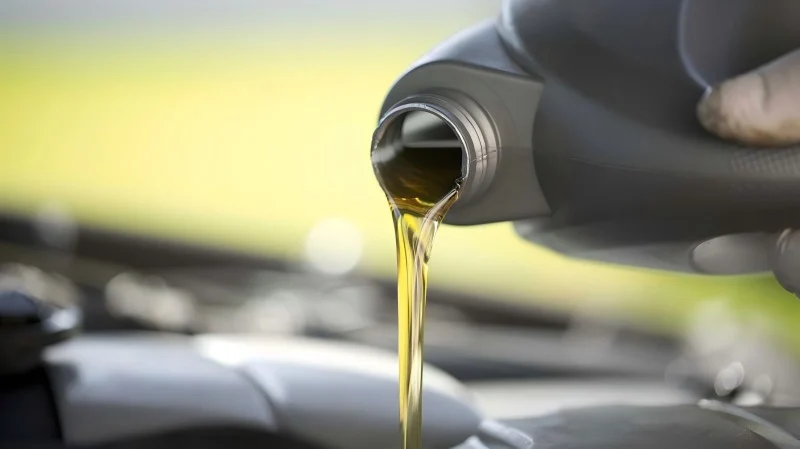
Why Lubrication Is Essential for Shearing Machines
A shearing machine operates under high mechanical loads during cutting processes. Continuous movement between components such as bearings, guide rails, gears, and sliding surfaces creates friction and heat. Without proper lubrication, these parts can experience accelerated wear, reduced accuracy, and unexpected downtime.
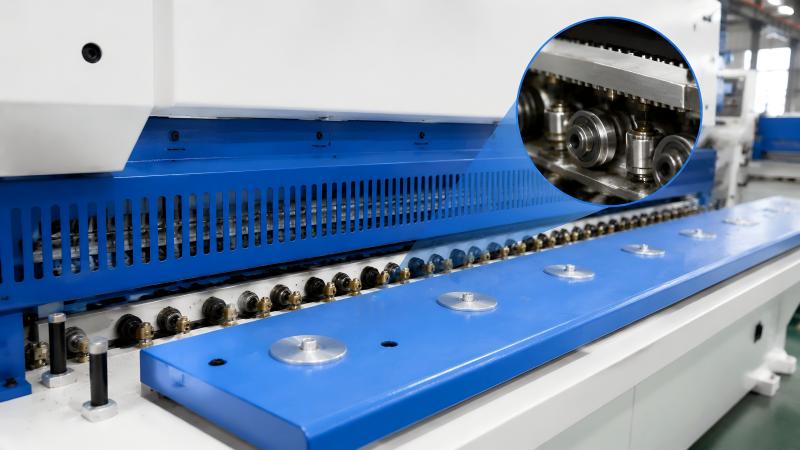
Using the correct Shearing Machine Lubrication Oil helps create a protective film between moving components, minimizing friction and preventing metal-to-metal contact. This improves machine stability and extends the service life of critical parts.
Effects of Poor Lubrication on Machine Performance
Incorrect lubricant selection or insufficient lubrication can cause several problems, including abnormal noise, increased vibration, overheating, and component damage. In hydraulic shearing machines, unsuitable oil may also affect pressure stability and valve performance.
Regular lubrication is not only a maintenance task but also an important method to maintain consistent cutting quality and production efficiency.
Factors to Consider When Selecting Shearing Machine Lubrication Oil
Check the Machine Manufacturer Recommendations
The first step I recommend is reviewing the manufacturer’s lubrication requirements. Different shearing machines have different designs, operating pressures, and component materials, which means they may require specific oil grades.
Following the recommended specifications ensures compatibility with seals, hydraulic systems, and moving components.
Consider Operating Conditions and Workload
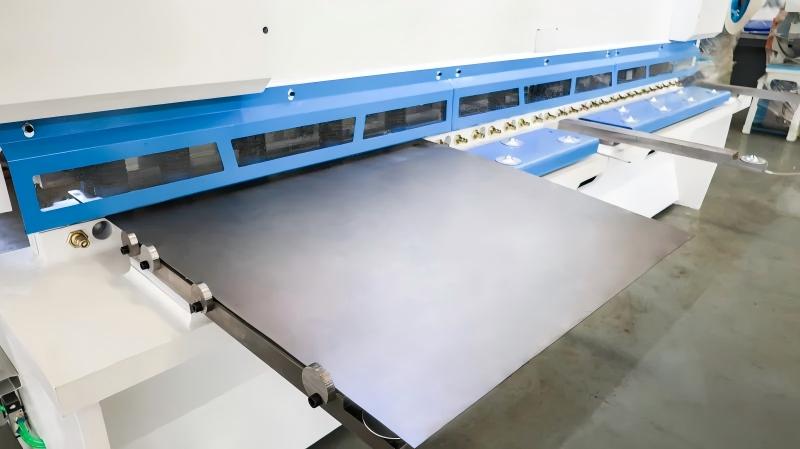
The working environment has a direct impact on lubricant selection. Machines operating under heavy-duty cutting conditions require oils with better wear resistance and thermal stability.
For example, high-frequency production environments may require lubricants that maintain viscosity under continuous operation. In contrast, machines used occasionally may have different lubrication requirements.
Select the Correct Oil Viscosity
Viscosity is one of the most important characteristics of lubrication oil. Oil that is too thin may fail to provide sufficient protection, while oil that is too thick can increase resistance and reduce machine efficiency.
The correct viscosity allows the lubricant to flow properly while maintaining a strong protective layer between moving surfaces.
Evaluate Temperature Resistance
During long cutting operations, machine components generate heat. High-quality Shearing Machine Lubrication Oil should maintain stable performance under temperature changes.
Oil with poor thermal stability can oxidize quickly, resulting in reduced lubrication performance and increased maintenance frequency.
Step-by-Step Guide to Choosing the Right Lubrication Oil
Step 1: Identify Lubrication Points
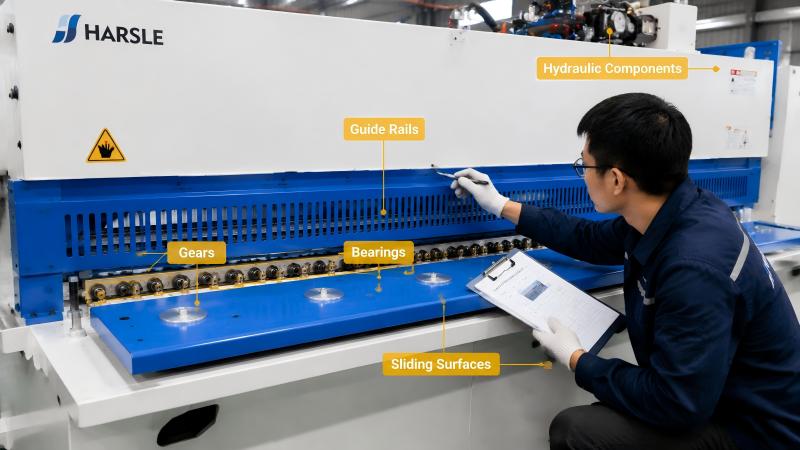
Before selecting oil, I always recommend identifying all lubrication points on the shearing machine. These may include guide rails, bearings, gears, sliding surfaces, and hydraulic components.
Different parts may require different lubrication methods, so understanding the lubrication system is essential.
Step 2: Check Existing Oil Condition
Inspect the current lubricant before replacement. Check for contamination, discoloration, unusual odor, or metal particles.
Dirty or degraded oil should be replaced immediately because it can accelerate component wear and reduce machine performance.
Step 3: Choose Suitable Oil Type and Grade
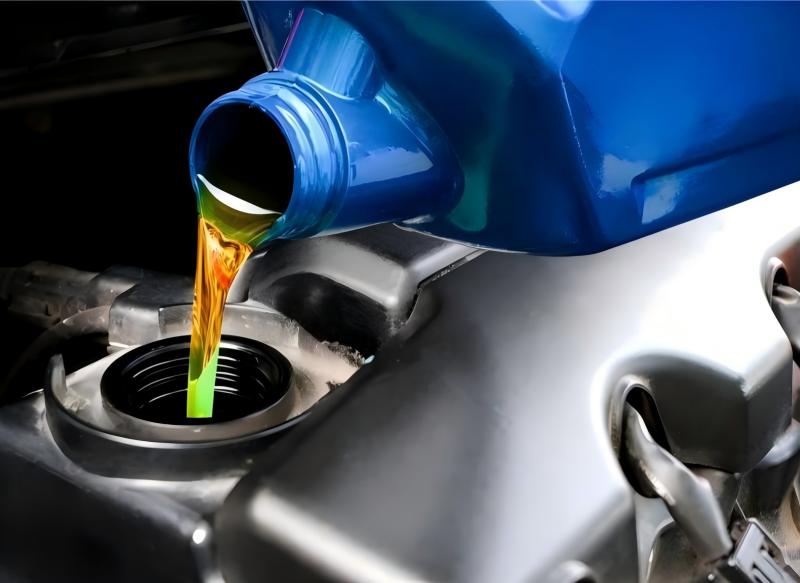
Select lubrication oil based on machine requirements, operating conditions, and component specifications. Avoid using general-purpose oils that are not designed for industrial machinery.
High-quality industrial lubricants usually provide better oxidation resistance, anti-wear protection, and longer service intervals.
Step 4: Establish a Regular Lubrication Schedule
Even the best lubricant cannot protect a machine without proper maintenance. Create a regular lubrication schedule based on operating hours and production intensity.
Routine oil checks help identify potential problems before they lead to equipment failure.
Common Mistakes in Shearing Machine Lubrication
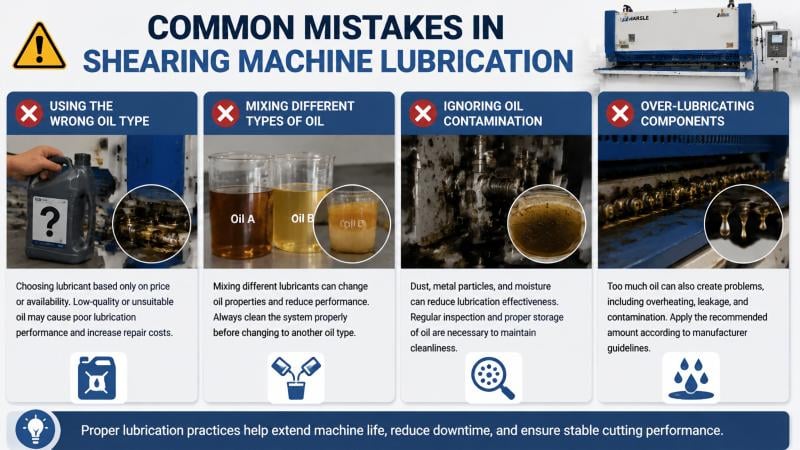
Using the Wrong Oil Type
One common mistake is choosing lubricant based only on price or availability. Low-quality or unsuitable oil may cause poor lubrication performance and increase repair costs.
Mixing Different Types of Oil
Mixing different lubricants can change oil properties and reduce performance. Always clean the system properly before changing to another oil type.
Ignoring Oil Contamination
Dust, metal particles, and moisture can reduce lubrication effectiveness. Regular inspection and proper storage of oil are necessary to maintain cleanliness.
Over-Lubricating Components
Too much oil can also create problems, including overheating, leakage, and contamination. Apply the recommended amount according to manufacturer guidelines.
Best Practices for Maintaining Shearing Machine Lubrication
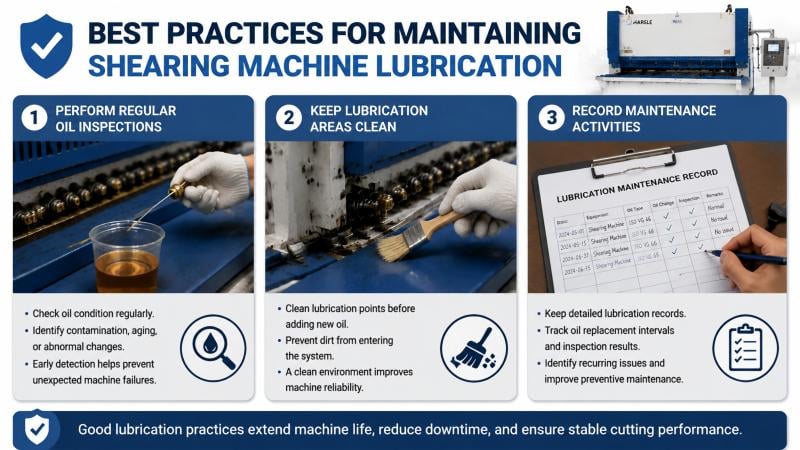
Perform Regular Oil Inspections
I recommend checking oil condition regularly to identify contamination, aging, or abnormal changes. Early detection helps prevent unexpected machine failures.
Keep Lubrication Areas Clean
Before adding new oil, clean lubrication points to prevent dirt from entering the system. A clean lubrication environment improves overall machine reliability.
Record Maintenance Activities
Keeping detailed lubrication records helps track oil replacement intervals and identify recurring issues. This makes preventive maintenance more effective.
الأسئلة الشائعة
What type of oil should I use for a shearing machine?
The correct oil depends on the machine type, manufacturer specifications, and operating conditions. Always select industrial-grade lubricant recommended for your equipment.
How often should I replace Shearing Machine Lubrication Oil?
Replacement intervals vary depending on machine usage and working conditions. Regular inspection is the best way to determine when oil replacement is needed.
Can hydraulic oil be used as lubrication oil for all shearing machine parts?
No. Hydraulic oil and mechanical lubrication oil serve different purposes. Always use the correct lubricant for each component.
What happens if I use incorrect lubrication oil?
Incorrect oil may increase friction, cause overheating, reduce accuracy, and shorten the service life of machine components.
خاتمة
اختيار الصحيح Shearing Machine Lubrication Oil is essential for maintaining machine performance, reducing wear, and extending equipment lifespan. By considering manufacturer recommendations, operating conditions, oil viscosity, and maintenance requirements, you can ensure reliable and efficient shearing operations.
Proper lubrication management not only reduces downtime but also helps maintain consistent cutting quality. For more technical support or advice on shearing machine maintenance, feel free to contact our team for professional assistance.


