


Industry Solutions · Elevator Doors & Cabins
Sheet Metal Machines for Elevator Door & Cabin Panel Manufacturing
Long, flat and flawless — machines for stainless steel landing doors, car doors and cabin wall panels.
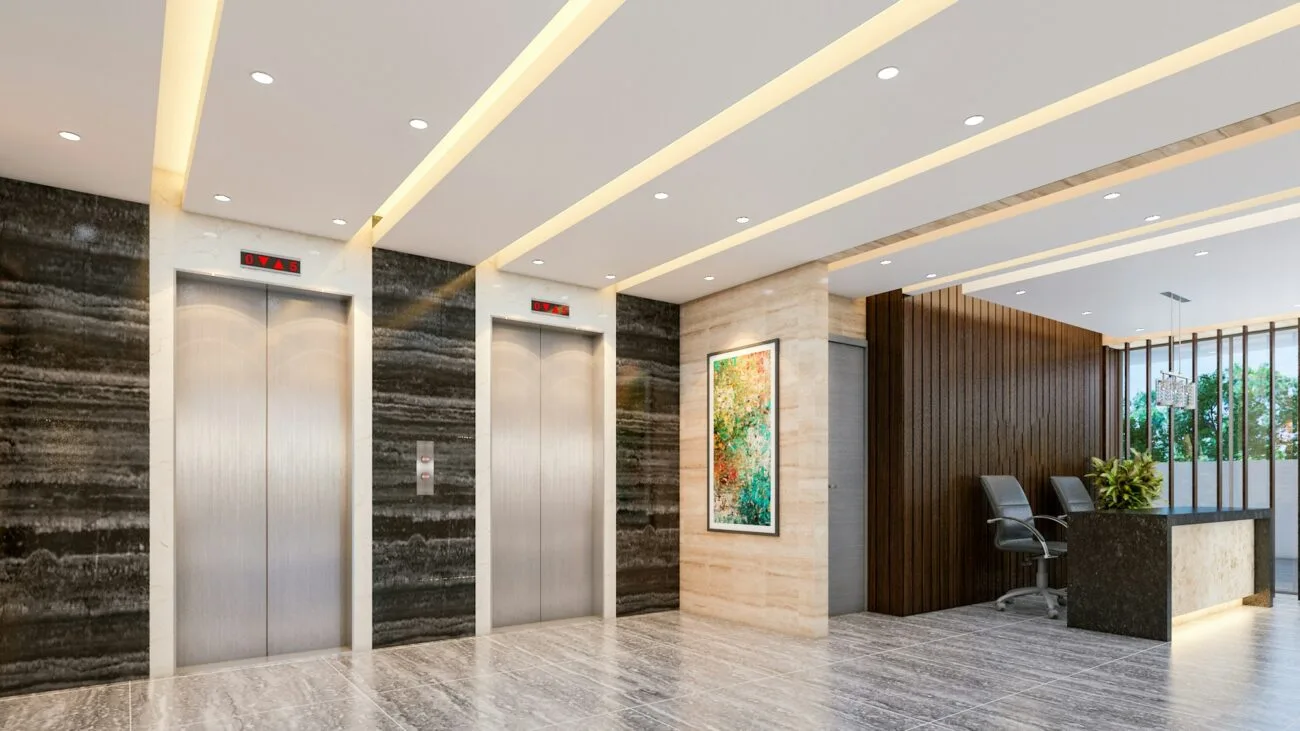
Elevator Manufacturing Basics
How Elevator Doors & Cabins Are Made
Elevator doors and cabin panels are long stainless steel or coated steel panels (typically 1.0–1.5 mm, 2–3 m long) with decorative surfaces. They are cut by shear or fiber laser, V-grooved where a sharp edge is required, folded on a panel bender or long CNC press brake, then laser welded and finished without marking the visible face.
Surface protection drives the whole process: hairline and mirror stainless must not be scratched or dented, flanges must be parallel over the full length, and the stiffening ribs on the back are welded with minimal heat marks.
Typische Teile und Materialien
- Landing doorsLong panels with return flanges and stiffenersStainless steel / coated steel 1.0–1.5 mm
- Car doorsSharp-edged, decorative visible faceHairline or mirror stainless 1.0–1.5 mm
- Cabin wall panelsLarge flat panels, tight flatnessStainless steel 1.0–1.5 mm
- Door frames & jambsLong multi-bend profilesStainless / galvanized steel 1.2–2.0 mm
- Ceilings & kick platesPerforated or embossed panelsStainless / aluminum 0.8–1.5 mm
Herstellungsprozess
Vom Blech zum fertigen Teil
Wählen Sie eine Phase aus, um zu sehen, was passiert und welche HARSLE-Maschinen die Arbeit erledigen.
Schritt 1Aufzugstüren und -kabinen
Schneiden und Stanzen
Shears and fiber lasers cut long blanks; V-grooving machines cut a groove on the bend line so stainless edges stay sharp and decorative.
Schermaschine
43 Modelle im HARSLE-Sortiment.
Laserschneidmaschine
60 Modelle im HARSLE-Sortiment.
V-Nutmaschine
12 models in the HARSLE range.
Ausklinkmaschine
15 models in the HARSLE range.
Schritt 2Aufzugstüren und -kabinen
Biegen & Formen
Panel benders fold long doors without lifting the sheet; long-bed or tandem CNC press brakes form frames and jambs.
Blechbieger
26 models in the HARSLE range.
Abkantpresse
200 Modelle im HARSLE-Sortiment.
Schritt 3Aufzugstüren und -kabinen
Schweißen & Oberflächenbearbeitung
Laser welding fixes stiffeners and corners with minimal heat tint; deburring and polishing protect the visible surface.
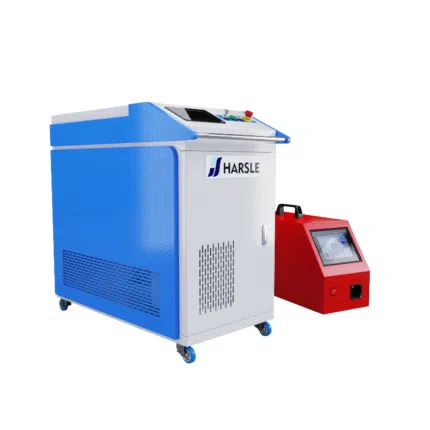
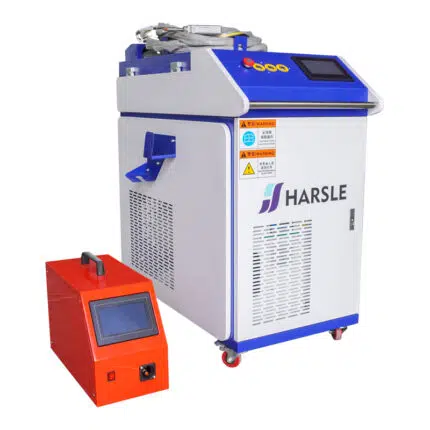
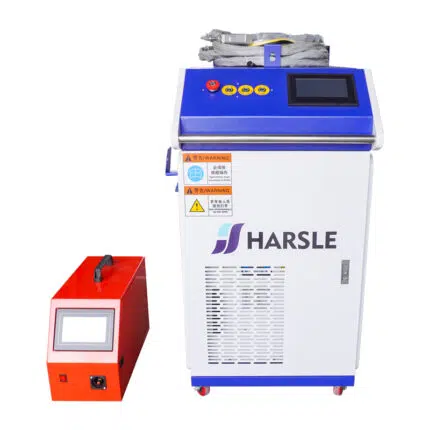
Laserschweißgerät
21 Modelle im HARSLE-Sortiment.
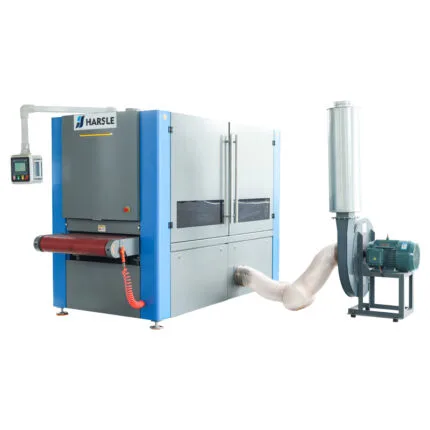
Entgratungsmaschine
30 Modelle im HARSLE-Sortiment.
Schritt 4Aufzugstüren und -kabinen
Automatisierung & Werkzeuge
Panel flippers and tooling with protective films reduce handling marks on decorative sheets.
Paneelwender
9 models in the HARSLE range.
Werkzeugbau
22 Modelle im HARSLE-Sortiment.
Empfohlene Maschinen
Machines for Elevator Doors & Cabins
Live from the HARSLE product range — models suited to elevator manufacturing are listed first.
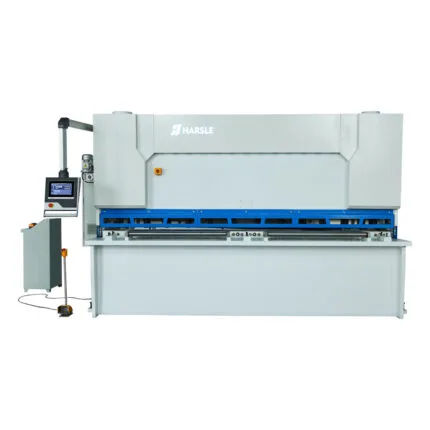
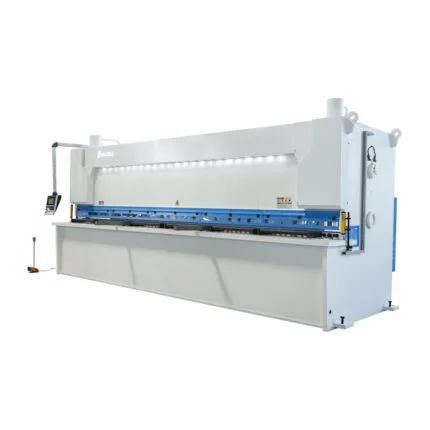
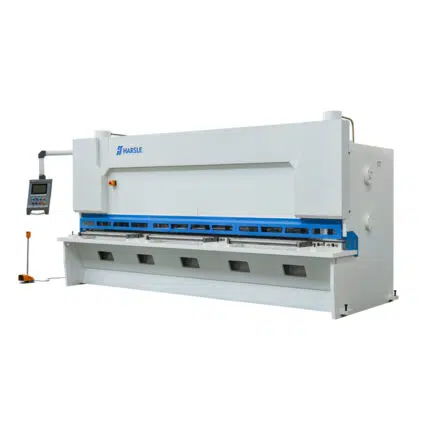
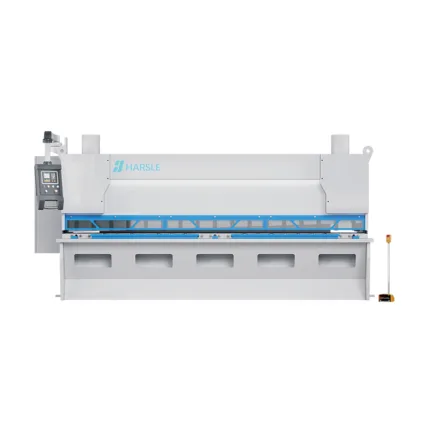
 PrimeShear 1232 DAC360T Guillotine-SchermaschinePrimeShear 1232 DAC360T is a high-performance CNC guillotine shearing machine designed for accurate and efficient sheet metal cutting.…Details anzeigen
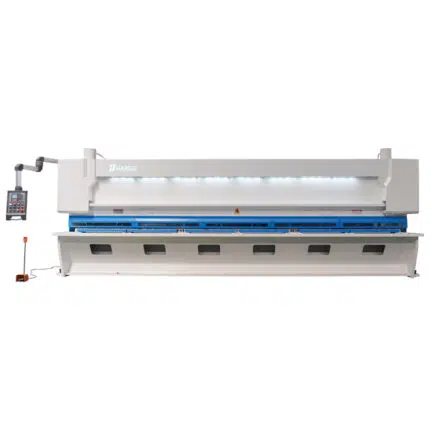
- PrimeShear 1260 Guillotine-Schere mit hoher PräzisionDie PrimeShear 1260 Guillotine-Schere ist für hochpräzises und effizientes Blechschneiden konzipiert. Entwickelt für den industriellen Einsatz…Details anzeigen
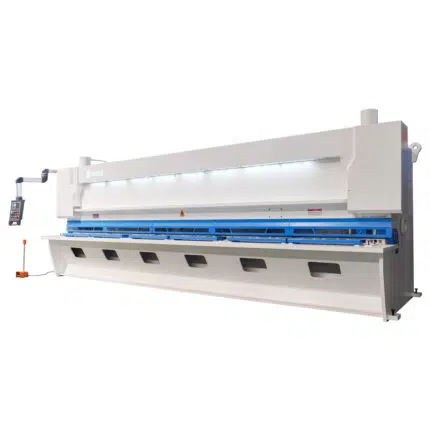
- HARSLE PrimeShear 1240 mit DAC360-SteuerungThe PrimeShear 1240 with DAC360 system from HARSLE is a high-performance guillotine shearing machine designed for precision metal…Details anzeigen
- Hydraulische Schermaschine PrimeShear 0632 mit VerdrehsicherungThe PrimeShear 0632 is a high-performance hydraulic shearing machine designed for precise and stable sheet metal cutting. Equipped…Details anzeigen
- Hochpräzisions-Schermaschine für die AutomobilindustrieEine Schermaschine für die Automobilindustrie ist für das hochpräzise Schneiden von Stahl-, Aluminium- und Legierungsblechen konzipiert…Details anzeigen
- Dickblechschere für die Schwerlast-MetallbearbeitungThe thick plate shearing machine is designed for high-strength and large-thickness metal sheet cutting in heavy industrial applications.…Details anzeigen
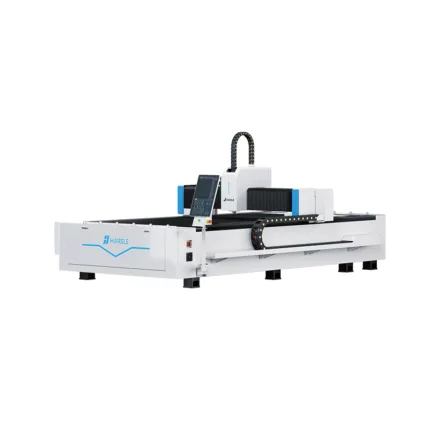
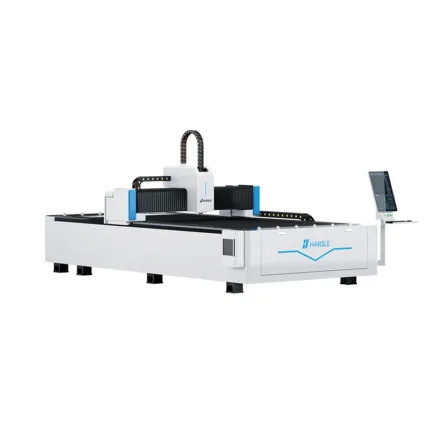
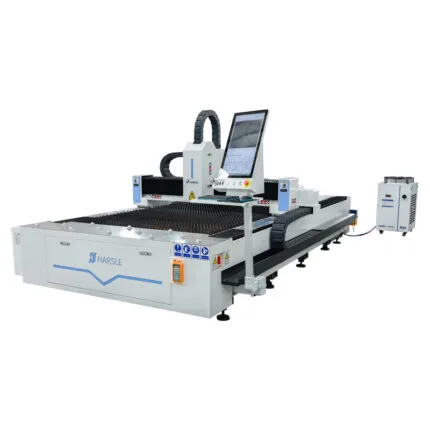
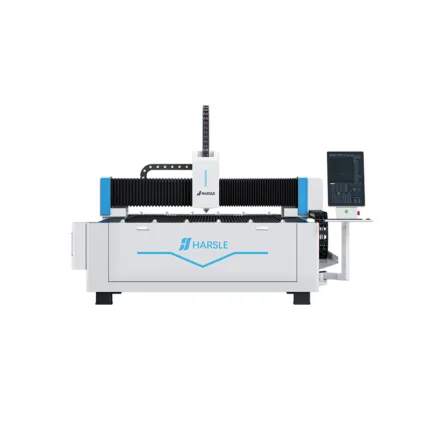
- Hochpräzise 20-kW-Laserschneidmaschine für die IndustrieDie 20-kW-Laserschneidmaschine ermöglicht hochpräzises Schneiden verschiedener Metalle, darunter Stahl, Aluminium und Edelstahl.Details anzeigen
- 4-kW-Laserschneidmaschine für die MetallbearbeitungThe 4kW Laser Cutting Machine is designed for high-speed, high-precision metal processing. Equipped with advanced fiber laser technology,…Details anzeigen
- Hochpräzise Laserschneidmaschine für dünne BlecheDiese Laserschneidmaschine für dünne Bleche liefert präzise, schnelle und saubere Schnitte für eine Vielzahl von Metallen…Details anzeigen
- 12-kW-Faserlaserschneidmaschine für MetallThe 12kW Fiber Laser Cutting Machine is designed for high-speed, high-precision metal processing. Equipped with advanced fiber laser…Details anzeigen
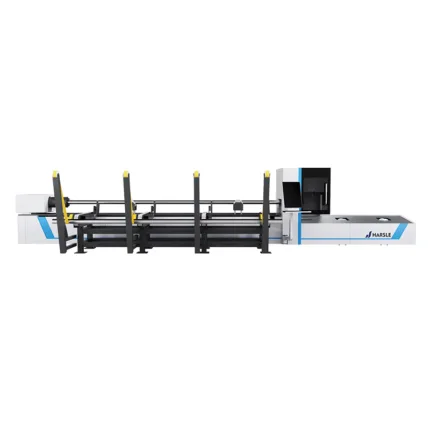
- 3-kW-Laserschneidmaschine für MetallrohreThe 3kW Laser Tube Cutting Machine is designed for high-speed and high-precision cutting of metal tubes and pipes.…Details anzeigen
- Laserschneidmaschine für die EdelstahlbearbeitungHARSLE laser cutting machine for stainless steel is designed for high-speed, high-precision metal processing. It delivers clean cutting…Details anzeigen
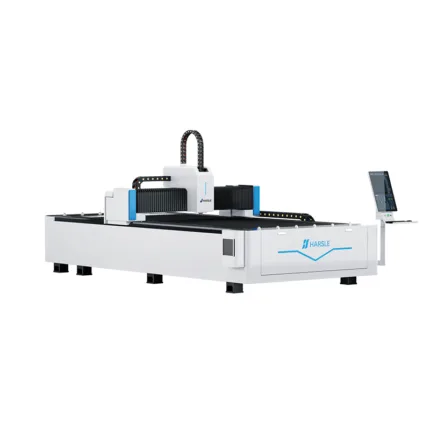
- Hochpräzise Metallnutmaschine für die BlechbearbeitungThe HARSLE Metal Grooving Machine is designed for high-precision V-grooving on stainless steel, aluminum, and other sheet materials.…Details anzeigen
- EcoGroove 4012 Horizontal-Nutmaschine für PräzisionThe EcoGroove 4012 Horizontal Grooving Machine is designed for precise and efficient sheet metal grooving. With a processing…Details anzeigen
- Führende Lieferanten von V-Nutmaschinen für PräzisionsschnitteFind top V Grooving Machine Suppliers offering high-quality, precise cutting solutions for sheet metal fabrication. Our V grooving…Details anzeigen
- Finden Sie heute den besten Preis für eine V-Nutfräsmaschine!V Groove Cutter Machine Price is crucial for businesses looking to optimize metal cutting. HARSLE offers high-precision, cost-effective…Details anzeigen
- Hocheffiziente vertikale V-Nutmaschine mit hohem KostenaufwandThe high cost efficient vertical V grooving machine is designed for precision V-grooving in sheet metal fabrication. It…Details anzeigen
- Hocheffiziente V-Nutmaschine für BlecheThe V Grooving Machine for Sheet Metal is designed for high precision grooving and bending, offering clean, accurate…Details anzeigen
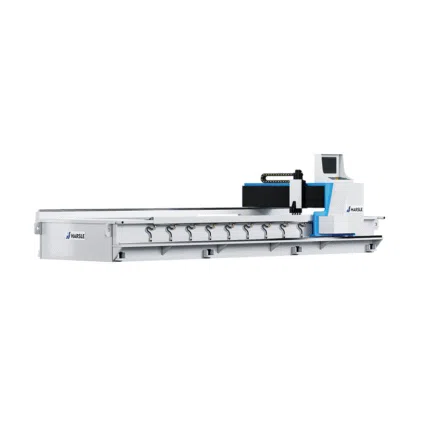
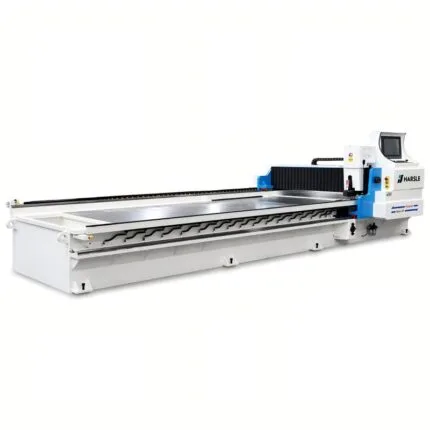
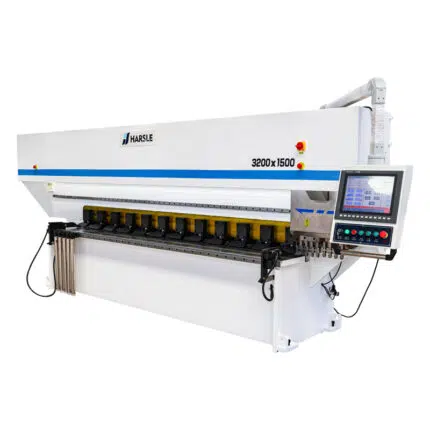
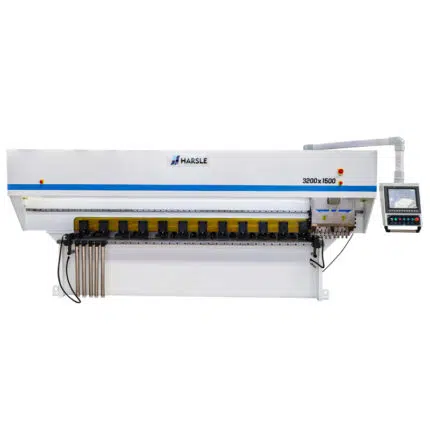
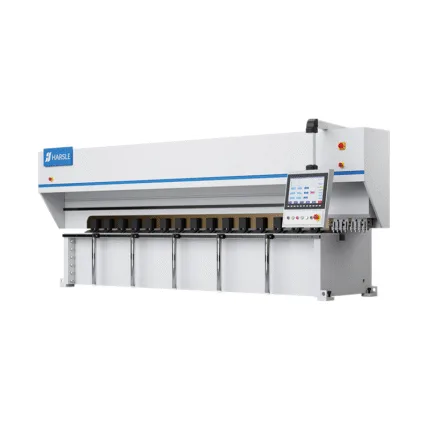
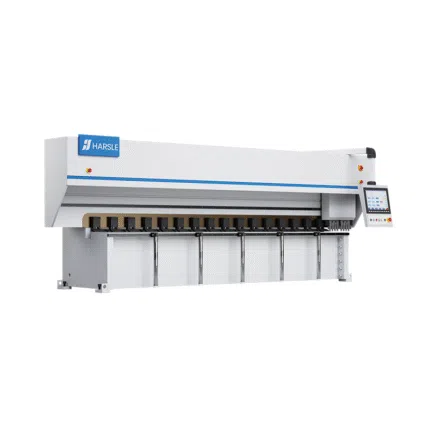
- V-Kerben-Schneidemaschine für dekorative MetallblecheThe V Notch Cutting Machine is designed for precise grooving and trimming of stainless steel, aluminum, and other…Details anzeigen
- Winkelschleifer für präzises MetallschneidenThe Fixed Angle Cutter for Metal is designed for precise and efficient cutting of various metals at fixed…Details anzeigen
- Winkelausklinkmaschine für PräzisionsschnitteThe Fixed Angle Notcher Machine is designed for precise cutting and notching of sheet metal at fixed angles.…Details anzeigen
- Aluminium-Kerbmaschine mit einstellbarem WinkelHARSLE Aluminum Notching Machine is designed for precise and efficient corner cutting of aluminum sheets and profiles. With…Details anzeigen
- Top Notching Machine Works BlechbearbeitungsgeräteHARSLE Top Notching Machine Works Sheet Metal Equipment delivers high precision, reliability, and efficiency for all your metal…Details anzeigen
- Hocheffiziente Kerbmaschine zum RohrschneidenThe HARSLE Notching Machine for Pipe offers precise, efficient, and consistent notching for round, square, or rectangular tubes.…Details anzeigen
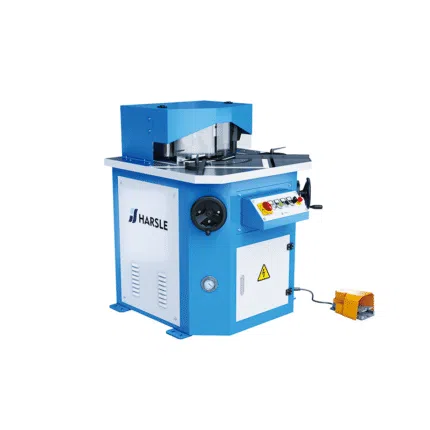
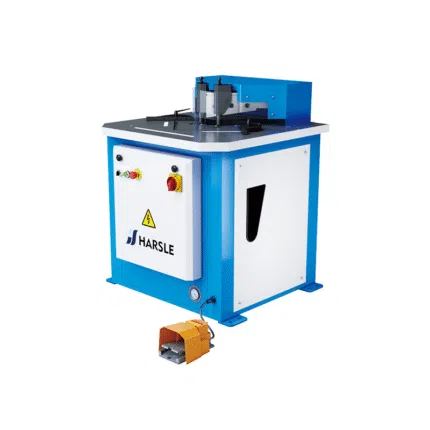
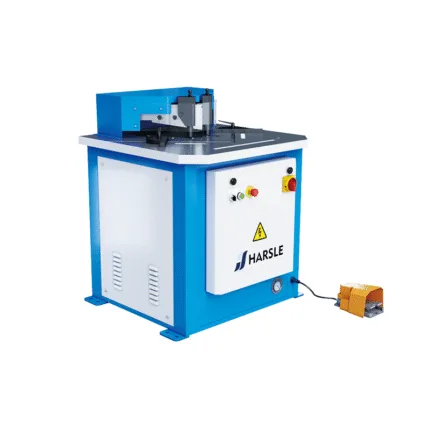
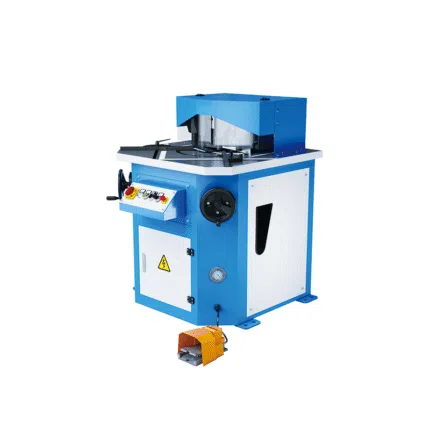
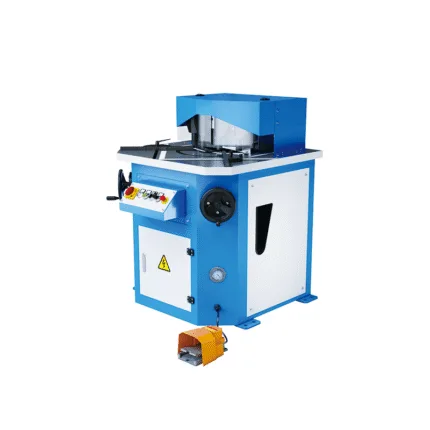
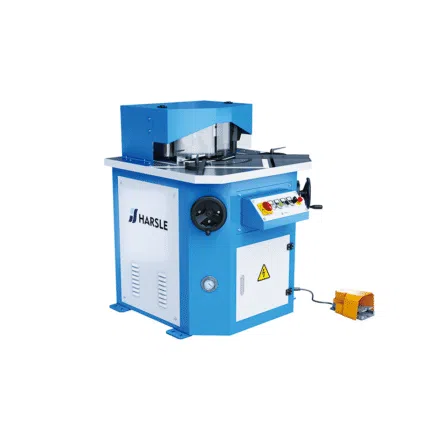
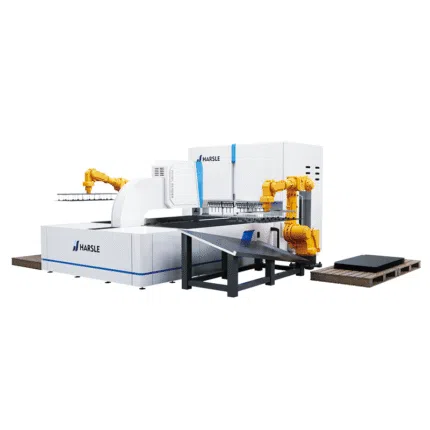
- CNC-Biegemaschine für AufzugsverkleidungenThe Panel Bender for Elevator Panels from HARSLE provides high-precision, automated bending solutions for stainless steel and decorative…Details anzeigen
- AutoBend 2000 Pro Hochleistungs-PlattenbiegemaschineThe HARSLE AutoBend 2000 Pro is a heavy-duty automatic panel bender designed for high-efficiency sheet metal processing. Featuring…Details anzeigen
- AutoBend 2500 Ultra mit automatischem WerkzeugwechselThe AutoBend 2500 Ultra is an advanced panel bending solution featuring Auto Tool Change technology for faster, more…Details anzeigen
- Automatisierte Roboter-Blechbiegestation für PräzisionsarbeitenThis Automated Robotic Sheet Metal Bending Workstation delivers fast, precise, and fully automated bending for modern fabrication shops.…Details anzeigen
- Intelligente Roboterbiegezelle für die SchrankproduktionThis Robotic Smart Bending Cell for Cabinet Production is an advanced automated bending solution designed for high-precision, high-efficiency…Details anzeigen
- Industrielle Roboterlösung zum Plattenbiegen für intelligente FertigungThis Industrial Robotic Panel Bending Solution is engineered for manufacturers seeking higher precision, faster throughput, and fully automated…Details anzeigen
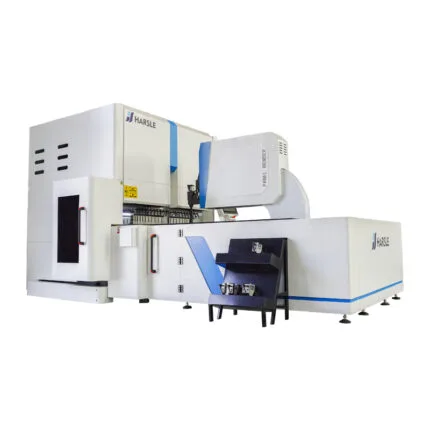
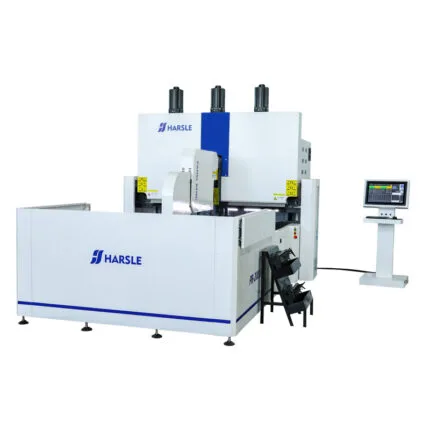
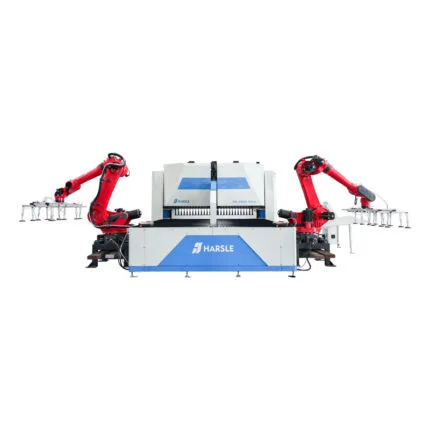
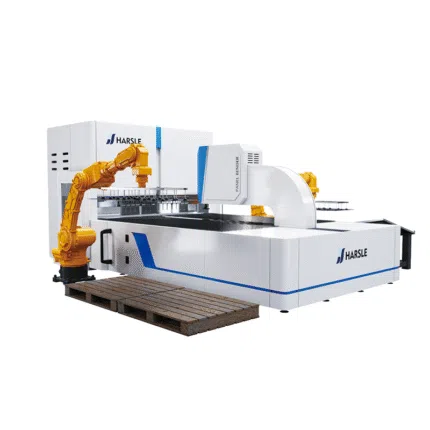
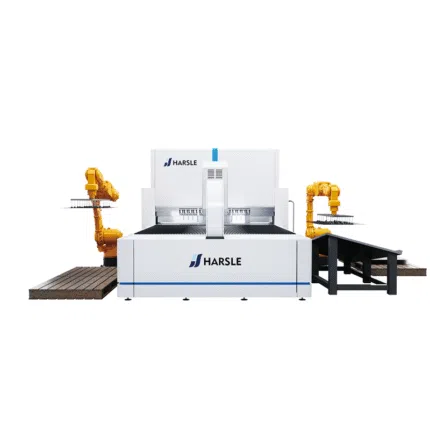
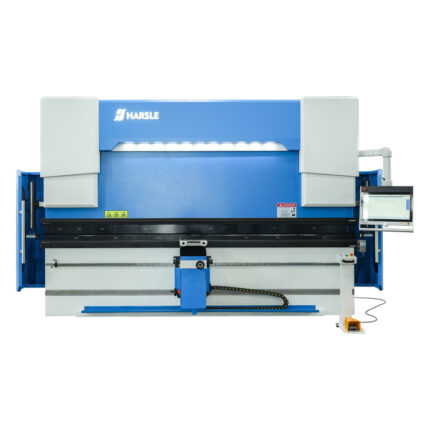
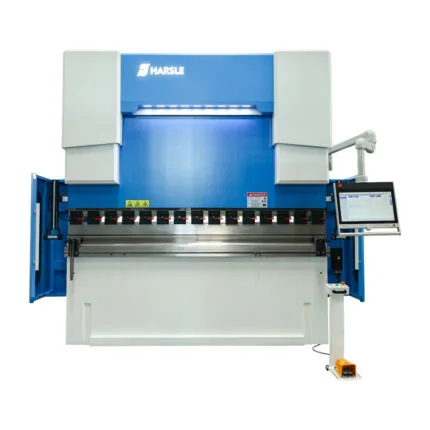
- Hochpräzisions-CNC-Abkantpresse MasterBend 17040Die neue CNC-Abkantpresse HARSLE MasterBend 17040 ist für hochpräzises Blechbiegen und effiziente industrielle Anwendungen konzipiert…Details anzeigen
- MasterBend 40032 DA69S 8+1-Achs-CNC-AbkantpresseThe MasterBend 40032 DA69S 8+1 Axis CNC Press Brake is a high-performance hydraulic bending machine engineered for precision,…Details anzeigen
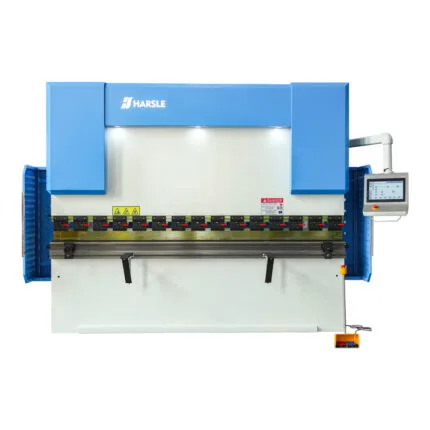
- EasyBend 16032 E315P NC Press BrakeThe HARSLE EasyBend 16032 E315P NC Press Brake is designed for reliable, efficient, and cost-effective sheet metal bending…Details anzeigen
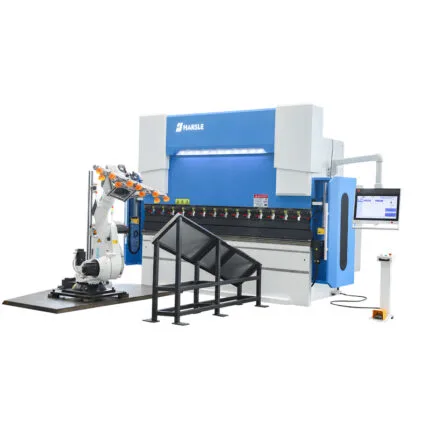
- Hochpräziser MasterBend 20032 mit intelligentem RoboterarmThe MasterBend 20032 With Smart Robotic Arm is an advanced automated CNC press brake designed for precision sheet…Details anzeigen
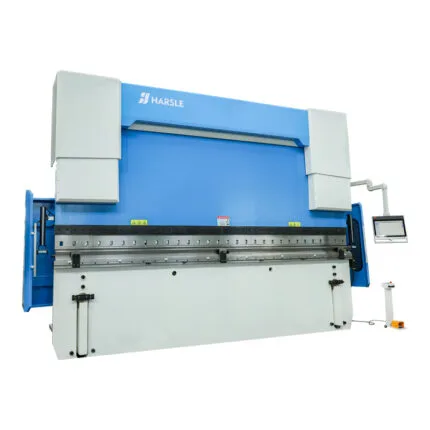
- MegaBend 80060 Heavy Duty Press Brake With DA66SThe MegaBend 80060 Heavy Duty Press Brake is engineered for high-capacity and large-format sheet metal bending applications. With…Details anzeigen
- E-Bend 3512 Servo Electric Press Brake with DA66SThe E-Bend 3512 Servo Electric Press Brake is a compact and precise bending solution designed for modern sheet…Details anzeigen
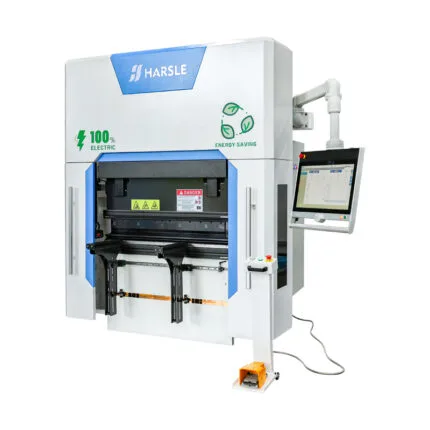
- Top-Hersteller von Laserschweißmaschinen in China für die IndustrieHARSLE is one of the leading China laser welding machine manufacturers, providing high-quality and cost-effective solutions for industrial…Details anzeigen
- 3-in-1-Faserlaserschweißgerät für PräzisionsarbeitenDie 3-in-1-Faserlaser-Schweißmaschine vereint Schweiß-, Schneid- und Reinigungsfunktionen in einem Gerät. Sie…Details anzeigen
- Hocheffiziente 2KW-Laserschweißmaschine zu verkaufenDiscover HARSLE’s 2KW laser welding machine, ideal for precise, high-speed metal joining. This powerful solution offers deep penetration,…Details anzeigen
- Top-Hersteller von 1500-W-LaserschweißgerätenDiscover top-tier 1500W laser welding machine manufacturers offering precision, efficiency, and durability. Ideal for metal fabrication, automotive, and…Details anzeigen
- Zuverlässige Lieferanten von 3000-W-LaserschweißgerätenHARSLE is one of the leading 3000W laser welding machine suppliers, offering high-performance equipment for precise and efficient…Details anzeigen
- Multifunktions-5-in-1-Hand-LaserschweißgerätThe 5 in 1 handheld laser welding machine offers welding, cutting, cleaning, polishing, and seam welding functions in…Details anzeigen
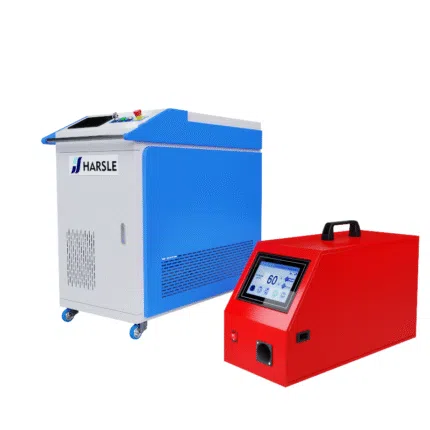
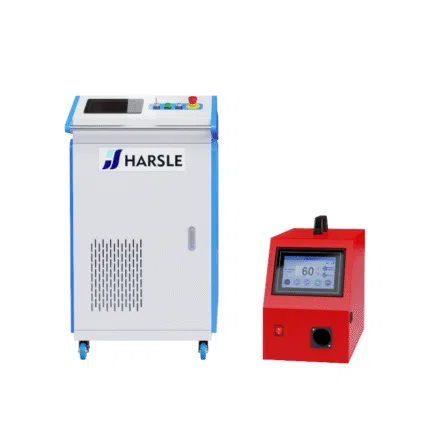
- DualPolish 800 für die Kantenbearbeitung lasergeschnittener TeileDie DualPolish 800 ist eine vielseitige Entgrat- und Anfasmaschine, die speziell für lasergeschnittene Teile entwickelt wurde. Mit ihrer Präzision…Details anzeigen
- Magnetische Entgrat- und Poliermaschine für lasergeschnittene TeileThe magnetic deburring polishing machine is specially designed for finishing sheet metal parts after laser cutting. It efficiently…Details anzeigen
- Flachmetall-Entgratungsmaschinen für die BlechbearbeitungFlat metal deburring machines are designed to remove sharp edges, burrs, and slag from sheet metal parts after…Details anzeigen
- Entgratungsradmaschine zur MetallkantenbearbeitungThe deburring wheel machine is designed to efficiently remove burrs, sharp edges, and surface imperfections from metal parts…Details anzeigen
- Entgrat- und Endbearbeitungsmaschine für MetallteileThe deburring and finishing machine is designed to remove sharp edges, burrs, and slag from metal parts after…Details anzeigen
- Hochgeschwindigkeits-MetallanfasmaschineThe metal chamfering machine is designed for precise edge beveling and deburring of metal sheets and plates. It…Details anzeigen
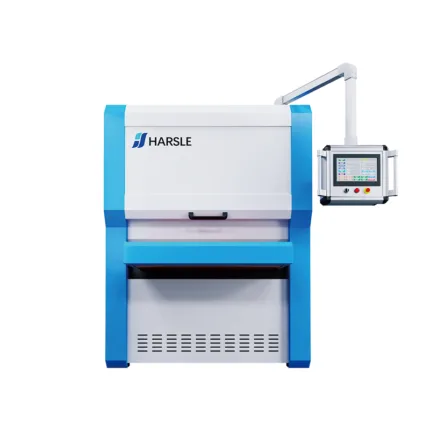
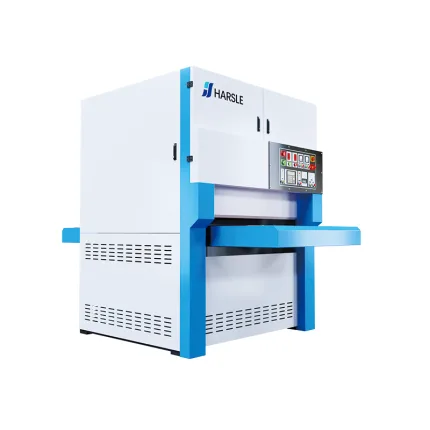
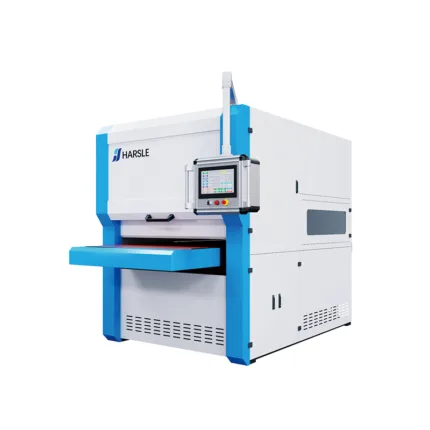
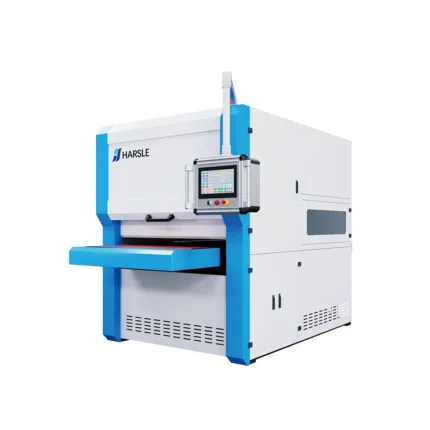
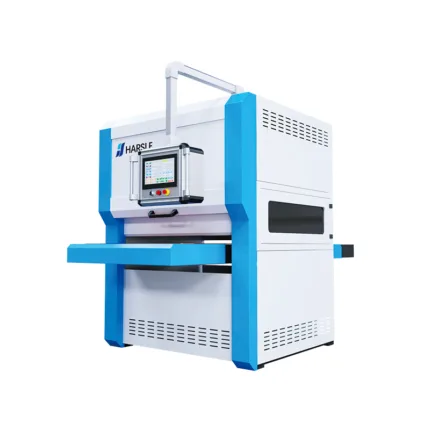
- Plattenwender für Produktionslinien zur BlechbearbeitungThe Production Line Panel Flipper is designed to improve efficiency and safety in sheet metal handling processes. It…Details anzeigen
- Präzisions-Paneelwender für die BlechbearbeitungThe Precision Panel Flipper is designed to improve efficiency and safety in sheet metal handling operations. It enables…Details anzeigen
- Fertigungspaneel-Handler für die Automatisierung der MetallhandhabungThe Fabrication Panel Handler is designed to improve efficiency and safety in sheet metal fabrication workflows. It automates…Details anzeigen
- Intelligente Lösung für die Paneelhandhabung in der BlechautomatisierungThe Smart Panel Handling Solution is designed to improve efficiency and safety in modern sheet metal production lines.…Details anzeigen
- Industrielles Paneel-Wendesystem für die MetallverarbeitungThe Industrial Panel Flipping System is designed for efficient and safe handling of large sheet metal panels in…Details anzeigen
- CNC-Paneelwender für die BlechbearbeitungCNC Panel Flipper is an advanced sheet metal handling solution designed for safe, precise, and efficient panel rotation…Details anzeigen
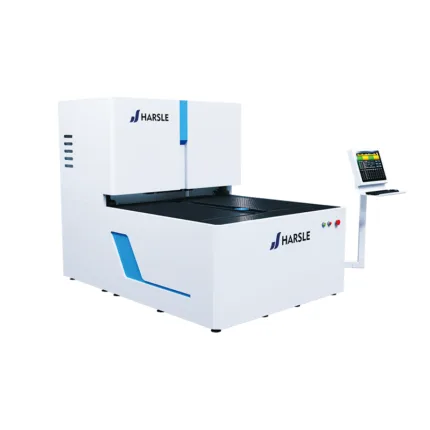
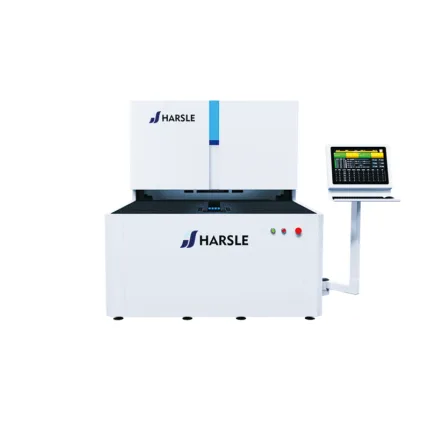
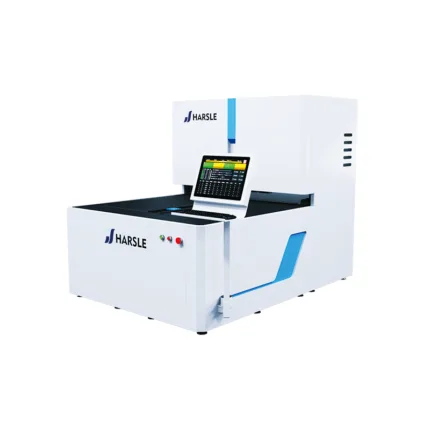
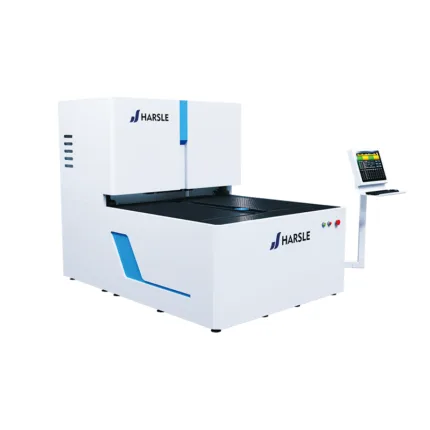
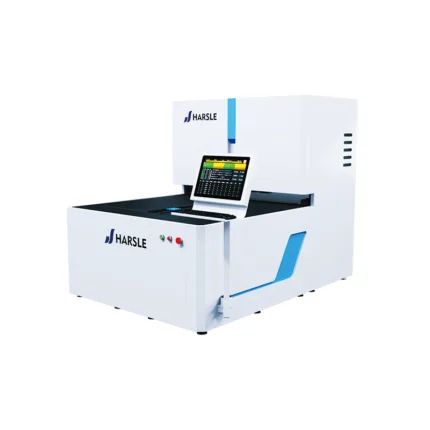
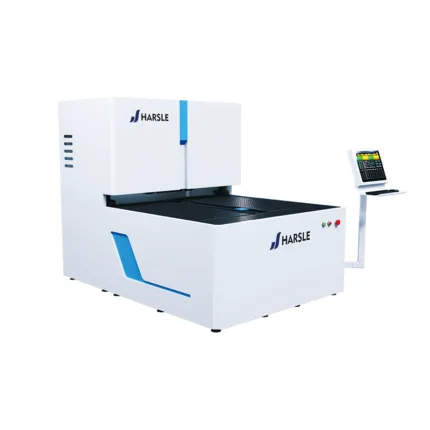
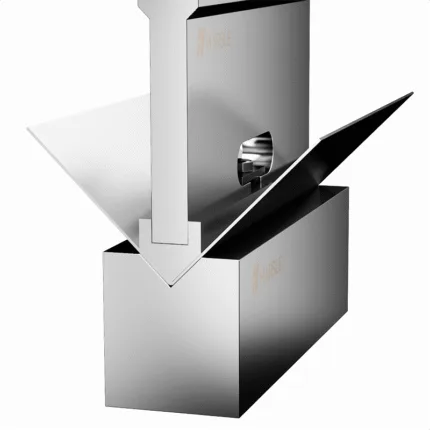
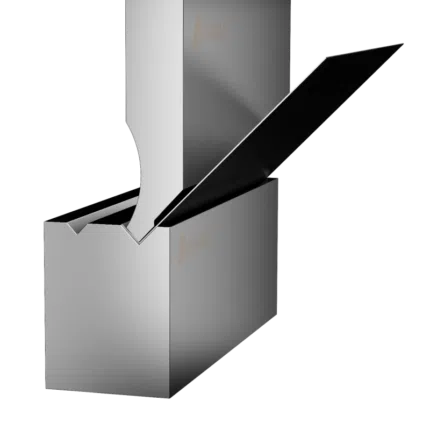
- Manuell verstellbare Matrize für AbkantpresseThe Manual Adjustable Die is a precision press brake tooling solution designed to improve bending accuracy and setup…Details anzeigen
- Schnellwechselsystem für Festbalkenstempel an AbkantpressenThe Fixed-Beam Punch Quick-Change System is designed to significantly reduce tool setup time and improve bending efficiency for…Details anzeigen
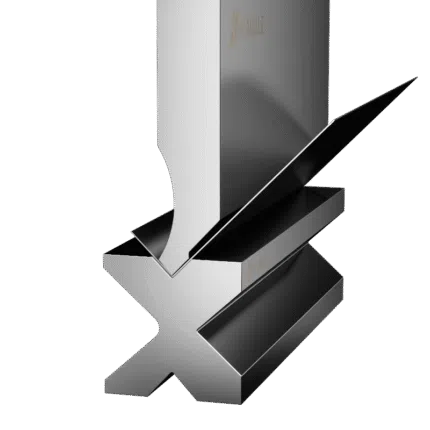
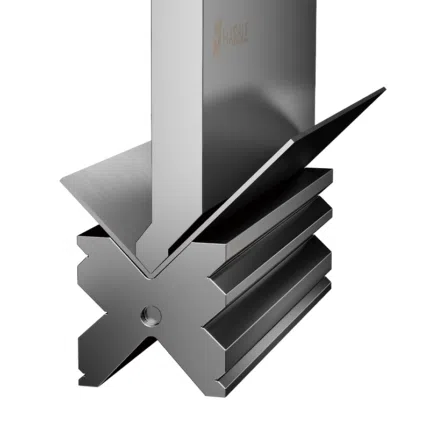
- Universelle 4V-Abkantpresse zum Biegen von BlechenHARSLE 4V Press Brake Die is designed for efficient and precise bending of metal sheets using CNC press…Details anzeigen
- Multi-V-Matrize und Standardstempel für AbkantpresseHARSLE's Multi-V Die and Standard Punch provide excellent versatility and precision for metal bending applications. Designed for press…Details anzeigen
- Hochwertiges Standard-Stanzwerkzeug für PräzisionsarbeitenEntdecken Sie das Standard-Stanzwerkzeug, entwickelt für Präzision und Langlebigkeit in der Metallverarbeitung. Konstruiert für genaue Stanzvorgänge,…Details anzeigen
- Hochpräziser Falzstempel- und MatrizensatzOptimieren Sie Ihre Blechbearbeitung mit unserem hochpräzisen Bördelstempel- und Matrizensatz. Entwickelt für Genauigkeit und Langlebigkeit,…Details anzeigen
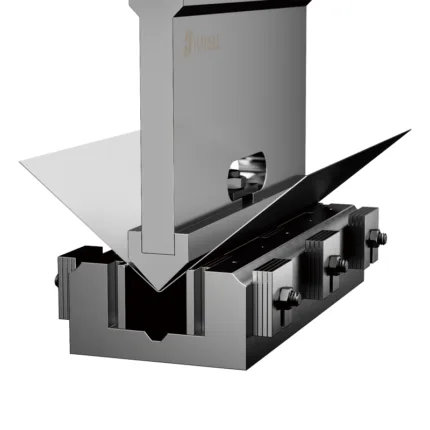
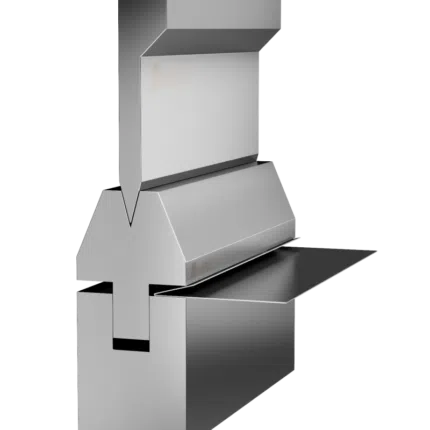
Herausforderungen und Lösungen
What Matters in Elevator Manufacturing
No scratches on decorative stainless
Panel benders keep the sheet supported on brushes; polyurethane film and dedicated tooling protect the face on press brakes.
Sharp, small-radius edges
V-grooving before bending gives the crisp edges architects specify for car doors and wall panels.
Straight flanges over 2–3 m
Crowning on CNC press brakes and the rigid frame of a panel bender keep angles constant over the full length.
Invisible welds
Laser welding of stiffeners leaves little or no mark on the visible side.
Automatisiertes Biegen
Panel Bender for Elevator Manufacturing
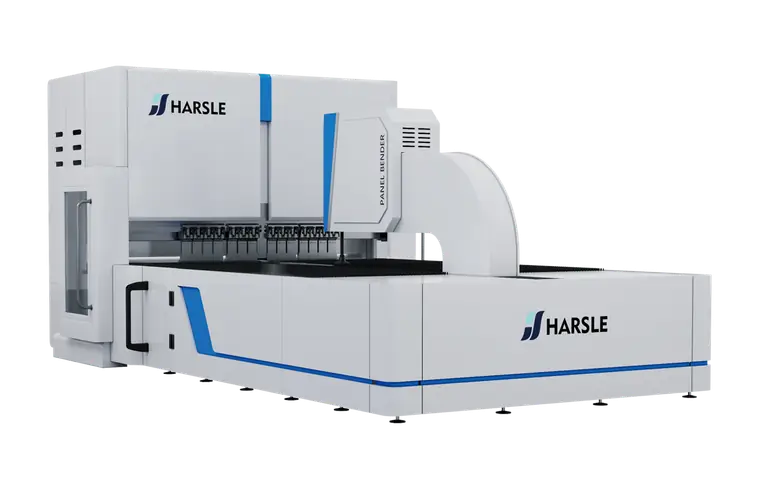
A HARSLE panel bender clamps the sheet flat and forms all four sides in one cycle with universal tooling — ideal for the repeat panels, doors and boxes found in elevator doors & cabins.
- Biegelänge 1400–3000 mm (AutoBend)
- Biegewinkel 0–180°, 0,2 s pro Biegung
- Minimale Bedienerkenntnisse, schnelle Umrüstungen
Globaler Fußabdruck
Lieferungen & Kundengeschichten
Alle von HARSLE veröffentlichten Sendungen und Kundengeschichten erscheinen hier automatisch. Filtern Sie nach Maschine oder Land.
- 1,243Veröffentlichte Sendungen
- 120Zielländer
- 125Kundengeschichten
- LiveAktualisiert, sobald wir es versenden
![Israel-PrimeShear 1025 Guillotine-Schere]() VersandIsrael-PrimeShear 1025 Guillotine-Schere
![Syria-Flexbend 13032 CNC-Abkantpresse]() VersandSyria-Flexbend 13032 CNC-Abkantpresse
![Egypt-EasyBend 17542 Abkantpresse]() VersandEgypt-EasyBend 17542 Abkantpresse
![France-FlexBend 12532 Abkantpresse]() VersandFrance-FlexBend 12532 Abkantpresse
![USA-FlexBend 17032 Abkantpresse]() VersandUSA-FlexBend 17032 Abkantpresse
![Tschechische Republik – Masterbend 50060 CNC-Abkantpresse]() VersandTschechische Republik – Masterbend 50060 CNC-Abkantpresse
![USA-EasyBend 6316 Abkantpresse]() VersandUSA-EasyBend 6316 Abkantpresse
![Morocco-FlexBend 17040 Abkantpresse]() VersandMorocco-FlexBend 17040 Abkantpresse
![Brazil-MasterBend 60060 CNC-Abkantpresse]() VersandBrazil-MasterBend 60060 CNC-Abkantpresse
![USA-MasterBend 13032 CNC-Abkantpresse]() VersandUSA-MasterBend 13032 CNC-Abkantpresse
![Bangladesh-PrimeShear 1225 Guillotine-Schere]() VersandBangladesh-PrimeShear 1225 Guillotine-Schere
![Ireland-MasterBend 20032 Abkantpresse]() VersandIreland-MasterBend 20032 Abkantpresse
![Latvia-FlexBend 17032 Abkantpresse]() VersandLatvia-FlexBend 17032 Abkantpresse
![MasterBend 60060 CNC-Abkantpresse Litauen]() VersandMasterBend 60060 CNC-Abkantpresse Litauen
![USA-MasterBend 17032 Abkantpresse]() VersandUSA-MasterBend 17032 Abkantpresse
![Brazil-FlexBend 6320 Abkantpresse]() VersandBrazil-FlexBend 6320 Abkantpresse
![Morocco-FlexBend 40060 Abkantpresse]() VersandMorocco-FlexBend 40060 Abkantpresse
![Venezuela-TriRoll3025 Walzmaschine]() VersandVenezuela-TriRoll3025 Walzmaschine
![Brasilianische Winkelroll-45-Profilbiegemaschine]() VersandBrasilianische Winkelroll-45-Profilbiegemaschine
![Chile-MasterBend 30040 CNC-Abkantpresse]() VersandChile-MasterBend 30040 CNC-Abkantpresse
![Heißpresse Mexico-HP-50T]() VersandHeißpresse Mexico-HP-50T
![Morocco-FlexBend 40060 Abkantpresse]() VersandMorocco-FlexBend 40060 Abkantpresse
![Australia-E-Bend Pro 3512 Abkantpresse]() VersandAustralia-E-Bend Pro 3512 Abkantpresse
![USA-MasterBend 25032 Abkantpresse]() VersandUSA-MasterBend 25032 Abkantpresse
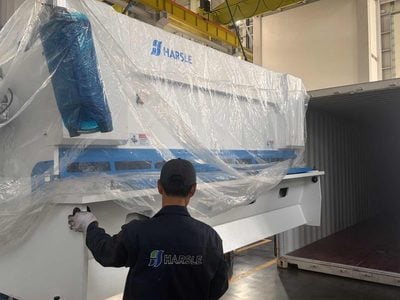
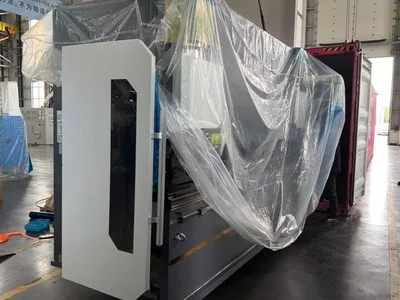
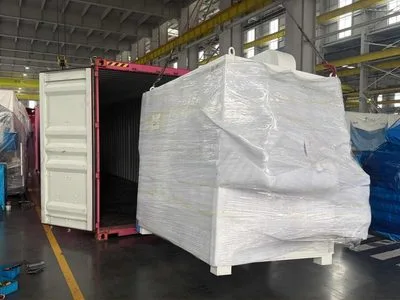
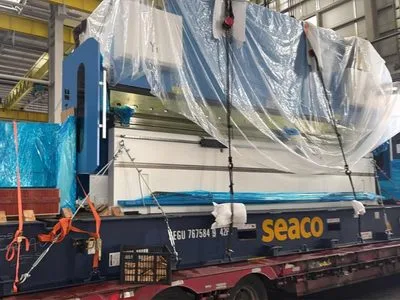
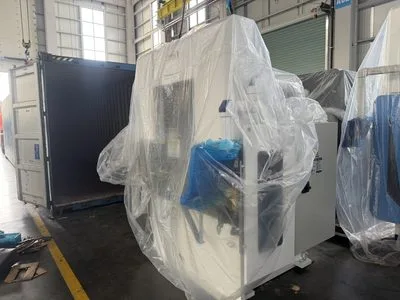
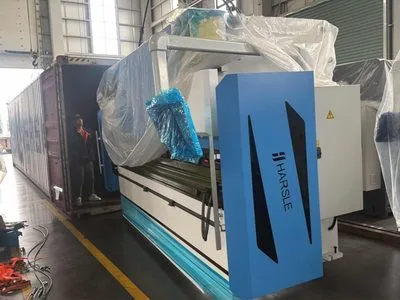
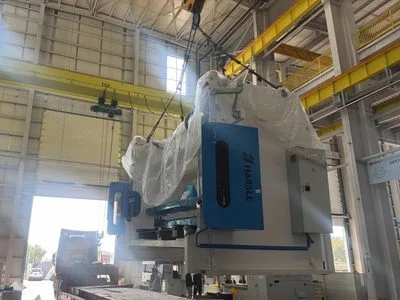
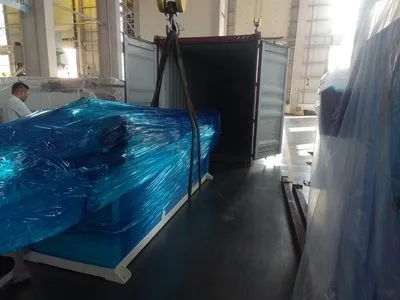
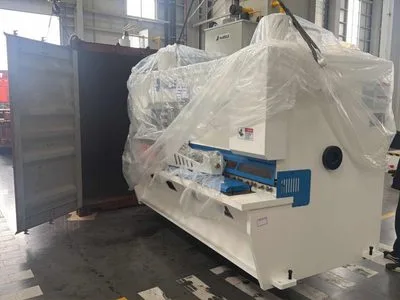
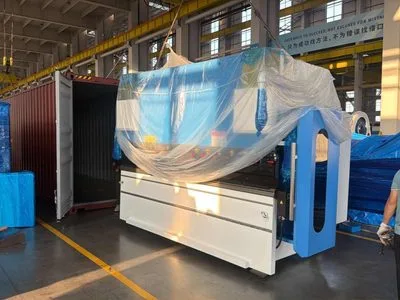
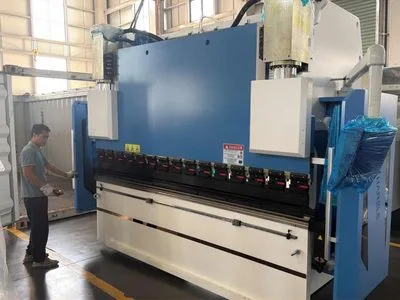
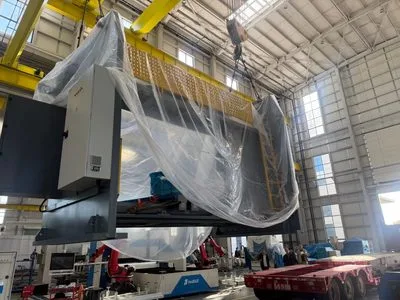
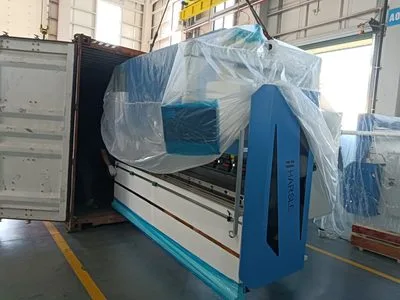
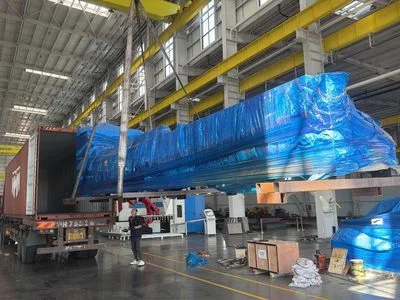
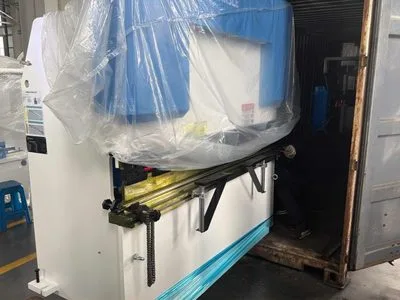
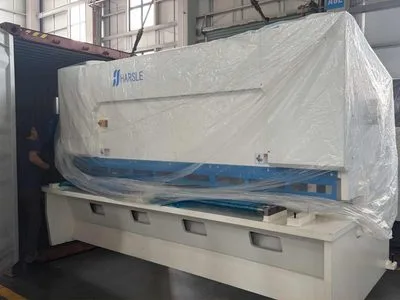
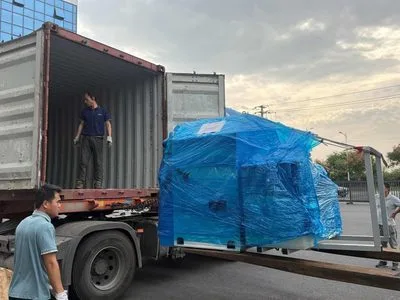
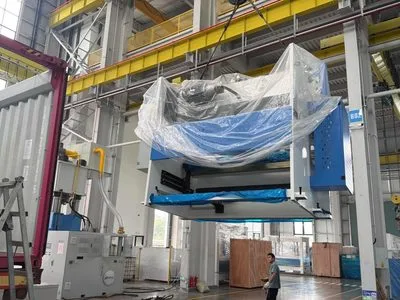
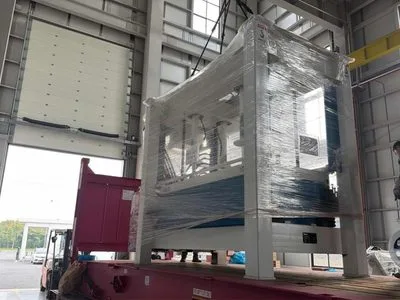
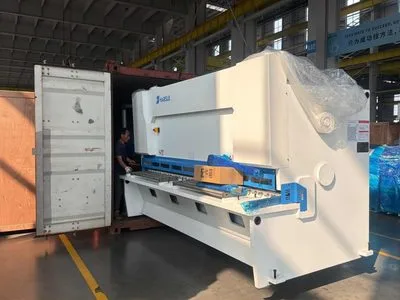
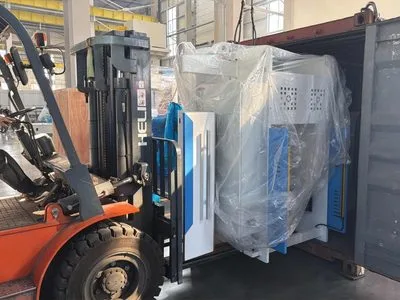
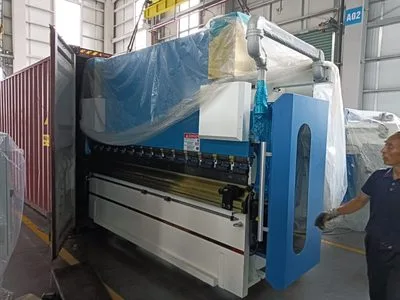
Bisher entsprechen keine Sendungen diesem Filter.
![Hocheffiziente Rohrbiegemaschine erntet Lob aus Kamerun]() GeschichteHocheffiziente Rohrbiegemaschine erntet Lob aus Kamerun
![Ein Kunde aus den Vereinigten Staaten berichtet von einer einwandfreien HARSLE-Installation vor Ort.]() GeschichteEin Kunde aus den Vereinigten Staaten berichtet von einer einwandfreien HARSLE-Installation vor Ort.
![Kanadischer Kunde lobt HARSLE-Reparatur von Pressenbremsenproblemen]() GeschichteKanadischer Kunde lobt HARSLE-Reparatur von Pressenbremsenproblemen
![Professionelle Montage von Abkantpressen schafft Vertrauen bei US-amerikanischen Kunden]() GeschichteProfessionelle Montage von Abkantpressen schafft Vertrauen bei US-amerikanischen Kunden
![HARSLE-Ingenieursupport erntet Dankbarkeit eines aserbaidschanischen Kunden]() GeschichteHARSLE-Ingenieursupport erntet Dankbarkeit eines aserbaidschanischen Kunden
![Zuverlässiger Support für die Montage von Abkantpressen gewinnt das Vertrauen der USA.]() GeschichteZuverlässiger Support für die Montage von Abkantpressen gewinnt das Vertrauen der USA.
![Rumänischer Kunde meldet hohe HARSLE-Kundenzufriedenheit]() GeschichteRumänischer Kunde meldet hohe HARSLE-Kundenzufriedenheit
![HARSLE Software-Upgrade für Abkantpressen erschließt Potenzial für US-Kunden]() GeschichteHARSLE Software-Upgrade für Abkantpressen erschließt Potenzial für US-Kunden
![HARSLE Panel Bender Fast Setup gewinnt Lob aus den Vereinigten Staaten]() GeschichteHARSLE Panel Bender Fast Setup gewinnt Lob aus den Vereinigten Staaten
![HARSLE-Rohrbiegemaschinenschulung steigert Thailands Produktion]() GeschichteHARSLE-Rohrbiegemaschinenschulung steigert Thailands Produktion
![HARSLE-Ingenieursupport erntet Lob von US-Kunden]() GeschichteHARSLE-Ingenieursupport erntet Lob von US-Kunden
![Technischer Support vor Ort sichert langfristigen Vertrag mit Libanon]() GeschichteTechnischer Support vor Ort sichert langfristigen Vertrag mit Libanon
![Libanesischer Kunde lobt die Qualität der HARSLE-Abkantpresse]() GeschichteLibanesischer Kunde lobt die Qualität der HARSLE-Abkantpresse
![CSA-konforme Schermaschine begeistert kanadischen Kunden]() GeschichteCSA-konforme Schermaschine begeistert kanadischen Kunden
![Erfolgreicher Werksabnahmetest für chilenischen Kunden]() GeschichteErfolgreicher Werksabnahmetest für chilenischen Kunden
![Hocheffiziente Biegelösung steigert die Produktion in Griechenland]() GeschichteHocheffiziente Biegelösung steigert die Produktion in Griechenland


Bisher entsprechen keine Geschichten diesem Filter.
Häufig gestellte Fragen
Häufig gestellte Fragen
Common questions about machines and processes for elevator doors & cabins.
Which machines are used to make elevator doors?
A typical elevator door line uses a shear or fiber laser for blanks, a V-grooving machine for sharp edges, a panel bender or long CNC press brake for folding, laser welding for stiffeners and a deburring or polishing step.
Why is V-grooving used for elevator panels?
Cutting a V-groove on the bend line reduces the material left at the corner, so the bend has a very small outside radius. This gives the sharp, architectural edge required on car doors and cabin panels.
Panel bender or press brake for elevator doors?
A panel bender folds long doors with less handling and fewer surface marks and is ideal for repeat sizes. A long or tandem CNC press brake is more flexible for frames, jambs and very long parts.
How do you prevent scratches on stainless elevator panels?
Keep the protective film on during cutting and bending, use brush tables and film-protected tooling, and avoid sliding the sheet across steel surfaces.
What thickness are elevator panels?
Car doors, landing doors and cabin walls are mostly 1.0–1.5 mm stainless or coated steel; frames and jambs are typically 1.2–2.0 mm.
Weitere Anwendungen
Weitere Branchen, die wir ausrüsten
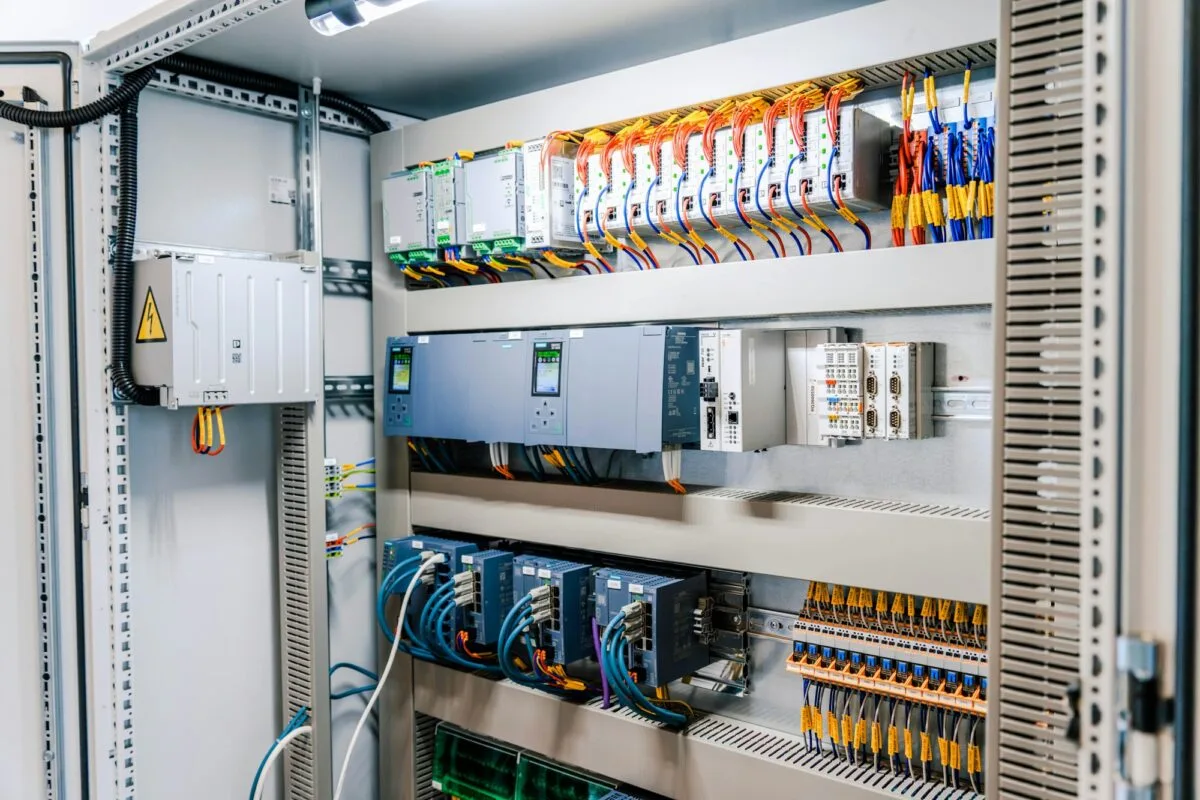
 Elektrische Gehäuse und Schaltschränke
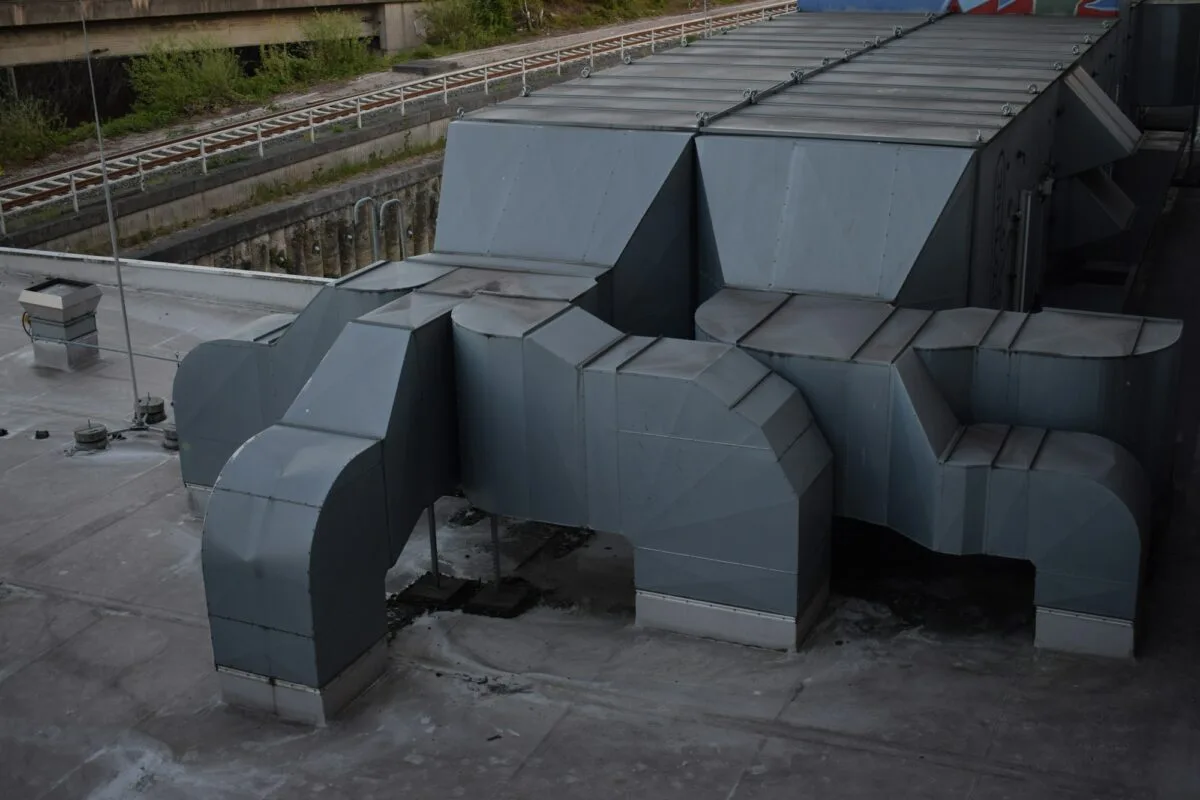
- Heizungs-, Lüftungs- und Klimaanlagen sowie Lüftungskanäle
 Gewerbliche Küchen- und Gastronomieausstattung
 Büro- und Metallmöbel
- Medizinische und Laborgeräte
- Autoteile & Fahrzeuge
- Luft- und Raumfahrtkomponenten
- Schiffbau & Marine
 Konstruktion, Fassaden & Innenausbau
- Haushaltsgeräte
- Blechbearbeitung & Lohnfertigung
- Beschilderung, Werbung & Displays
- Rohr- und Leitungsverarbeitung
- Druckbehälter, Tanks & Öl und Gas
 Wind-, Solar- und Energieanlagen
 Schwere Maschinen und Landwirtschaftliche Geräte
- Fitness- und Sportgeräte
- Fahrrad- und Motorradrahmen
 Landwirtschaftliche Maschinen
- Handläufe & Geländer
- Lösungen für Produktionslinien




Los geht's
Angebot anfordern
Tell us about your elevator doors & cabins — our engineers will recommend the machines and layout.
- MaschinenauswahlModell, Baureihe und Optionen, die auf Ihre Teile abgestimmt sind
- Technische UnterstützungDie Machbarkeit der Biegung wurde anhand Ihrer Zeichnungen geprüft.
- Detailliertes AngebotPreis, Lieferzeit, Versand und Installation
- 24-Stunden-ReaktionEin echter Ingenieur antwortet innerhalb eines Werktages.
Tipp: Geben Sie für ein möglichst genaues Angebot das Material, die Dicke, die größte Teilegröße und das jährliche Produktionsvolumen an.


