


Punching Machines in Telecommunications Industry are essential for ensuring precision and efficiency in building reliable communication infrastructure. They play a key role in manufacturing high-quality metal components such as towers, enclosures, panels, and cable management systems. If you’re curious about how these machines support the industry, you’re in the right place. In this article, I’ll highlight their main benefits, explore real-world applications, guide you through setup and troubleshooting, and answer common questions. By the end, you’ll see why punching machines have become indispensable in modern telecom production.
Key Benefits of Punching Machines in Telecommunications Industry

Improved Manufacturing Efficiency
Punching machines allow telecom manufacturers to handle high production volumes with minimal manual intervention. By automating the punching process, they reduce lead times and increase consistency, ensuring every component meets strict industry standards.
High Precision for Complex Components
In telecommunications, even small deviations can affect performance. Punching machines use advanced CNC controls to deliver accurate cuts and holes on sheet metal. This precision is essential for components like circuit enclosures, distribution boxes, and antenna mounts.
Cost Reduction in Large-Scale Production

Because these machines work quickly and efficiently, they minimize material waste. Optimized punching layouts also reduce scrap rates, lowering production costs while maintaining top-level quality.
Versatility in Material Handling
Telecom infrastructure requires a wide range of metals, from stainless steel to aluminum. Punching machines handle different thicknesses and materials, making them adaptable for producing diverse telecom parts, including racks, panels, and cabinets.
Common Applications of Punching Machines in Telecommunications Manufacturing
Housings and Enclosures
Punching machines are widely used to produce precise holes, cutouts, and slots in enclosures that protect sensitive communication equipment.
Telecom Towers and Structural Parts
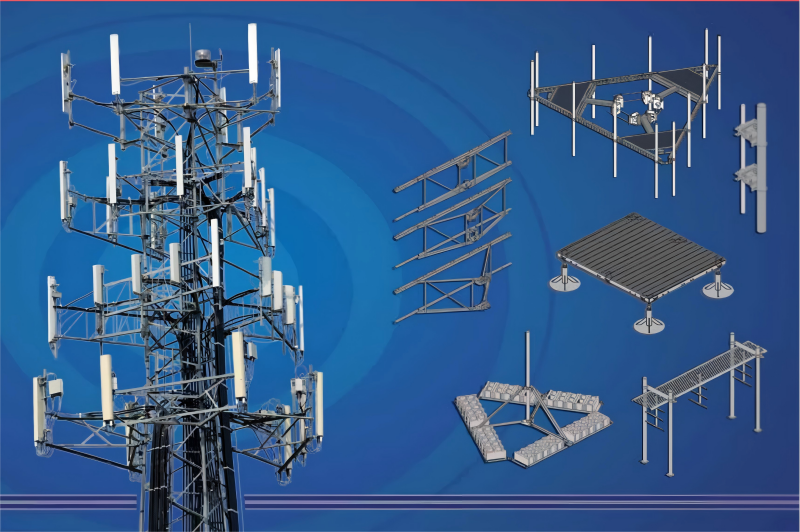
For tower sections and mounting brackets, punching machines ensure strong and accurate joints, enhancing overall structural integrity.
Cable Management Systems
Punching holes and slots in trays and racks allows for efficient cable routing, essential for organizing and protecting communication lines.
Control Panels and Interfaces
Panels require complex cutouts for switches, connectors, and display units. CNC punching machines provide the accuracy needed for flawless panel assembly.
How to Set Up Punching Machines for Telecommunications Components
Step 1: Preparing the Work Area
Before operating a punching machine, I always make sure the work area is clean and free of obstructions. A stable and level surface helps maintain precision.
Step 2: Selecting and Installing Tooling

Choosing the right tooling for the material is critical. I install punches and dies that match the required hole sizes and shapes, then lock them securely.
Step 3: Calibrating the Machine
I adjust the backgauge system and check alignment with a test sheet. Calibration ensures repeatable accuracy for every production run.
Step 4: Programming the Punching Layout
Using CNC software, I input the hole patterns and sequences. This step reduces errors and guarantees uniformity across multiple sheets.
Troubleshooting Tips for Telecom Applications
Maintaining Accuracy in Thin Sheets
If I notice distortion when punching thin sheets, I reduce punch pressure or adjust die clearance to avoid tearing.
Handling Burr Formation
When burrs appear on telecom panels, I check tooling sharpness and make sure the die clearance matches the sheet thickness.
Minimizing Downtime
To avoid delays, I schedule routine maintenance and keep spare punches and dies available for quick replacements.
FAQs
Why are Punching Machines in Telecommunications Industry considered essential?
They provide speed, accuracy, and cost savings, all of which are crucial for producing high-volume telecom components like racks, cabinets, and towers.
How can I ensure precision when using a punching machine for telecom panels?
Always calibrate the backgauge system, use sharp tooling, and confirm the die clearance matches the sheet thickness.
What materials can be processed with punching machines for telecommunications parts?
Common materials include stainless steel, aluminum, and galvanized steel, all of which are widely used in telecom infrastructure.
How often should maintenance be performed on punching machines?
I recommend performing preventive maintenance every 500 hours of operation. This includes inspecting tooling, lubricating moving parts, and cleaning the machine.
Conclusion
Punching Machines in Telecommunications Industry provide unmatched precision, speed, and versatility for manufacturing essential components. From enclosures and panels to towers and cable trays, these machines support the backbone of global communication networks. By following proper setup and maintenance practices, you can maximize efficiency and minimize downtime. If you’re looking to improve production or explore advanced punching solutions for your telecom projects, don’t hesitate to reach out to our team for expert guidance and tailored support.


