


Rolling Machines in Home Appliance manufacturing are essential for ensuring speed, precision, and consistency when producing modern household products. They play a key role in shaping, forming, and processing sheet metal components for items such as refrigerators, washing machines, and ovens. If you’re curious about how these machines boost productivity while maintaining high quality, you’ve come to the right place. In this article, I’ll guide you through their applications, setup tips, maintenance practices, and frequently asked questions so you can better understand how rolling machines can elevate your home appliance manufacturing process.
Applications of Rolling Machines in Home Appliance Production
Forming Sheet Metal Components
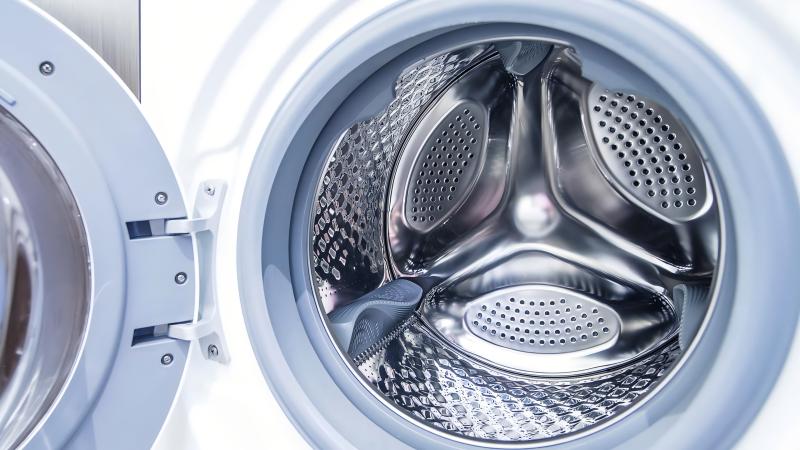
Rolling machines enable manufacturers to efficiently form the curved or cylindrical parts required in appliances. For example, the outer shells of washing machines, the drum structures inside dryers, or the cylindrical parts of vacuum cleaners can be produced with consistent thickness and shape. By using rolling machines, I can achieve uniformity in parts, which leads to a better fit and finish for the end product.
Creating Reinforced Panels and Frames
Many home appliances require reinforced panels or frames for structural support. Rolling machines are ideal for creating stiffeners, channels, and brackets from sheet metal, which are then integrated into the appliance assembly. This not only increases strength but also reduces the weight of the components compared to traditional forming methods.
Improving Production Speed
By automating the rolling process, I can drastically cut down on manual labor and time. Rolling machines can handle large batches of sheet metal quickly, which helps meet high-volume production demands while maintaining consistent quality.
How to Set Up a Rolling Machine for Home Appliance Manufacturing
Step 1: Preparing the Work Area

Before starting, I make sure the work area is clean and organized. Any debris or uneven flooring can affect the accuracy of the rolling process. A clear workspace also minimizes risks to both operators and equipment.
Step 2: Installing and Adjusting the Rollers
I select the appropriate roller dies based on the thickness and material of the sheet metal. Proper alignment of the rollers ensures smooth feeding and uniform rolling. I also check the pressure settings to avoid deforming or damaging the material.
Step 3: Calibrating for Precision

Calibration is key to maintaining the tight tolerances required in the home appliance industry. I use digital gauges to verify the gap between the rollers and adjust according to the material specifications. This step ensures the finished parts meet design requirements consistently.
Common Maintenance Tips for Rolling Machines
Routine Inspections
I perform routine inspections to check for wear on rollers, bearings, and drives. Any worn-out parts can lead to uneven rolling or surface defects in the components.
Lubrication and Cleaning
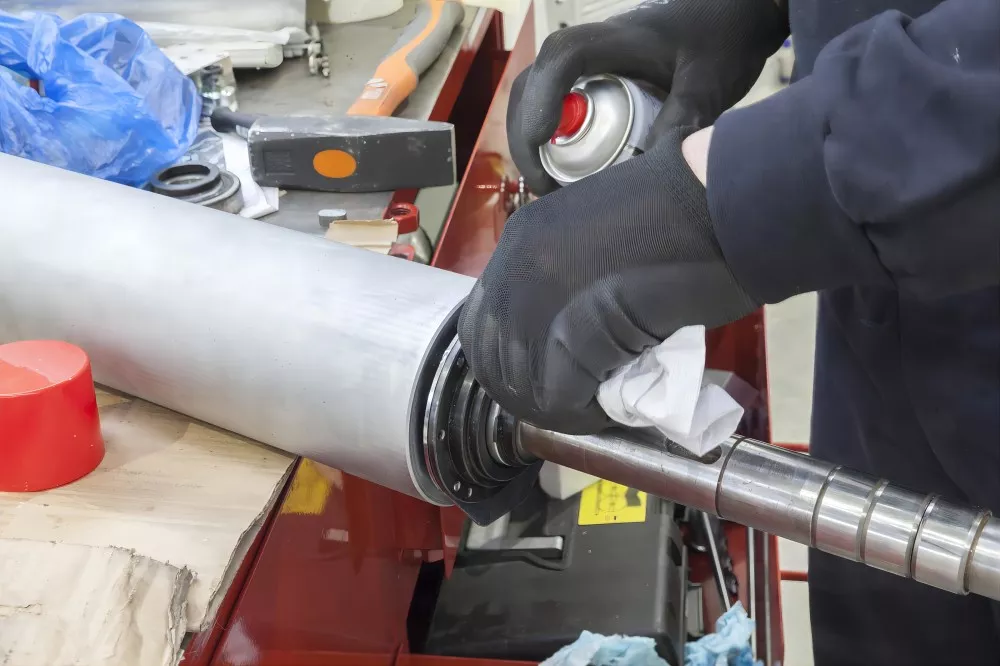
Proper lubrication reduces friction and prevents premature wear of moving parts. After each production run, I clean the rollers to remove any residue from coatings or materials.
Preventive Maintenance for Optimal Performance
Scheduling preventive maintenance every 500–800 operating hours helps me catch issues early. This includes checking alignment, replacing worn parts, and verifying calibration. Proactive care minimizes costly downtime.
FAQs
What types of materials can Rolling Machines in Home Appliance manufacturing handle?
Rolling machines can process a wide range of materials commonly used in appliances, such as stainless steel, aluminum, and coated steel sheets, making them highly versatile for different product lines.
How can I ensure consistent thickness and shape when using a rolling machine?
To ensure consistency, I regularly calibrate the rollers, monitor material feed speed, and maintain the correct pressure settings based on the material type and thickness.
How often should Rolling Machines in Home Appliance production be serviced?
Routine maintenance should be performed every 500 operating hours. This includes inspecting key components, cleaning the machine, and lubricating moving parts to ensure optimal performance.
Conclusion
Rolling Machines in Home Appliance manufacturing provide unmatched efficiency by streamlining the forming process, reducing labor costs, and ensuring consistent quality across large production runs. By properly setting up, calibrating, and maintaining these machines, I can maximize productivity and minimize downtime. If you’re interested in learning more about optimizing your sheet metal forming process or need guidance on selecting the right machine, feel free to contact our team for expert advice and tailored solutions.


