


Shearing Machine Positioning Accuracy plays a critical role in achieving precise cutting dimensions, reducing material waste, and maintaining production efficiency. When operating a shearing machine, inaccurate positioning can directly affect cutting quality and consistency. If you are experiencing incorrect positioning, inconsistent cutting lengths, or repeated adjustment errors, you’re in the right place. In this article, I’ll explain the common causes of positioning accuracy problems and provide practical troubleshooting methods to help you restore machine precision, improve cutting reliability, and maintain stable production performance.
Comprensione Macchina per taglio Positioning Accuracy Issues
Why Positioning Accuracy Is Important for Shearing Machines
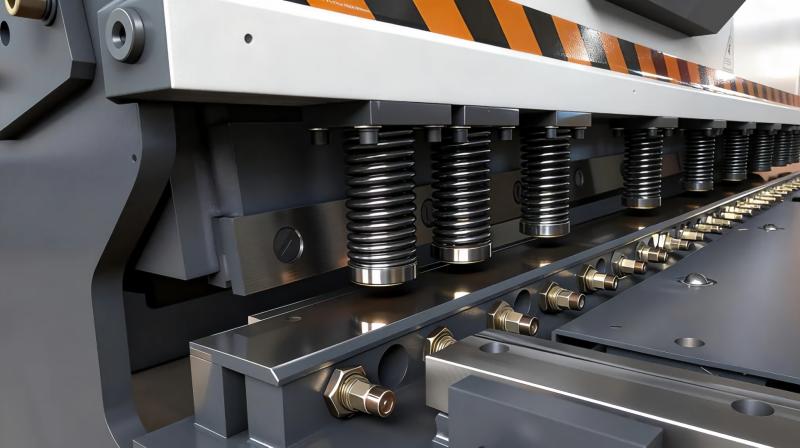
The positioning system of a shearing machine determines how accurately the workpiece is located before cutting. A small positioning error can result in incorrect dimensions, additional processing requirements, and increased production costs.
Modern CNC shearing machines rely on components such as backgauges, servo motors, ball screws, linear guides, and control systems to achieve high positioning accuracy. Any mechanical wear, improper adjustment, or electrical fault can reduce the accuracy of the entire system.
Common Symptoms of Poor Shearing Machine Positioning Accuracy
Before troubleshooting, I recommend identifying the actual symptoms. Common signs include:
- Inconsistent cutting length between different workpieces
- Backgauge movement errors
- Positioning deviation after repeated operations
- Different cutting results under the same program settings
- Increased material waste
- Difficulty maintaining production tolerances
Recognizing these symptoms helps determine whether the problem comes from mechanical components, control settings, or operating conditions.
Main Causes of Shearing Machine Positioning Accuracy Problems
Check Backgauge System Problems Affecting Positioning Accuracy
Inspect Backgauge Mechanical Components
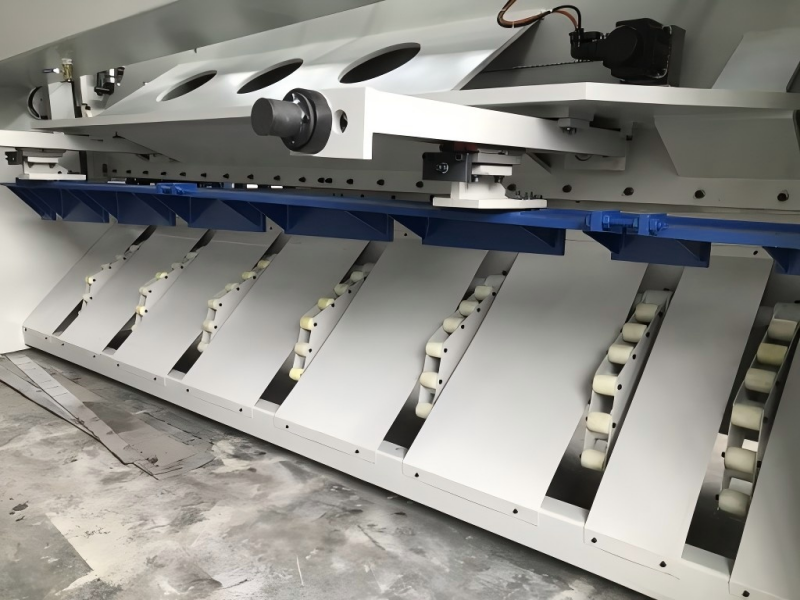
The backgauge system is one of the most important components affecting Shearing Machine Positioning Accuracy. Wear or looseness in mechanical parts can create positioning deviations.
I recommend checking:
- Ball screws for wear or damage
- Linear guides for abnormal movement
- Backgauge fingers for deformation
- Mounting bolts for looseness
Even small mechanical gaps can accumulate during movement and cause inaccurate positioning.
Check Ball Screw and Guide Lubrication
Insufficient lubrication increases friction and reduces movement smoothness. Over time, this may cause positioning delays or uneven movement.
Regular lubrication according to manufacturer recommendations helps maintain stable backgauge movement and improves long-term accuracy.
Verify CNC System and Parameter Settings
Check Positioning Parameters and Calibration Data
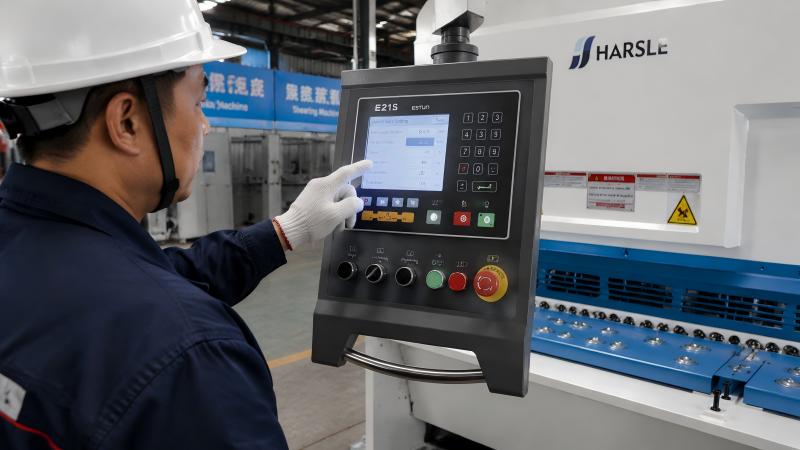
Incorrect CNC parameters can cause positioning errors even when mechanical components are working properly.
I recommend verifying:
- Axis calibration values
- Backgauge offset settings
- Travel limits
- Machine reference position
If the system parameters are incorrect, recalibration may be required to restore accurate positioning.
Inspect Servo Motor and Encoder Signals
Servo motors and encoders provide feedback information for accurate positioning. Faulty encoder signals or unstable motor operation can cause positioning deviations.
Verificare quanto segue:
- Rumore anomalo del motore
- Encoder connection issues
- Signal interruption
- Servo alarms
Stable electrical feedback is essential for maintaining precise movement.
Step-by-Step Troubleshooting Guide for Shearing Machine Positioning Accuracy
Step 1: Measure Actual Positioning Error
The first step is to measure the difference between the programmed position and the actual position.
Use accurate measuring tools such as digital calipers or laser measurement devices to determine the deviation value. Recording the error helps identify whether the issue is consistent or random.
Step 2: Inspect Mechanical Looseness
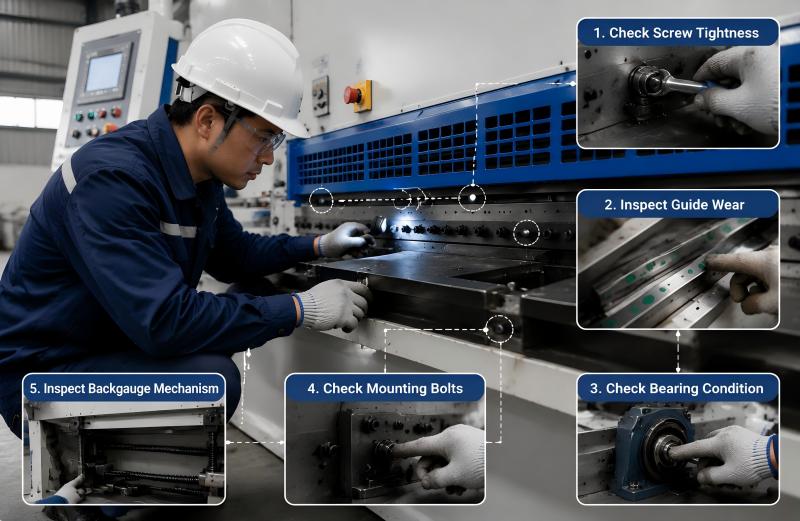
Check all moving components carefully. Loose screws, worn guides, or damaged bearings can create unwanted movement.
Before adjusting electronic parameters, I always recommend confirming that the mechanical structure is stable.
Step 3: Clean and Maintain the Positioning System
Metal dust, oil, and debris can affect guide movement and sensor accuracy.
Clean:
- Guide lineari
- viti a sfere
- Backgauge surfaces
- Sensor areas
A clean positioning system improves movement consistency and reduces unnecessary wear.
Step 4: Perform System Calibration
After mechanical inspection and cleaning, perform CNC calibration according to the machine manufacturer’s instructions.
Calibration ensures that the controller accurately matches the actual machine movement.
Step 5: Test Cutting Accuracy
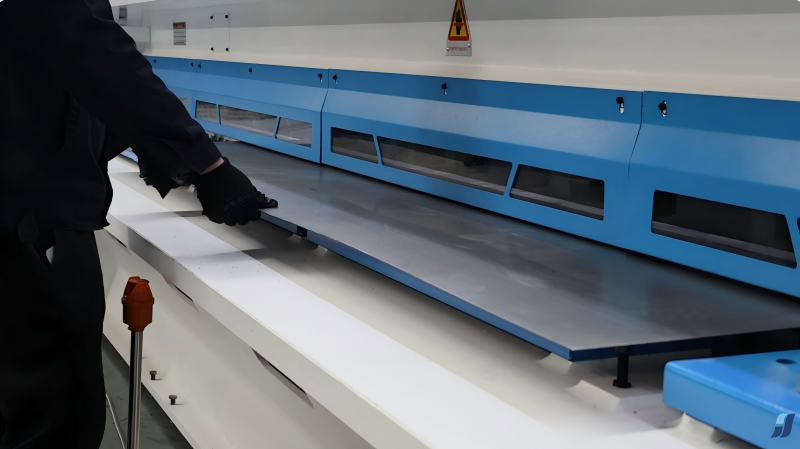
After completing adjustments, perform multiple test cuts using the same material thickness and program settings.
Compare the cutting results and confirm whether positioning accuracy has returned to the required standard.
Preventive Maintenance to Maintain Positioning Accuracy
Perform Regular Backgauge Inspections
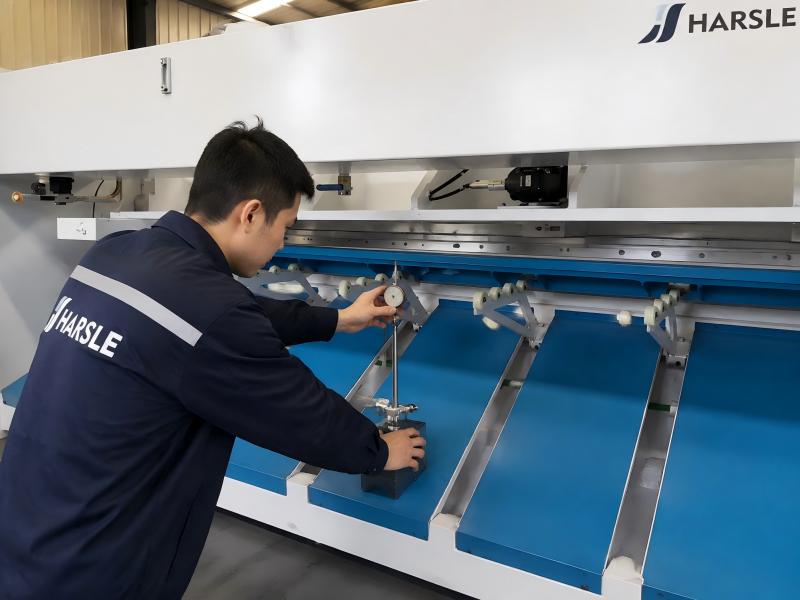
Routine inspection is one of the most effective ways to prevent positioning problems. Check mechanical components regularly based on production intensity.
Early detection of wear allows operators to repair problems before accuracy is affected.
Keep Positioning Components Clean and Lubricated
Proper lubrication reduces friction and protects precision components from premature wear.
A clean working environment also prevents metal particles from entering moving parts.
Record Accuracy Measurements and Maintenance History
Keeping maintenance records helps identify repeated positioning problems and optimize future maintenance schedules.
Recording calibration results, component replacements, and inspection dates provides valuable information for machine management.
Domande frequenti
What causes poor Shearing Machine Positioning Accuracy?
Common causes include backgauge wear, loose mechanical components, incorrect CNC parameters, encoder problems, insufficient lubrication, and improper calibration.
How can I improve Shearing Machine Positioning Accuracy?
Improving accuracy requires regular inspection of mechanical components, proper lubrication, CNC calibration, and timely replacement of worn parts.
How often should I calibrate a shearing machine positioning system?
Calibration frequency depends on machine usage, production environment, and accuracy requirements. High-volume production requires more frequent checks.
Conclusione
Maintaining high Shearing Machine Positioning Accuracy requires a combination of proper calibration, mechanical inspection, regular maintenance, and accurate troubleshooting. By checking the backgauge system, verifying CNC parameters, maintaining precision components, and monitoring performance regularly, operators can prevent positioning errors and improve cutting consistency.
A reliable positioning system not only improves product quality but also reduces material waste and production downtime. For more technical guidance on shearing machine maintenance and accuracy improvement, feel free to contact our team for professional support.


