


Schermaschine Unexpected Stop Safety is essential for protecting operators and preventing equipment damage when a machine suddenly stops during production. An unexpected shutdown may result from an emergency stop activation, electrical failure, hydraulic problems, safety interlock activation, or mechanical abnormalities. Restarting the machine without identifying the cause can create additional hazards. In this guide, I’ll explain how to respond safely to an unexpected shearing machine stop, inspect critical components, identify potential problems, and determine when it is safe to resume production.
Warum macht ein Schermaschine Stop Unexpectedly?
1. Emergency Stop Activation
An emergency stop may be activated when an operator detects an immediate hazard or abnormal machine condition. The machine should remain stopped until the situation has been assessed and the original cause has been identified.
2. Electrical or Control System Failure
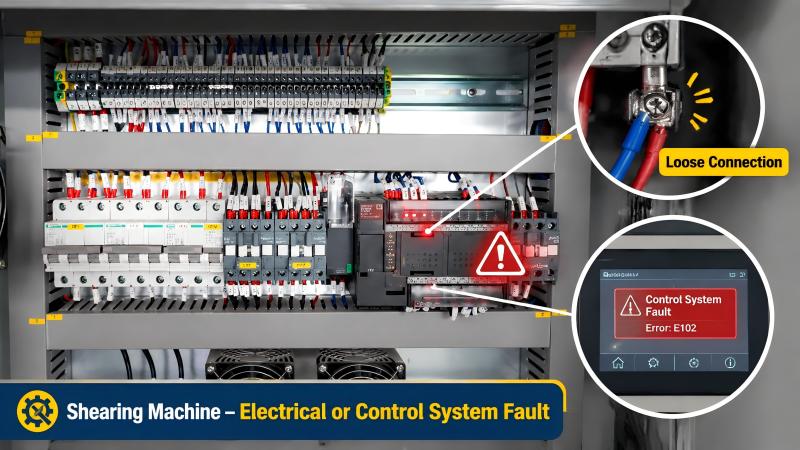
Power interruptions, loose electrical connections, faulty sensors, or PLC control errors may interrupt machine operation. CNC or NC controllers may also display alarms that prevent the next cutting cycle.
3. Hydraulic System Problems
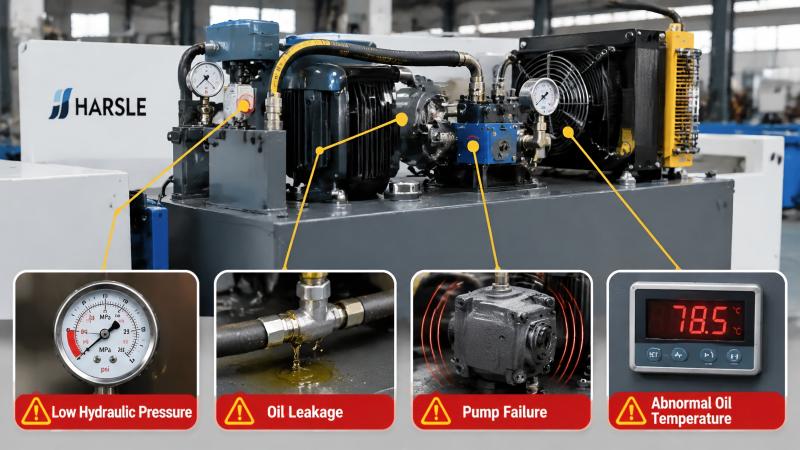
Low hydraulic pressure, oil leakage, pump failure, or abnormal oil temperature can cause a hydraulic shearing machine to stop unexpectedly.
4. Safety Interlock Activation
Opening a protected access point, triggering a light curtain, or activating another safety device may interrupt the machine cycle. Operators should never bypass these devices to restore production.
How to Inspect a Shearing Machine Safely After an Unexpected Stop
Step 1: Stop the Operation and Secure the Work Area
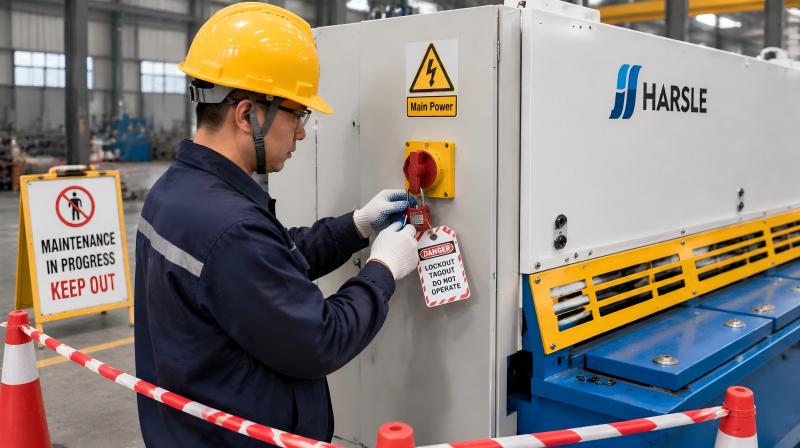
When the machine stops unexpectedly, keep your hands away from the cutting zone and moving components. Do not attempt to remove jammed material or manually reposition the blade carrier.
Notify nearby personnel and ensure that nobody enters the hazardous working area.
If an emergency stop has been activated, leave it engaged until the cause has been investigated. If maintenance access is necessary, isolate the machine from its energy sources and follow the facility’s lockout/tagout (LOTO) procedure. Remember that hydraulic pressure, stored mechanical energy, and suspended components may remain hazardous even after electrical power is disconnected.
Step 2: Check the CNC Controller and Alarm Messages
Examine the CNC or NC controller for alarm codes, warning indicators, and operating status messages.
Record the displayed information before attempting any reset. Check whether the shutdown was associated with an emergency stop, power interruption, safety interlock, or controller fault.
Follow the machine manufacturer’s troubleshooting instructions. Operators should not modify PLC parameters or electrical safety settings to clear an alarm.
Step 3: Inspect Mechanical Components
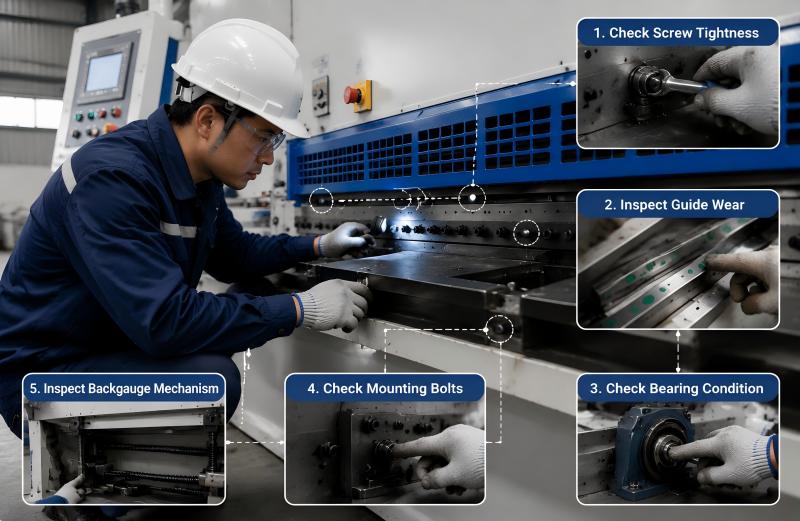
After securing the machine and establishing safe access, inspect visible mechanical components for abnormalities.
Pay particular attention to:
- Upper and lower blades: Look for visible chips, cracks, or signs of abnormal contact.
- Blade carrier: Check for visible damage or unusual positioning.
- Backgauge system: Look for obstructions, damaged guide components, or unexpected positioning.
- Hold-down cylinders: Check for visible hydraulic leakage or loose external connections.
- Support arms and worktable: Inspect for material obstructions or damaged supporting components.
If you discover damaged parts or mechanical interference, do not restart the machine until qualified personnel have assessed the problem.
Step 4: Check the Hydraulic and Electrical Systems
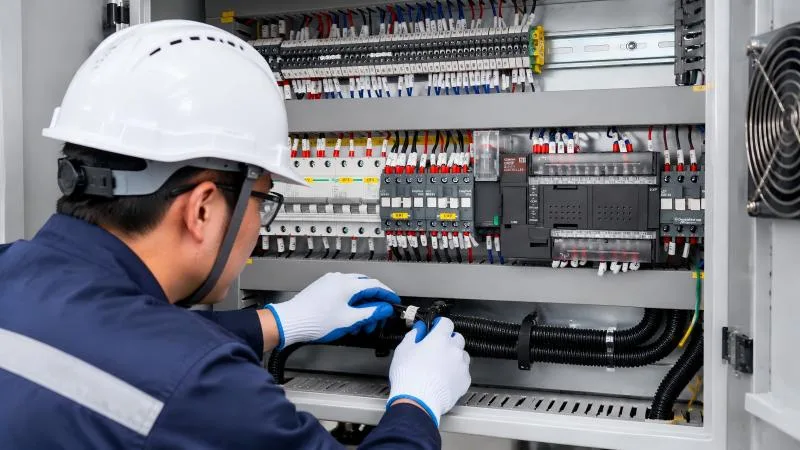
Inspect visible hydraulic hoses, fittings, oil connections, and the surrounding floor for signs of leakage.
Check the hydraulic oil level and review available pressure and temperature indicators according to the manufacturer’s instructions.
For electrical systems, inspect accessible external connections and controller status indicators. Internal electrical cabinet inspections, wiring repairs, and hydraulic valve adjustments must be performed by qualified technicians using appropriate isolation procedures.
Step 5: Verify Safety Devices Before Restarting
Before returning the machine to production, confirm that all required safety devices are operational.
Check the emergency stop buttons, protective guards, safety interlocks, and light curtains if equipped.
If the emergency stop was activated, reset it only after the original hazard has been resolved and the machine is confirmed safe. Resetting the emergency stop does not automatically authorize machine operation. Follow the manufacturer’s prescribed control-system initialization and restart procedure.
Step 6: Perform a Controlled Restart
Once the cause of the unexpected stop has been corrected, authorized personnel should verify that the machine is ready for operation.
Remove tools and maintenance equipment, confirm that the work area is clear, and ensure that all personnel are outside restricted zones.
Follow the manufacturer’s approved startup procedure. Where appropriate, perform an initial test in the designated setup mode without material. Confirm that the blade carrier, backgauge, and hydraulic system operate normally before resuming production.
Common Mistakes to Avoid After an Unexpected Machine Stop
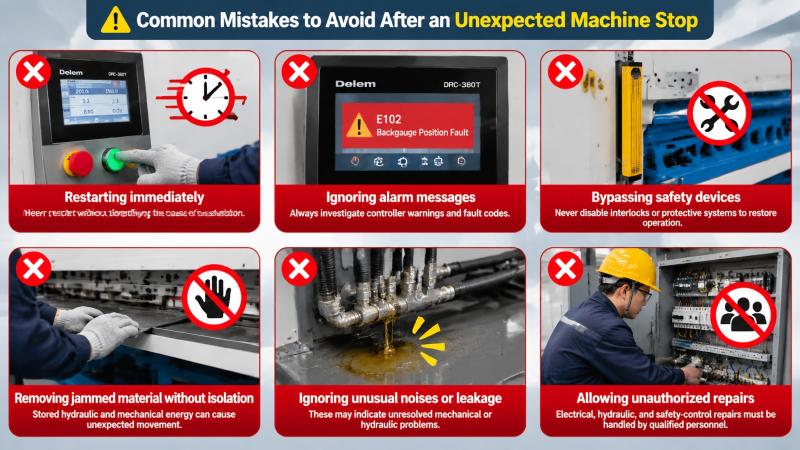
- Restarting immediately: Never restart without identifying the cause of the shutdown.
- Ignoring alarm messages: Always investigate controller warnings and fault codes.
- Bypassing safety devices: Never disable interlocks or protective systems to restore operation.
- Removing jammed material without isolation: Stored hydraulic and mechanical energy can cause unexpected movement.
- Ignoring unusual noises or leakage: These may indicate unresolved mechanical or hydraulic problems.
- Allowing unauthorized repairs: Electrical, hydraulic, and safety-control repairs must be handled by qualified personnel.
FAQs
Can I Restart a Shearing Machine Immediately After an Emergency Stop?
No. First identify and resolve the reason for the emergency stop. Check the machine’s safety systems and follow the manufacturer’s reset and restart procedures.
What Should I Do If the CNC Controller Displays an Alarm?
Record the alarm code and consult the machine manual. Investigate the corresponding fault before restarting. Contact qualified technical personnel if the problem cannot be resolved through approved operator procedures.
Should I Inspect the Hydraulic System After an Unexpected Stop?
Yes. Check accessible indicators, oil levels, and visible hydraulic connections for abnormalities. Internal repairs and pressure adjustments should only be performed by qualified technicians.
Abschluss
Ensuring shearing machine safety after an unexpected stop requires a systematic response. Operators should secure the working area, check controller alarms, inspect accessible mechanical and hydraulic components, and verify all safety devices before restarting.
I recommend treating every unexpected shutdown as a potential safety warning rather than simply a production interruption. Proper fault investigation, preventive maintenance, and operator training can reduce accidents and minimize unnecessary downtime.


