


Schermaschine Vorbeugende Wartung is essential for reducing unexpected machine downtime, improving equipment reliability, and keeping metal fabrication operations running smoothly. When running a production workshop, unplanned failures can quickly affect schedules, delivery times, and operating costs. In this article, I’ll explain how regular maintenance practices help prevent common shearing machine problems, extend equipment lifespan, and minimize production interruptions. Whether you operate a hydraulic shearing machine or manage a large fabrication facility, these maintenance strategies can help you achieve safer, more efficient, and more stable cutting performance.
Die Rolle von Schermaschine Vorbeugende Wartung
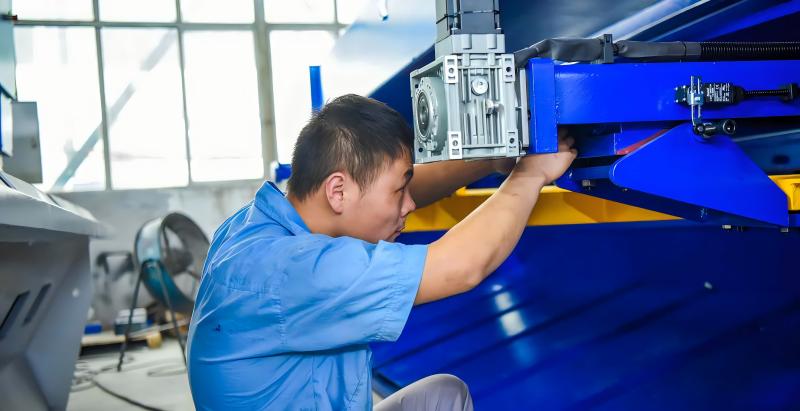
Why Preventive Maintenance Is Important for Shearing Machines
A shearing machine works under high mechanical loads during daily cutting operations. Continuous pressure on blades, hydraulic systems, electrical components, and moving parts can gradually cause wear and performance issues.
Without regular inspection and maintenance, small problems can develop into major failures, resulting in production interruptions and expensive repairs. Through proper Shearing Machine Preventive Maintenance, operators can identify potential problems early and solve them before they affect production.
How Preventive Maintenance Reduces Unexpected Downtime
Preventive maintenance focuses on scheduled inspections, adjustments, cleaning, and component replacement before failures occur. Instead of waiting for a machine breakdown, maintenance teams can plan service activities during non-production periods.
This proactive approach reduces emergency repairs, improves machine availability, and helps maintain consistent cutting performance.
Key Steps of Shearing Machine Preventive Maintenance
Schritt 1: Hydrauliksystem prüfen und warten
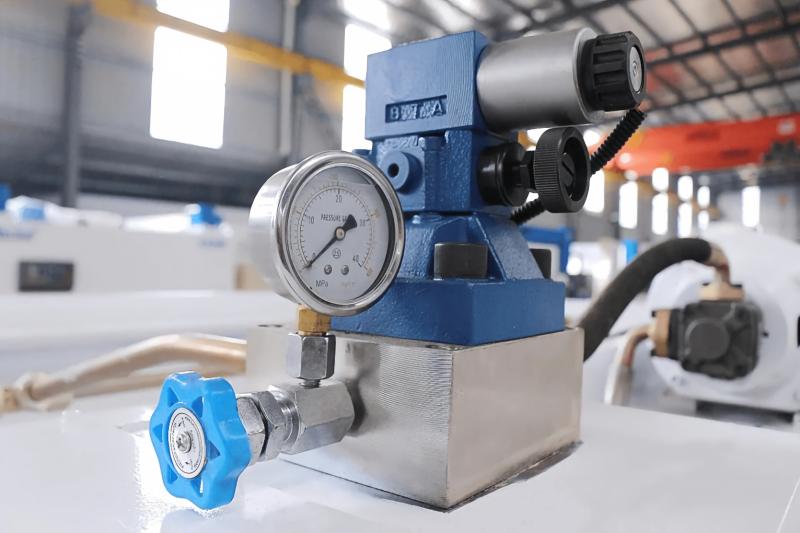
Check Hydraulic Oil Condition and Pressure
The hydraulic system is one of the most important parts of a hydraulic shearing machine. Contaminated oil, insufficient pressure, or oil leakage can cause unstable blade movement and reduced cutting performance.
I recommend regularly checking hydraulic oil quality, monitoring pressure levels, and replacing filters according to the manufacturer’s recommendations. Clean hydraulic fluid improves valve response and protects pumps and cylinders from premature wear.
Inspect Hydraulic Lines and Seals
Hydraulic hoses, fittings, and seals should be inspected frequently for leakage, cracks, or aging. Even small leaks can reduce system efficiency and eventually cause unexpected machine stops.
Replacing damaged components early helps prevent larger hydraulic failures and reduces repair downtime.
Step 2: Maintain Cutting Blades and Mechanical Components
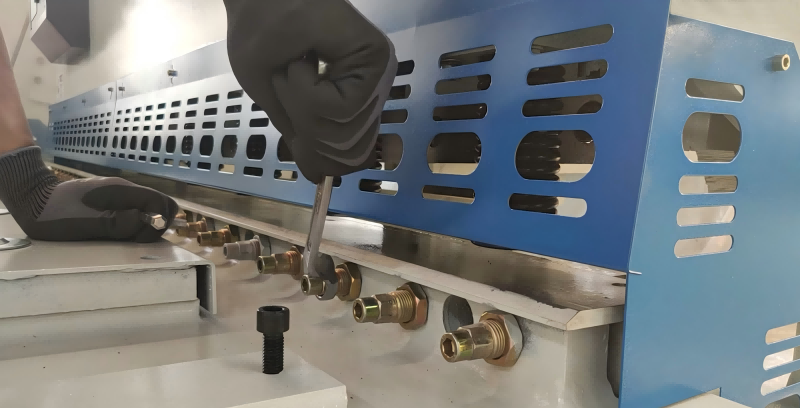
Check Blade Wear and Cutting Clearance
The condition of the blades directly affects cutting quality and machine performance. Dull or damaged blades require higher cutting force, increasing stress on the entire machine structure.
Regular blade inspection and proper adjustment of cutting clearance help maintain clean cuts and reduce unnecessary mechanical load.
Lubricate Moving Components Regularly
Guide rails, bearings, sliding parts, and mechanical connections require proper lubrication to reduce friction and wear.
I recommend following a lubrication schedule based on operating hours and production intensity. Proper lubrication keeps moving components stable and prevents unexpected failures.
Step 3: Perform Electrical System Inspections
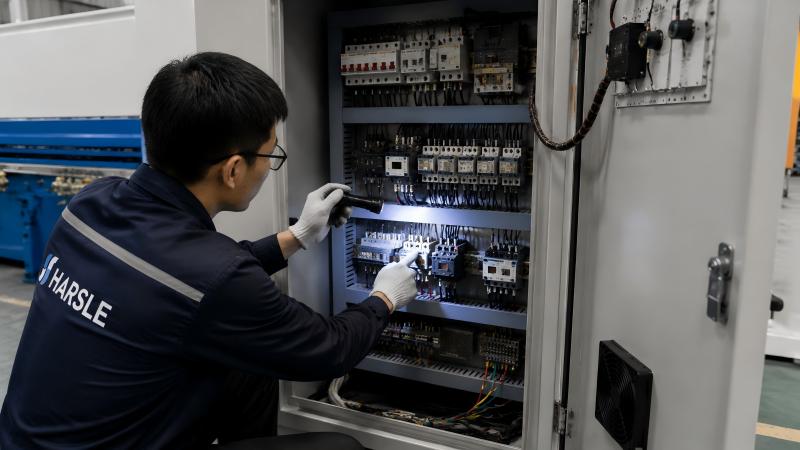
Check Wiring and Electrical Connections
Loose terminals, damaged cables, or electrical contamination can cause machine alarms and operational interruptions.
During routine Shearing Machine Preventive Maintenance, I always recommend checking electrical cabinets, connectors, and control components to ensure stable operation.
Inspect Sensors and Control Systems
Modern shearing machines rely on sensors and CNC controllers for accurate positioning and safe operation. Incorrect sensor signals may lead to inaccurate cutting or machine shutdowns.
Regular testing and calibration help maintain reliable machine control and reduce production interruptions.
Step 4: Keep the Machine Clean and Properly Adjusted
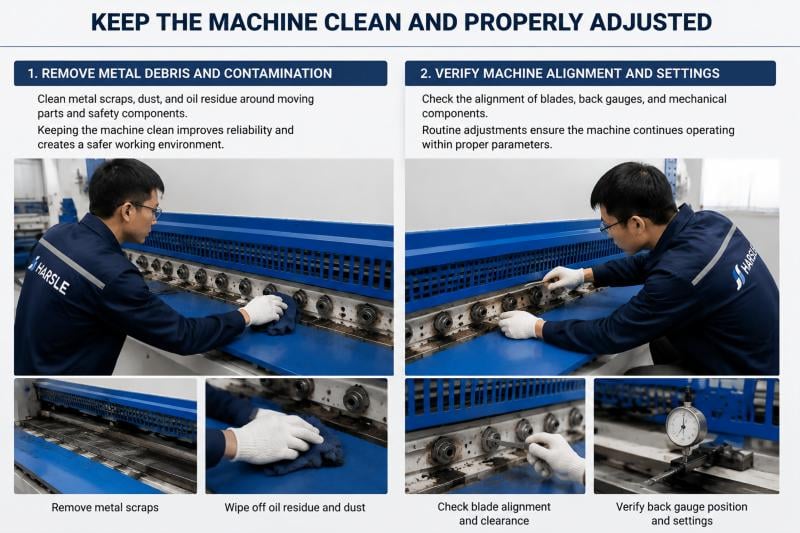
Remove Metal Debris and Contamination
Metal scraps, dust, and oil residue can accumulate around moving parts and safety components. These contaminants may affect machine movement and accelerate component wear.
Keeping the machine clean improves reliability and creates a safer working environment.
Verify Machine Alignment and Settings
Incorrect alignment of blades, back gauges, or mechanical components can reduce cutting accuracy and increase stress on the machine.
Routine adjustments ensure the machine continues operating within proper parameters.
Best Practices for Long-Term Shearing Machine Reliability
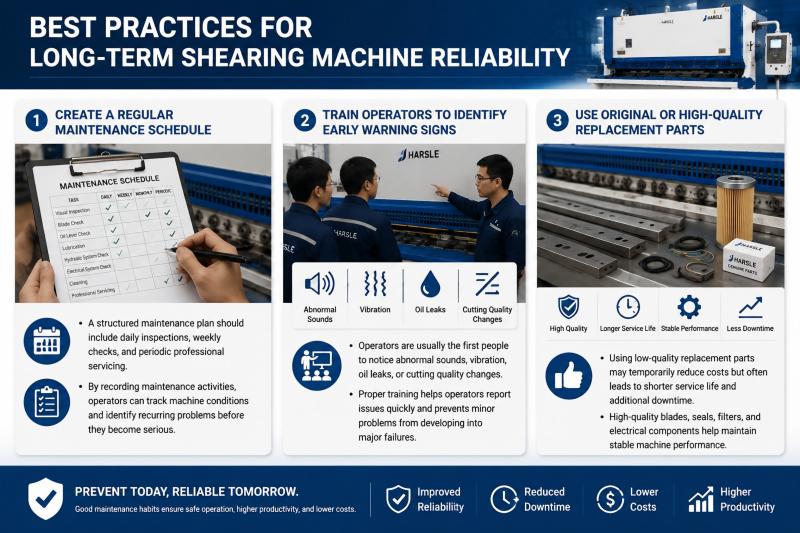
Create a Regular Maintenance Schedule
A structured maintenance plan should include daily inspections, weekly checks, and periodic professional servicing.
By recording maintenance activities, operators can track machine conditions and identify recurring problems before they become serious.
Train Operators to Identify Early Warning Signs
Operators are usually the first people to notice abnormal sounds, vibration, oil leaks, or cutting quality changes.
Proper training helps operators report issues quickly and prevents minor problems from developing into major failures.
Use Original or High-Quality Replacement Parts
Using low-quality replacement parts may temporarily reduce costs but often leads to shorter service life and additional downtime.
High-quality blades, seals, filters, and electrical components help maintain stable machine performance.
FAQs
How often should I perform Shearing Machine Preventive Maintenance?
Maintenance frequency depends on machine usage and working conditions. Daily inspections and regular scheduled maintenance are recommended for most industrial applications.
Can preventive maintenance improve shearing machine cutting accuracy?
Yes. Proper blade adjustment, lubrication, and component inspection help maintain stable positioning and consistent cutting quality.
What are the most common causes of shearing machine downtime?
Common causes include hydraulic problems, blade wear, electrical failures, poor lubrication, and insufficient cleaning.
Does preventive maintenance reduce repair costs?
Yes. Identifying problems early helps avoid major component damage and reduces expensive emergency repairs.
Abschluss
Wirksam Shearing Machine Preventive Maintenance plays an important role in reducing downtime, improving production efficiency, and extending machine lifespan. By regularly inspecting hydraulic systems, maintaining blades, checking electrical components, and keeping proper maintenance records, you can prevent unexpected failures and maintain reliable cutting performance.
A proactive maintenance strategy allows your shearing machine to operate safely and efficiently for years. For more technical guidance or professional support on machine maintenance, feel free to contact our team for assistance.


