


Máquina de corte Blade Damage is one of the most common problems I encounter in metal fabrication operations, as blade condition directly affects cutting quality, production efficiency, and machine reliability. When shearing machines continuously process different materials and thicknesses, improper operation, incorrect settings, or insufficient maintenance can accelerate blade wear and reduce cutting performance. If you want to understand why shearing machine blades become damaged and how to prevent premature failure, you’re in the right place. In this article, I’ll explain the main causes of blade damage, practical troubleshooting methods, and maintenance strategies to help you extend blade service life and maintain stable cutting performance.
Comprensión Máquina de corte Blade Damage
What Is Shearing Machine Blade Damage?
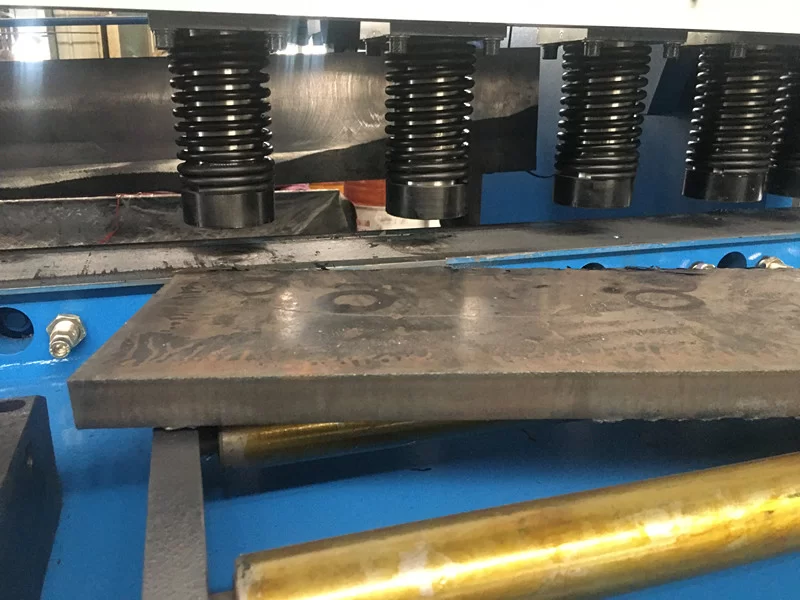
Shearing machine blade damage refers to any condition that affects blade cutting performance, including chipping, cracking, edge wear, deformation, and loss of sharpness. Since blades directly contact metal materials under high cutting forces, they experience continuous mechanical stress during operation.
Damaged blades can cause poor cutting edges, increased material deformation, higher operating loads, and even damage to other machine components. Identifying the early signs of Shearing Machine Blade Damage helps operators take corrective action before serious failures occur.
Why Blade Condition Is Critical for Cutting Performance
The blade is one of the most important components of a shearing machine. A sharp and properly adjusted blade ensures clean cuts with consistent accuracy. However, when the blade becomes worn or damaged, the cutting gap changes and the machine requires more force to complete the operation.
This increased load affects hydraulic systems, drive components, and machine frames, reducing overall equipment efficiency.
Common Causes of Shearing Machine Blade Damage
Incorrect Blade Clearance Adjustment
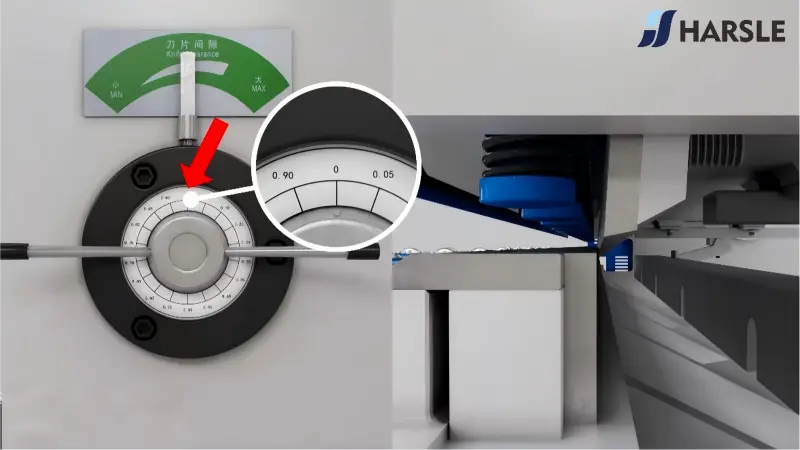
How Improper Blade Gap Causes Damage
One of the most common reasons for blade damage is incorrect clearance between the upper and lower blades. The blade gap must match the material type and thickness.
If the clearance is too small, excessive friction occurs between the blades, causing overheating and accelerated wear. If the clearance is too large, the material may not be cut cleanly, creating impact loads that can damage the blade edge.
I always recommend adjusting blade clearance according to material thickness and manufacturer specifications.
Cutting Materials Beyond Machine Capacity
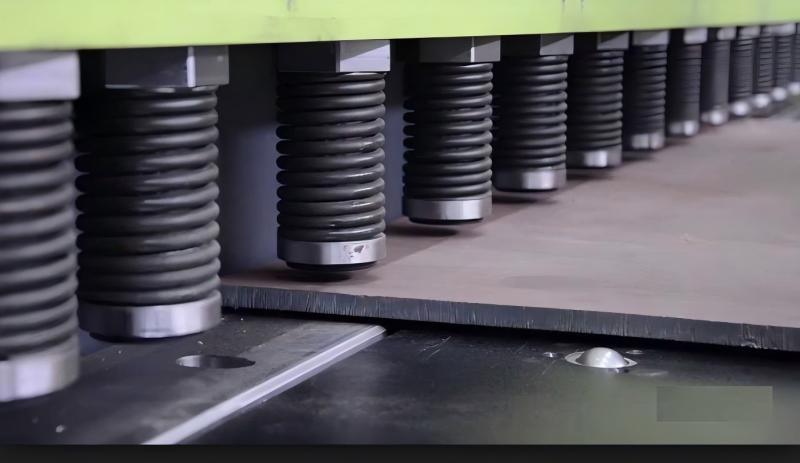
Effects of Excessive Material Thickness
Every shearing machine has a rated cutting capacity. Attempting to cut materials thicker than the machine specification creates excessive stress on the blades.
Hard materials such as stainless steel, high-strength steel, or hardened alloys require higher cutting force. If the blade is not designed for these applications, cracking or edge chipping may occur.
Operators should always verify material properties before production.
Using Incorrect Blade Material or Quality
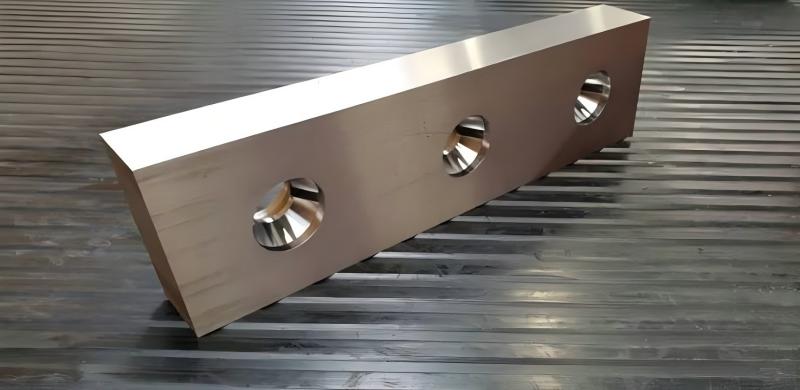
Importance of Proper Blade Selection
Different applications require different blade materials and hardness levels. Using low-quality blades or blades unsuitable for specific materials can significantly reduce service life.
High-quality shearing blades are typically manufactured from wear-resistant tool steel and undergo proper heat treatment to maintain hardness and toughness.
Choosing the correct blade specification is essential for reducing Shearing Machine Blade Damage.
Poor Blade Alignment
How Misalignment Affects Blade Life
Upper and lower blades must remain properly aligned during cutting. Misalignment creates uneven pressure distribution, causing certain areas of the blade edge to experience excessive stress.
Signs of blade alignment problems include uneven cutting quality, increased noise, and localized blade wear.
Regular alignment checks help ensure balanced cutting forces.
Lack of Regular Maintenance
Impact of Poor Maintenance Practices
Dust, metal particles, and debris can accumulate around the blade area and affect cutting accuracy. Without regular cleaning and inspection, small issues can develop into major blade failures.
Maintenance should include checking blade sharpness, inspecting mounting bolts, cleaning cutting areas, and verifying blade positioning.
How to Prevent Shearing Machine Blade Damage
Perform Regular Blade Inspections
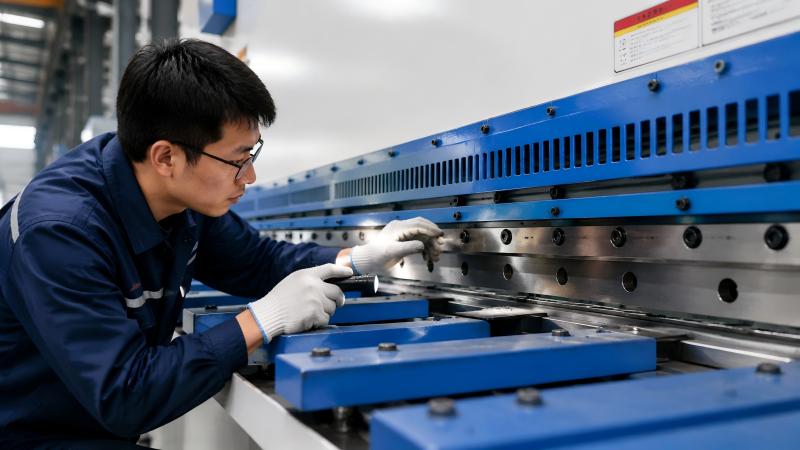
I recommend checking blade condition regularly based on machine usage. Look for visible cracks, chips, uneven wear, or changes in cutting quality.
Early detection allows operators to repair or replace blades before they affect production.
Maintain Correct Blade Clearance
Proper blade clearance is essential for achieving clean cuts and reducing unnecessary stress. Adjust the clearance whenever changing material thickness or processing different materials.
Correct settings improve cutting quality and extend blade lifespan.
Use Suitable Cutting Parameters
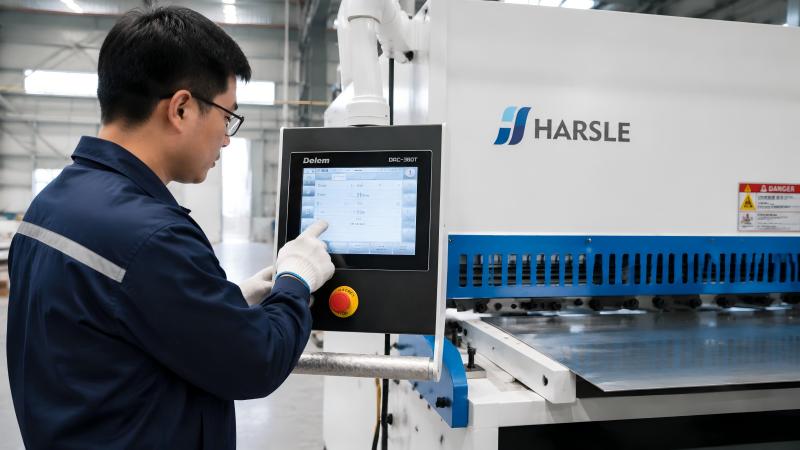
Avoid forcing the machine beyond recommended operating conditions. Selecting appropriate cutting speed, material thickness, and blade settings reduces mechanical stress.
Proper operation is one of the simplest ways to prevent premature blade failure.
Keep the Blade Area Clean and Lubricated
Regular cleaning prevents metal debris from affecting blade movement and alignment. Applying suitable lubrication to required components reduces friction and supports smoother operation.
Replace Damaged Blades Promptly
Continuing to operate with severely damaged blades can create additional problems, including poor cutting quality and increased machine load.
Replacing blades at the right time helps maintain production efficiency and prevents secondary damage.
Preguntas frecuentes
What are the main signs of Shearing Machine Blade Damage?
Common signs include rough cutting edges, increased cutting force, unusual noise, visible cracks, blade chipping, and inconsistent cutting results.
How often should I inspect shearing machine blades?
Inspection frequency depends on material type, production volume, and machine usage. High-volume operations should perform checks more frequently.
Can incorrect blade clearance damage the shearing machine?
Yes. Incorrect clearance increases stress on blades and other machine components, reducing cutting accuracy and shortening service life.
How can I extend shearing machine blade life?
Proper blade selection, regular inspection, correct clearance adjustment, and routine maintenance are the most effective methods for extending blade life.
Conclusión
Understanding the causes of Shearing Machine Blade Damage is essential for maintaining cutting quality and reducing unexpected downtime. Problems such as incorrect blade clearance, excessive material thickness, poor alignment, and insufficient maintenance can significantly shorten blade service life.
By performing regular inspections, selecting suitable blades, maintaining correct settings, and following proper operating procedures, you can improve machine reliability and reduce maintenance costs.
For more technical guidance about shearing machine operation, blade maintenance, or equipment optimization, feel free to contact our team for professional support.


