


Máquina de corte Fallas eléctricas are common issues that can interrupt production, reduce cutting accuracy, and increase unexpected maintenance costs. When a shearing machine suddenly stops, fails to start, or shows abnormal control behavior, electrical problems are often one of the first areas I investigate. In this article, I’ll explain how to identify the causes of electrical failures, check key components, and apply practical troubleshooting methods to restore stable machine operation. Whether you are an operator, maintenance engineer, or factory manager, this guide will help you improve machine reliability and reduce downtime.
Understanding Shearing Machine Electrical Failures
Why Electrical Problems Occur in Shearing Machines
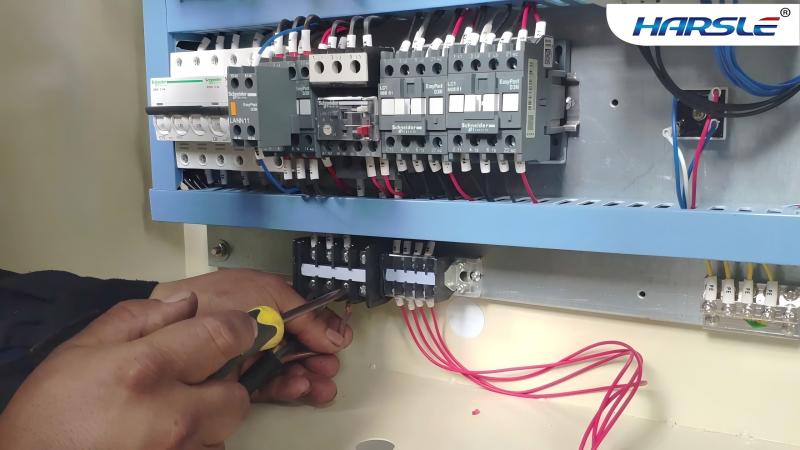
Modern shearing machines rely on electrical systems to control motors, hydraulic units, sensors, CNC controllers, and safety devices. These components work together to ensure accurate and efficient cutting performance.
Over time, electrical failures may occur due to aging components, loose connections, voltage fluctuations, dust contamination, overheating, or improper maintenance. Identifying the root cause quickly is essential to prevent further damage and production interruptions.
Common Signs of Electrical Failures
Before starting troubleshooting, I recommend checking for common warning signs, including:
- The machine cannot start or suddenly stops during operation
- The control panel displays error messages
- Motors fail to run or operate irregularly
- Sensors provide incorrect signals
- Circuit breakers frequently trip
- Hydraulic systems fail due to electrical control problems
Recognizing these symptoms helps narrow down the possible failure source.
How to Diagnose Shearing Machine Electrical Failures Step by Step
Step 1: Check the Power Supply System
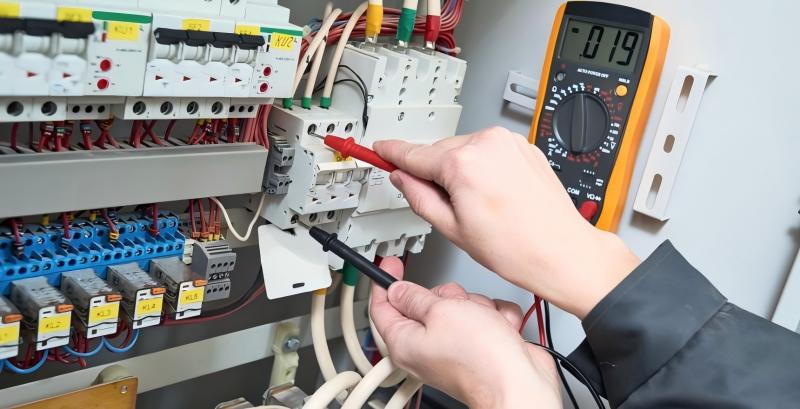
Inspect Voltage Stability and Electrical Connections
The first step in diagnosing Shearing Machine Electrical Failures is checking the power supply. Unstable voltage or incorrect electrical connections can prevent the machine from operating normally.
I recommend measuring the incoming voltage and comparing it with the machine’s rated requirements. Check whether power cables, terminals, and connectors are firmly connected without signs of burning, oxidation, or overheating.
Loose connections can create resistance, generate heat, and eventually damage electrical components.
Step 2: Inspect Circuit Breakers and Protection Devices
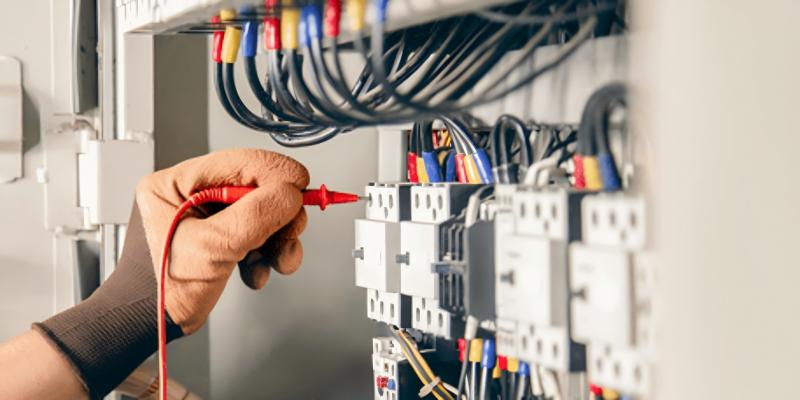
Check Fuses, Relays, and Overload Protection
Circuit breakers and protection devices are designed to prevent electrical damage. If a breaker frequently trips, it may indicate overload, short circuits, or component failure.
During inspection, check:
- Main circuit breakers
- Thermal overload relays
- Contactors
- Fuses
- Emergency stop circuits
Replacing a damaged fuse may temporarily restore operation, but the underlying cause should always be identified.
Step 3: Examine Motors and Drive Systems
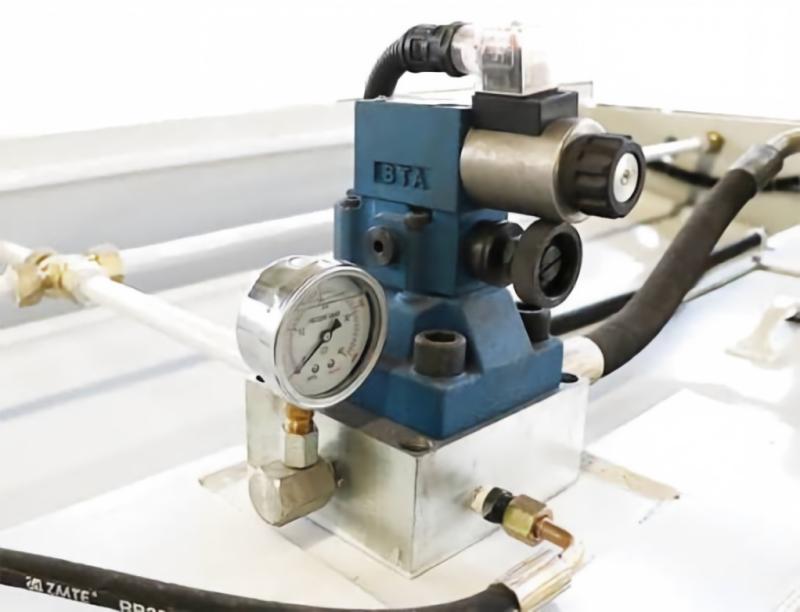
Diagnose Motor Overheating and Abnormal Operation
The motor is one of the most important electrical components in a shearing machine. Electrical problems can cause overheating, reduced power output, or complete motor failure.
I recommend checking:
- Motor temperature
- Current consumption
- Unusual noise or vibration
- Insulation condition
- Cable connections
Abnormal current readings often indicate motor overload, mechanical resistance, or electrical faults.
Step 4: Inspect Sensors and Control Signals
Check Position Sensors and Safety Sensors
Sensors provide important feedback signals for machine control. Damaged or misaligned sensors can cause incorrect machine movement or unexpected stops.
Common sensors to inspect include:
- Sensores de posición
- Limit switches
- Pressure sensors
- Cortinas de luz de seguridad
- Encoder systems
Make sure sensors are clean, correctly positioned, and connected properly. Dust, oil, and metal particles can interfere with signal transmission.
Step 5: Check the CNC Controller and Electrical Cabinet
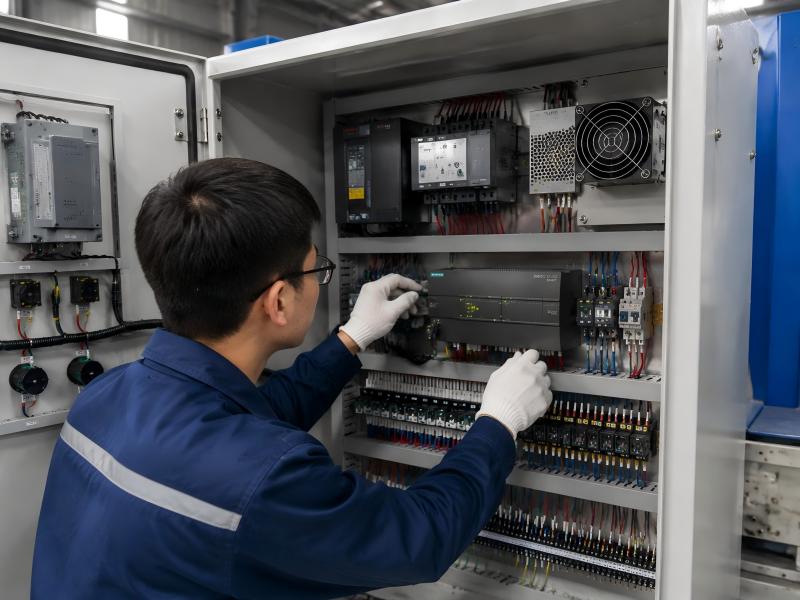
Inspect Control Components and Wiring
The CNC controller and electrical cabinet are the control center of modern shearing machines. Problems inside the cabinet can affect the entire machine.
During inspection, check:
- PLC status indicators
- Controller error codes
- Ventiladores de refrigeración
- Bloques de terminales
- Internal wiring
- Electrical cabinet temperature
Keeping the electrical cabinet clean and well ventilated helps prevent overheating and component aging.
Causas comunes de Máquina de corte Fallas eléctricas
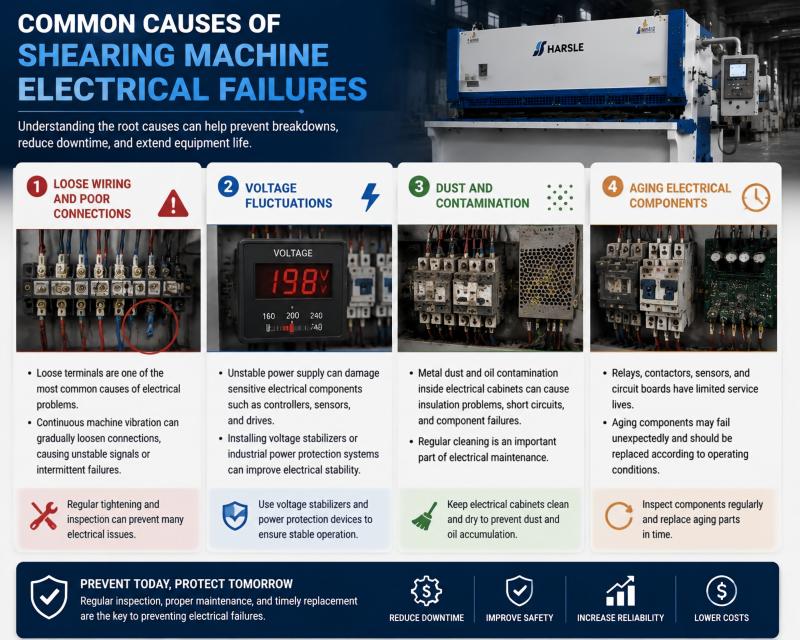
Loose Wiring and Poor Connections
Loose terminals are one of the most common causes of electrical problems. Continuous machine vibration can gradually loosen connections, causing unstable signals or intermittent failures.
Regular tightening and inspection can prevent many electrical issues.
Voltage Fluctuations
Unstable power supply can damage sensitive electrical components such as controllers, sensors, and drives.
Installing voltage stabilizers or industrial power protection systems can improve electrical stability.
Dust and Contamination
Metal dust and oil contamination inside electrical cabinets can cause insulation problems, short circuits, and component failures.
Regular cleaning is an important part of electrical maintenance.
Aging Electrical Components
Relays, contactors, sensors, and circuit boards have limited service lives. Aging components may fail unexpectedly and should be replaced according to operating conditions.
Best Practices to Prevent Electrical Failures
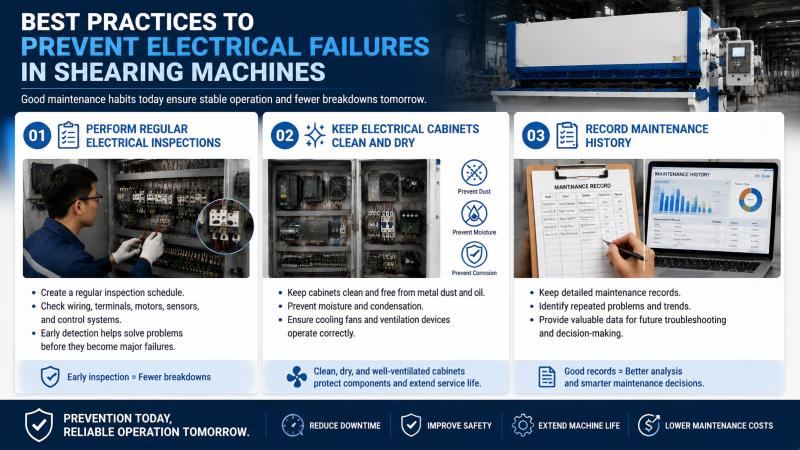
Perform Regular Electrical Inspections
I recommend creating a regular inspection schedule to check wiring, terminals, motors, sensors, and control systems. Early detection allows maintenance teams to solve problems before they become major failures.
Keep Electrical Cabinets Clean and Dry
A clean working environment helps protect electrical components from dust, moisture, and corrosion. Make sure cooling systems and ventilation devices operate correctly.
Record Maintenance History
Keeping detailed maintenance records helps identify repeated problems and provides valuable information for future troubleshooting.
Preguntas frecuentes
What are the most common causes of Shearing Machine Electrical Failures?
Common causes include loose wiring, unstable voltage, damaged sensors, aging components, overheating, and poor electrical cabinet maintenance.
How can I check if a shearing machine motor has an electrical problem?
Check motor temperature, current consumption, wiring connections, and abnormal operating sounds. Electrical testing equipment can help identify hidden issues.
Why does my shearing machine suddenly stop during operation?
Sudden stops may be caused by electrical overload, sensor failure, emergency stop activation, controller errors, or unstable power supply.
How often should electrical inspections be performed on a shearing machine?
Inspection frequency depends on machine usage and working conditions, but regular monthly checks are recommended for critical electrical components.
Conclusión
Diagnosing Shearing Machine Electrical Failures requires a systematic approach that starts with checking the power supply and continues through motors, sensors, controllers, and electrical components. By performing regular inspections, maintaining clean electrical systems, and addressing warning signs early, manufacturers can reduce downtime and improve machine reliability.
A well-maintained electrical system ensures stable cutting performance and extends the service life of your shearing machine. For more technical support or professional maintenance guidance, feel free to contact our team for assistance.


