


Máquina de corte Lubrication Failure is one of the common causes of mechanical problems in industrial shearing machines, leading to increased friction, overheating, abnormal noise, and unexpected downtime. Proper lubrication is essential for maintaining cutting accuracy, reducing component wear, and extending equipment lifespan. If you want to understand how to prevent lubrication-related failures and keep your machine running smoothly, you’re in the right place. In this article, I’ll explain the main causes of lubrication problems and provide practical maintenance methods to help you improve machine reliability and production efficiency.
Comprensión Máquina de corte Lubrication Failure
Why Lubrication Is Important for Shearing Machines
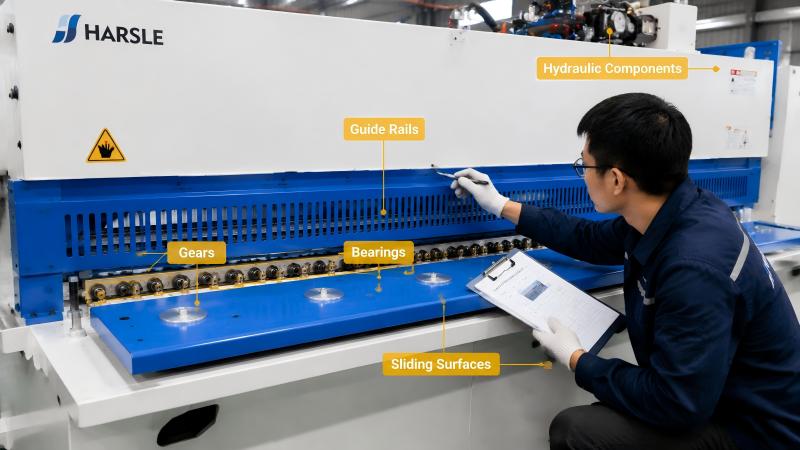
A shearing machine contains many moving components that operate under continuous mechanical stress. Bearings, guide rails, gears, sliding surfaces, and other friction points require proper lubrication to reduce resistance and prevent excessive wear.
Without sufficient lubrication, metal-to-metal contact can occur, causing heat generation, surface damage, and reduced machine performance. Over time, poor lubrication conditions can lead to Shearing Machine Lubrication Failure, resulting in costly repairs and production interruptions.
Common Signs of Lubrication Problems
Identifying early warning signs is essential for preventing major failures. Common indicators include unusual operating noise, increased vibration, higher operating temperatures, slower machine movement, and visible wear on moving components.
I recommend investigating these symptoms immediately instead of waiting until a component completely fails. Early maintenance can prevent more serious damage.
Main Causes of Shearing Machine Lubrication Failure
Insufficient Lubricant Supply
One of the most common causes of lubrication failure is an insufficient amount of lubricant reaching critical components. Low oil levels, blocked lubrication lines, or damaged lubrication pumps can prevent proper lubrication.
Regularly checking lubricant levels and ensuring that distribution systems work correctly helps maintain stable machine operation.
Using the Wrong Lubricant Type
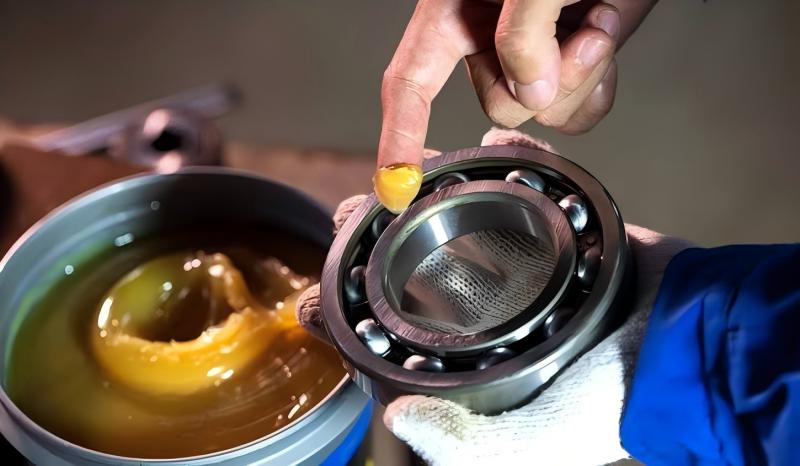
Different machine components require specific lubrication properties. Using incorrect oil viscosity or unsuitable grease can reduce lubrication effectiveness.
For example, lubricant that is too thick may not flow properly at low temperatures, while lubricant that is too thin may fail to provide enough protection under heavy loads.
I always recommend using lubricants specified by the machine manufacturer to ensure compatibility and reliable performance.
Contaminated Lubricant
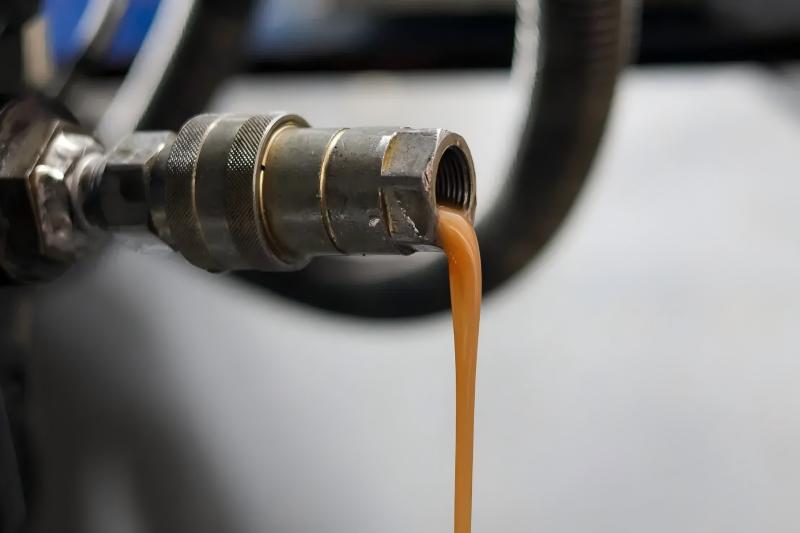
Dust, metal particles, moisture, and other contaminants can significantly reduce lubricant performance. Contaminated oil accelerates wear on bearings, gears, and hydraulic-related components.
Regular oil inspection and replacement help prevent contamination-related lubrication problems.
Irregular Maintenance Schedule
Many lubrication failures happen because maintenance is delayed or performed inconsistently. Without regular inspections, operators may not notice decreasing lubrication performance until serious damage occurs.
Establishing a routine lubrication schedule based on operating hours and working conditions is one of the most effective ways to prevent failures.
How to Prevent Shearing Machine Lubrication Failure
Step 1: Create a Regular Lubrication Inspection Plan
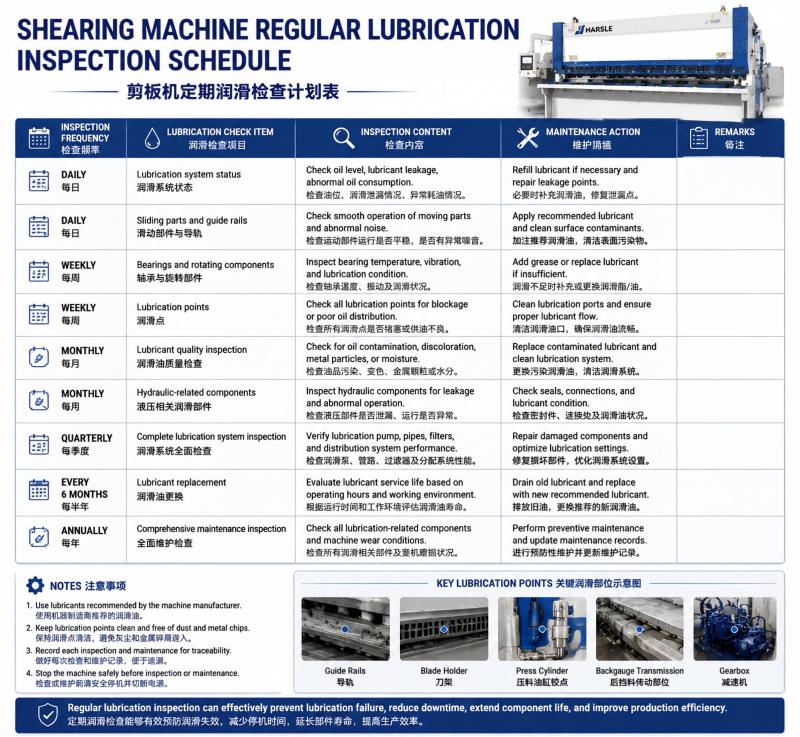
The first step is establishing a clear inspection schedule. I recommend checking lubrication points regularly according to machine operating frequency and production conditions.
During inspection, verify oil levels, lubrication pressure, lubricant condition, and any signs of leakage. Recording inspection results helps identify abnormal changes over time.
Step 2: Use High-Quality Lubricants
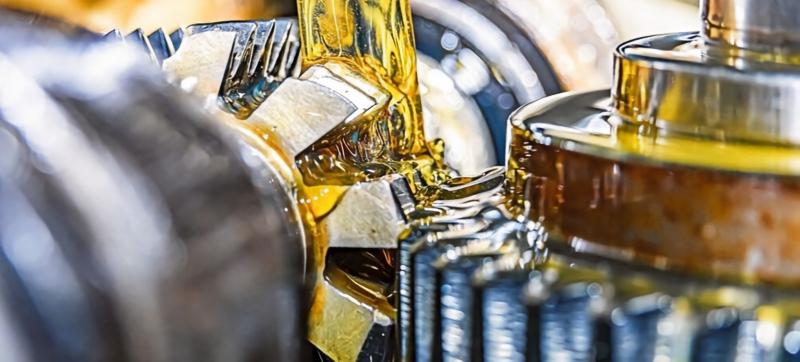
Selecting the correct lubricant is critical for long-term machine reliability. High-quality lubricants provide better resistance against temperature changes, oxidation, and mechanical stress.
Always confirm lubricant specifications before replacement and avoid mixing different lubricant types unless approved by the manufacturer.
Step 3: Clean Lubrication Components Regularly
Dust and metal debris can enter lubrication systems and reduce performance. Cleaning lubrication points, oil reservoirs, and surrounding areas prevents contamination from affecting machine components.
A clean working environment also helps extend lubricant service life.
Step 4: Monitor Component Wear and Performance
Lubrication problems are often connected with component wear. Regularly inspect bearings, gears, guide rails, and sliding parts for abnormal conditions.
If components show excessive wear, replacing them early can prevent additional damage caused by poor lubrication.
Step 5: Train Operators on Proper Lubrication Procedures
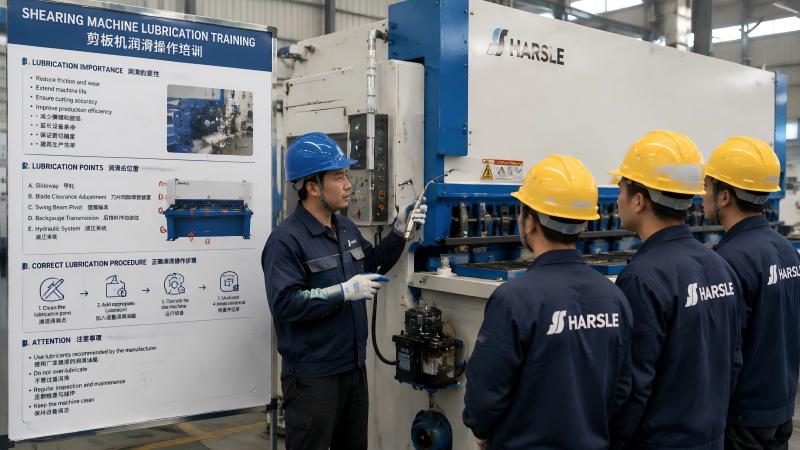
Operators play an important role in preventing lubrication failures. Proper training helps ensure that lubrication checks, oil filling, and maintenance procedures are performed correctly.
Operators should understand lubrication requirements and report abnormal conditions immediately.
Best Practices for Long-Term Lubrication Management
Maintain Detailed Maintenance Records
Keeping accurate maintenance records allows engineers to track lubrication history, replacement intervals, and recurring problems. These records help optimize future maintenance plans.
Perform Preventive Inspections
Preventive inspections are more effective than repairing failures after they happen. Regular checks of lubrication systems help identify problems before they affect production.
Follow Manufacturer Recommendations
Every shearing machine has different operating requirements. Following manufacturer guidelines for lubricant selection, replacement intervals, and maintenance procedures ensures better performance and reliability.
Preguntas frecuentes
What are the common causes of Shearing Machine Lubrication Failure?
Common causes include insufficient lubricant supply, incorrect lubricant selection, oil contamination, damaged lubrication components, and irregular maintenance.
How often should I lubricate a shearing machine?
Lubrication frequency depends on machine usage, working environment, and manufacturer recommendations. High-frequency production requires more frequent inspection.
Can poor lubrication affect cutting accuracy?
Yes. Insufficient lubrication increases friction and mechanical wear, which may affect machine movement stability and cutting precision.
Conclusión
Previniendo Shearing Machine Lubrication Failure requires regular inspection, correct lubricant selection, proper cleaning, and consistent maintenance procedures. By monitoring lubrication conditions and addressing potential problems early, you can reduce downtime, extend component life, and maintain stable cutting performance.
A well-maintained lubrication system is essential for achieving reliable and efficient shearing operations. For more technical guidance or professional support on machine maintenance, feel free to contact our team.


