


When operating industrial cutting equipment, one of the most common performance problems I encounter is Máquina de corte Cutting Speed Slow, which can directly reduce .production efficiency and increase processing time. A slow cutting cycle may be caused by hydraulic system issues, incorrect machine settings, blade conditions, or mechanical wear. If you are trying to identify why your shearing machine is running slower than normal and how to restore its cutting performance, you’re in the right place. In this article, I’ll explain the main causes of slow cutting speed and provide practical troubleshooting methods to help improve machine efficiency and maintain stable production.
Comprensión Máquina de corte Cutting Speed Problems
What Causes Slow Cutting Speed in a Shearing Machine?
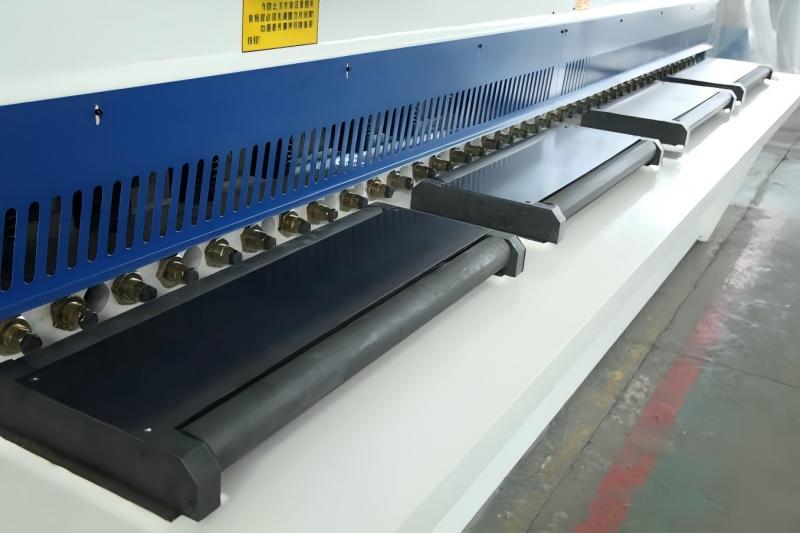
The cutting speed of a shearing machine depends on the interaction between the hydraulic system, electrical control system, mechanical structure, and cutting components. When any of these systems operate below normal performance levels, the machine may experience slower blade movement, longer cutting cycles, or delayed response.
A gradual speed reduction is often an early warning sign of potential equipment problems. Identifying the cause quickly helps prevent more serious failures and unnecessary downtime.
Why Maintaining Proper Cutting Speed Is Important
A stable cutting speed ensures consistent production output, accurate cutting quality, and efficient material processing. When a machine operates too slowly, manufacturers may experience reduced productivity, increased labor costs, and difficulty meeting delivery schedules.
Common Causes of Shearing Machine Cutting Speed Slow
Hydraulic System Problems Affecting Cutting Speed
Insufficient Hydraulic Pressure
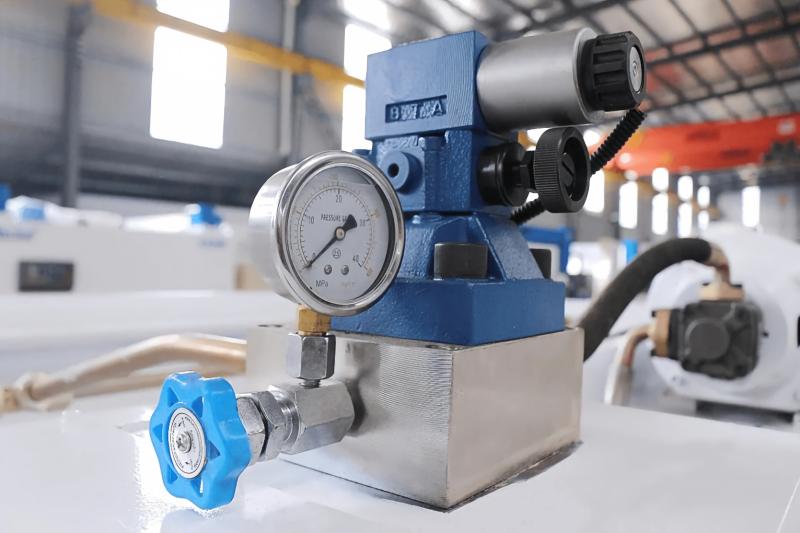
The hydraulic system provides the main force required for blade movement in many industrial shearing machines. If hydraulic pressure is too low, the blade movement becomes slower and the machine may struggle during heavy cutting operations.
Possible causes include hydraulic pump wear, pressure valve problems, oil leakage, or incorrect pressure settings. Checking hydraulic pressure regularly helps identify these issues before they affect production.
Hydraulic Oil Problems
Poor hydraulic oil condition can also contribute to Shearing Machine Cutting Speed Slow problems. Contaminated, degraded, or incorrect hydraulic oil increases friction and reduces system efficiency.
I recommend checking oil level, oil cleanliness, and oil temperature regularly. Replacing old hydraulic oil and maintaining proper filtration can significantly improve machine response.
Blade and Mechanical Issues
Dull or Worn Cutting Blades
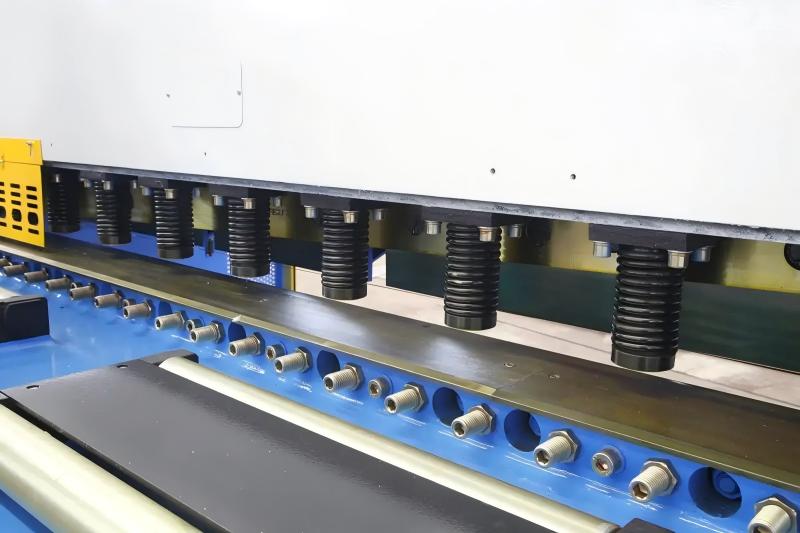
A worn blade increases cutting resistance and forces the machine to work harder during operation. Although the hydraulic system may still function normally, the actual cutting process becomes slower.
Regular blade inspection is essential. Maintaining proper blade sharpness and clearance settings helps ensure smooth cutting performance.
Mechanical Wear and Component Friction
Mechanical components such as guide rails, bearings, and moving structures require proper lubrication and alignment. Excessive friction can slow down blade movement and reduce overall machine efficiency.
Regular lubrication and inspection help minimize resistance and maintain consistent operating speed.
Problemas del sistema eléctrico y de control
Incorrect CNC or Controller Settings
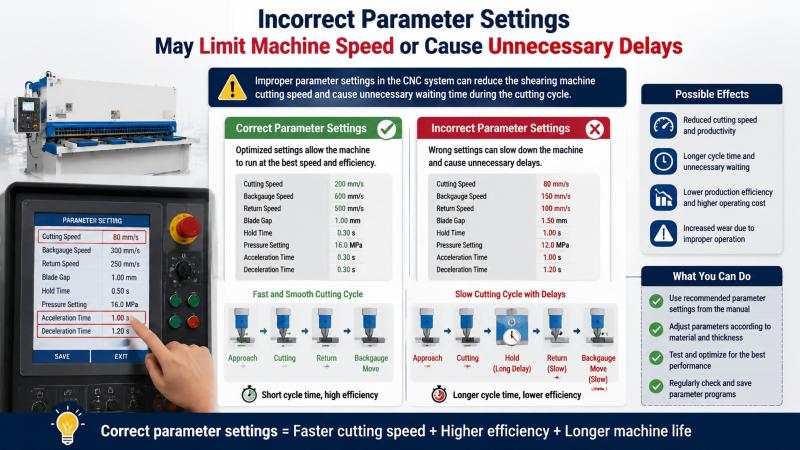
Modern shearing machines use CNC systems to control cutting cycles and blade movement. Incorrect parameter settings may limit machine speed or create unnecessary delays.
Operators should verify cutting parameters, timing settings, and control programs to ensure they match production requirements.
Sensor and Electrical Component Failures
Sensors provide feedback for machine positioning and operation control. A damaged sensor or unstable electrical connection may cause the machine to pause or move slower than expected.
Checking sensors, wiring connections, and control signals helps maintain reliable machine performance.
How to Troubleshoot Shearing Machine Cutting Speed Slow Problems
Step 1: Check Hydraulic System Performance
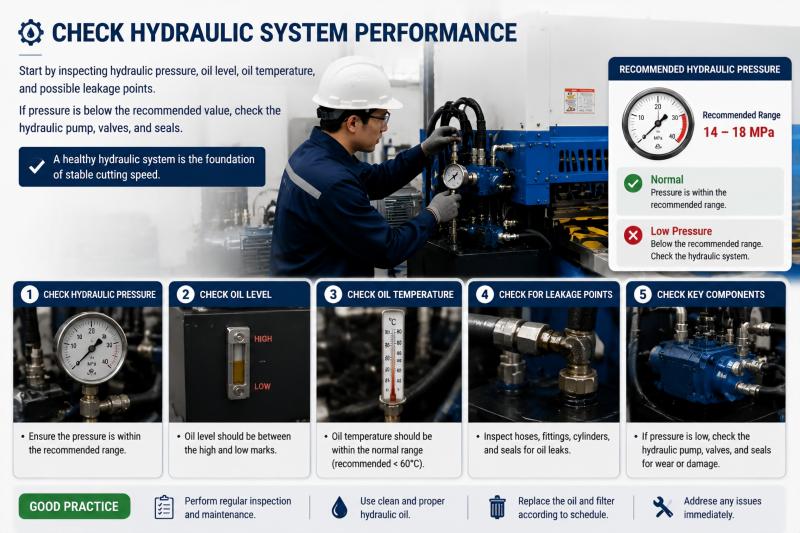
Start by inspecting hydraulic pressure, oil level, oil temperature, and possible leakage points. If pressure is below the recommended value, check the hydraulic pump, valves, and seals.
A healthy hydraulic system is the foundation of stable cutting speed.
Step 2: Inspect Blade Condition and Clearance
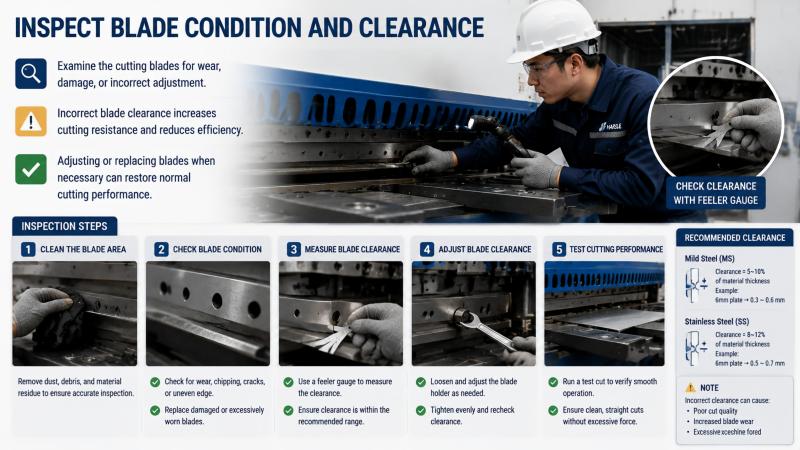
Examine the cutting blades for wear, damage, or incorrect adjustment. Incorrect blade clearance increases cutting resistance and reduces efficiency.
Adjusting or replacing blades when necessary can restore normal cutting performance.
Step 3: Verify Machine Settings
Review CNC parameters and operating programs. Ensure that speed settings, cutting angles, and cycle parameters are correctly configured.
Proper calibration prevents unnecessary delays during operation.
Step 4: Perform Mechanical Inspection
Inspect moving components, lubrication points, and structural parts. Remove contamination and ensure all mechanical elements move smoothly.
Regular mechanical maintenance reduces friction-related speed losses.
Best Practices to Prevent Slow Cutting Speed
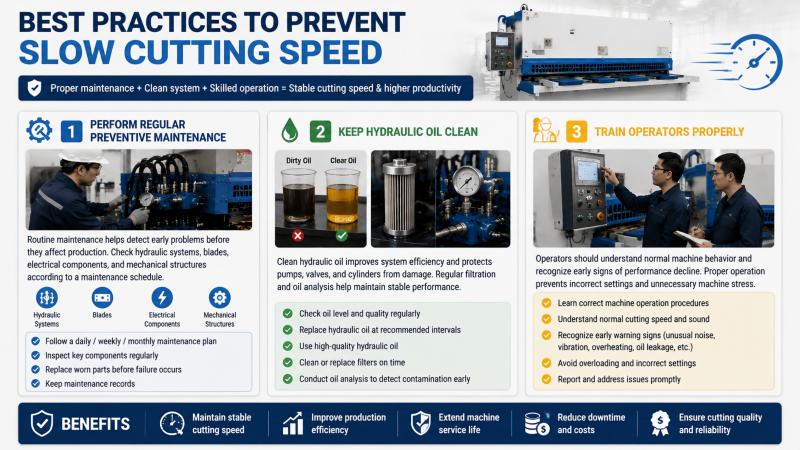
Perform Regular Preventive Maintenance
Routine maintenance helps detect early problems before they affect production. Check hydraulic systems, blades, electrical components, and mechanical structures according to a maintenance schedule.
Keep Hydraulic Oil Clean
Clean hydraulic oil improves system efficiency and protects pumps, valves, and cylinders from damage. Regular filtration and oil analysis help maintain stable performance.
Train Operators Properly
Operators should understand normal machine behavior and recognize early signs of performance decline. Proper operation prevents incorrect settings and unnecessary machine stress.
Preguntas frecuentes
Why is my shearing machine cutting slower than before?
Slow cutting speed may be caused by hydraulic pressure issues, worn blades, incorrect settings, mechanical friction, or electrical problems.
Can hydraulic oil affect shearing machine speed?
Yes. Poor-quality or contaminated hydraulic oil can reduce system efficiency and slow down blade movement.
How can I improve my shearing machine cutting speed?
Check hydraulic performance, maintain sharp blades, optimize machine settings, and perform regular maintenance.
How often should I inspect my shearing machine?
Inspection frequency depends on machine usage, but regular daily checks and scheduled preventive maintenance are recommended.
Conclusión
A slow-running shearing machine can significantly affect production efficiency, but most speed problems can be solved through proper inspection and maintenance. By checking hydraulic systems, maintaining blades, optimizing settings, and monitoring mechanical components, you can effectively resolve Shearing Machine Cutting Speed Slow issues.
Regular maintenance not only restores cutting speed but also extends machine lifespan and improves operational reliability. For more technical support or professional guidance on shearing machine maintenance, feel free to contact our team.


