


When operators search for Machine à cisailler Lubrication, they usually want a clear and practical guide to keep their machine running smoothly without unnecessary wear or downtime. In this article, I’ll walk you through how to apply lubrication correctly, what parts need attention, and how to build a simple maintenance routine that keeps your shearing machine in stable working condition for a long time. Proper lubrication is one of the easiest yet most important steps to extend machine life and improve cutting performance.
Compréhension Machine à cisailler Lubrication and Why It Matters
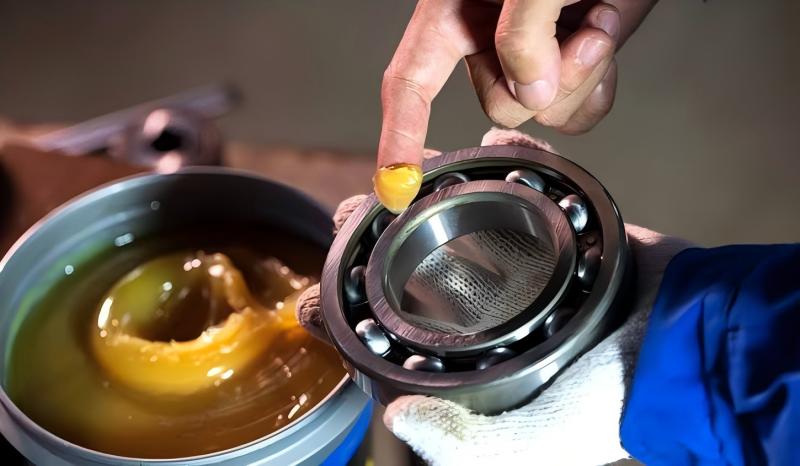
Before getting into the actual steps, it’s important to understand what Shearing Machine Lubrication really does. In a shearing machine, metal components are constantly moving under high pressure. Without proper lubrication, friction increases quickly, leading to heat buildup, faster wear, and even mechanical failure.
Good lubrication reduces resistance between moving parts, ensures smoother blade motion, and helps maintain cutting accuracy. It also prevents rust and corrosion, especially in environments with humidity or metal dust. In my experience, most unexpected breakdowns start from poor or inconsistent lubrication habits rather than major mechanical faults.
How to Prepare Before Applying Shearing Machine Lubrication
Step 1: Turn Off and Secure the Machine
Before doing anything, I always make sure the machine is completely powered off and locked out. This is not just a safety rule—it also prevents accidental movement while you are working around the blades, gears, or hydraulic components.
Step 2: Clean the Lubrication Areas
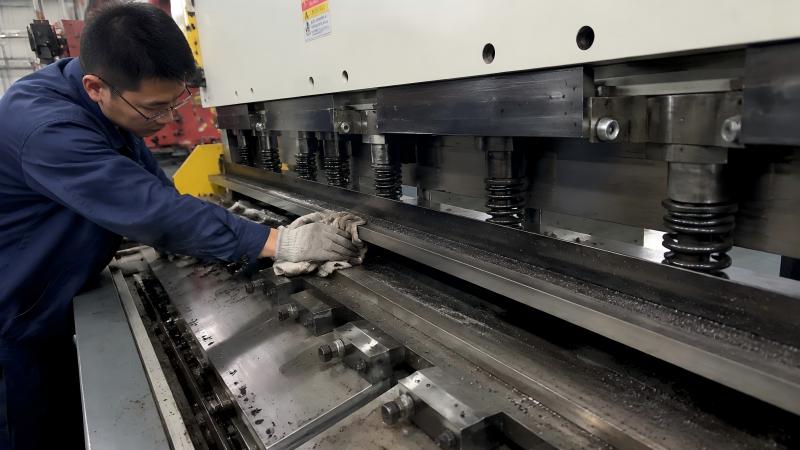
Lubrication works best on clean surfaces. I usually remove dust, oil residue, and metal chips from key parts such as the blade holder, guide rails, and transmission components. If dirt is left behind, it mixes with the lubricant and reduces its effectiveness.
Step 3: Check the Manufacturer’s Lubrication Points
Different shearing machines may have slightly different lubrication points. I always refer to the machine manual first to confirm where grease or oil should be applied. Common areas include guide rails, sliding blocks, gears, and hydraulic system joints.
Step-by-Step Guide to Applying Shearing Machine Lubrication
Lubricating the Blade and Guide System
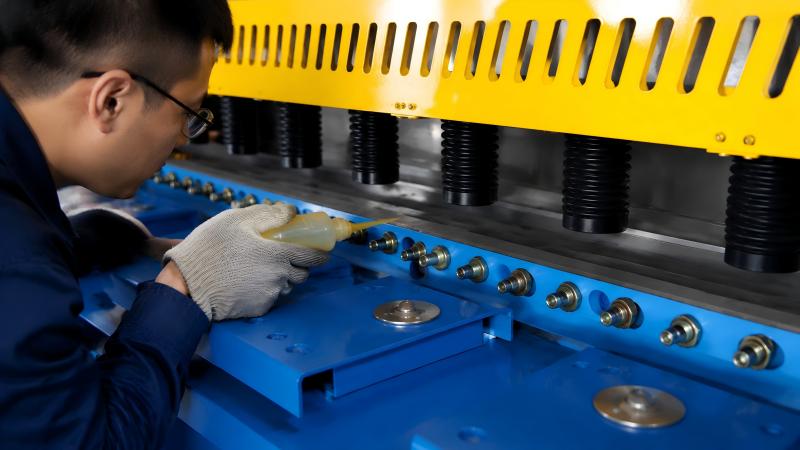
The blade and guide system is one of the most critical areas in Shearing Machine Lubrication.
Step 1: Apply Lubricant Evenly on Guide Rails
I start by applying a thin and even layer of machine oil or grease along the guide rails. This helps reduce friction during blade movement and ensures smooth cutting action.
Step 2: Lubricate the Blade Holder Area
Next, I apply lubrication to the blade holder components. This area experiences constant pressure, so proper lubrication helps maintain alignment and reduces wear on the cutting edges.
Lubricating the Transmission System
Step 1: Check Gear and Drive Components
The transmission system transfers power to the cutting mechanism. I inspect gears, chains, or couplings for dryness or noise before applying lubricant.
Step 2: Apply Grease to Moving Parts
Once confirmed, I apply industrial-grade grease to gears and moving joints. This step is essential for reducing mechanical stress and preventing premature wear.
Hydraulic System Lubrication and Maintenance
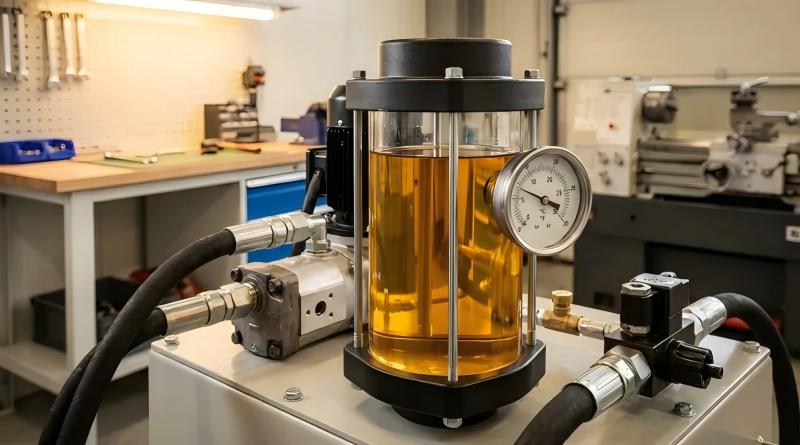
If your shearing machine is hydraulic, lubrication is not just about oiling parts—it also includes maintaining hydraulic oil quality.
Step 1: Check Hydraulic Oil Level
I always check the oil level first. Low hydraulic oil can cause unstable pressure and affect cutting precision.
Step 2: Replace or Filter Hydraulic Oil When Needed
Dirty hydraulic oil reduces system efficiency. Regular replacement or filtration is part of long-term Shearing Machine Lubrication maintenance.
Common Mistakes in Shearing Machine Lubrication
One mistake I often see is over-lubrication. Many operators think more oil means better protection, but in reality, excess lubricant attracts dust and metal particles, creating a grinding paste effect.
Another common issue is using the wrong lubricant type. Not all oils are suitable for high-pressure industrial machines. Always choose manufacturer-recommended industrial lubricants.
Finally, inconsistent maintenance is a major problem. Lubrication should not be done only when the machine becomes noisy—it should be a scheduled routine.
FAQ
How often should I perform Shearing Machine Lubrication?
In most industrial environments, I recommend lubrication every 8 hours of operation or at least once per shift. Heavy-duty usage may require more frequent checks.
What type of oil is best for Shearing Machine Lubrication?
I usually recommend industrial-grade machine oil or lithium-based grease depending on the lubrication point. Always follow the machine manual for exact specifications.
What happens if I ignore Shearing Machine Lubrication?
Without proper lubrication, friction increases, leading to blade wear, inaccurate cutting, overheating, and eventually mechanical failure.
Conclusion
Proper Shearing Machine Lubrication is one of the simplest ways to keep your equipment running efficiently and safely. By cleaning the machine, applying lubricant to the correct points, and following a regular maintenance schedule, you can significantly reduce wear and avoid unexpected downtime.
In my experience, machines that follow a consistent lubrication routine always perform more smoothly and last much longer. If you need more technical support or detailed maintenance guidance, feel free to contact our team at HARSLE—we’re always here to help you keep your equipment in top condition.


