


Material Slipping in Shearing Machine operations is a common issue that can affect cutting accuracy, product quality, and production efficiency. When the sheet cannot remain stable during the cutting process, it may lead to incorrect dimensions, uneven edges, and increased material waste. If you are experiencing sheet movement during shearing and want to find effective solutions, you are in the right place. In this article, I’ll explain the main causes of material slipping and provide practical methods to improve material holding performance, cutting accuracy, and overall machine reliability.
Understanding Material Slipping in Machine à cisailler Opérations
What Is Material Slipping During Shearing?
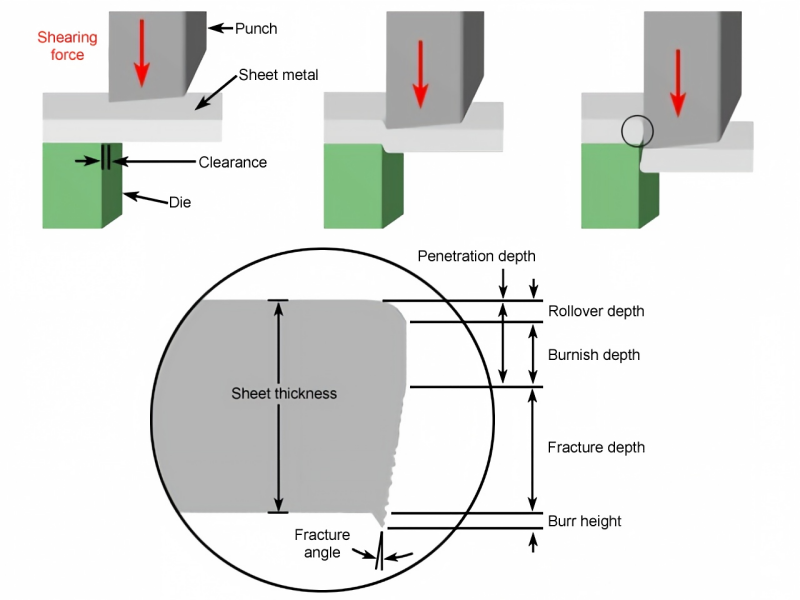
Material slipping occurs when the metal sheet moves unexpectedly during the cutting process instead of remaining firmly positioned against the machine’s reference points. This movement can happen before or during blade engagement, causing inaccurate cutting results.
In a hydraulic or CNC shearing machine, the material must remain stable throughout the cutting stroke. Any movement between the sheet, hold-down system, and cutting table can negatively affect the final product quality.
Why Material Stability Is Important for Cutting Accuracy
Stable material positioning ensures that the cutting line matches the programmed dimensions. When Material Slipping in Shearing Machine operations occurs, operators may experience inconsistent part sizes, angled cuts, burr formation, and increased material waste.
For manufacturers processing large volumes of sheet metal, even small positioning errors can lead to significant production losses.
Common Causes of Material Slipping in Machine à cisailler Coupe
Insufficient Hold-Down Pressure
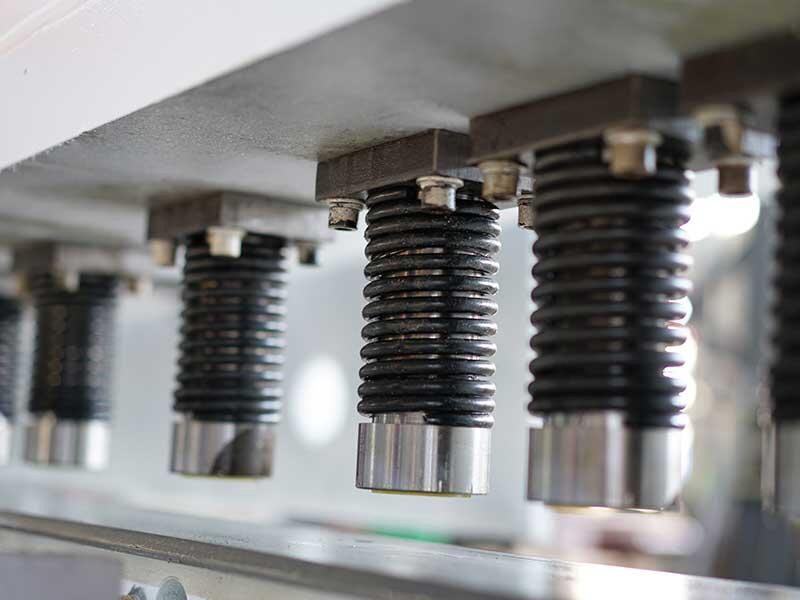
The hold-down system is designed to secure the sheet before the blade starts cutting. If the clamping force is too low, the material may move under cutting pressure.
I recommend checking hydraulic pressure settings and verifying that the hold-down cylinders apply sufficient force according to the material thickness and machine specifications.
Incorrect Blade Clearance Adjustment
Blade clearance directly affects cutting stability. If the clearance is too large, excessive force is required, which may push or pull the sheet during cutting.
Proper blade gap adjustment based on material thickness helps maintain smoother cutting performance and reduces the possibility of material movement.
Worn or Damaged Hold-Down Components
Over time, hold-down pads, clamps, and contact surfaces may wear or become damaged. Uneven contact pressure prevents the sheet from being securely fixed.
Regular inspection of these components helps identify wear before it affects cutting accuracy.
Improper Material Positioning
Incorrect sheet alignment before cutting is another common cause of slipping. If the material is not properly placed against the back gauge or side guide, cutting forces may cause unexpected movement.
Operators should always confirm correct positioning before starting the cutting cycle.
Cutting Parameters Not Properly Adjusted
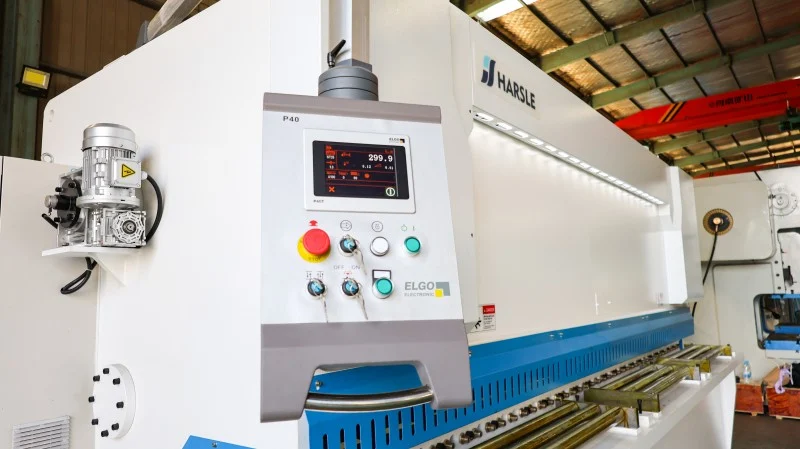
Incorrect cutting speed, blade condition, or machine settings can increase vibration and cutting force. These factors may contribute to sheet movement during operation.
Optimizing machine parameters according to material type and thickness improves stability.
How to Fix Material Slipping in Shearing Machine Cutting
Step 1: Inspect and Adjust the Hold-Down System
The first step is checking whether the hold-down mechanism works correctly. Inspect hydraulic cylinders, pressure settings, and contact pads.
If the clamping force is insufficient, adjust the hydraulic system according to manufacturer recommendations. A properly adjusted hold-down system provides stable support throughout the cutting process.
Step 2: Check Blade Clearance and Condition
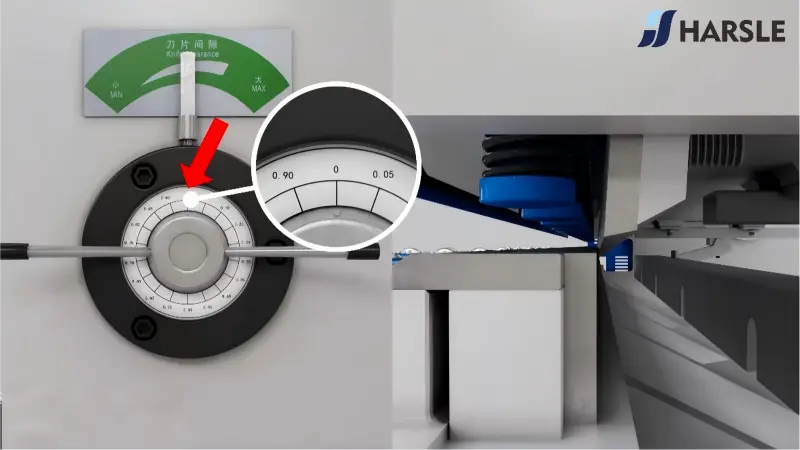
Inspect the upper and lower blades for wear, damage, or incorrect alignment. Adjust the blade clearance according to the material thickness.
Sharp and properly aligned blades reduce cutting resistance and minimize forces that can cause material movement.
Step 3: Improve Material Positioning Methods
Before cutting, ensure the sheet is correctly positioned against the back gauge and side guides. Operators should avoid starting the cutting cycle when the material is not fully aligned.
For repeated production tasks, standardized positioning procedures can significantly reduce operator errors.
Step 4: Maintain Machine Components Regularly
Regular maintenance plays an important role in preventing Material Slipping in Shearing Machine operations. Check hydraulic systems, guides, clamps, and mechanical connections periodically.
Loose components or unstable machine movement can increase vibration and affect sheet holding performance.
Step 5: Optimize Cutting Conditions
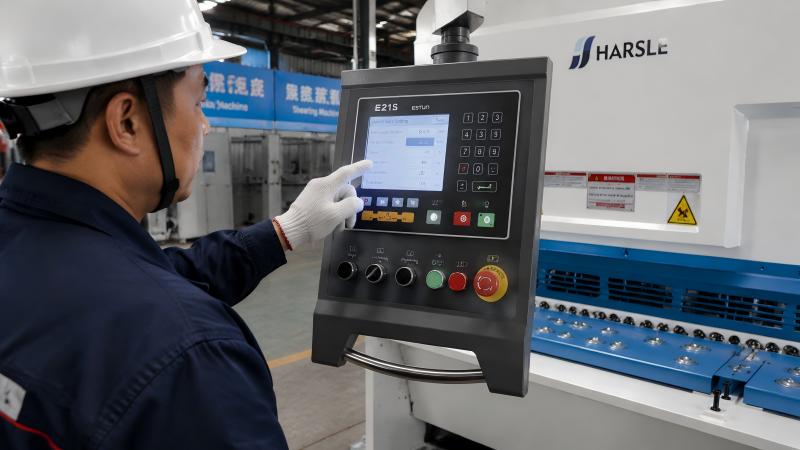
Adjust cutting parameters based on material thickness, strength, and machine capacity. Avoid excessive cutting speed or unsuitable settings that may create unnecessary vibration.
A balanced cutting process reduces stress on the material and improves overall accuracy.
Best Practices to Prevent Material Slipping
Perform Regular Machine Inspections
I recommend establishing a routine inspection schedule to check critical components such as hydraulic systems, blades, hold-down devices, and positioning mechanisms.
Early detection of wear or adjustment issues helps prevent unexpected cutting problems.
Train Operators on Proper Material Handling
Operators should understand the correct positioning methods and the importance of checking machine settings before operation.
Proper training reduces mistakes and improves consistency during daily production.
Keep Cutting Area Clean
Metal scraps, oil, and debris on the cutting table can affect material positioning. Keeping the working area clean ensures better contact between the sheet and support surfaces.
FAQ
What causes Material Slipping in Shearing Machine operations?
Common causes include insufficient hold-down pressure, incorrect blade clearance, worn clamping components, improper positioning, and unsuitable cutting parameters.
How can I improve sheet holding performance on a shearing machine?
You can improve holding performance by adjusting hydraulic clamping pressure, maintaining hold-down components, and ensuring correct material positioning.
Does blade condition affect material slipping?
Yes. Dull or damaged blades increase cutting resistance and vibration, which can cause the material to move during cutting.
How often should I check the hold-down system?
Regular inspection frequency depends on machine usage, but daily visual checks and scheduled maintenance are recommended for high-production environments.
Conclusion
Prévenir Material Slipping in Shearing Machine cutting requires proper adjustment, regular maintenance, and correct operating procedures. By checking the hold-down system, maintaining blade condition, improving material positioning, and optimizing cutting parameters, manufacturers can achieve better accuracy and reduce production waste.
A stable material holding system is essential for reliable shearing performance. If you need further technical guidance or professional support for improving your shearing machine operation, feel free to contact our team for assistance.


